
Last updated November 18, 2026
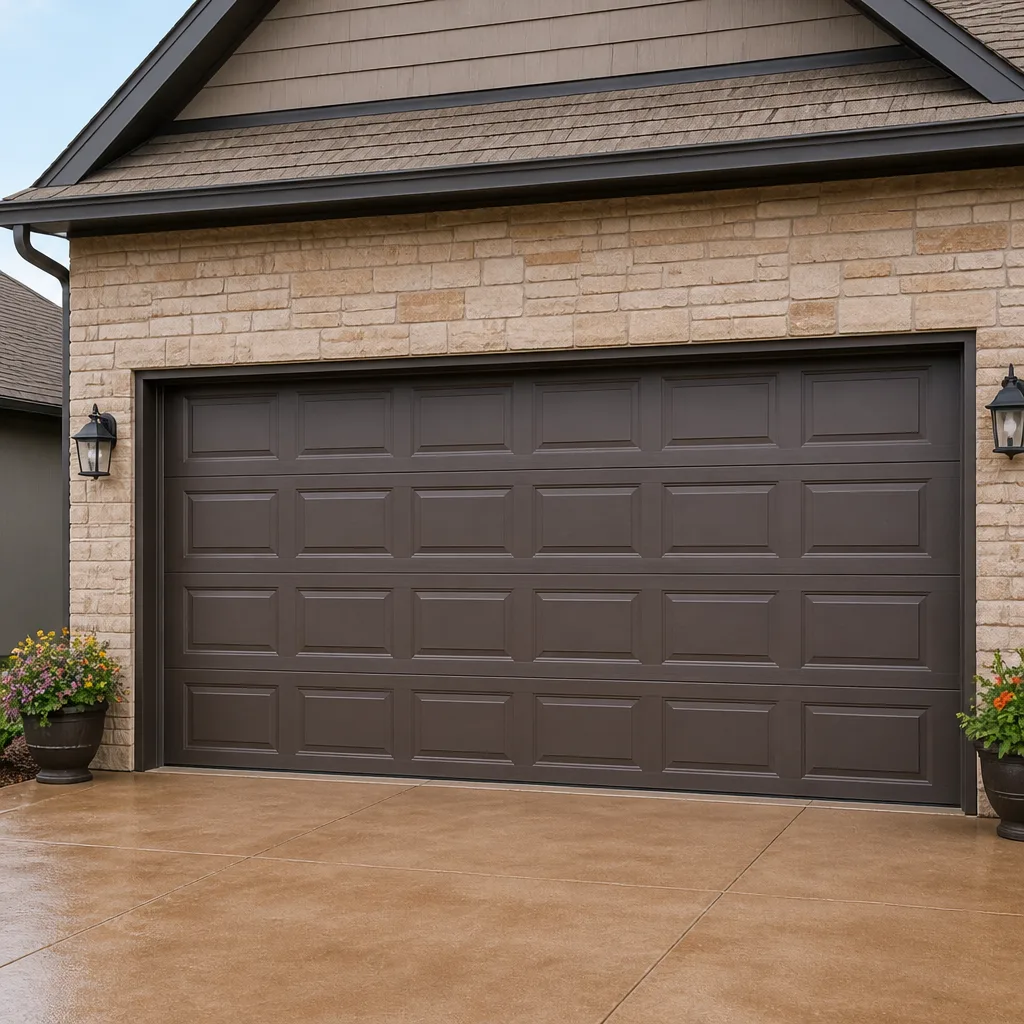 Raised-panel steel
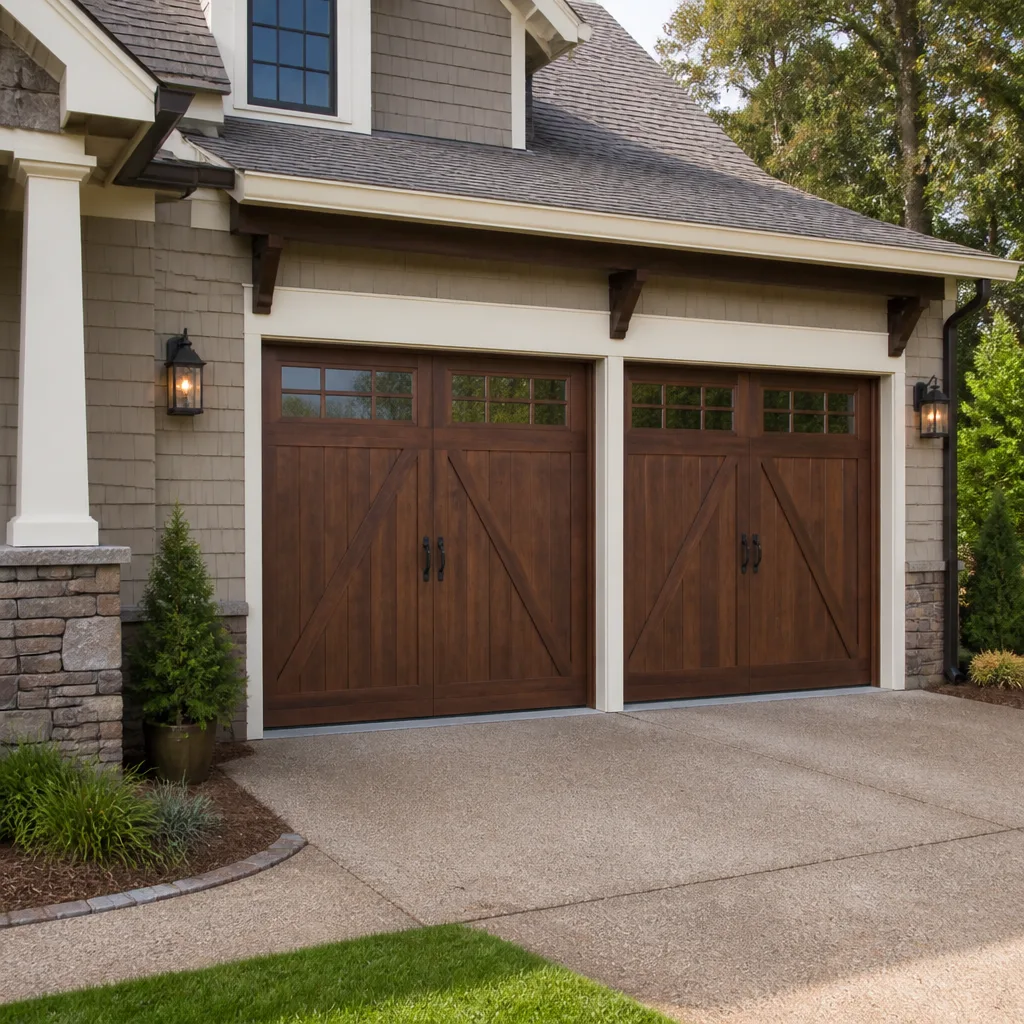 Carriage house
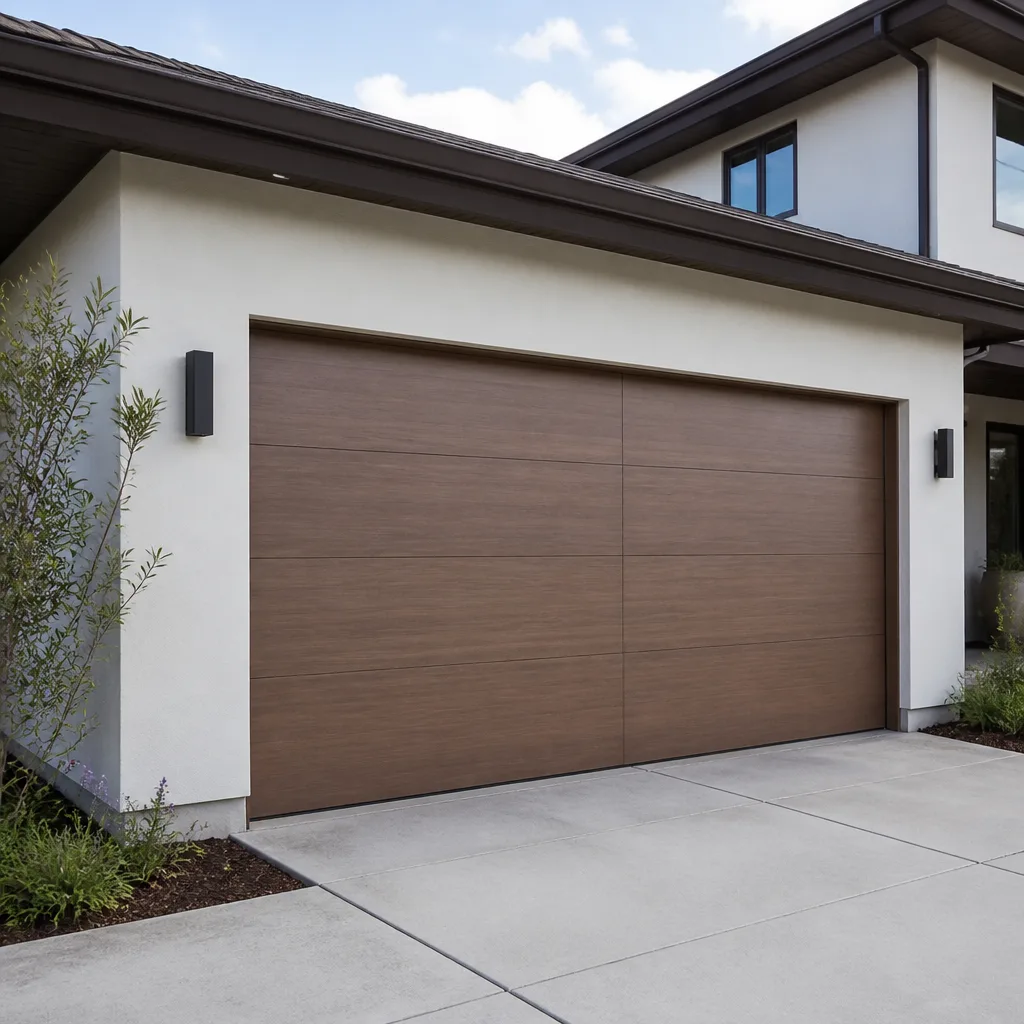 Modern flush
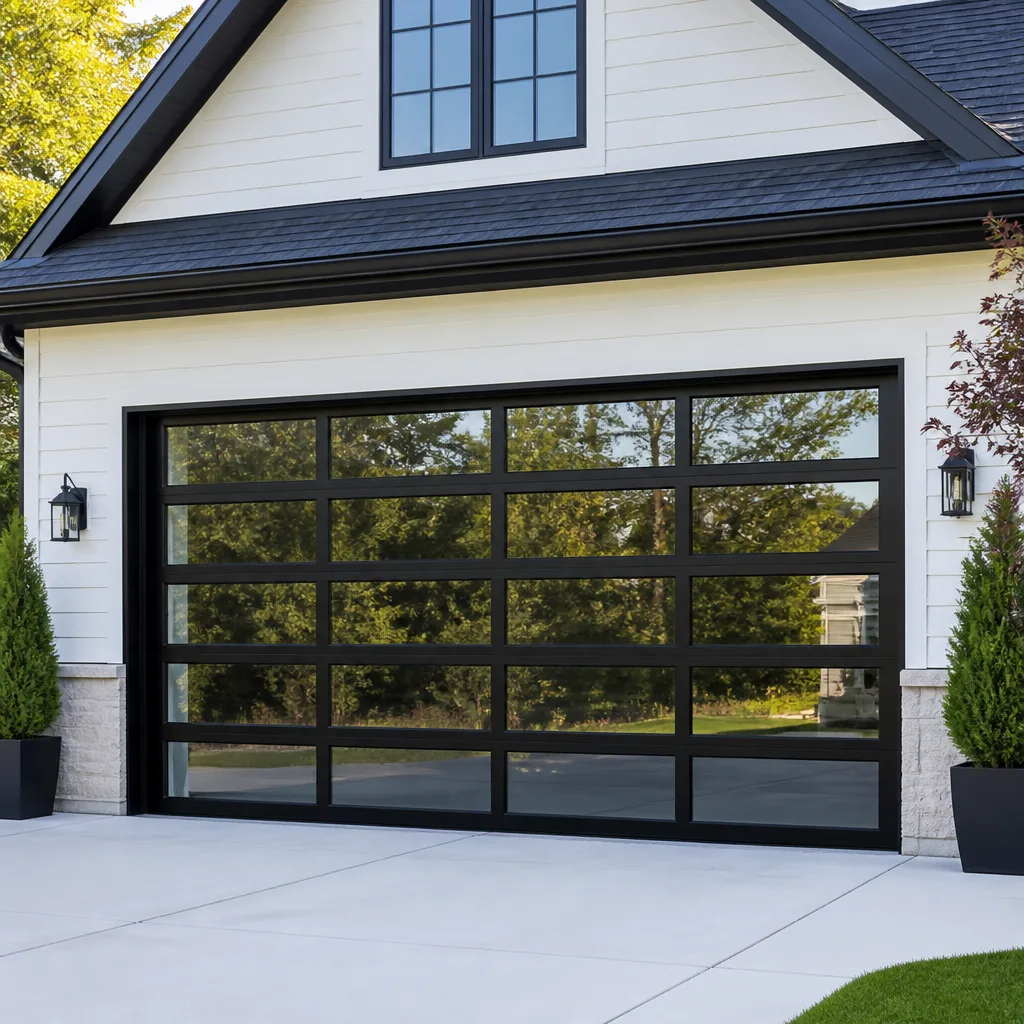 Full-view glass
 LiftMaster openers
 Chamberlain openers
Full 25-point door and opener safety check with every visit - springs, cables, rollers, tracks, and your LiftMaster or Chamberlain opener included
You get a price before we start. It does not change when the pro arrives.
Get your free estimateEmergency Garage Door Troubleshooting: Common Problems and How to Fix Them
A door that won’t open after a power outage is not broken. The red release cord is hanging six inches from your head, and pulling it puts the door in manual mode in about five seconds. A door that won’t open after a loud bang is broken, and pulling that same cord can drop the door on your car or your foot. In our experience answering emergency calls across Winchester, that one distinction explains roughly half of them. This guide walks you through the five most common emergency presentations, which ones you can resolve in ten minutes without tools, which ones mean stop and call, and how to document everything so a technician can diagnose faster when they arrive.
Quick Answer
Most garage door emergencies fall into one of two buckets: a door that’s fine but disconnected from power or the opener, and a door with a failed spring, cable, or track that holds stored energy and must not be handled by a homeowner. If you heard a bang, saw a snapped spring, or the door is hanging crooked, stop and call a professional. If the door just won’t respond and everything looks intact, check the wall switch, the breaker, and the photo-eye sensors before anything else.
Styles & brands we work with
- Raised-panel steel
- Carriage house
- Modern flush
- Full-view glass
- LiftMaster openers
- Chamberlain openers
Table of Contents
- The Emergency Decision Tree: Symptom to Action
- The Five Most Common Emergency Calls and Their Real Causes
- Reading Your Opener’s Diagnostic Blink Code
- How to Secure a Door Stuck in the Open Position
- Power Outage and Disconnect: What’s Safe to Reset
- The Post-Troubleshooting Documentation Checklist
- Winchester-Specific Notes on Heat, Dust, and Wind
- Common Mistakes to Avoid
The Emergency Decision Tree: Symptom to Action
Start with what you see and hear. The symptom tells you whether you have a five-minute fix or a call to make. We’ve walked Winchester homeowners through this on the phone dozens of times, and the decision tree almost always holds.
- Door won’t move, opener hums but nothing happens. Likely a disconnected trolley or a stripped gear in the opener. Check whether the red release cord has been pulled. If it hasn’t, this is a technician call.
- Door won’t move, opener is silent. Likely no power to the opener. Check the wall switch, then the breaker panel, then the safety sensors. Safe to investigate.
- Door moves down a foot then reverses. Likely an obstruction or misaligned photo-eye sensor. Clear the path, wipe the sensor lenses, realign them. Safe to check.
- You heard a loud bang from the garage. Likely a torsion spring failed. Do not operate the door. Do not pull the red cord. Call.
- Door is crooked or a cable is hanging loose. Likely a snapped lift cable or a bent track. Do not operate the door. Call.
- Door is stuck open and you need to leave the house. You can secure it manually by following the steps below. That doesn’t involve touching springs or cables.
If at any point the door feels heavy when you try to lift it by hand – meaning it takes real effort to move – a spring has failed and the door should not be operated. The spring is what carries the weight. A door that suddenly feels like a hundred and fifty pounds of dead lift on the way up is announcing a broken spring, not a stiff one.
The Five Most Common Emergency Calls and Their Real Causes
The problem the caller describes is rarely the problem we find. Here’s what we typically encounter on emergency calls in Winchester, and what’s actually going on beneath the surface.
1. “The door won’t open at all.”
Usually the opener has lost power at the wall switch, the breaker tripped, or the trolley has detached from the carriage. Rarely a failed motor. About half these calls resolve when the homeowner finds a tripped GFCI outlet in the garage or a wall switch turned off by accident.
2. “The door goes up a little and comes back down.”
The photo-eye safety sensors are misaligned, dirty, or blocked by something the homeowner didn’t notice – a broom leaning against the frame, a trash can, sometimes a spider web across the lens. The opener interprets the beam interruption as an obstruction and reverses for safety. This is a ten-minute check and usually a cloth and a nudge.
3. “I heard a loud bang and now the door won’t move.”
A torsion spring snapped. It’s the most common spring failure we see. It doesn’t sound like a mechanical problem – it sounds like a gunshot from inside the garage. The door may still be in the closed position and look normal. It isn’t. Don’t try to open it.
4. “The door came off the track.”
A lift cable has failed, a roller has jumped, or a hinge has pulled loose from the panel. This is a stop-and-call situation because the door is unstable and the panels are heavy. Attempting to force it back onto the track risks a pinched hand or a dropped door section.
5. “The opener is beeping and won’t respond.”
On many Chamberlain and Genie models, a repeating beep plus a blinking light means a diagnostic code. It’s almost never a motor failure – usually a sensor fault, a limit switch issue, or, on newer units with battery backup, a low battery alert. Decode the blink (bottom section) before assuming the opener is dead.
If your problem fits any of these, we can help you sort it out. Garage door repair in Winchester is what we do most days, and the first step is always a straight conversation about what you’re seeing.
Reading Your Opener’s Diagnostic Blink Code
The opener has been telling you what’s wrong the whole time. Every major brand – Chamberlain, Genie, LiftMaster, Craftsman, Raynor – puts a diagnostic LED on the motor unit or the wall control that blinks in a specific pattern when something fails. You don’t need the manual if you know how to read it.
Find the LED. On most openers it’s on the back or side of the motor housing, labeled “diagnostic” or shown as a small light near the learn button. Watch it for a full cycle.
- 1 blink, pause, repeat: Sensor obstruction or misalignment. Check both photo-eye lenses at the bottom of the tracks.
- 2 blinks: Safety sensor wiring fault. The wire from the sensors to the opener has a break or a loose connection.
- 3 blinks: Limit switch error. The opener doesn’t know where “fully closed” is. This usually needs a technician.
- 4 blinks: Force adjustment has been triggered repeatedly. Often a worn spring or a binding door – the opener is straining.
- 5 blinks: Control board fault. On older units, this is usually the end of the road for the board.
- Rapid flashing: On wall controls, this can indicate a lock-out from too many failed attempts or a vacation lock being engaged.
Chamberlain and Genie publish their own code tables, but the pattern above covers the majority of what we see. If the code repeats three times and then the opener gives up, that’s your ceiling. Stop cycling the door and get it looked at. Our garage door opener in Winchester page covers the common sensor and board issues we resolve.
How to Secure a Door Stuck in the Open Position
You come home, the door is open, and the opener won’t respond. You need to secure the house before you do anything else. This is doable without touching springs, cables, or anything under tension.
- Look before you touch. Check that both track rails are straight and the door is level. If a cable is hanging loose or the door is crooked, do not proceed – the door is not in a safe state to move by hand.
- Pull the red release cord. It hangs from the trolley that rides on the rail above the door. One firm pull disengages the opener and puts the door in manual mode.
- Lower the door slowly by hand. Grasp the bottom edge with both hands and walk it down. It should feel balanced. If it falls heavily or runs away from you, the spring has failed. Stop and call – do not attempt to lift it back up.
- Engage the manual lock if your door has one. Older doors have slide bolts or a locking bar on the inside of the bottom panel. If yours does, engage it.
- Re-engage the trolley when done. Once the door is down and the opener is back on, pull the cord again and cycle the door once. If the door doesn’t catch, the trolley is misaligned.
If your door has no manual lock, a c-clamp on the track just above a roller will keep the door from being lifted from the outside, but only when the door is fully closed. That’s a temporary measure. Don’t leave it more than a day or two.
Power Outage and Disconnect: What’s Safe to Reset
Most Winchester power outages we hear about are storm-related and short. Most door opener issues after an outage are not actually issues. The opener has rebooted and is holding a fault code that needs clearing before it will run again.
Before you call anyone, run this check:
- Wall switch. Press it once. If the opener responds, the incident is over – the opener just needed to be reset. Cycle the door once slowly and watch for a reversal.
- Breaker panel. Find the garage circuit. If the breaker has tripped, reset it once. If it trips again immediately, stop – there’s a short somewhere and it needs attention.
- GFCI outlet. Many garage outlets are on the same GFCI circuit as the opener. Look for a test/reset button on the outlet and reset it if it’s tripped.
- Safety sensors. After a reboot, the sensors can lose sync. Watch for the LED on each sensor. Both should be lit and steady. If one is blinking, it’s misaligned.
- Battery backup. Many modern openers have a battery that carries the door during outages. If your unit has one, it may have drained. Most will still run in low-power mode. If yours won’t respond at all, the battery may need replacing.
If the opener won’t reset after a breaker reset and the sensors are clean and lit, the control board is the next suspect. That’s a technician call. In our experience, control-board failures cluster in the summer months in Winchester, when the garage reaches higher temperatures than most of the country reaches on the same day.
The Post-Troubleshooting Documentation Checklist
A technician can diagnose in fifteen minutes what takes an hour of guessing when the homeowner can’t describe the problem clearly. Here’s what to note before you call – it saves you time and money and speeds the repair.
- Write down the symptom in one sentence. Not “it’s broken” – “the door opens about a foot then reverses.” The precision matters.
- Note the exact time and date the problem started. If it recurs at the same time each day, that’s a different diagnosis than a random failure.
- Photograph the opener label. The model and serial number are on the back or side panel. This lets the technician know which opener they’re dealing with before they arrive, and helps confirm parts on the first visit.
- Photograph the door hardware from inside. Springs, cables, hinges, rollers, and the track. If a spring has snapped, the photo shows which one – important because torsion springs are specific to door weight.
- Record the diagnostic blink code. Watch the LED for a full cycle and write the pattern down. One blink then pause is not the same as two blinks then pause.
- Note anything you did. Did you pull the red cord? Did you reset the breaker? Did you adjust a sensor by hand? Note it – the technician needs the full history.
- List what you observed before the failure. Was the door making a new sound? Was it lagging on the way up? Was it reversing intermittently for a week before failing?
The photo of the door hardware is the most valuable single item. In our experience, a homeowner with one clear photo of the spring assembly helps us bring exactly the right part on the first visit, which means one trip instead of two.
Winchester-Specific Notes on Heat, Dust, and Wind
Garage doors in Winchester live a different life than doors in greener climates. The combination of summer heat, fine desert dust, and the occasional wind event creates a specific pattern of failures we’ve come to expect.
Heat is the big one. Garage interiors in Winchester routinely run hotter than the outdoor temperature because the door is a large, insulated mass facing the sun. Torsion springs that would last a decade in a coastal climate often fail faster here, and the failures cluster in the hottest weeks. If your springs are more than seven or eight years old and the door has started making new noises, plan for replacement before a failure, not after.
Dust works into tracks and roller bearings. Rollers that should spin freely start to drag, and the opener compensates by pushing harder. That extra strain shows up as a force-setting fault on the opener’s diagnostic. Wiping the tracks and checking the roller bearings once a year prevents most of these.
Wind events and monsoon season drive dust and debris against the photo-eye sensors. A sensor that worked cleanly in January fails in July because a film of fine dust has settled on the lens. Wiping each sensor lens with a soft cloth after a big wind event is a two-minute task that saves a service call.
Homes in Seven Hills, Summerlin, and the older neighborhoods around downtown tend to have doors that were installed at different times against different standards, and we see a wide mix of opener vintages – Clopay doors from the 90s paired with newer openers, Amarr doors with original openers still running. If you’re in one of these areas and your opener is more than fifteen years old, a modern unit will pay for itself in reliability even if the older one still runs.
For a wider look at what we handle locally, our garage door installation in Winchester page covers replacement planning. And if you’re not sure whether repair or replacement is the right call, the Mainspring Garage Door Co. Winchester home page has the overview.
Common Mistakes to Avoid
- Pulling the red release cord on a door with a snapped spring. The cord puts the door in manual mode with the spring’s counterbalance removed. The full weight of the door comes down. This is the single most dangerous garage door mistake we hear about.
- Adjusting the force settings on the opener to get past a binding door. Higher force masks the symptom and burns out the motor faster. The right fix is to find the binding, not push through it.
- Winding or unwinding torsion springs by hand. Torsion springs carry hundreds of pounds of stored energy and there’s no safe way for a homeowner to touch them. This is a stop-and-call situation, no exceptions.
- Leaving a door stuck open overnight in Winchester. With summer temperatures and monsoon dust, an open garage door is an invitation for wind damage, dust intrusion, and security exposure. Secure it or call for help the same day.
- Replacing a control board before checking the sensors. In our experience, more than half of “dead opener” calls are sensor faults that cost less than a control board to fix.
- Ignoring a slow reversal for weeks. A door that reverses intermittently is telling you that the sensors, force setting, or spring condition has changed. Waiting turns a small repair into a spring or opener replacement.
- Calling the cheapest number on the search results. A low-bid emergency call often means aftermarket parts, a second trip, and no written warranty. Ask ahead of time what the price covers and what happens if the repair doesn’t hold.
See the difference
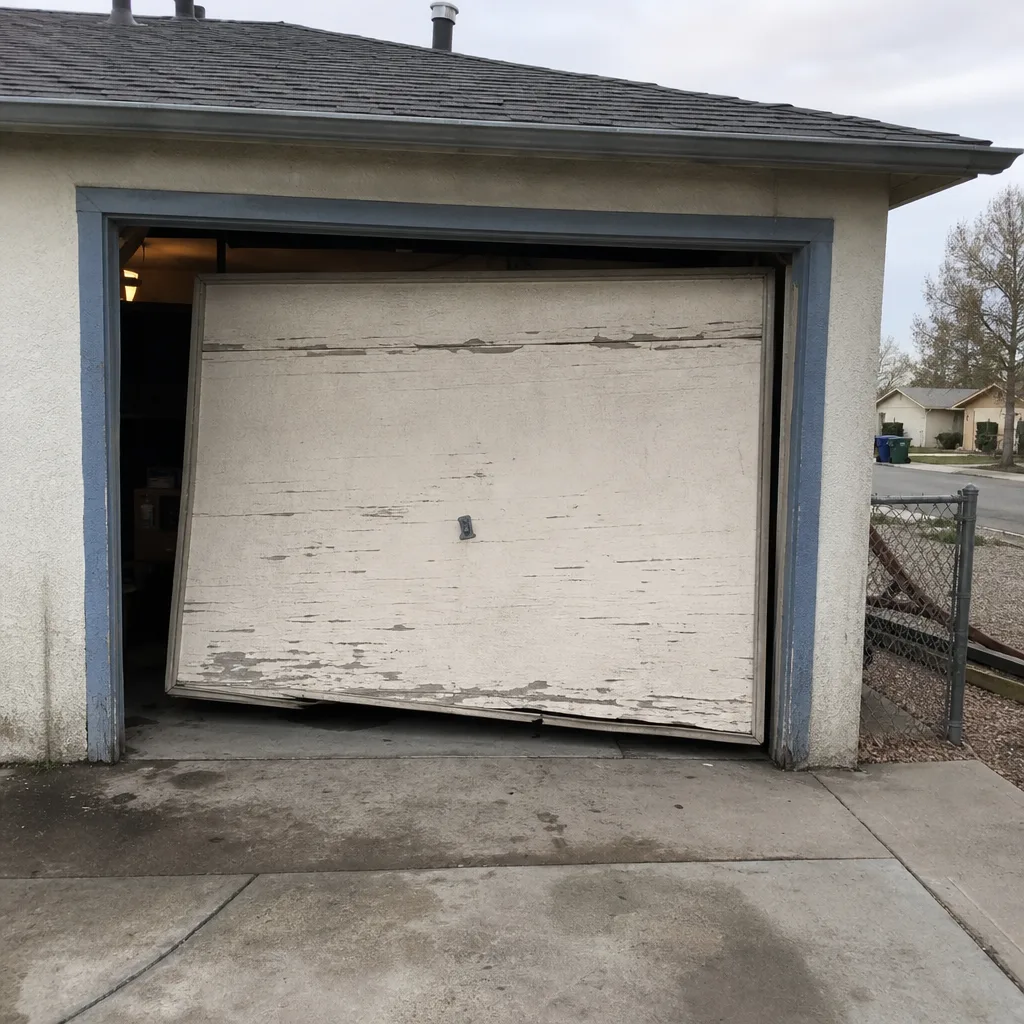 Before
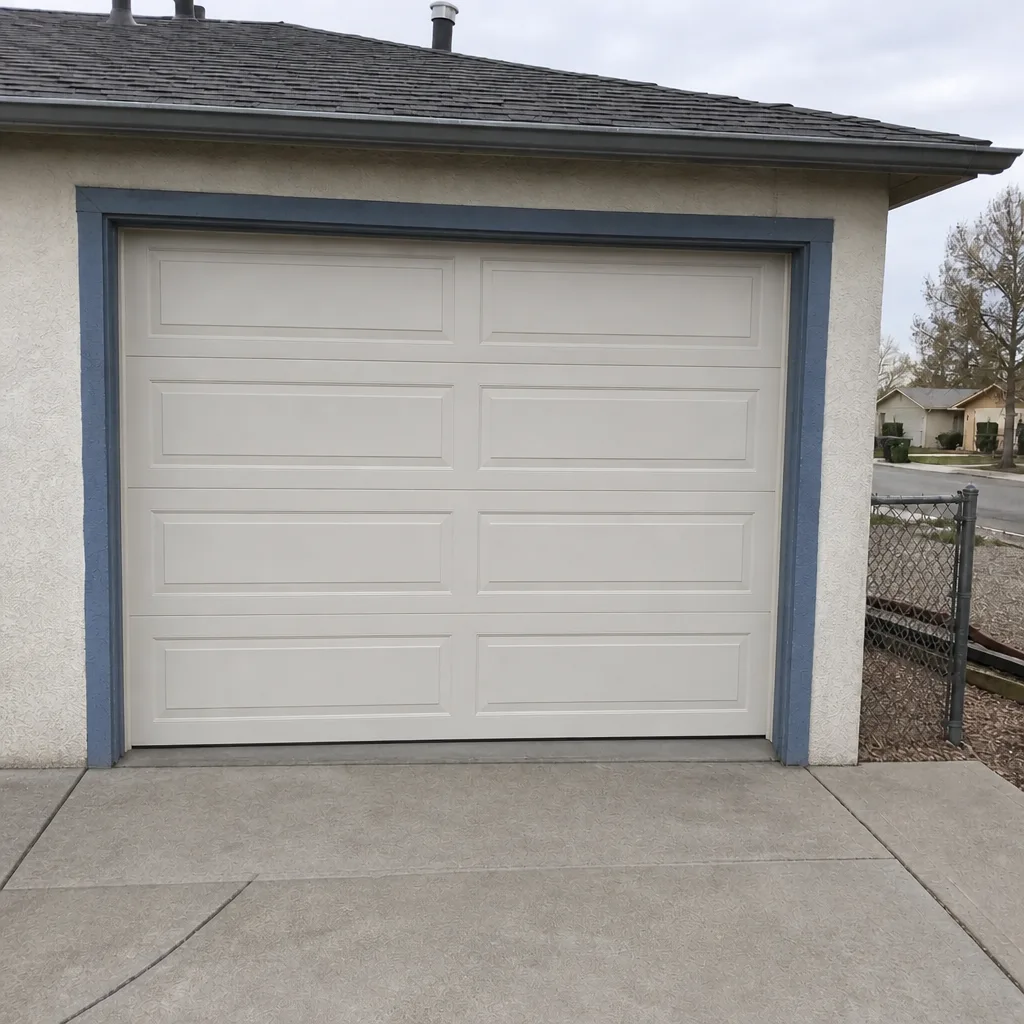 After
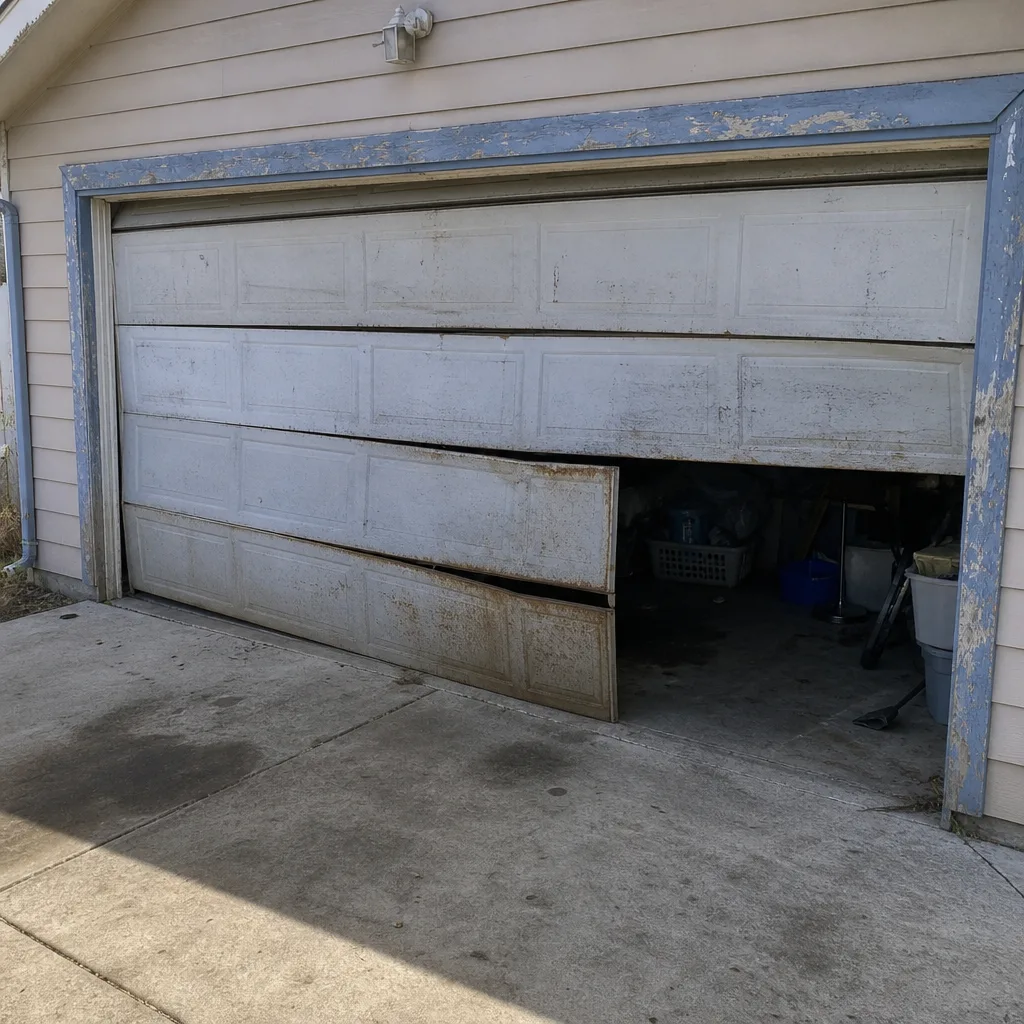 Before
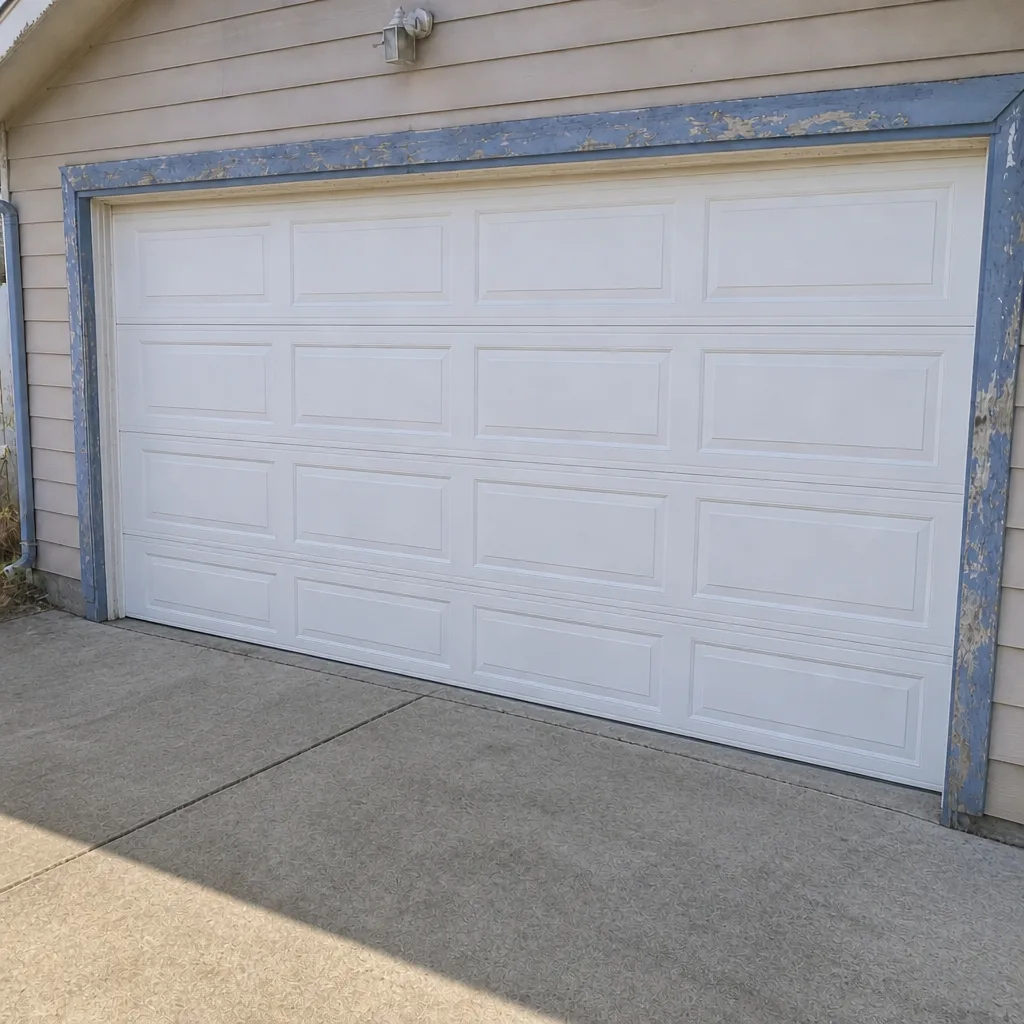 After
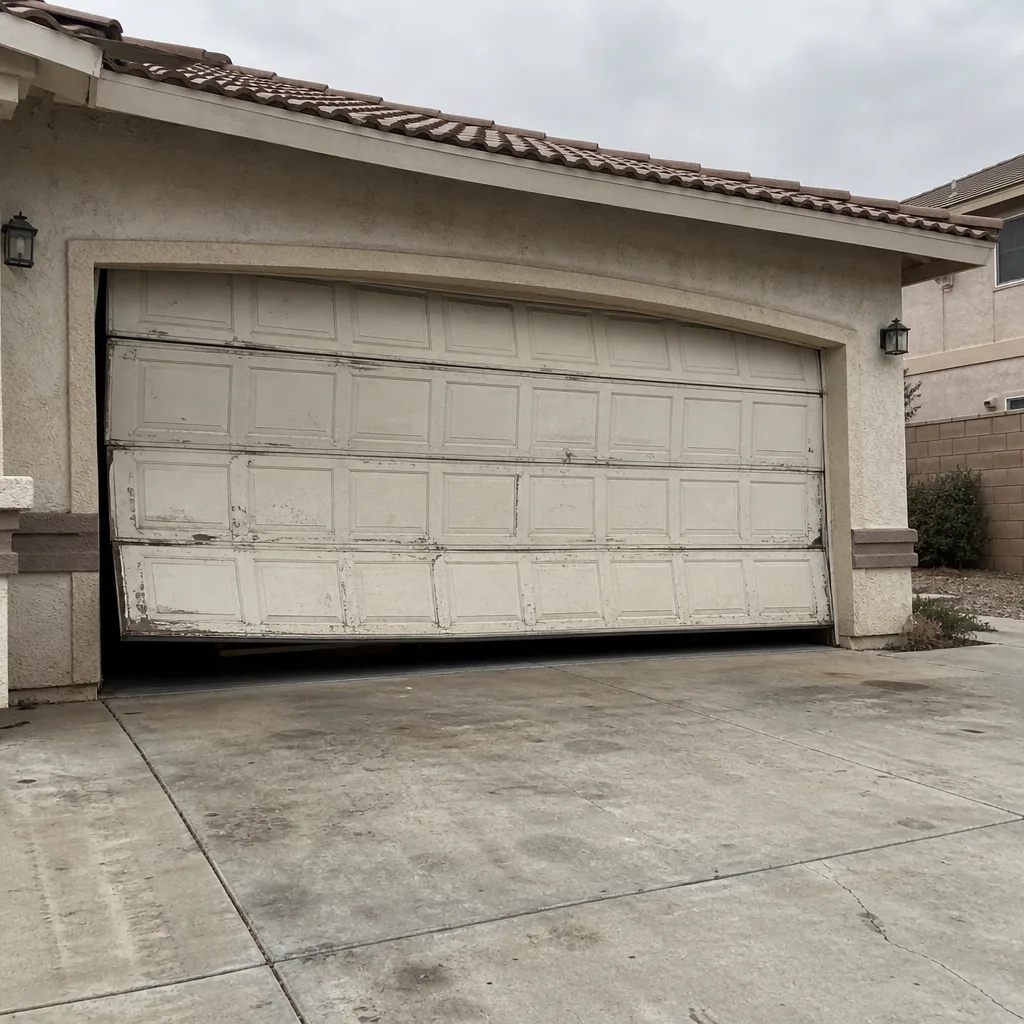 Before
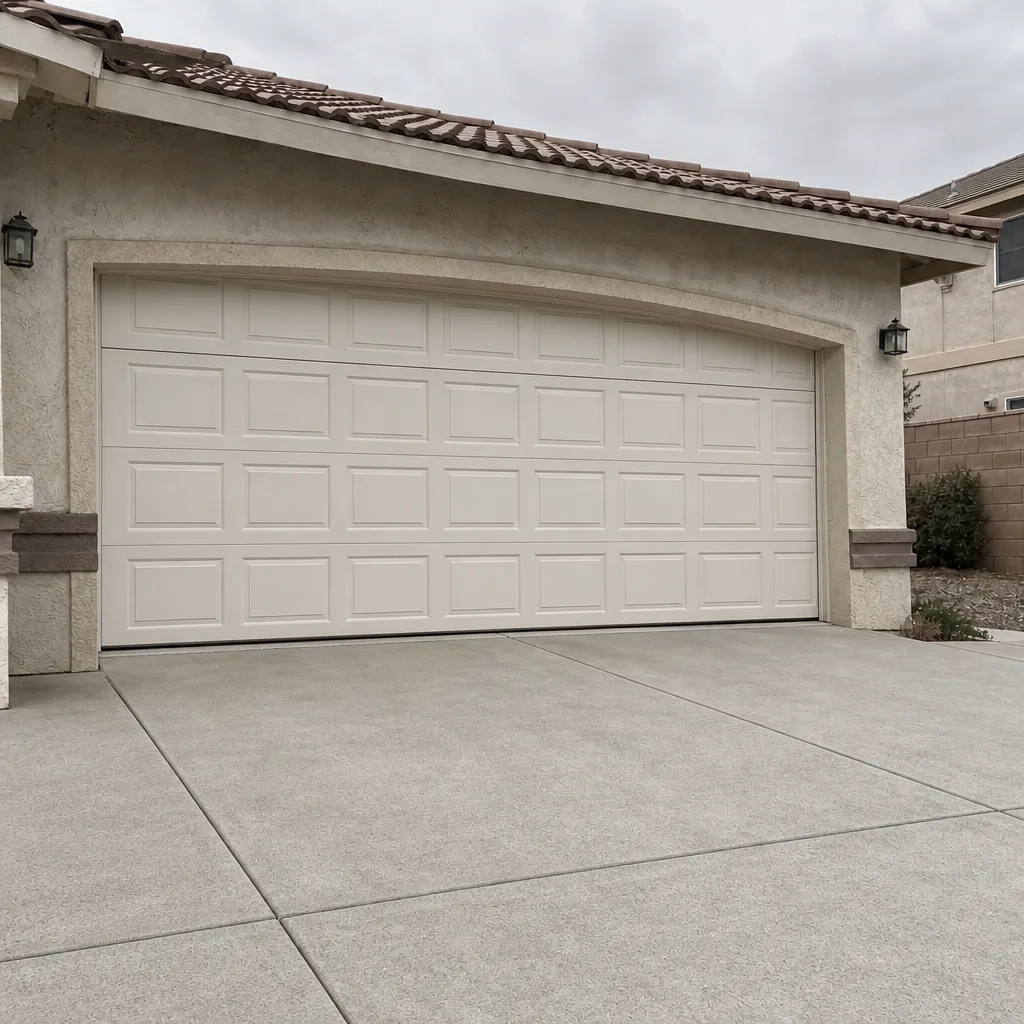 After
When to Call a Professional
Call a professional any time the door has failed with stored energy involved: a snapped spring, a hanging cable, a bent track, a door that’s come off the rail, or a door that feels heavy when you lift it. Call when the opener’s diagnostic code points to the control board, limit switch, or motor. Call when you’ve reset the breaker, cleaned the sensors, and re-engaged the trolley, and the door still won’t cycle. And call when you’re not sure – a phone conversation costs nothing, and a trained eye on a photo can often tell you in a minute whether the repair is a five-minute job or a same-day technician visit. Mainspring Garage Door Co. Winchester offers free estimates in Winchester – call (888) 326-0817 and a live person will pick up.
Frequently Asked Questions
Sometimes, yes. If the door won’t respond but looks intact, and the opener is silent, you can check the wall switch, the breaker, the GFCI outlet, and the photo-eye sensors yourself. If the door has failed with a bang, a hanging cable, a bent track, or a door that suddenly feels heavy to lift, do not attempt the repair. That’s a stop-and-call situation.
A click with no movement usually means the opener’s motor is trying to engage but the trolley has detached, the gear has stripped, or the door is mechanically bound. Walk to the door and try lifting it about a foot by hand with the opener off. If it moves easily, the opener is the problem. If it feels heavy, a spring has failed. Call (888) 326-0817 for an exact quote on either repair – estimates are free.
Lift the door by hand with the opener disengaged. If the door feels balanced and moves with a few pounds of effort, the spring is fine and the opener is the problem. If the door feels like dead weight and won’t lift without real effort, the spring has failed. You’ll often also see a visible gap in the spring coil above the door.
Yes, but only after you’ve secured it. Pull the red release cord, lower the door by hand until it’s fully closed, and engage the manual lock if your door has one. Don’t leave a Winchester door open overnight during summer – the heat, dust, and wind exposure will cause secondary problems, and the security exposure speaks for itself. If the door won’t lower smoothly, don’t force it. Call for same-day help.
Not with our written quote process. We state the flat price before any work begins and the price is agreed before a wrench comes out. If our diagnosis on the phone was incomplete and we find a different problem on arrival, we quote the corrected price before starting – you decide before we proceed. If we don’t do the work, you don’t pay. That’s how we’ve always done it.
Yes. Every technician is background-checked and uniformed, and our technicians have up to 10 years of experience. Every completed job is covered by our 90-Day Done Right Promise in writing – if the work isn’t right, we come back at no charge, no arguing. We’re factory-familiar with Chamberlain, Genie, Clopay, Amarr, and every other major brand we work on.
The Bottom Line
The emergency decision tree is simple: if the door failed with a bang, a snap, a hanging cable, or sudden weight, stop and call. If the door simply won’t move and everything looks intact, walk the power and sensor checks yourself first. Keep the opener’s diagnostic code in mind – it’s usually telling you exactly what’s wrong. And when you do call, have the model number, a photo of the door hardware, and the diagnostic blink pattern ready. That single habit is what makes the difference between one visit and three. In Winchester, we’re a phone call away when the door decides to pick the worst possible day to fail.
If you need help right now, call Mainspring Garage Door Co. at (888) 326-0817 for a free estimate. A live person answers around the clock, and the price is stated before any work begins.
Written by the team at Mainspring Garage Door Co. Winchester.