
Last updated November 18, 2026
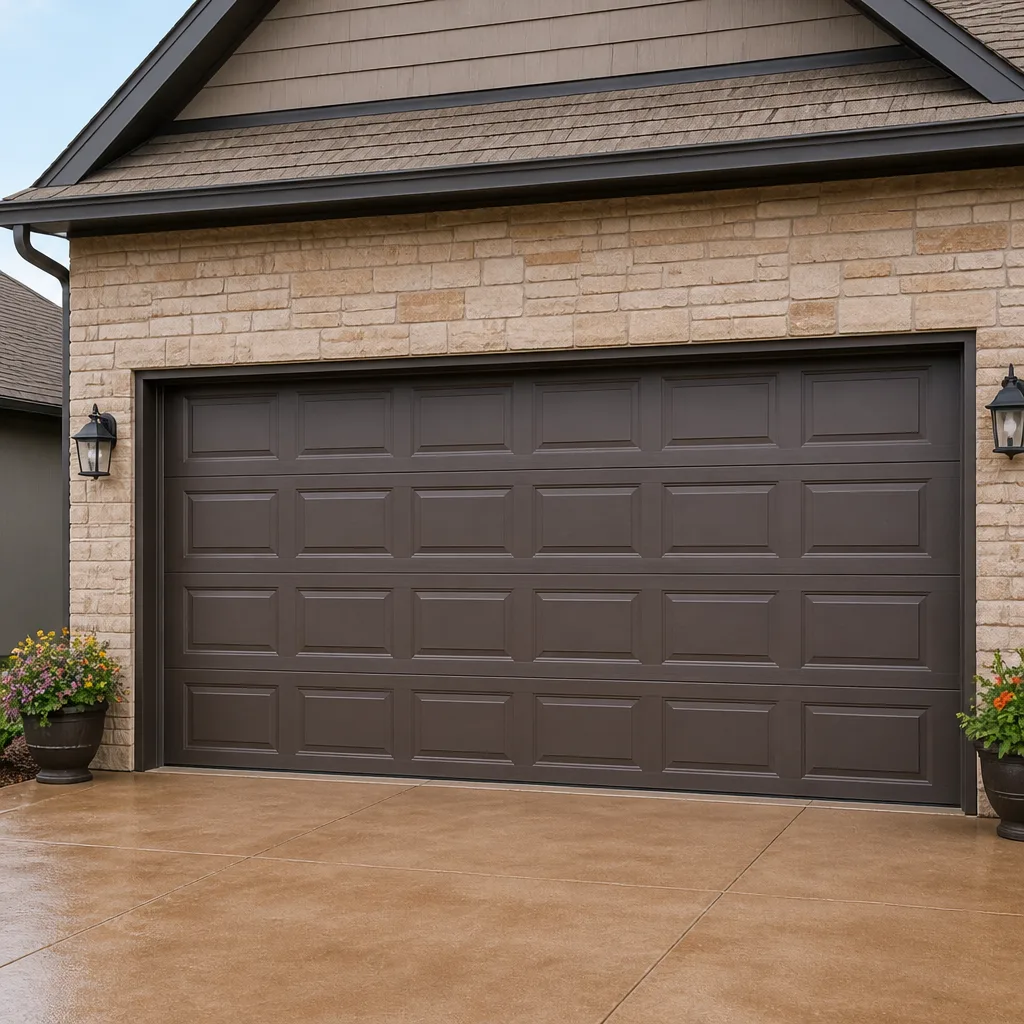 Raised-panel steel
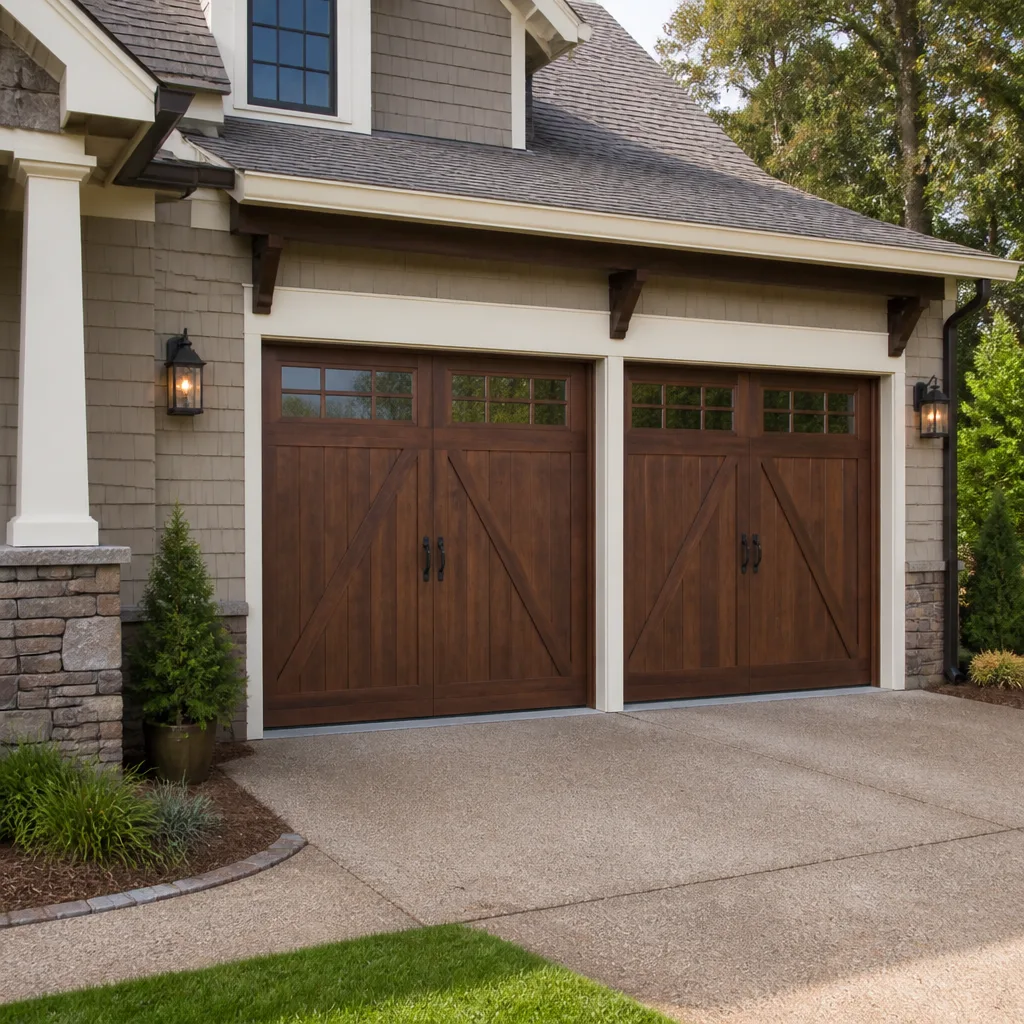 Carriage house
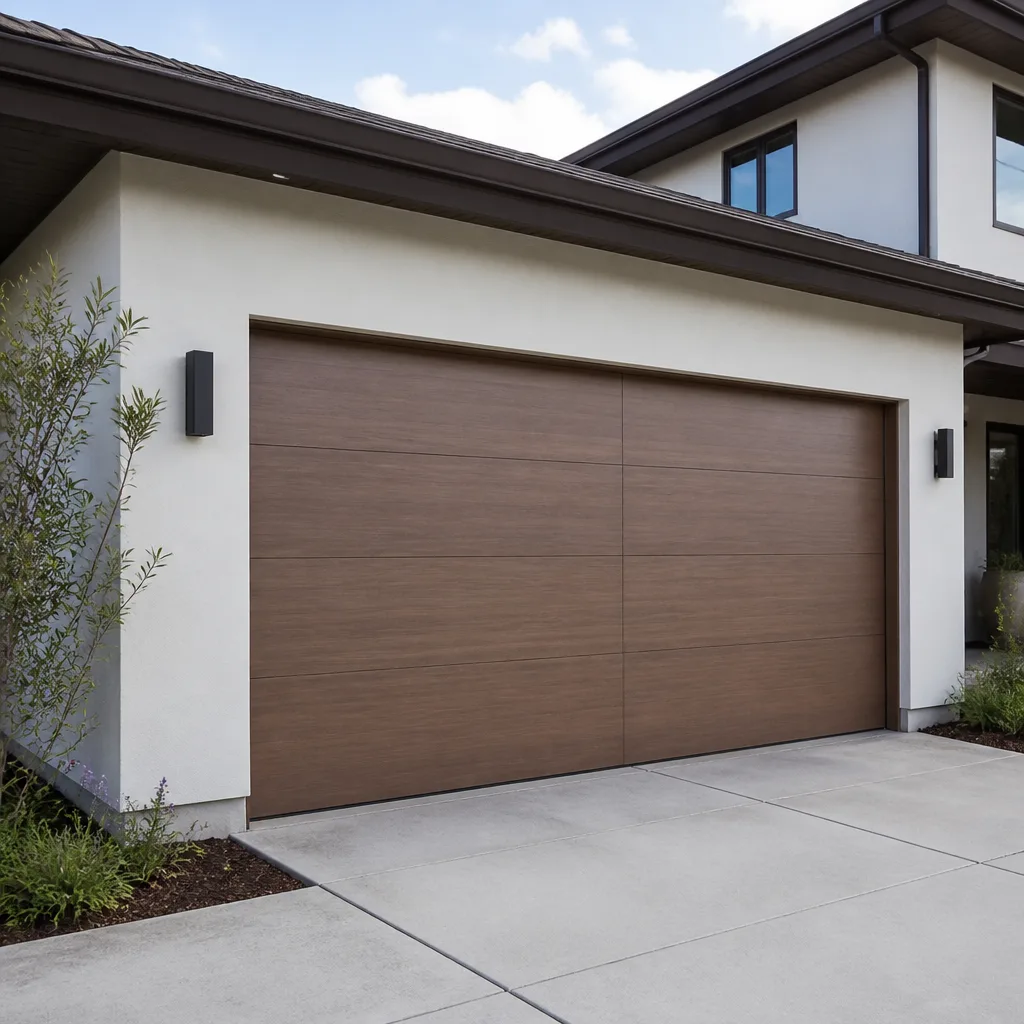 Modern flush
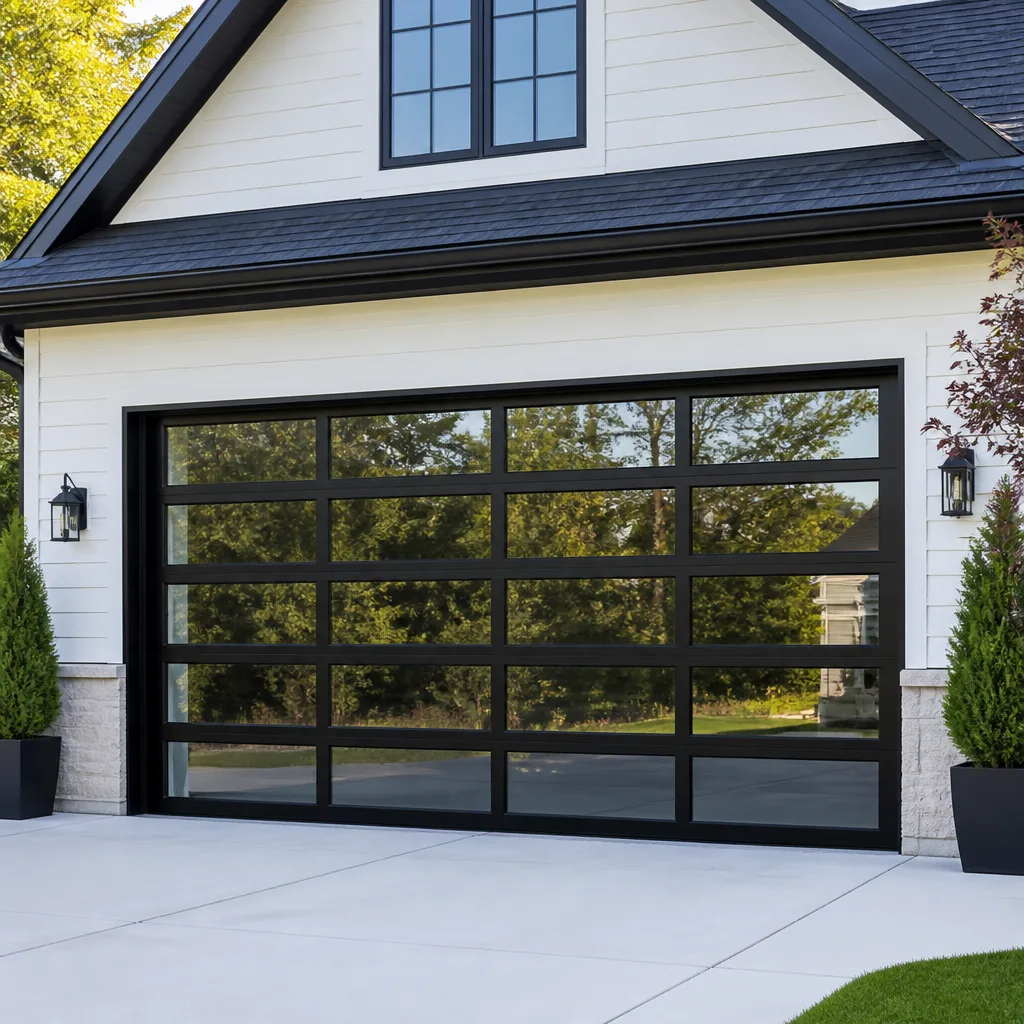 Full-view glass
 LiftMaster openers
 Chamberlain openers
Full 25-point door and opener safety check with every visit - springs, cables, rollers, tracks, and your LiftMaster or Chamberlain opener included
You get a price before we start. It does not change when the pro arrives.
Get your free estimateEmergency Garage Door Warning Signs Every Homeowner Should Know
A cable that is fraying but not broken will strand your car. Most likely it will not strand it today, and it will not strand it tomorrow, but it has already told you, in visible copper strands, exactly when it plans to give. This guide covers those warnings: the frayed wire, the rust bloom on a spring, the wobble in a roller, the door that “works but feels heavy.” Every one of those conditions is a preview. Knowing which signs mean call this week and which mean stop using the door today is the difference between a Tuesday repair and a Saturday morning with your car trapped inside the garage. We’ve been doing this work in Winchester since 1984, and we can tell you that the strongest predictor of a garage door emergency is a homeowner who saw a warning and waited. Here is what to look for.
Quick Answer
The most urgent warning signs are a frayed or snapped cable, a snapped spring, a door that will not stay up on its own, a bent track, and loud grinding or snapping sounds. These mean stop using the door and call for service today. Slower signs – rust on springs, wobbling rollers, worn bottom seal – mean schedule a repair this week. A 90-second visual and listening check once a week catches almost all of these before they become emergencies.
Styles & brands we work with
- Raised-panel steel
- Carriage house
- Modern flush
- Full-view glass
- LiftMaster openers
- Chamberlain openers
Table of Contents
- Why Most Garage Door Emergencies Start Weeks Before the Failure
- The Visual Warning Signs That Predict Failure Within Days
- The Sounds That Signal a 24-72 Hour Failure Window
- “It Works, But It Feels Heavy”: The Most Commonly Ignored Warning
- The 90-Second Weekly Check You Can Do Without Tools
- The Escalation Protocol: When to Schedule, When to Stop Using the Door
- Why Springs and Cables Are Not a Do-It-Yourself Job
- Winchester Context: What Our Local Conditions Do to Doors
Why Most Garage Door Emergencies Start Weeks Before the Failure
Garage doors are heavy, spring-driven machines, and the parts that fail almost never fail without announcing themselves. A torsion spring under load does not snap out of nowhere; it loses tension slowly, fatigues, and shows surface rust or uneven gaps between its coils first. A lift cable does not simply part; individual strands fray and pop against the drum, one at a time, before the whole thing lets go.
The problem is that none of this makes noise the homeowner recognizes. A door that opens every morning is a door that’s “fine.” So the sign goes unnoticed, the wear continues, and the eventual failure happens at the worst possible moment: on the way to a doctor’s appointment, at 6 in the morning, or on the first cold night when the metal contracts and the last bit of every part’s strength gives out at once.
In our experience in Winchester, the pattern is consistent. The vast majority of emergency calls we take are for conditions that were visible for a week or more. The homeowner simply did not know that a rust stripe on a spring, or a slight wobble in the door, meant “call now.”
The goal of this guide is to change that. If you can recognize the signs and know what each one means, you can move a Saturday morning emergency to a Tuesday afternoon service call, which is where every one of these belongs. For the repair options themselves, see our page on Garage Door Repair in Winchester.
The Visual Warning Signs That Predict Failure Within Days
Not every warning is visible from the driver’s seat. Some of the clearest ones require you to park the car, walk into the garage, and look up. Here is the list, in order of how soon we’d expect a failure if the condition is left alone.
- Frayed cable strands: A lift cable is made of many small steel strands wound together. Under load, one or two strands will break first, which appears as a small tuft of copper-colored wire sticking out of the cable, sometimes against the drum or at the bottom corner of the door. If you see even one broken strand, the cable is well into its fatigue life. In our experience, this one carries a 24-72 hour failure window more often than any other sign.
- Rust patterns on the spring: Torsion springs are oil-tempered steel. Surface rust alone is not an emergency, but a spring that shows deep pitting, a crack in the paint, or rust combined with uneven coil spacing is showing the fatigue that precedes a snap. A spring that has lost tension often shows a visible gap at the end coils where there wasn’t one before.
- Roller wobble: Stand at the side of the door and watch the rollers as the door starts up. A roller that visibly shakes, or a nylon wheel that has a flat spot, means the door is riding rough. Wobble puts stress on the hinges and the tracks. Often this is a few days’ warning, not hours, but it needs to be addressed.
- Bottom seal separation: The rubber seal at the bottom of the door is the part that contacts the floor. When it starts to peel away, the door is no longer closing evenly, and the gap lets in water, pests, and cold. In Winchester, a separated seal also lets in the fine desert dust that works its way into the garage and onto the tracks.
- Bent or bowed tracks: A track that has been bumped (often by a vehicle in a tight garage) is a serious warning, because the door will eventually jump the track entirely. A door that has jumped track is not safe to operate until it’s repaired.
If you see any of these, take a photo. We use photos to help diagnose over the phone, and they make it much easier to give you a straight estimate on the first visit.
The Sounds That Signal a 24-72 Hour Failure Window
Your ears catch things your eyes miss. Garage doors make a predictable range of sounds, and only a few of them are actually normal. Here is how to separate the background noise from the ones that mean something.
Normal sounds: A soft whoosh of the rollers moving on the track, the low hum of the opener motor, and a faint click when the door hits the floor or the fully open limit. That’s it. Everything else is worth investigating.
Sounds that indicate a slower problem (schedule a visit this week):
- A rhythmic squeak that matches the speed of the door. This is the classic dry-roller or dry-hinge sign.
- A rattle that appears only when the door is moving. Loose hinges or hardware.
- A single pop or bang when the door starts or stops. The opener chain or belt may be loose, or the spring may be winding unevenly.
Sounds that indicate a 24-72 hour window (call today, stop using the door):
- A sharp snap, then a much louder crash. That’s a spring giving way. The door will likely become immovable or fall rapidly.
- A twang of metal, then silence from the opener. The opener is trying to lift a door with no spring help, which overloads the motor and eventually burns it out.
- A crack like a gunshot. This is almost never anything other than a broken torsion spring.
- Any bang from inside the door panel itself. This can mean a hinge has torn loose and the door panel is about to fall.
If you hear a sound that stops as suddenly as it started, don’t assume the problem fixed itself. Springs and cables fail and stay failed. A door that won’t open is a sign, not a coincidence.
“It Works, But It Feels Heavy”: The Most Commonly Ignored Warning
This is the one we wish every homeowner knew. If the door still opens and closes but feels heavier than it used to, the spring system is losing its lift. That is a mechanical condition with a specific cause, and it is the single most common warning sign that gets ignored until something breaks.
Here’s how to test it, safely, without getting your hands near any moving part. With the door fully closed, pull the red emergency release handle to disconnect the opener. Then lift the door by hand. A properly balanced door should lift with one hand and stay in place when you let go at the halfway point. If you have to use two hands and some effort, or if the door drops back down when you let go at halfway, the spring tension is wrong.
A door that “works but feels heavy” means the opener is now working against gravity, not with it. The opener motor will run hotter, its belt or chain will wear faster, and the door’s full weight will transfer onto the opener’s gear assembly. Over time, the opener will fail. But the more immediate risk is what it tells you about the spring: it’s lost a portion of its tension, and it’s on its way to a full break. That is a 24-72 hour window at best.
Do the hand-lift test monthly. If the door fails it, schedule service this week. Don’t keep using the door with the opener engaged “just until it gets worse.” The opener is designed to move a balanced door, not carry it.
The 90-Second Weekly Check You Can Do Without Tools
You don’t need any special equipment to catch most of the warnings on this list. Here is the fastest check you can build into your routine. Do it once a week, at the same time – Sunday evening, before garbage night, works well for many of our Winchester customers.
- Walk into the garage and look up. Look at both springs above the door. Check for visible gaps, rust pitting, or uneven coil spacing.
- Look at the bottom corners of the door. Check the cables where they meet the bottom bracket. For even one frayed strand, stop here and schedule service.
- Look at the tracks. Run your eyes along both tracks. A track that is bent, bowed, or has debris built up is a warning.
- Look at the floor. Check the bottom seal. A gap of more than half an inch, or any separation from the door, is a warning sign, and in Winchester this means dust and cold air.
- Operate the door and listen. Note any new sound: a squeak, a rattle, a pop, a sharp snap. A door that runs quiet this week and doesn’t next week has a problem.
- Test the balance. With the opener disconnected, lift the door halfway. It should lift easily and stay in place.
- Check the door’s movement. Does it run straight and level, or does it drift to one side as it goes up? A door that walks or drifts is out of balance and needs adjustment.
The whole check takes about ninety seconds, and it doesn’t require tools. Write down what you see. If you have a question about anything you find, call us and describe it. We’ll tell you straight whether it’s a this-week item or a today item.
The Escalation Protocol: When to Schedule, When to Stop Using the Door
This is the protocol we use in our own work, and it is the one homeowners should use too. Every warning sign on this page belongs in one of two categories.
Category 1: Schedule a repair this week. These are signs of wear and degradation that will lead to a failure if left alone, but are unlikely to cause an injury today.
- Rust on the spring stock (no broken wires, no visible crack)
- Rhythmic squeaks or rattles during travel
- Roller wobble
- A peeled or cracked bottom seal
- A door that drifts slightly to one side when it moves
- A door that fails the hand-balance test but stays put when you let go
Category 2: Do not use the door. Call today. These are active failures or immediate mechanical hazards.
- A snapped spring or any cable with a broken strand
- A door that will not stay up, drops, or slams down
- A bent or bowed track, or a door that has jumped the track
- A loud snap, bang, or crash from the door
- An opener that pulls hard and struggles – the door may be ready to fail under it
- Any visible break in the door panel or a hinge that has torn loose
If you’re not sure which category you’re in, call and describe what you see. A live person will answer, any hour. That’s the standard for our shop. It takes about a minute to figure out which bucket you’re in, and it’s better than waiting until the door strands the car.
Why Springs and Cables Are Not a Do-It-Yourself Job
We want to be direct about this, because a frayed cable and a tired spring look like hardware you could fix with a wrench and a YouTube video. They are not.
A torsion spring on a standard two-car door is under hundreds of pounds of stored tension when the door is closed. When that spring is released improperly – or when a cable snaps under load – the parts can move with enough force to break bones or worse. It is one of the most common serious-shop injuries in our trade, and it happens to people who thought they understood what they were doing.
We ask homeowners to do two things. First, do the observation checks in this guide – visual and listening checks catch the warning signs safely. Second, do not attempt to adjust, replace, or cut a spring or cable. That work belongs with a trained technician who has the right tools and the right procedures. Our technicians have up to 10 years of experience, and we still take the time to secure the door properly on every spring job.
If your installer or opener is the problem rather than the spring, our pages on Garage Door Installation in Winchester and Garage Door Opener in Winchester cover that work separately. If you need a diagnosis today, our Mainspring Garage Door Co. Winchester home page has the fast path to call.
Winchester Context: What Our Local Conditions Do to Doors
Not every garage door warning sign means the same thing in Winchester. Our climate does something specific to doors, and knowing that helps you understand what you’re looking at.
Winchester is a desert climate with hot summers, cool winters, and very low humidity for most of the year. That combination is hard on a door. The wood-composite and steel doors on many homes here cycle through significant thermal expansion and contraction every day in summer, which slowly works the hinges and hardware loose. That’s why the rhythmic rattle and roller wobble show up earlier here than in humid climates. We see that constantly, and we mention it because it’s a warning that gets misread as normal.
The dry air also pulls moisture out of the bottom seal rubber, which causes the cracking and separation we described above. A seal that looks fine every other year can look fine for two years and then crack through. If your home has an older door and its original seal, check it monthly rather than weekly.
The spring story is different. In our experience, torsion springs in Winchester tend to fail on the first cold night of the year, when the steel contracts and the fatigued spring loses the last bit of tension. That’s why we tell Winchester homeowners to do the balance test in late fall, not just in summer. The window before the cold snap is the time to catch a tired spring. It’s also why we keep springs on the truck – when that cold snap hits, most jobs are completed in a single visit. If you live in the older parts of town or in the surrounding neighborhoods, our Winchester repair page covers what to expect.
We also see the seasonal pattern in service calls. If you are still deciding whether a warning is real, ask us. We keep our standards in writing: the flat price is stated before any work begins, and every completed job is covered by our 90-Day Done Right Promise – if the work isn’t right, we come back and make it right, no arguing. That’s a square deal, and it means you never have to think about your garage door again.
Common Mistakes to Avoid
- Waiting for the door to fail completely. A frayed cable or a rusty spring has told you it will fail. Waiting until it does almost always means a bigger bill and a stranded car. We see this constantly. It is the single most common mistake we correct.
- Testing balance or tension without disconnecting the opener. If you check the door’s balance with the opener engaged, you are not testing the door’s balance, you are testing the opener. Always pull the release first. And never put your hand near a spring or cable while the door is under tension.
- Treating “works but feels heavy” as normal aging. It’s not aging, it’s spring fatigue, and it gets worse. The door will not fix itself and the opener will not work forever against gravity.
- Greasing or oiling a spring that shows cracks or visible gaps. Lubricant won’t fix a fatigued spring. It may hide the warning, and that is worse than seeing it.
- Ignoring a door that has jumped the track or drifted to one side. In Winchester, this often means using the door anyway and adding to the damage. A drifted door needs adjustment, not patience.
- Lubricating the tracks. Tracks are deliberately dry so the rollers roll rather than slide. Oiling them attracts dust and makes the door harder to operate.
- Calling a specialist only after the opener fails. An opener that fails because it was fighting a heavy door may still be under warranty, but the door still needs a spring. Diagnose the door first, then the opener.
See the difference
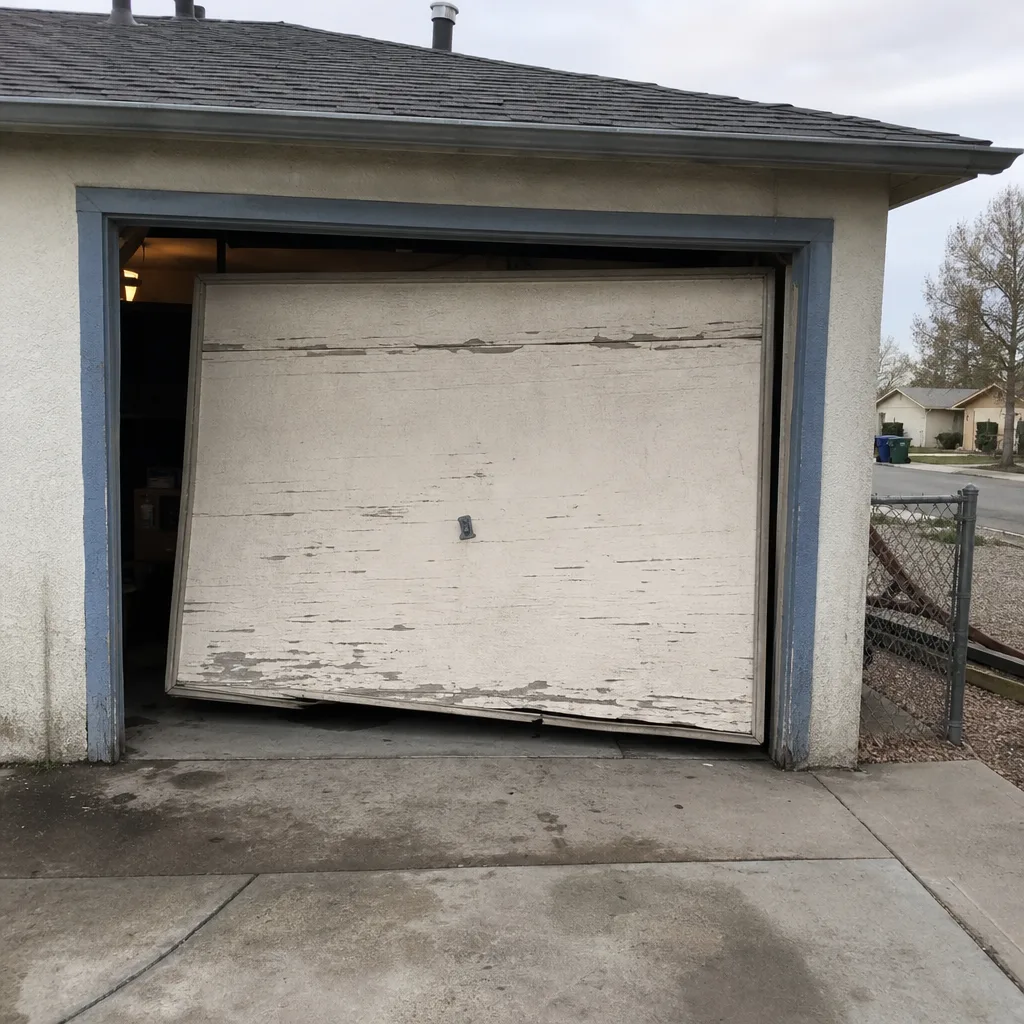 Before
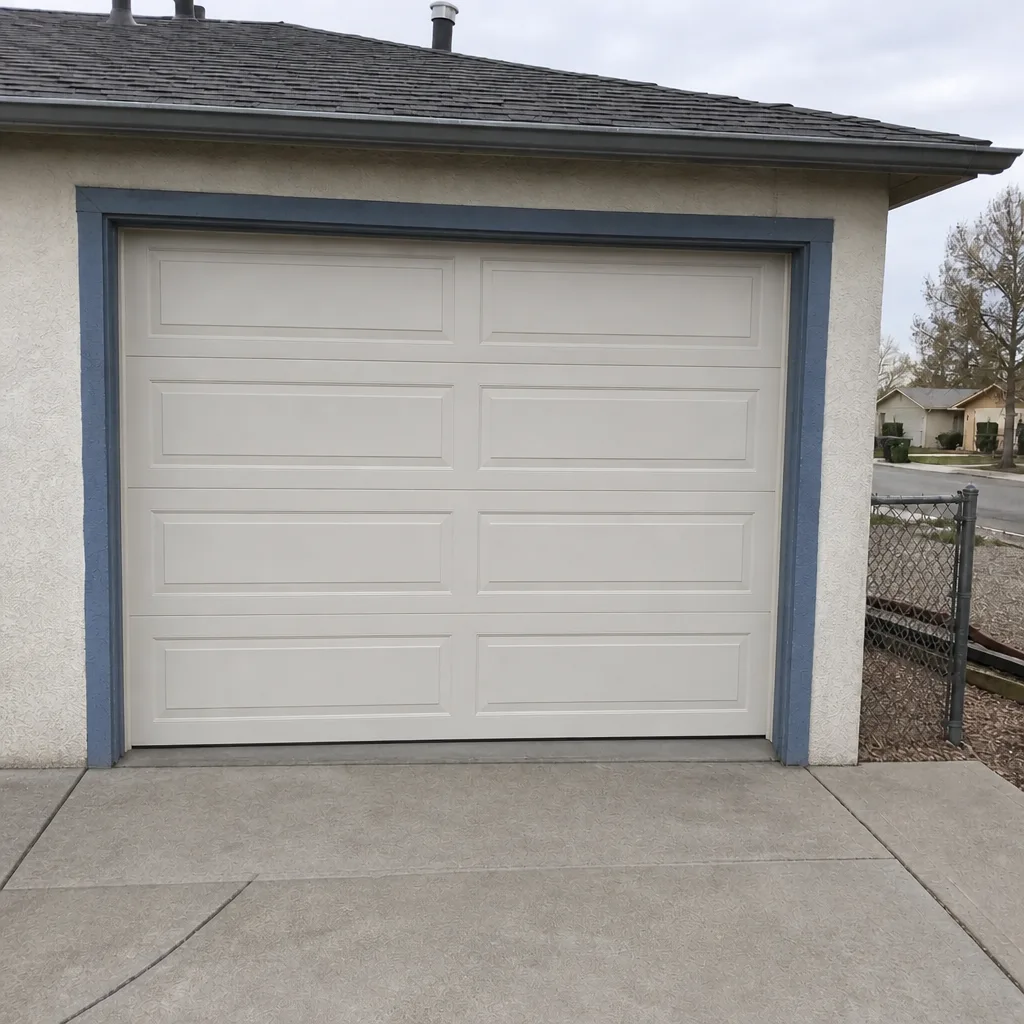 After
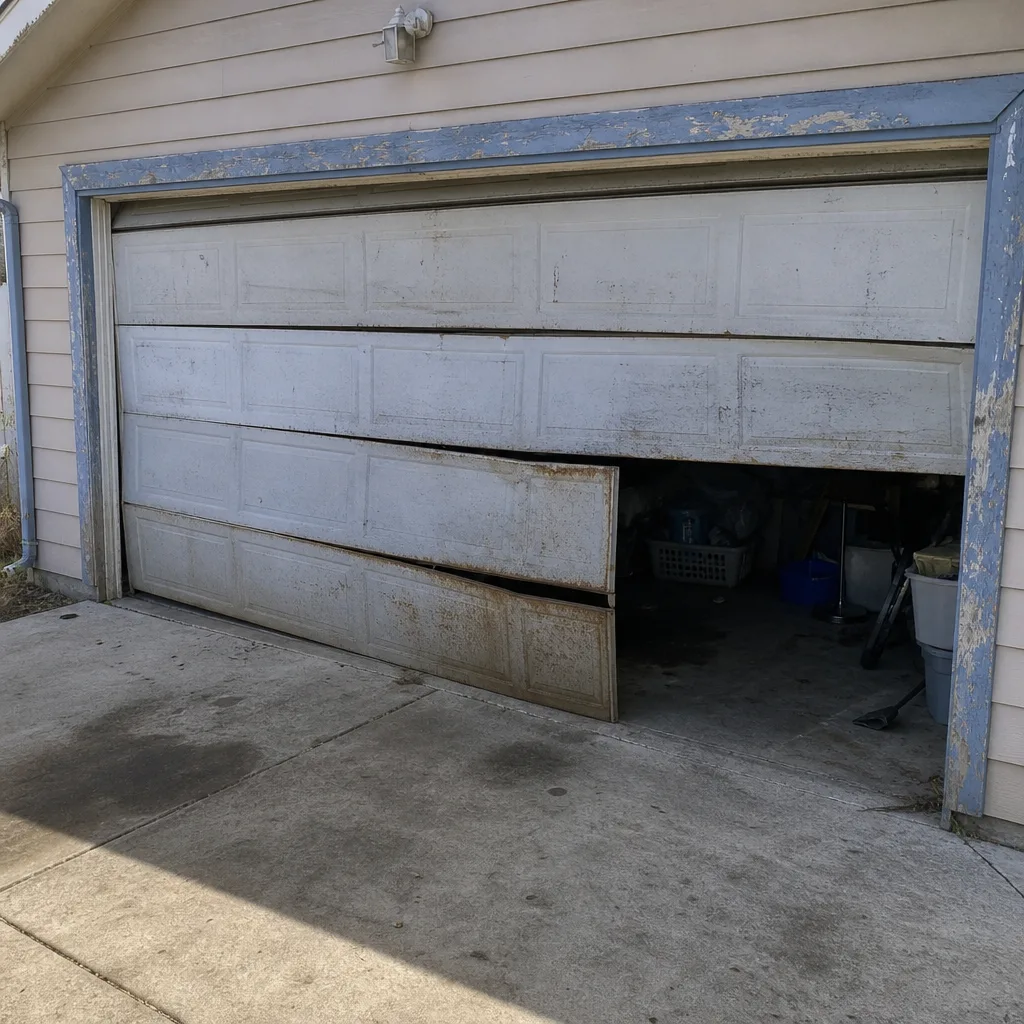 Before
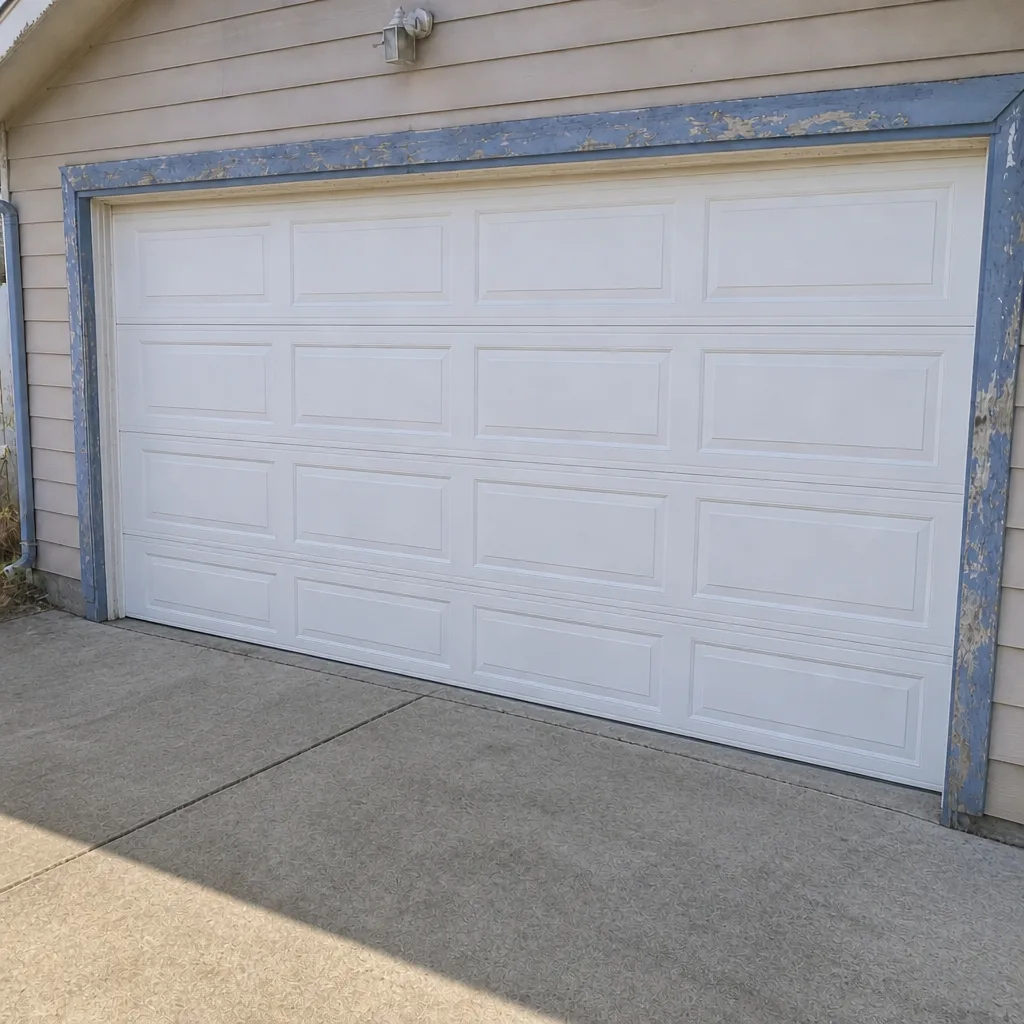 After
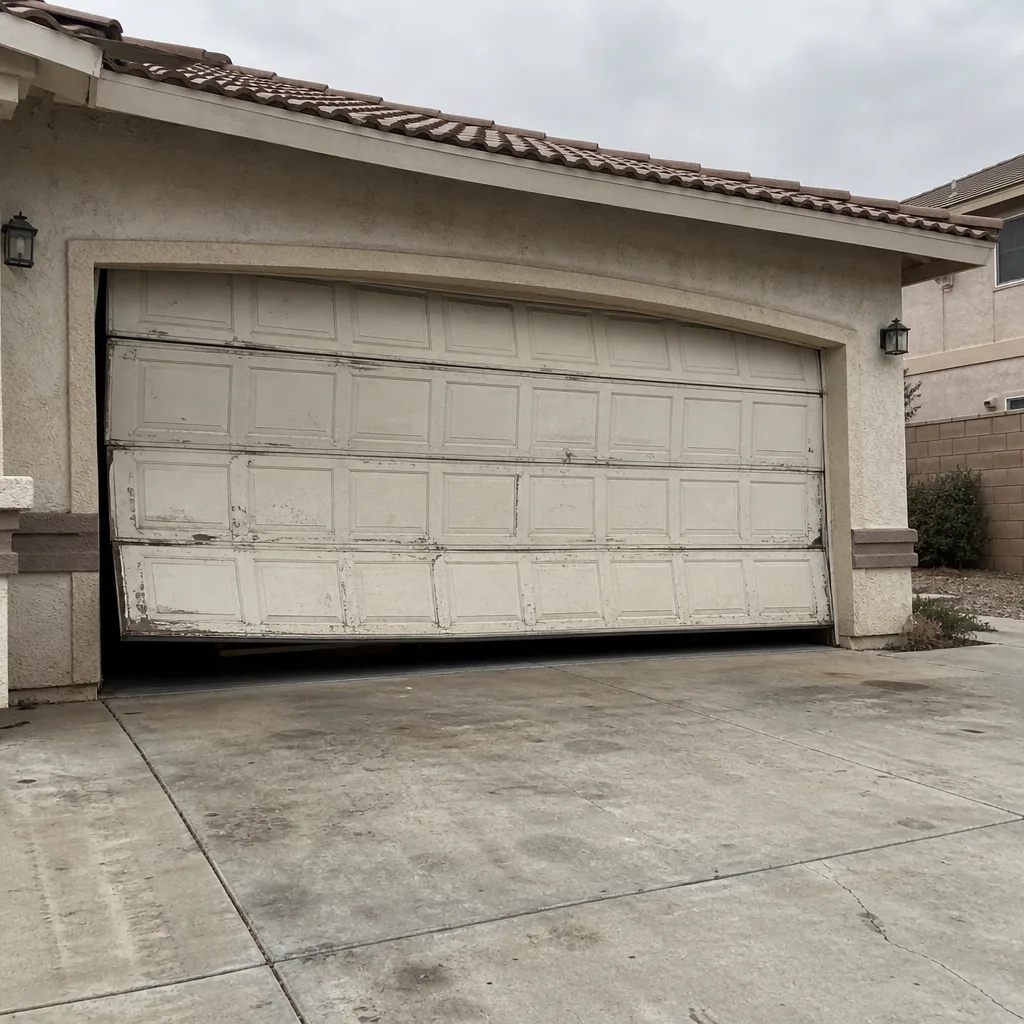 Before
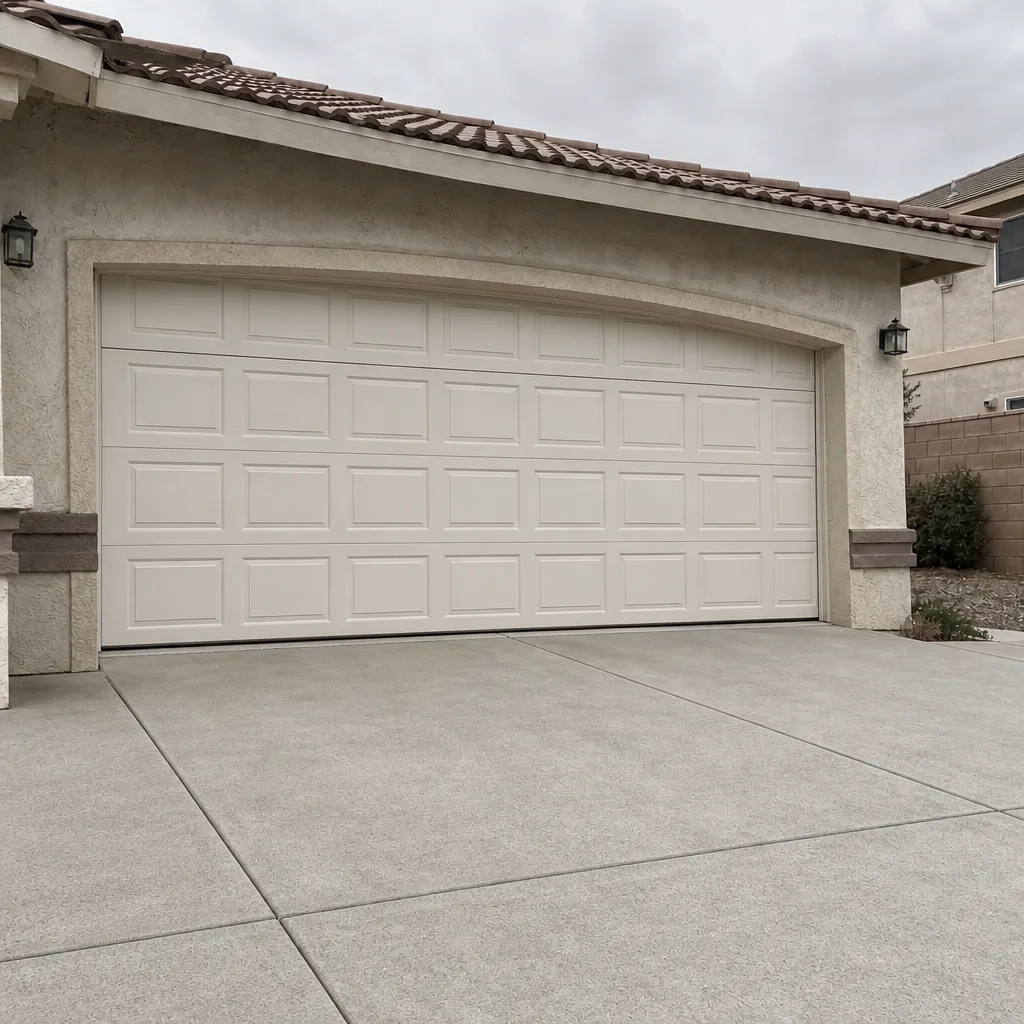 After
When to Call a Professional
Call today if you see a frayed cable, a snapped or clearly fatigued spring, a door that will not stay up, a bent track, a loud crash or snap, or a door that has jumped the track. These are Category 2 conditions, and using the door in this state risks injury and puts more parts at risk. Call this week if you have a wobbling roller, a separated bottom seal, a rhythmic squeak, or a door that fails the balance test but stays put. If you can’t decide, call and describe what you see. A live person answers every call, 24/7, and we’ll tell you which bucket you’re in. Mainspring Garage Door Co. Winchester provides free estimates in Winchester and across the surrounding area. Call (888) 326-0817 to set one up.
Frequently Asked Questions
The first signs are usually a frayed cable, visible rust pitting or uneven coil spacing on the springs, wobbling rollers, and a door that has become noticeably heavier to lift. Loud grinding, snapping, or popping sounds are later-stage signs that indicate a failure within days. Any single one of these means the door needs a technician before it’s used again.
Cables typically last several years, but their life depends on use and on the door’s spring condition. A cable with even one broken strand is already failing and should be replaced before the door is used. Don’t wait for a cable to break completely – that is the emergency we’re trying to prevent.
A door that feels heavy is telling you its spring tension is low, so the opener is now lifting the door’s full weight against gravity. That condition is a warning sign and it gets worse. Do the hand-balance test with the opener disconnected, and if the door doesn’t stay at halfway, schedule service this week.
No. Cables and springs are under high tension and can cause serious injury if released improperly. Observation is safe; replacing or adjusting a cable is not a do-it-yourself job. Call a trained technician.
Look for rust pitting, a visible crack in the spring’s finish, uneven gaps between coils, and a door that fails the hand-balance test. Springs rarely snap without warning. If you see these signs, stop using the door and call us today.
Yes. We provide 24/7 emergency response for Winchester homeowners, and a live person answers every call. Call (888) 326-0817. If you’re not sure whether it’s an emergency, call and describe the door – we’ll tell you exactly what to do.
The Bottom Line
Every emergency we see in Winchester was preceded by a sign the homeowner could have read: a frayed strand, a rust bloom, a wobble in a roller, a door that got heavier. The 90-second weekly check and the hand-balance test catch almost all of them. Category 1 signs mean schedule this week; Category 2 signs mean stop using the door and call today. Springs and cables are not a do-it-yourself job, no matter how clear the warning looks. If you’re not sure which category you’re in, call and describe it. A live person answers. We’ll give you a straight answer and a flat price before any work begins, and we’ll be there when we say we will.
Call Mainspring Garage Door Co. Winchester at (888) 326-0817 for a free estimate. We service all major brands – LiftMaster, Chamberlain, Genie, Clopay, Amarr, Wayne Dalton, Craftsman, and Raynor – and most jobs are finished in one visit. Ask about our $50 off any repair over $250, $89 seasonal tune-up, free second opinion on any written estimate, and our permanent 5% discount for seniors and veterans.
Written by the team at Mainspring Garage Door Co. Winchester.