
Last updated November 18, 2026
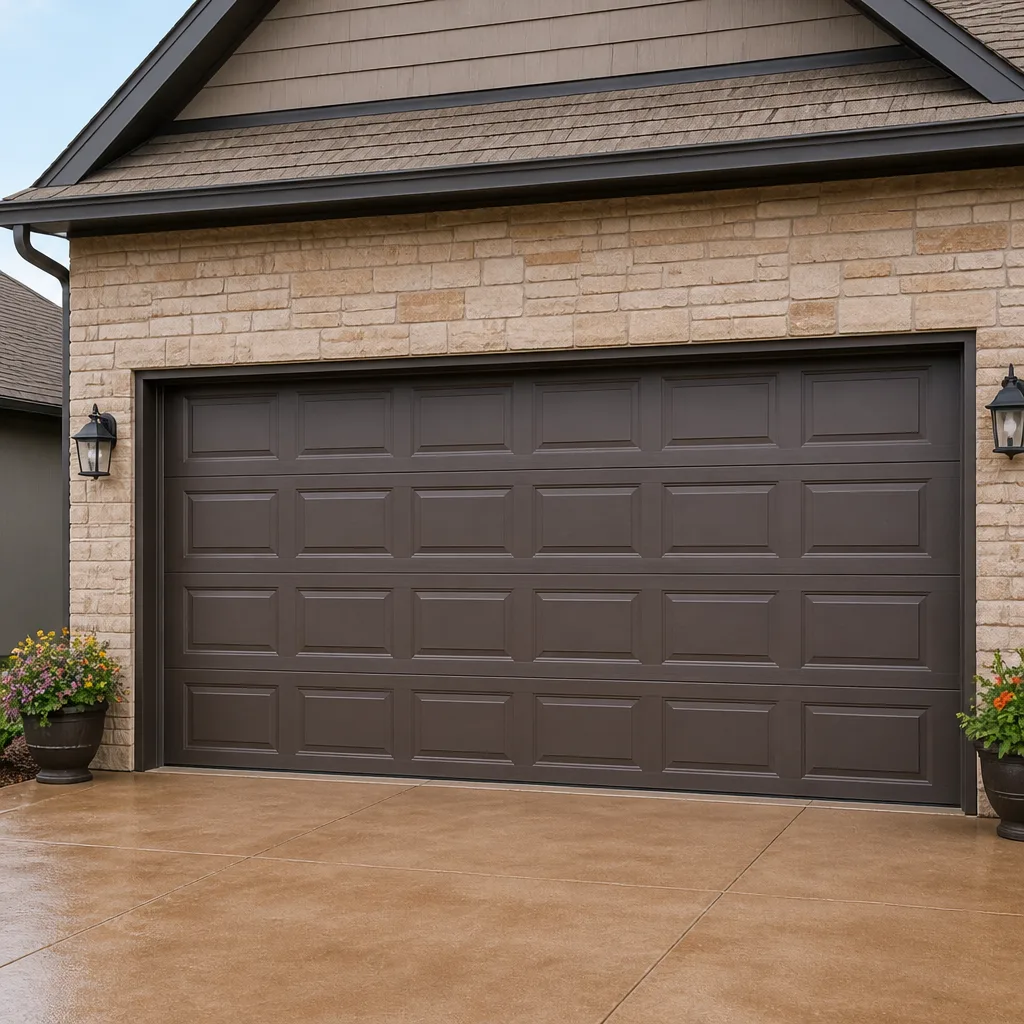 Raised-panel steel
 Carriage house
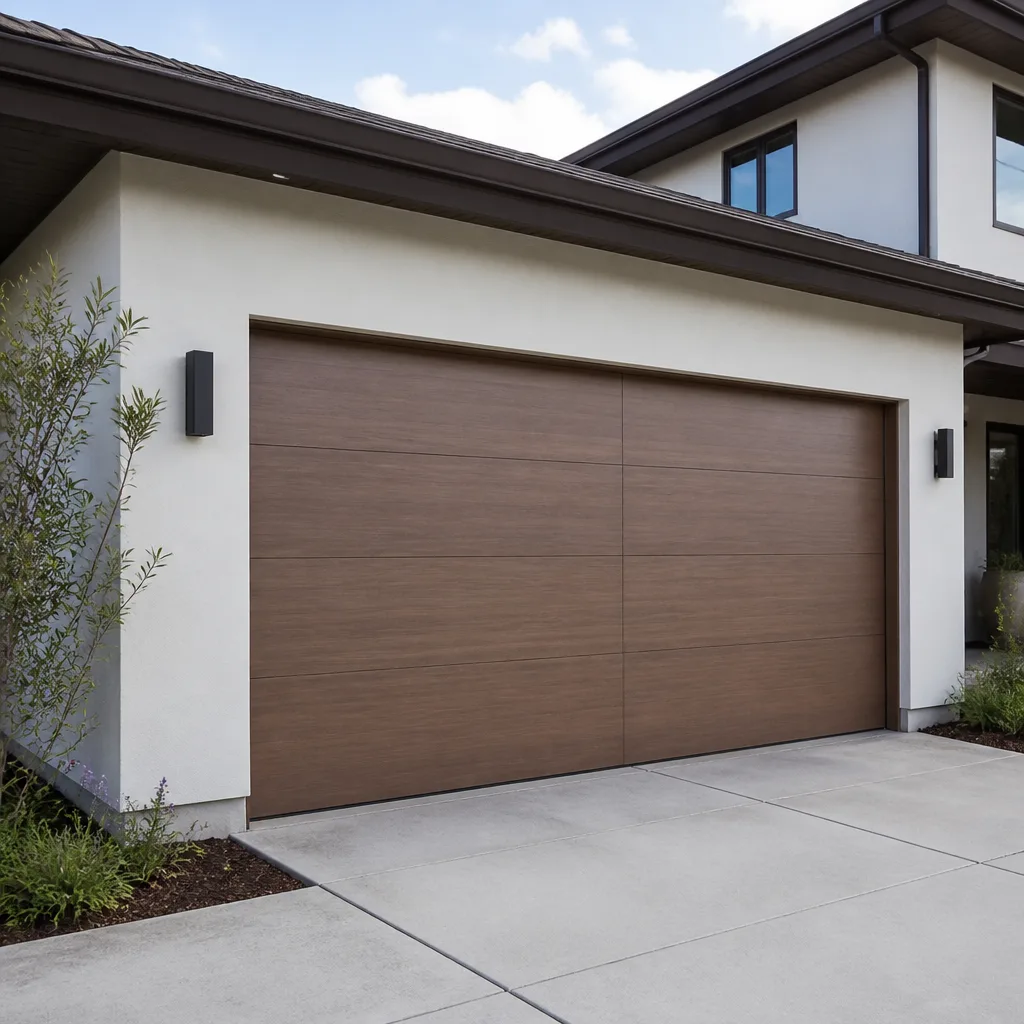 Modern flush
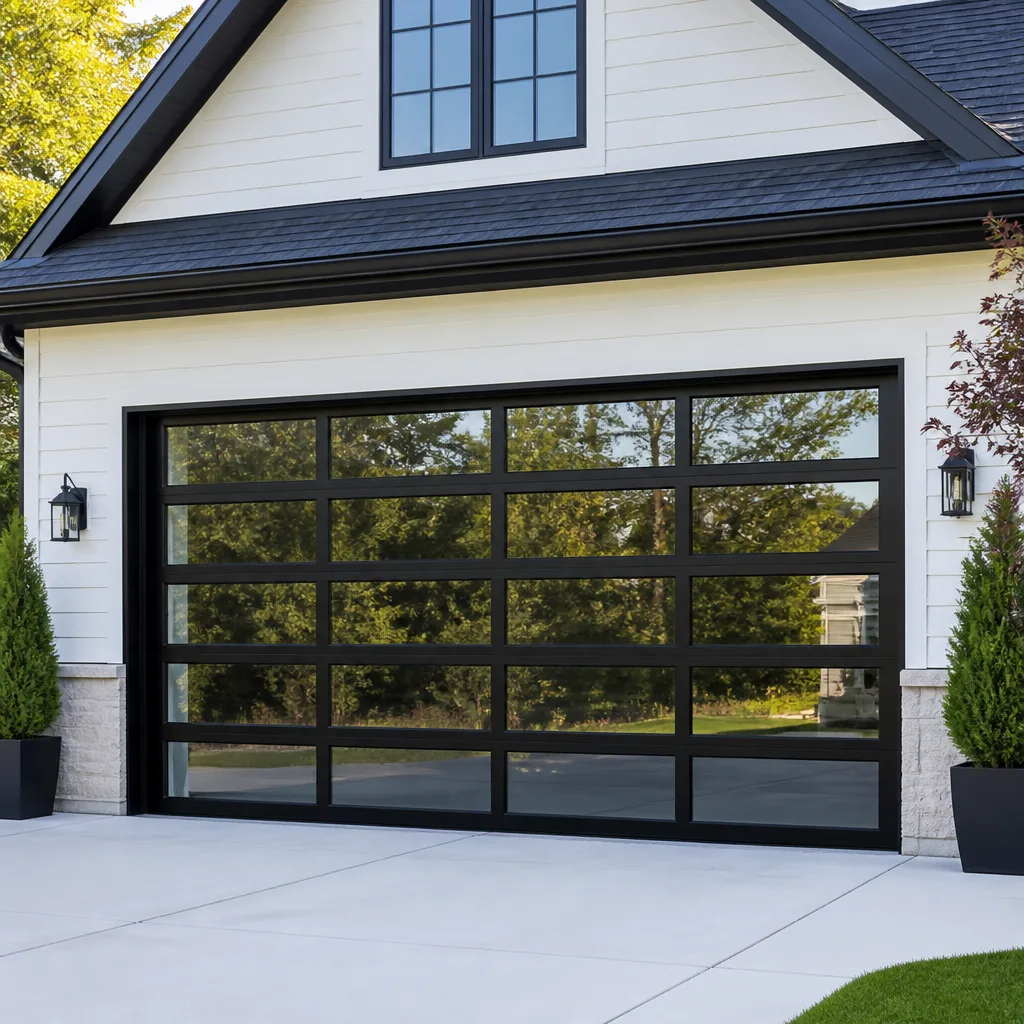 Full-view glass
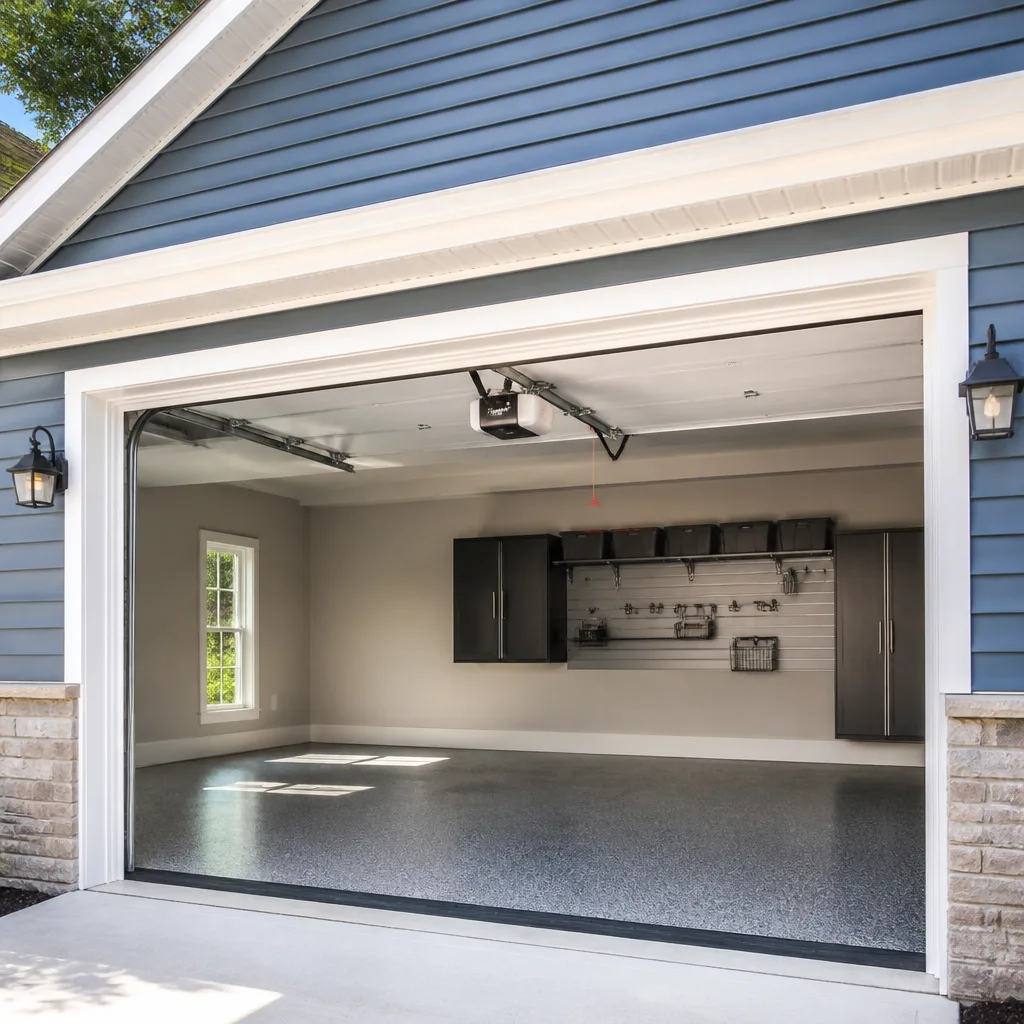 LiftMaster openers
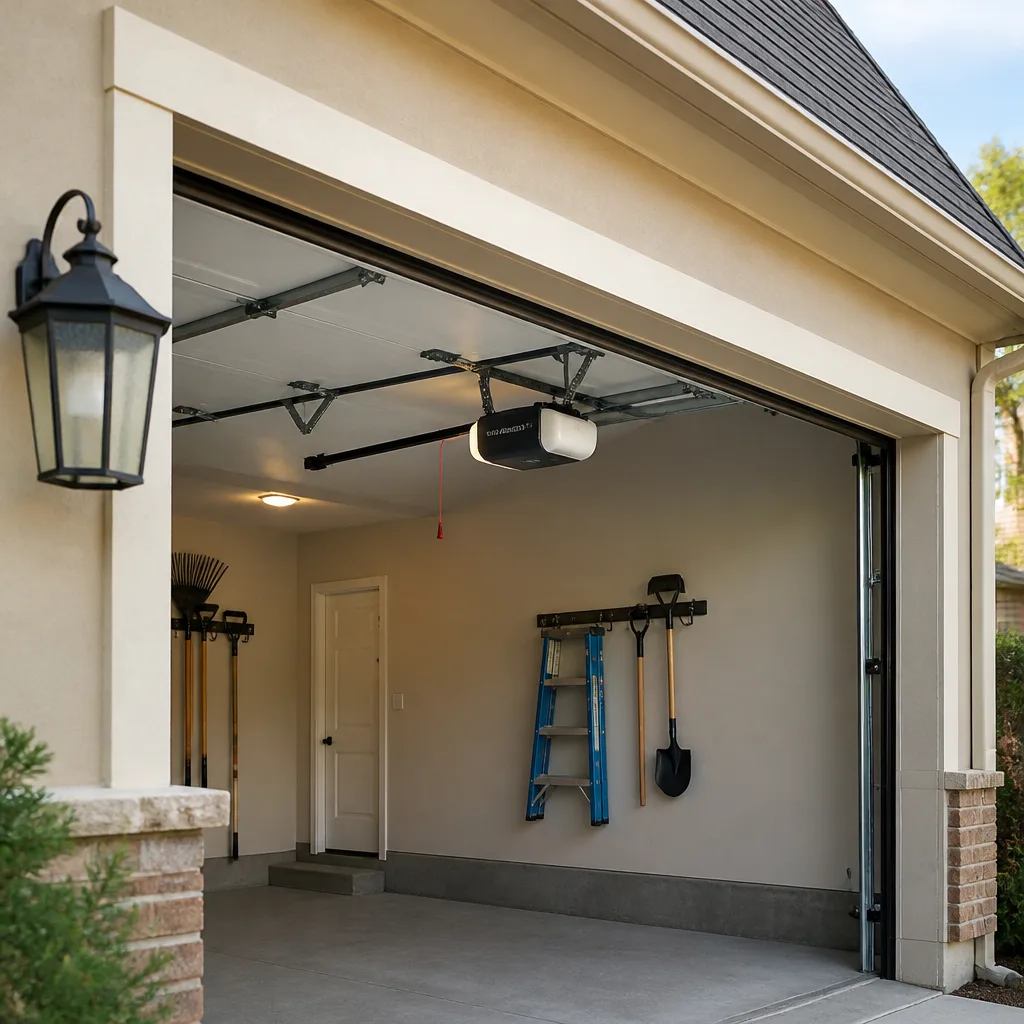 Chamberlain openers
Full 25-point door and opener safety check with every visit - springs, cables, rollers, tracks, and your LiftMaster or Chamberlain opener included
You get a price before we start. It does not change when the pro arrives.
Get your free estimateEmergency Garage Door Maintenance Schedule: What to Do and When
Here is the number that should change how you think about your garage door: in our experience across Winchester, torsion spring failures spike in January and July. Those are the two months when thermal expansion and contraction from the valley’s temperature swings put the most stress on metal at its fatigue limit. A door that ran quietly all fall can snap a spring on the coldest morning of the year. The good news is that this is predictable, and predictable problems can be prevented. This guide lays out a maintenance calendar built around Winchester’s actual seasons, the 15-minute quarterly habit that catches most developing failures, and the parts you should replace by age even when they still look fine.
Quick Answer
Most emergency garage door failures are caused by predictable neglect, not bad luck. A workable schedule is one quarterly 15-minute walk-around, a deeper pre-winter inspection in October, a pre-summer check in May, and one professional tune-up a year to handle the parts and adjustments you can’t safely touch yourself. Build the calendar right and you remove most after-hours calls before they happen.
Styles & brands we work with
- Raised-panel steel
- Carriage house
- Modern flush
- Full-view glass
- LiftMaster openers
- Chamberlain openers
Table of Contents
- Why Emergency Failures Cluster Around Two Seasons
- The 15-Minute Quarterly Walk-Around
- The Pre-Winter Inspection Checklist (October)
- The Pre-Summer Inspection Checklist (May)
- The Parts-Replacement Horizon Schedule
- What a Professional Annual Tune-Up Covers
- Common Mistakes to Avoid
- When to Call a Professional
Why Emergency Failures Cluster Around Winchester’s Seasonal Extremes
Metal fatigue does not spread evenly across a year. It accumulates in bursts tied to temperature. Here in Winchester, summer afternoons push past 100°F and winter nights drop into the twenties and below. That swing is what stresses a torsion spring. The spring carries the door’s full weight, and every expansion and contraction cycle works the steel a little closer to its break point. The cycles that matter most land at the start and end of each extreme season.
We see the pattern every year. The calls that come in during the first cold snap of January are almost always doors that went through October and November without anyone looking at them. The same happens in July after the first sustained heat wave. The failure feels sudden to the homeowner. It isn’t. The spring was headed there for months, and one inspection in the fall or spring is often the only thing standing between a quiet door and a 6 a.m. emergency on a workday.
A few specifics on the local picture:
- Spring stress: The metal in torsion springs fatigues fastest at temperature extremes. Expect the highest failure risk in the weeks right after the first freeze and the first real heat wave.
- Dust and grit: Winchester’s dry climate loads rollers, hinges, and tracks with dust faster than humid regions. Grit accelerates roller wear, and worn rollers put sideways load on the door.
- Sun exposure: Doors facing west or south take the most direct afternoon heat. Steel panels expand and contract more and the finish weathers faster, which is why a repaint or reseal on those doors earns its keep sooner.
- Wind: The valley gets wind events that rattle loose hardware. A quarterly check of bolts and hinges catches what the wind loosens before it becomes a misaligned door.
The point isn’t to alarm anyone. It’s that a maintenance calendar matched to Winchester’s climate is a different calendar from national advice written for mild four-season climates. That’s why we build ours around the local extremes rather than a generic spring-and-fall checklist.
The 15-Minute Quarterly Walk-Around
Most developing failures are visible, audible, or easy to feel before they ever become an emergency. A short walk-around every quarter catches the majority of them. Do this in January, April, July, and October. Fifteen minutes, four times a year, and you have a real early-warning system.
- Listen to the door. Run it up and down once with the door closed and again from outside. Grinding, squealing, or a rattle that wasn’t there last quarter is a warning. A door that has always been quiet and suddenly isn’t is worth a look.
- Watch the balance. Pull the manual release to disconnect the opener. Lift the door halfway and let go. A properly balanced door holds near that position. One that drops or rises on its own is out of balance, and the spring or cable tension is the likely reason.
- Check the safety reverse. Lay a 2×4 flat on the floor in the door’s path and close it. It should reverse on contact. This is a safety feature, and a door that fails this test is a hazard until it’s fixed.
- Look at the springs and cables. From a safe distance, look for a visible gap in the torsion spring, fraying on the cables, or heavy rust. Don’t touch them. Springs and cables are under high tension and a trained professional handles them for good reason.
- Check the tracks and hardware. Look for dents, loose bolts, or rollers that look worn or dry. Tighten any bolts you can reach safely. Leave the rest to the tune-up.
- Test the opener’s force and travel. If you have a LiftMaster or Chamberlain unit, check the force settings and travel limits per the manual. A door that seems to fight the opener needs attention.
That list is the core of the maintenance schedule. Everything else in this guide is a deeper, seasonal version of the same idea: look early, act small, and keep the spring and cable work in trained hands. Pair the walk-around with a proper professional tune-up once a year and you have covered most of the ground.
The Pre-Winter Inspection Checklist (October)
October is the most important month on the Winchester garage door calendar, and it doesn’t get enough attention. The first real freeze is coming, and a door that fails on the first cold morning is the most common after-hours call we get. A thorough pre-winter check in October gives you weeks to replace anything marginal on your own schedule instead of a panicked weekend.
- Inspect the torsion springs closely. Look for a visible gap, heavy rust, or a coating that’s flaking off. A spring that’s on its last legs needs replacing before the cold arrives. This is the single highest-value item on the list.
- Inspect the cables and drums. Frayed strands or a cable that’s jumped its drum are signs the hardware is loading unevenly. Cables under load can fail suddenly and are not a homeowner repair.
- Lubricate moving parts. A white lithium or silicone-based garage door lubricant on hinges, rollers, and the torsion spring (from a safe distance) keeps the door running quieter and slows wear. A little grease on the opener’s chain or belt (if it has one) helps too.
- Balance and safety-test the door. Run the manual release test and the 2×4 reverse test from the quarterly list. Both matter more in cold weather when everything is stiffer.
- Check the weatherstripping and bottom seal. Cold air and water get in through a worn bottom seal. A worn seal lets cold wind under the door and lets the door bang on the frame in wind. Replace it before winter.
- Confirm the opener’s battery backup. Many newer openers have a battery backup for power failures. Test it once before winter. A door that won’t open during a winter outage because the backup battery is dead is a needless problem.
The reasoning is simple. January’s failures are usually October’s loose ends. The homeowner who spends an hour in October on the spring, cable, and seal checks is far less likely to call anyone on the morning of a January cold snap. When we do a pre-winter tune-up for a Winchester homeowner, this list is the core of what we look at, plus the spring and cable loading only a trained technician should touch.
The Pre-Summer Inspection Checklist (May)
The May inspection has a different job. It’s about heat, dust, and the wear that comes from running the door hard during the summer season. The July heat wave puts the same stress on springs as the January cold snap, and May is when you have time to deal with it calmly.
- Clean and lubricate the tracks. Winchester’s dust builds up in the tracks. Wipe the tracks clean and apply a light lubricant. A gritty track is hard on the rollers and puts lateral load on the door.
- Inspect the rollers. Look for flat spots, cracks, or rollers that don’t turn freely. Grit and heat wear plastic rollers fast. Worn rollers are a common source of a noisy or jerky door.
- Check the hinges and bolts again. The spring wind events can loosen hardware. Go around the door and snug anything loose. Replace any hinge that’s bent or binding.
- Recheck the spring and balance. Spring fatigue from the winter’s cycles has accumulated. The balance test tells you whether the spring and cables are holding their tension. If the door feels heavier than it did in the fall, the spring has lost some of its lift.
- Inspect the finish on west- and south-facing doors. UV exposure on those doors is high. Touch up paint or seal bare spots before summer heat bakes the exposure in. That’s what keeps a Clopay or Amarr steel door from rusting at the panel seams.
- Test the safety reverse again. It’s quick, and it deserves a check every season. A failed reverse is a call to fix now, not later.
When the pre-summer check turns up a worn roller, a frayed cable, or a spring that’s losing tension, that’s not a crisis yet. It’s a job to schedule on your terms. That’s the value of the May check: it converts what would have been a July emergency into a routine scheduling decision.
The Parts-Replacement Horizon Schedule
Some parts should be replaced on a timetable even if they still look fine, because a part that’s near the end of its life can look perfectly normal right up to the day it fails. This is the advice that prevents the most emergencies, and it’s the part most maintenance lists skip.
- Torsion springs: The industry-standard life is measured in door cycles, and ten years is a reasonable working lifespan for a spring in regular use. Two springs, one on each of the door’s two torsion bars on a typical double door, are often replaced as a pair so they wear evenly. A spring that’s at that age deserves a proactive replacement rather than a gamble.
- Rollers: Replace plastic rollers every three to five years. Worn rollers wear the track and the hinge. Steel or nylon rollers last longer but still have a working life. This is a small job that prevents a bigger one.
- Cables: Replace cables every five to seven years, or any time they look frayed. Cables are under heavy load. A cable that separates is a genuine hazard.
- Bottom seal and weatherstripping: Replace every three to five years, sooner if the seal has stiffened or cracked. A worn seal leaves gaps at the floor and lets the door bang in the wind.
- Opener: A quality opener typically runs about ten years. LiftMaster, Chamberlain, and Genie units are all common in Winchester garages and are replaceable when they start to fail. A door that seems to reverse on its own, or an opener that strains to move the door, is a sign the unit is near the end of its life.
- Door itself: A steel or wood door lasts twenty to thirty years depending on finishing and climate. No door lasts forever. When you’re close to that line, the math favors a planned replacement.
The idea is to know what’s on the clock. A door with an eleven-year-old spring and plastic rollers that are six years old is a door that’s due. Replacing those parts on a Tuesday afternoon is a maintenance appointment. Replacing them on a Saturday night after a spring snaps is an emergency. Same parts, same work, very different experience.
What a Professional Annual Tune-Up Covers (and Why Once a Year Is Enough)
The quarterly walk-around and the seasonal checks are things you can and should do yourself. But once a year, a trained technician should do work that you can’t do safely. A good annual tune-up isn’t padding. It’s a specific set of adjustments and measurements that keep the door running quiet and safe, and doing it once a year is generally enough if the owner is keeping up the quarterly checks between visits.
Here’s what a professional tune-up covers that a homeowner inspection cannot:
- Cable tension and drum seating. Cables are under high tension. The drums need to be seated evenly and the tension set correctly. A trained technician has the tools and the training to work on this safely and to spot a problem in the cable system before a failure.
- Spring tension adjustment. Setting the torsion spring tension to match the door’s weight is what makes the door balance and the opener run easily. Get it wrong and the door is either heavy to lift or slams down.
- Track alignment and roller seating. A door can be slightly out of alignment for months without an obvious symptom. A technician straightens the tracks and seats the rollers so the door runs true and the hardware takes the load evenly.
- Opener force, travel, and safety settings. The opener’s force and travel limits and the safety reverse are adjusted to the door’s weight and travel distance. This is what keeps the opener from burning out and the safety reverse reliable.
- Complete lubrication and hardware torque check. A full-service tune-up lubricates every moving part, torques every fixture, and replaces any worn roller or hinge it finds. That’s where the early-warning value comes from.
- A closing inspection at door level. A technician sees the wear the homeowner reasonably can’t: a hairline crack in a spring, a cable on the edge of failing, a hinge that’s about to bind. That’s the knowledge an annual visit buys.
Once a year is enough because the tune-up isn’t meant to replace the quarterly checks. It’s a reset and a professional inspection on top of the habits you keep between visits. Together, the two systems cover the whole maintenance picture: the small frequent checks you can do, and the structural work only a trained technician should handle.
Common Mistakes to Avoid
- DIY spring and cable work. These parts are under high tension and a failure can cause serious injury. Never attempt to wind, cut, or replace a torsion spring or a cable. Leave it to a trained technician with the right tools.
- Skipping the October check. Falling back on a spring-and-fall national calendar ignores Winchester’s specific climate. The October pre-winter check is the one that most reduces winter emergencies. It’s worth the hour.
- Ignoring a noisy door. A door that suddenly gets loud is usually telling you a roller is dry, a hinge is loose, or a spring is on the way out. Every one of those is cheaper to fix before a failure.
- Waiting for a failure to save money. A proactive spring or roller replacement is a fraction of the cost and hassle of an emergency call. A $89 seasonal tune-up is the cheapest maintenance in Winchester and it does the work of a spot inspection.
- Forgetting the safety reverse test. A door that fails to reverse on contact is a serious hazard, especially in a house with kids or pets. Test it every quarter. It’s a ten-second check and it can matter a great deal.
- Oil where it doesn’t belong. Lubricate moving parts, not the tracks. A light cleaner on the tracks is fine, but grease on the tracks makes the rollers skid and pick up grit. Follow the lubrication guidance in the annual tune-up.
- Letting a worn bottom seal go. A worn seal lets cold air, water, and dust into the garage, sags in the wind, and lets the door rattle against the frame. A cheap replacement saves a lot of small annoyances.
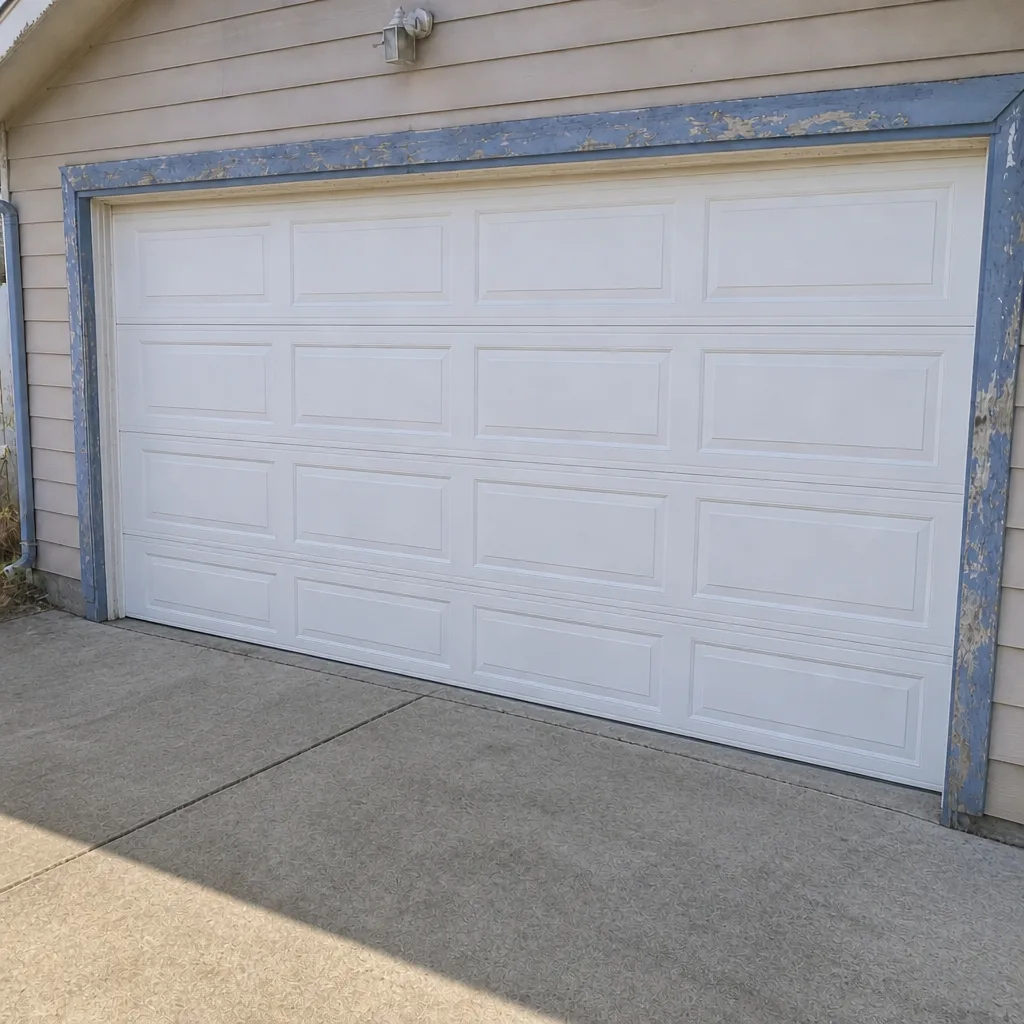
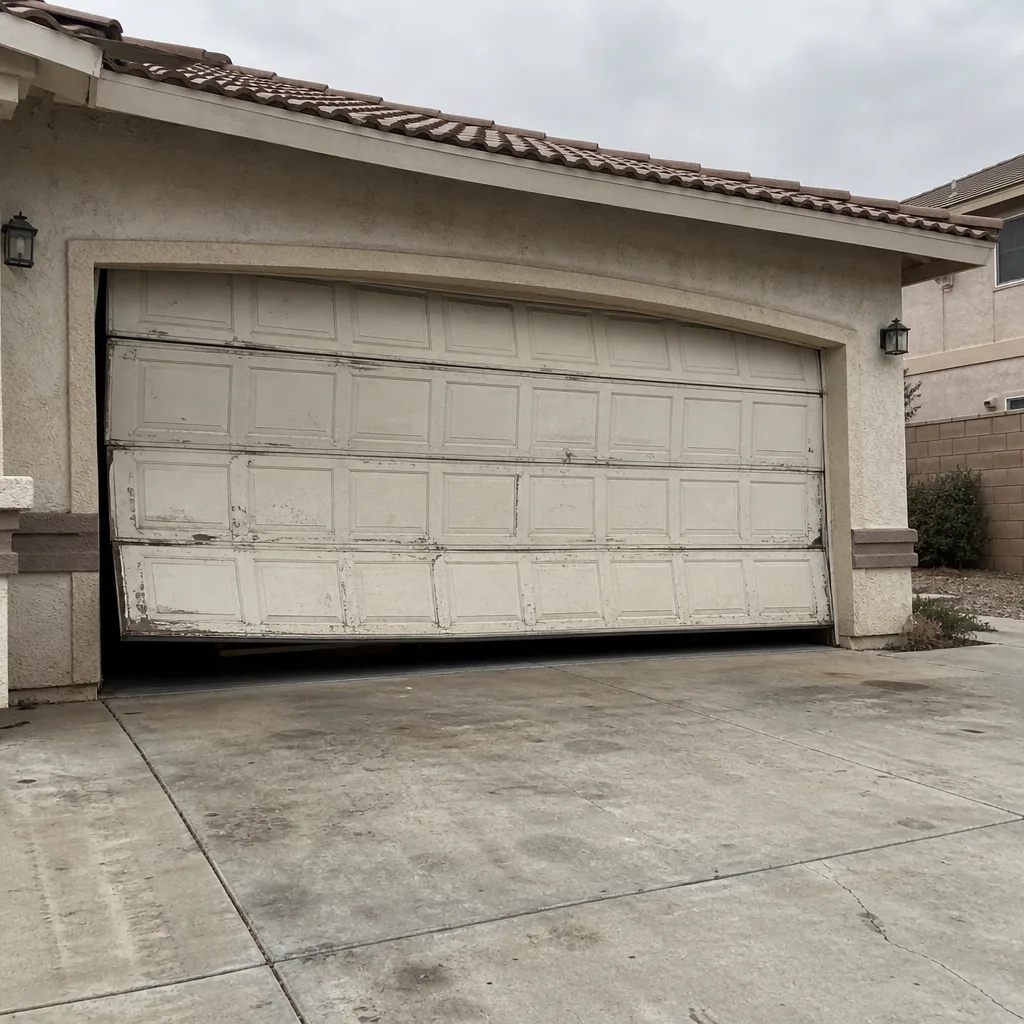
See the difference
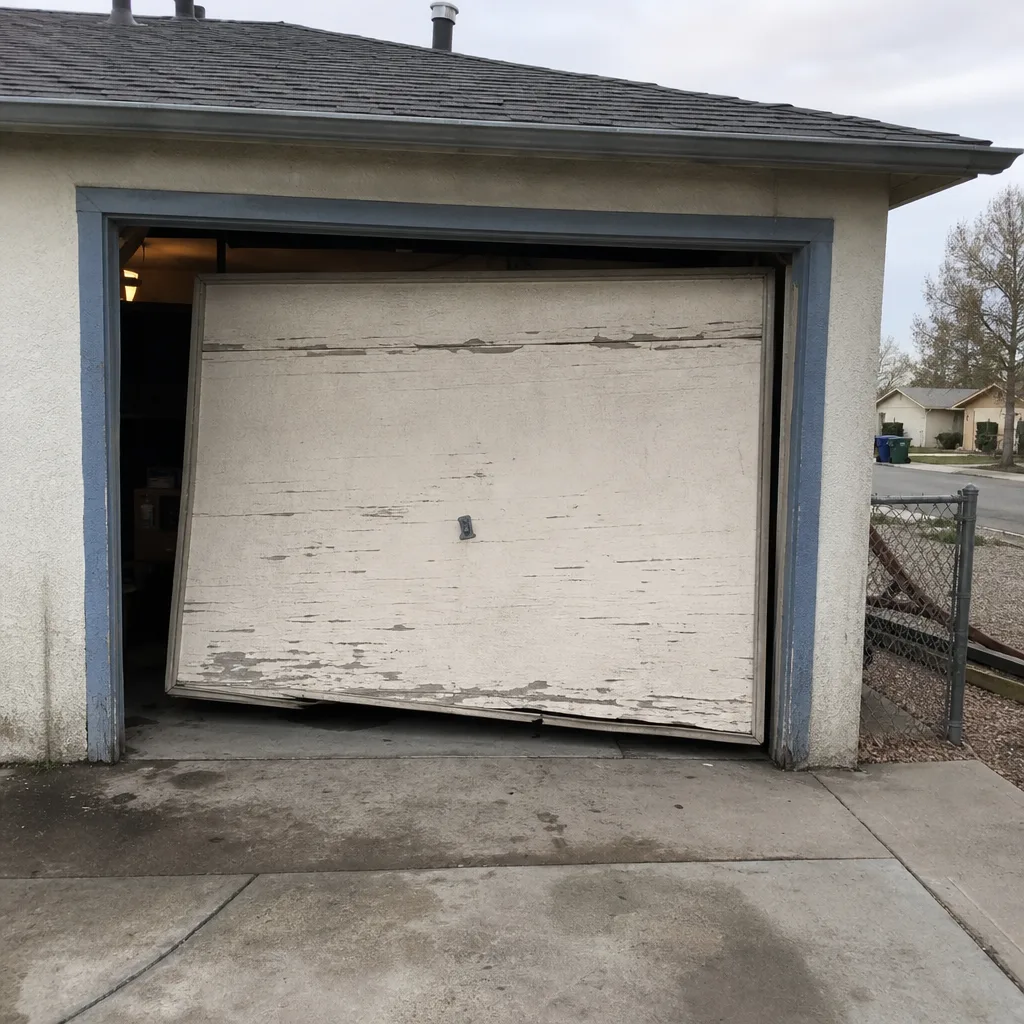 Before
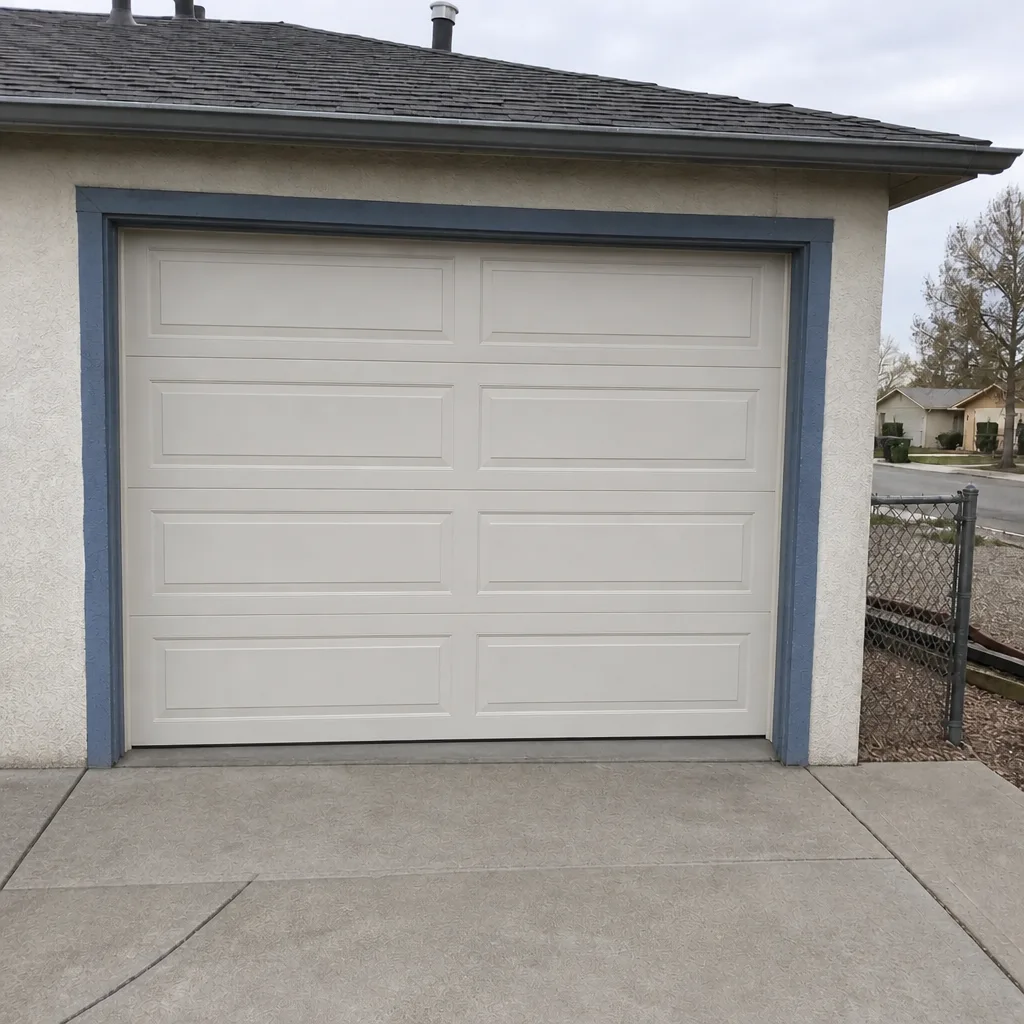 After
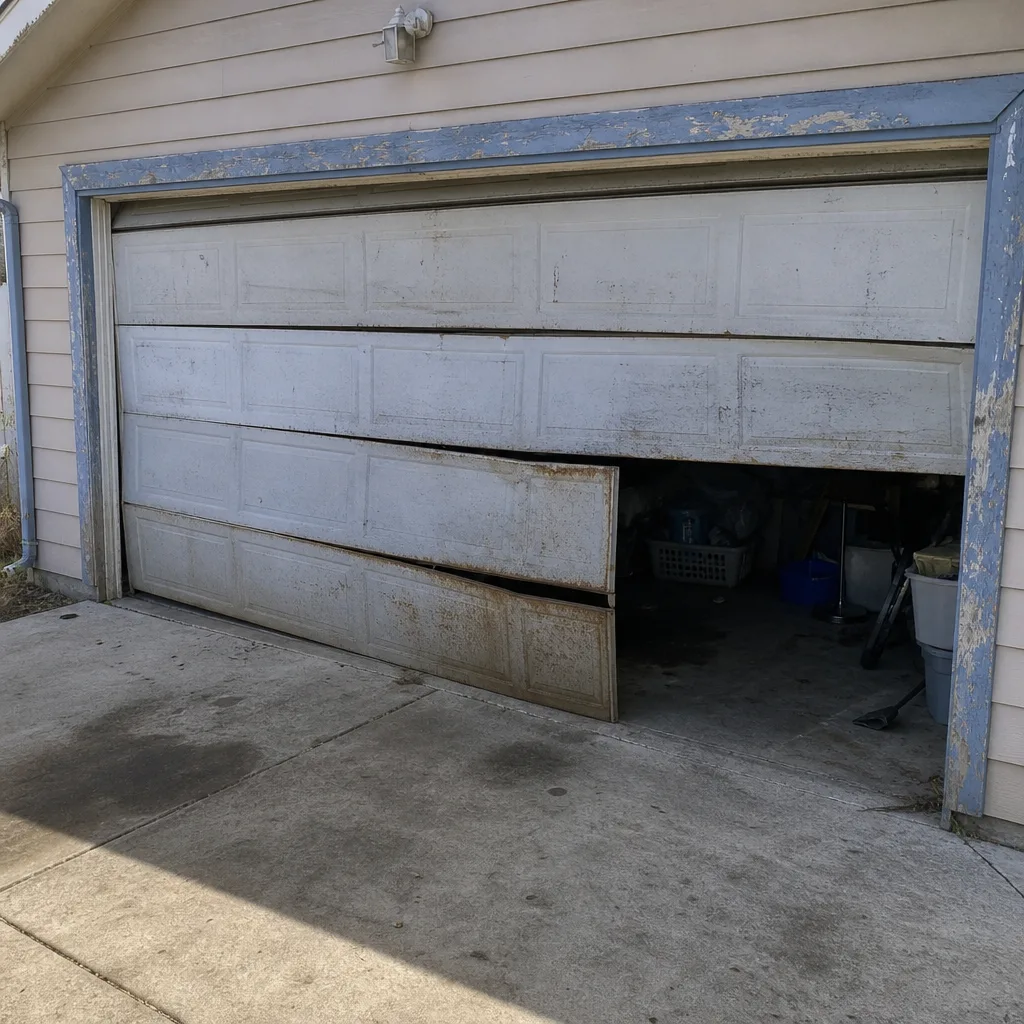 Before
 After
 Before
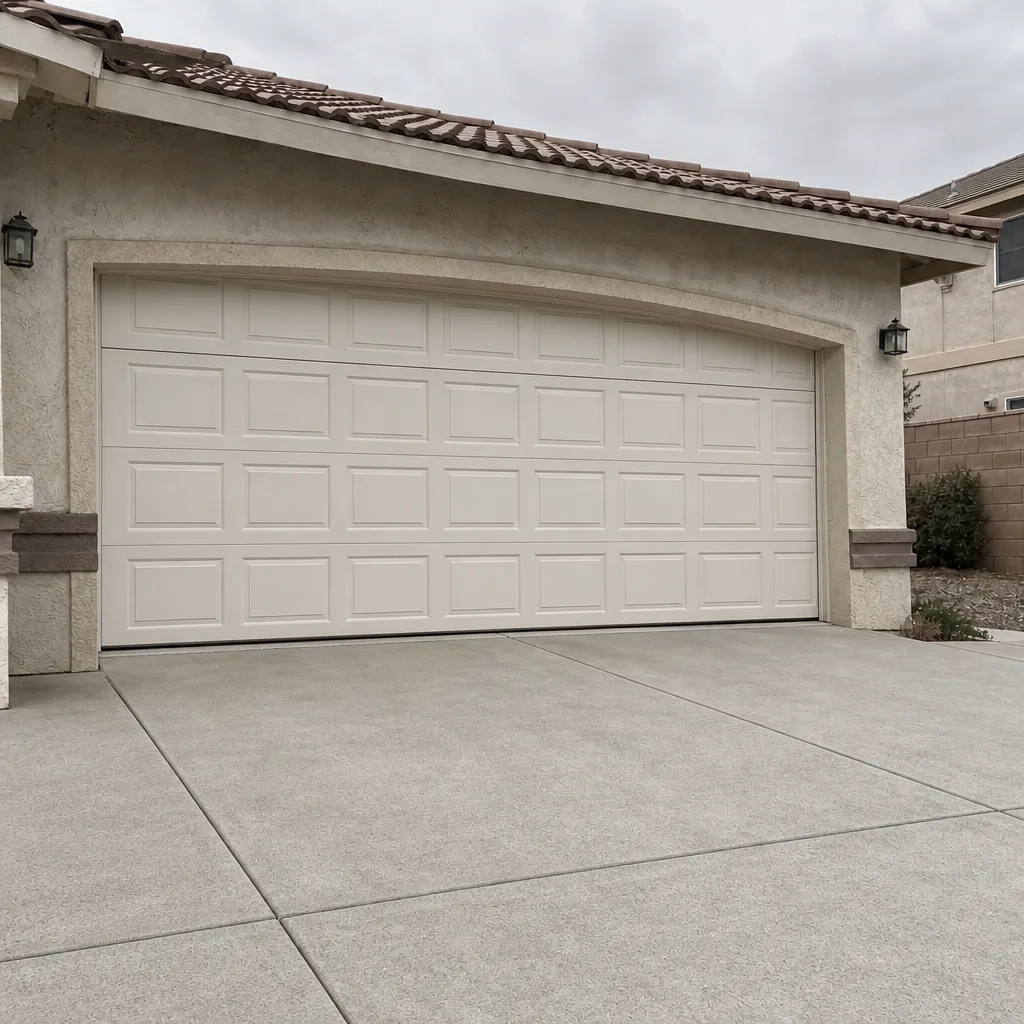 After
When to Call a Professional
Call us when the door fails the balance test, when the safety reverse doesn’t work, when you can see a gap in a spring or fraying on a cable, when the door won’t run straight, or when the opener strains and stops partway. These are the situations where the parts carry real load and the work moves from maintenance into professional territory. If the door is stuck open or you hear a loud bang from the spring area, stop using the door and call us right away. A door that’s off its tracks is a genuine hazard and shouldn’t be forced. Mainspring Garage Door Co. Winchester offers free estimates in Winchester, and our phones are answered by a live person, day or night. Call (888) 326-0817.
If you’re scheduling a planned replacement or a spring replacement, we’ll measure first, quote a flat price before any work starts, and put it in writing. For most jobs we carry the parts on the truck and finish in a single visit. And on every job, the Garage Door Repair in Winchester work stands behind a 90-Day Done Right Promise. If it’s not right, we come back at no charge.
Planning to replace the door rather than repair it? Start with our Garage Door Installation in Winchester guide. And if the opener is nearing the ten-year mark, our Garage Door Opener in Winchester page walks through the LifMaster, Chamberlain, and Genie options that fit Winchester homes.
Frequently Asked Questions
Once a year is enough for a professional tune-up, backed by a 15-minute quarterly walk-around and a deeper pre-winter and pre-summer check. For most Winchester homeowners we recommend the annual tune-up for the spring, cable, and opener settings, and the seasonal checks for the things that change with the weather. Call (888) 326-0817 for a free estimate on the seasonal tune-up.
Torsion springs fail most in January and July because those are the months with the biggest temperature swings in Winchester. The metal in the spring expands and contracts, which adds fatigue cycles. The first cold snap of January and the first heat wave of July are when the spring is most stressed. An October inspection is the single best way to avoid the January failure. Call us for a free estimate.
No, and we’d strongly advise against it. Torsion springs and cables are under high tension, and a wrong move can cause serious injury. Spring replacement is a trained-professional job. The good news is that we carry springs on the truck and finish most spring replacements in a single visit, with a flat price quoted and agreed before any work starts. Call (888) 326-0817 for an exact quote.
The $89 seasonal tune-up covers a full inspection and lubrication, the spring, cable, and roller check, the opener force and travel adjustment, the safety reverse test, and a written walkthrough of anything we found, including anything that needs a replacement. It’s the cheapest way to keep the annual schedule on track. Call (888) 326-0817 to schedule.
Use the horizon schedule: torsion springs around ten years, plastic rollers every three to five years, cables every five to seven years, the bottom seal every three to five years, and the opener around ten years. A part inside its life can still look fine. The schedule exists to replace it before it fails, not after. Call for a free second opinion on any written estimate.
We quote a flat price before any work starts. If we find something extra during the job, we’ll show you what it is and give you a price before we proceed. You never get an invoice bigger than the quote. Call (888) 326-0817 for a free estimate in Winchester.
The Bottom Line
Emergency garage door failures cluster around two predictable stress periods in Winchester: the first freeze of January and the first heat wave of July. A maintenance calendar built around those periods, with a 15-minute quarterly walk-around and a professional tune-up once a year, prevents most of the calls that otherwise happen after hours. Replace the parts on a timetable, watch for the small signs, and keep the spring and cable work in trained hands. Do that, and the door goes on running quietly through the extremes. When you’re ready to build the schedule, Mainspring Garage Door Co. Winchester is here to help. Call (888) 326-0817 for a free estimate.
Written by the team at Mainspring Garage Door Co. Winchester.