
Last updated November 18, 2026
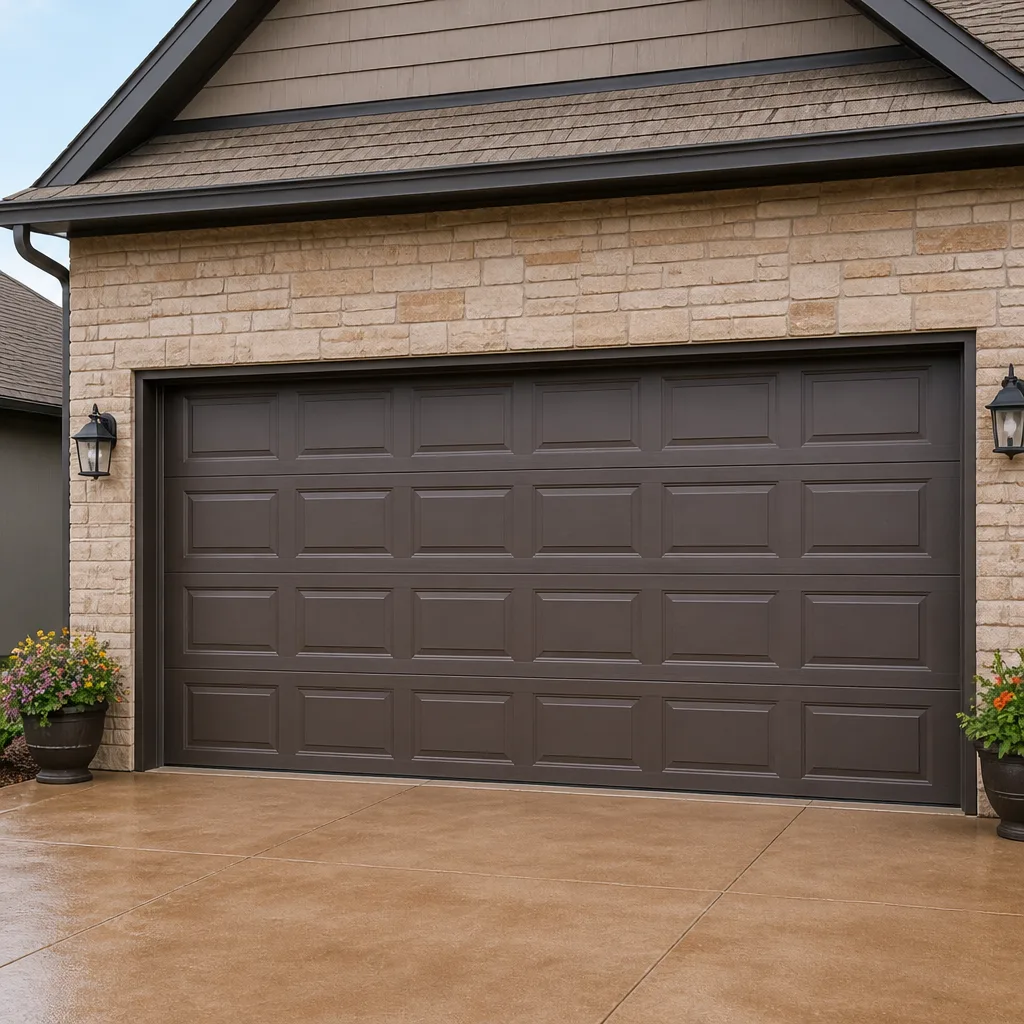 Raised-panel steel
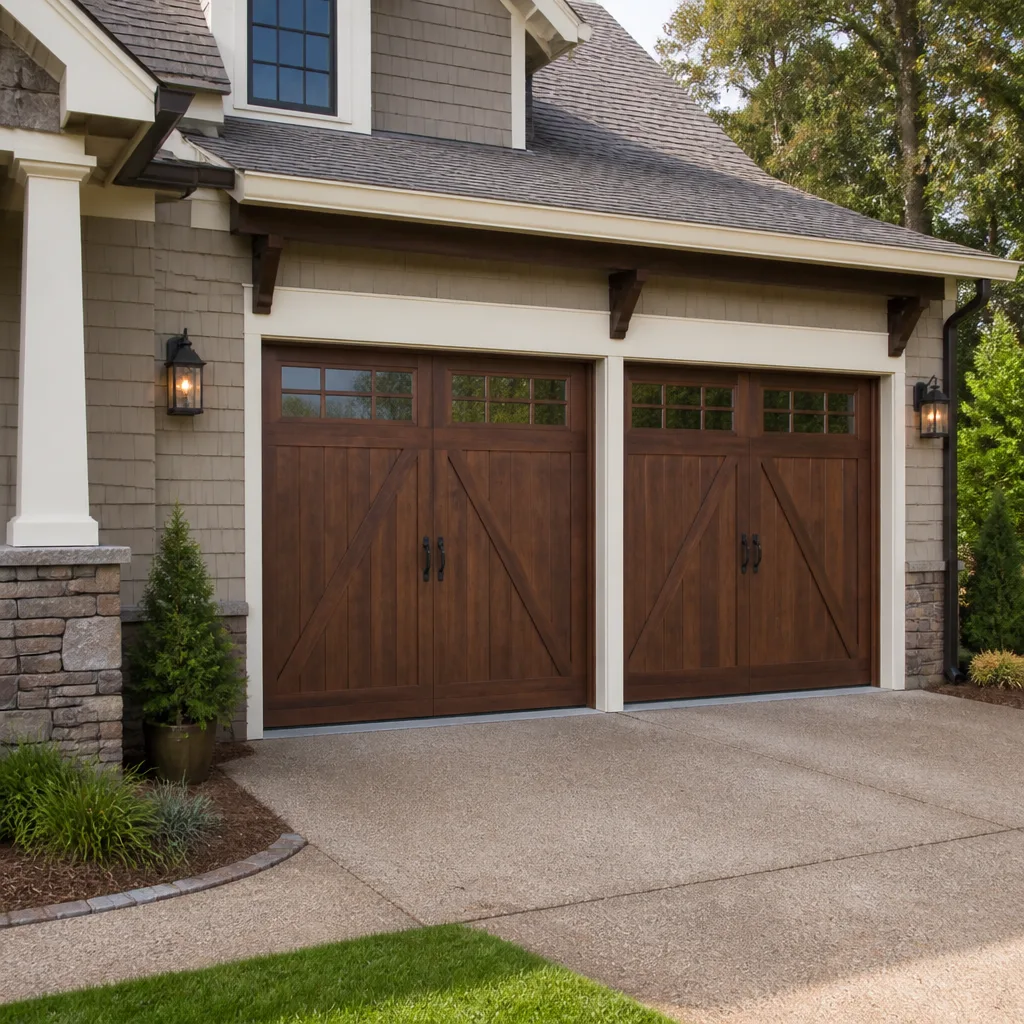 Carriage house
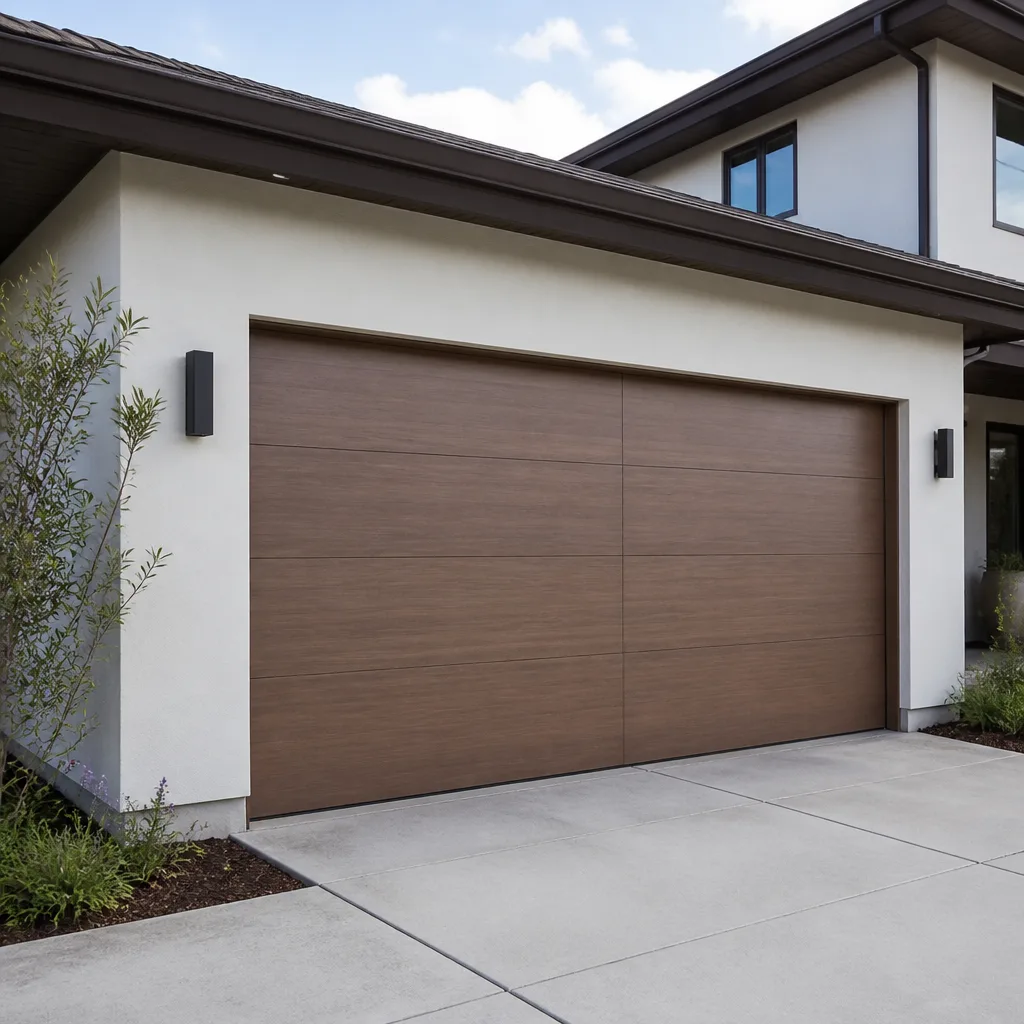 Modern flush
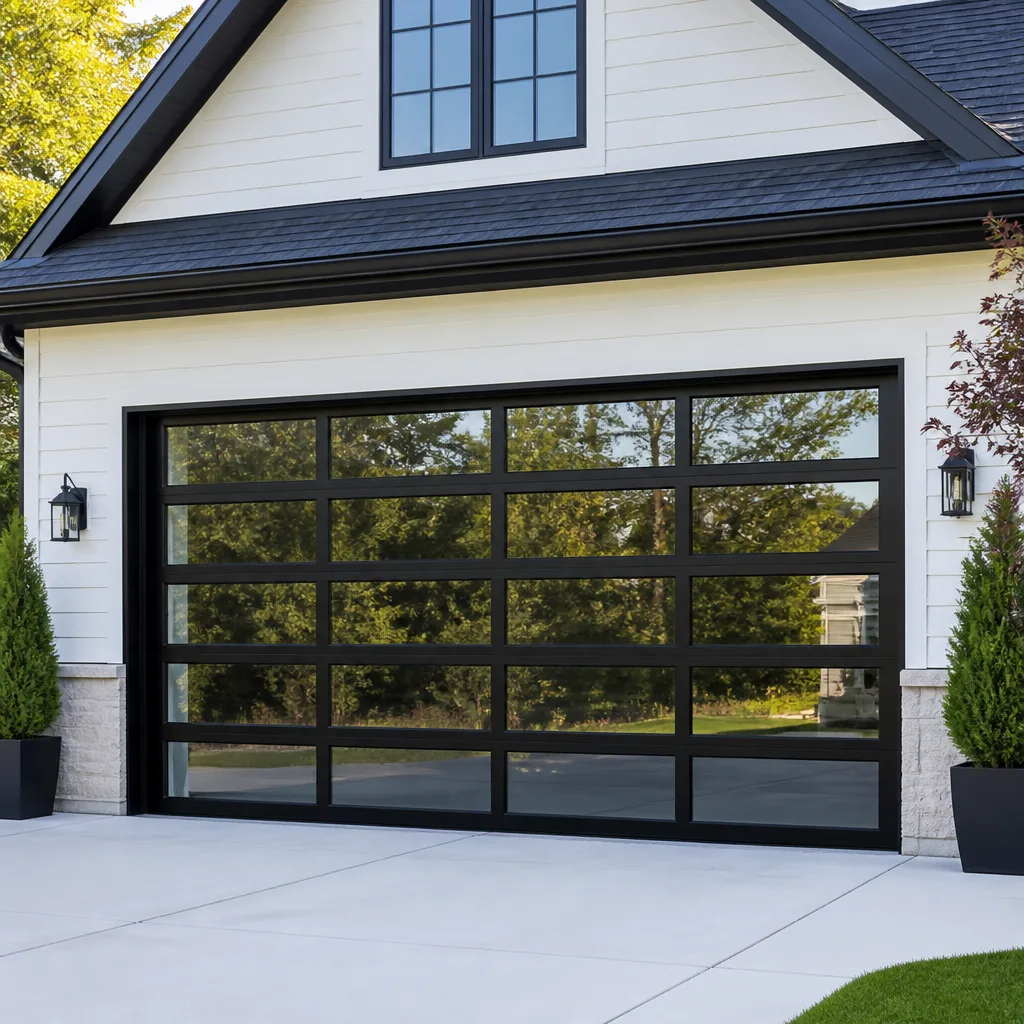 Full-view glass
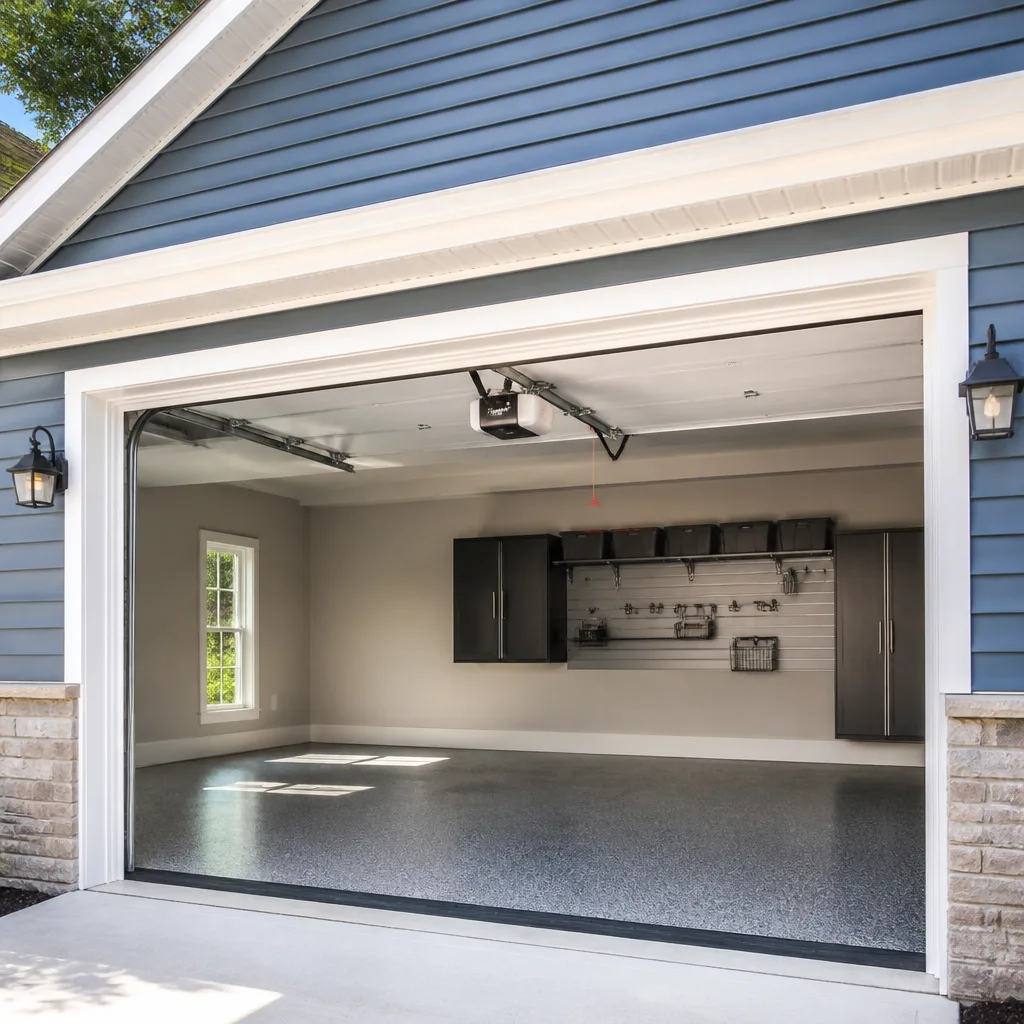 LiftMaster openers
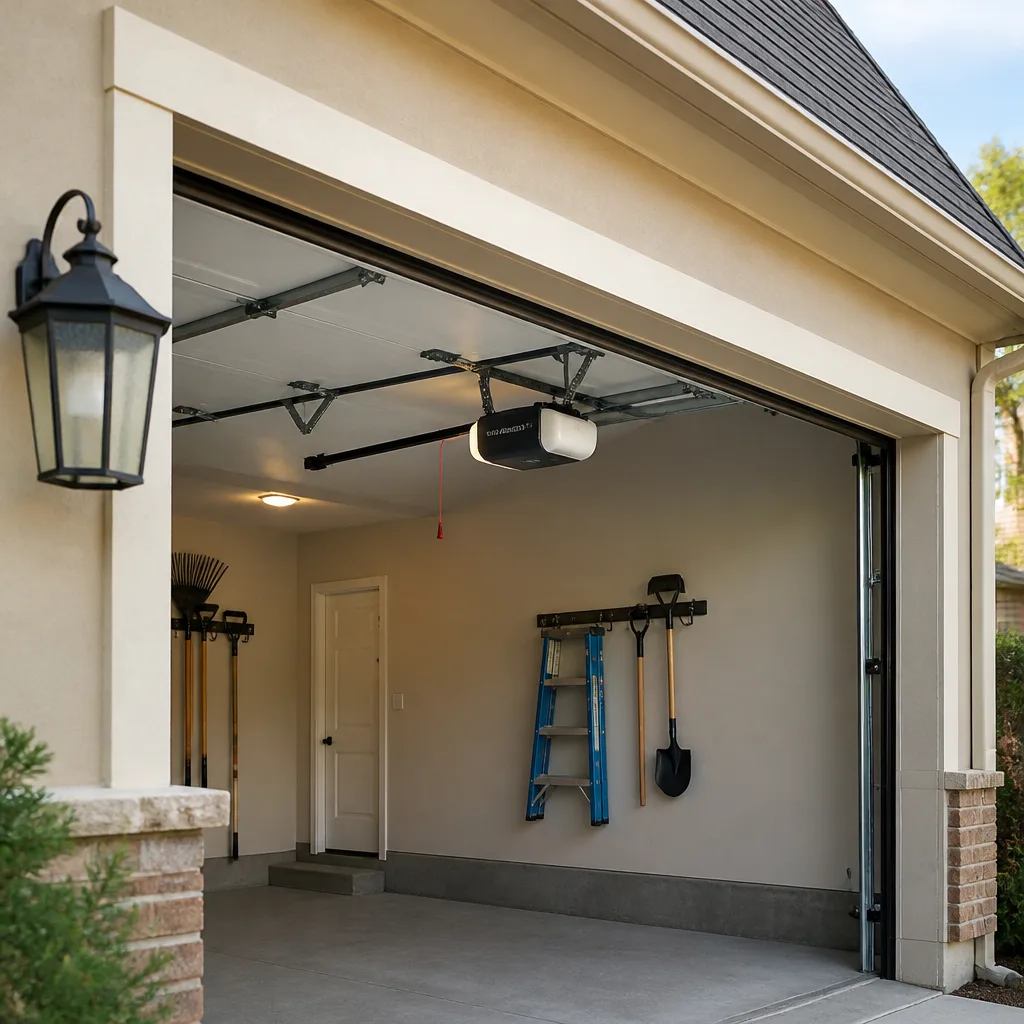 Chamberlain openers
Full 25-point door and opener safety check with every visit - springs, cables, rollers, tracks, and your LiftMaster or Chamberlain opener included
You get a price before we start. It does not change when the pro arrives.
Get your free estimateThe Complete Guide to Garage Door in Winchester
A garage door in Winchester, NV cycles through temperature ranges that can exceed 90°F between a January night and a July afternoon. That swing is a thermal stress load most door hardware was only tested to handle for a decade. Add alkaline dust from the surrounding desert and UV intensity that bleaches a finish faster than salt air ever would, and you get a door that fails differently here than it does in coastal or humid climates. This guide covers what Winchester homes actually face: material choices that survive the thermal cycling, the Lyon County permit landscape for repair versus replacement, why spring tension needs recalibrating at this elevation, and a realistic lifespan table built for local conditions rather than national averages.
Quick Answer
A garage door in Winchester typically lasts 15 to 25 years, but the components inside it wear on a shorter clock: springs last 7 to 12 years under high-desert thermal cycling, weatherstripping needs replacing every 3 to 5 years, and finish coats degrade in 4 to 6 years from UV intensity. Choosing the right material, keeping springs recalibrated for elevation, and replacing weather seals on schedule are what separate a door that reaches 25 years from one that starts failing at 10.
Styles & brands we work with
- Raised-panel steel
- Carriage house
- Modern flush
- Full-view glass
- LiftMaster openers
- Chamberlain openers
Table of Contents
- How Winchester’s Climate Damages Garage Doors
- Which Door Materials Hold Up in the High Desert
- The Lyon County Permit Landscape
- Why Spring Tension Needs Recalibrating at Elevation
- Realistic Component Lifespan in Winchester
- Seasonal Maintenance That Actually Matters
- Repair or Replace: A Decision Framework
- What to Expect on the Bill
How Winchester’s Climate Damages Garage Doors
Winchester sits at roughly 2,000 feet in the high desert north of Las Vegas, and the conditions here are noticeably harsher than what most garage door manufacturers tested their hardware against. Three forces do the damage: alkaline dust, UV intensity, and thermal cycling.
The dust is the quietest problem. Desert soil in the Winchester area is alkaline, and that fine grit works its way into hinges, rollers, and the tracks. It doesn’t just sit there. It acts like a mild abrasive, wearing down lubricant and accelerating metal-on-metal contact. A door that would run smooth for five years on the coast can start grinding in Winchester in two or three if the tracks and rollers aren’t cleaned on a schedule.
UV intensity is the visible problem. Southern Nevada gets more than 290 sunny days a year on average, and the UV index climbs past 11 in summer months. That intensity breaks down the polymer bonds in weatherstripping and finish coats. Where a coastal homeowner might replace bottom seals every 6 or 7 years, Winchester homeowners are often replacing them at year 3. Paint and powder-coat finishes fade and chalk, and once the surface degrades, moisture and grit get into the substrate faster.
Thermal cycling is the structural problem. A January night in Winchester can drop into the 30s, and a July afternoon can push past 110°F. That’s a range exceeding 80 to 90°F across the year, and the door moves through a fraction of it every single day. Metal expands and contracts, springs lose tension gradually, and seals compress and rebound. Hardware that handled that load fine in a mild climate starts showing fatigue in Winchester within the first decade. You can read more about how we handle this in our Garage Door Repair in Winchester service.
Which Door Materials Hold Up in the High Desert
Material choice is the single biggest decision a Winchester homeowner makes when the time comes for a new door. What works in Seattle does not necessarily work here. Here’s how the common options compare under Winchester conditions.
- Steel (24 to 27 gauge): The workhorse choice for high-desert homes. Steel handles thermal cycling well, resists the alkaline dust, and takes a factory finish that survives UV far longer than site-applied paint. Look for a door with insulated polyurethane cores if the garage is attached and the door faces west or south. Clopay and Amarr both make steel doors suited to this climate.
- Wood composite and engineered wood: A good middle ground if you want a wood look without the maintenance burden. Solid wood is a poor fit for Winchester. It expands and contracts aggressively with the thermal swings, and the dry air pulls moisture from the boards, causing checking, splitting, and finish failure within a few years if not oiled twice annually. Composite materials avoid most of that.
- Aluminum: Light, rust-proof, and stable across temperature swings. Aluminum works well for full-view doors and modern styles. It dents more easily than steel, though, and in a high-desert climate with wind-blown grit, denting is a real consideration.
- Fiberglass: Holds up to UV reasonably well and won’t rust. It can become brittle over 15-plus years in intense sun, so it’s a fair choice for a garage that isn’t fully exposed, less so for a west-facing door in full afternoon light.
For a Winchester door, the strongest combination is insulated steel with a factory powder-coat finish, or a high-quality composite if you want the wood look. Either way, the finish is what buys you time. UV is the enemy of every material, and a factory finish on steel holds up far better than paint applied after installation. If you’re replacing the whole door rather than the panel, our Garage Door Installation in Winchester page walks through the measure-and-order process.
The Lyon County Permit Landscape
Permit requirements trip up a lot of Winchester homeowners, and for good reason: the rules aren’t the same for repair and replacement, and they aren’t always obvious from a phone call. Here’s the practical lay of the land.
Repairs generally don’t require a permit. Replacing a spring, cable, roller, hinge, or opener on an existing door is maintenance work, not construction. You don’t need to pull a permit for a repair. That’s true across Lyon County for typical residential garage door service.
Full door replacement usually does require a permit. Swapping out the entire door assembly, or changing the door’s size or opening, typically triggers a permit through the local building authority. The permit covers the structural and safety side: header integrity, the door’s wind rating, and the safety features on the opener. This is the part homeowners often don’t realize until an inspector flags an unpermitted replacement at resale.
Cosmetic work straddles the line. Swapping a damaged panel on the same door assembly usually doesn’t require a permit. But if the panel swap changes the door’s structure or weight enough to affect the spring system, an inspector may treat it as a modification. The safest move is to ask the jurisdiction before the work starts rather than after.
We’ve handled enough Winchester replacements to know which jobs need a permit pulled and which don’t. When you call for an estimate, we’ll tell you plainly whether your job triggers a permit and what that adds to the timeline. That’s part of the upfront price conversation, not a surprise tacked on after the door’s already off.
Why Spring Tension Needs Recalibrating at Elevation
This is the detail almost every generic garage door guide misses. Garage door springs are engineered and tested at or near sea level, and torsion springs are load-rated for the door’s weight. At Winchester’s roughly 2,000-foot elevation, gravity is marginally weaker, which means a door that weighs 150 pounds here isn’t pulling the same load as that same door at sea level. Over time, that small difference shows up in spring settings.
More importantly, elevation isn’t the whole story. The temperature swings here change spring behavior too. Torsion springs lose tension in cold weather, and Winchester’s winter nights push into the 30s. A spring calibrated for 70°F may run noticeably tighter on a January morning, putting extra load on the opener and causing the door to creep up or slam down. In summer, the opposite happens. A spring that ran fine all winter can suddenly feel sloppy at 110°F.
What this means for Winchester homeowners:
- Have springs tensioned by a technician, not by trial and error. The math depends on the door’s exact weight, the spring’s wire gauge and inside diameter, and the number of turns. Getting it wrong strips the spring or overloads the opener.
- Plan for a spring check in fall. Before the first cold snap is when a licensed technician can set the tension so the door runs consistently through a Winchester winter, not after it starts acting up.
- Don’t assume your spring was set correctly at installation. If a door was installed by someone who eyeballed the tension out of habit at sea-level settings, it may need correcting here.
A safety note, and we mean this plainly. Tensioning a torsion spring by hand is one of the most dangerous jobs in home repair. The spring carries the entire weight of the door and, if released incorrectly, can cause severe injury. This is not a DIY job, and we don’t recommend anyone try it. Call a trained professional. Our Garage Door Opener in Winchester service includes spring calibration when we set up a new opener, because the two systems work together.
Realistic Component Lifespan in Winchester
National averages are a poor guide in Winchester. The high-desert conditions push most components harder than the test data assumes. Here’s what we actually see in local homes, on a realistic schedule:
- Torsion springs: 7 to 12 years. The lower end of that range is common on doors that face west and get full afternoon sun.
- Extension springs: 6 to 10 years. Less common on modern doors but still found on older Winchester homes.
- Cables: 8 to 12 years. Rust and grit fatigue accelerate wear here.
- Rollers: 4 to 7 years. Dust in the tracks is the primary enemy. Nylon rollers last longer than steel.
- Hinges: 6 to 10 years. Lubrication frequency matters more than brand.
- Bottom seal and weatherstripping: 3 to 5 years. The shortest-lived component in Winchester, mostly because of UV and thermal cycling.
- Finish and paint: 4 to 6 years before visible fading or chalking. Factory powder-coat finishes hold up noticeably better than site-applied paint.
- Opener motor: 10 to 15 years for a quality LiftMaster or Genie unit. Chain-drive openers outlast belt-drive units here because they handle the load variation better, though belt-drive runs quieter.
Those are ranges, not fixed points. A door that gets cleaned and lubricated twice a year will push the top of each range. A door that’s never serviced will land at the bottom. The difference between a $300 spring replacement and a $1,400 full-service rebuild often comes down to whether the homeowner did the small maintenance along the way.
Seasonal Maintenance That Actually Matters
Garage door maintenance advice is everywhere, and most of it is generic. Here’s the schedule that actually fits a Winchester door.
Twice a year (spring and fall):
- Clean the tracks with a dry cloth and a light solvent to remove alkaline dust. Don’t lubricate the tracks themselves. Lubricate the rollers and hinges instead.
- Lubricate hinges, rollers, and the spring with a silicone-based or lithium grease. Avoid WD-40 on the spring; it attracts dust and breaks down quickly in heat.
- Test the auto-reverse safety feature by placing a 2-by-4 flat in the door’s path and closing it. The door should reverse on contact. If it doesn’t, stop using the door and call for service.
- Look at the bottom seal for cracks, gaps, or stiffness. In Winchester, this is the component most likely to have failed quietly.
Once a year (fall is best in Winchester):
- Have a technician inspect the springs and cables. This is not a DIY check. Cables under tension can fail suddenly.
- Check the door balance by disconnecting the opener and lifting the door halfway. It should stay in place. If it drops or rises, the springs need adjustment.
- Check the opener’s force settings and, if you have one, the battery backup. Openers over 10 years old sometimes need a force reset after a season of temperature swings.
Our $89 Seasonal Tune-Up covers the full inspection, lubrication, balance check, and safety-reverse test. Most Winchester doors that get this done once a year avoid the mid-August emergency call that comes when a spring finally gives out.
Repair or Replace: A Decision Framework
The most common question we get in Winchester: “Is it worth fixing, or is it time for a new door?” Here’s how to think about it.
Repair is usually the right call when:
- The door structure itself is sound. One broken spring, a snapped cable, a failed opener, or worn rollers are all repair jobs, not replacement jobs.
- The door is under 15 years old and the finish is still holding.
- The cost of the repair is under roughly 30% of a new door’s installed price.
Replacement starts making sense when:
- Multiple components are failing within a year of each other. At that point, you’re paying for a new door one part at a time.
- The finish is failing badly enough that refinishing won’t hold, or the door has visible panel damage that isn’t going to get better.
- You want insulation, better security, or a modern opener compatibility you don’t currently have.
- The door is over 20 years old and you’re planning to stay in the house.
If you’re on the fence, get a free second opinion on any written estimate. We’ll tell you honestly whether the repair you’ve been quoted is the right call or whether you’re better off putting that money toward a new door.
What to Expect on the Bill
Garage door pricing in Winchester runs in a predictable range for most jobs. Here’s a line-item view so you know what a square deal looks like before anyone picks up a wrench:
- Spring replacement (one spring): $180 to $340. Torsion springs at the higher end.
- Cable replacement (pair): $150 to $280.
- Roller and hinge replacement: $120 to $260 depending on door size and roller type.
- Bottom seal replacement: $90 to $180.
- Opener installation (unit supplied by us): $350 to $650 for a standard LiftMaster or Genie chain-drive unit. Belt-drive and smart openers run higher.
- Seasonal tune-up: $89 flat.
Whether it’s a spring or a full door, the price is quoted and agreed before any work starts. That’s not a marketing line; it’s how we run every job. You’ll know the number before we begin, and it won’t change once the door is apart.
Common Mistakes to Avoid
- Using WD-40 on the tracks or spring. It’s a solvent, not a lubricant. In Winchester’s dusty air, it attracts grit and accelerates wear. Use silicone or lithium grease instead.
- Ignoring weatherstripping until winter. By the time you notice cold air coming in, the seal has likely been failing for a year. Check it every spring.
- Assuming a sea-level spring setting works at elevation. It usually doesn’t. Have springs tensioned by a technician who knows Winchester’s conditions.
- Pulling a permit for a repair, or skipping one for a full replacement. Repairs don’t need permits. Full replacements usually do. Get it right before work starts, not after.
- Choosing a door on price alone. The cheapest door in the showroom is often the one that fails first in this climate. Insulated steel with a factory finish is worth the extra cost.
- Skipping the annual tune-up. The $89 tune-up prevents most of the expensive failures we see in Winchester.
- Letting an unlicensed handyman touch a torsion spring. This is genuinely dangerous work. Use a background-checked, insured professional.
See the difference
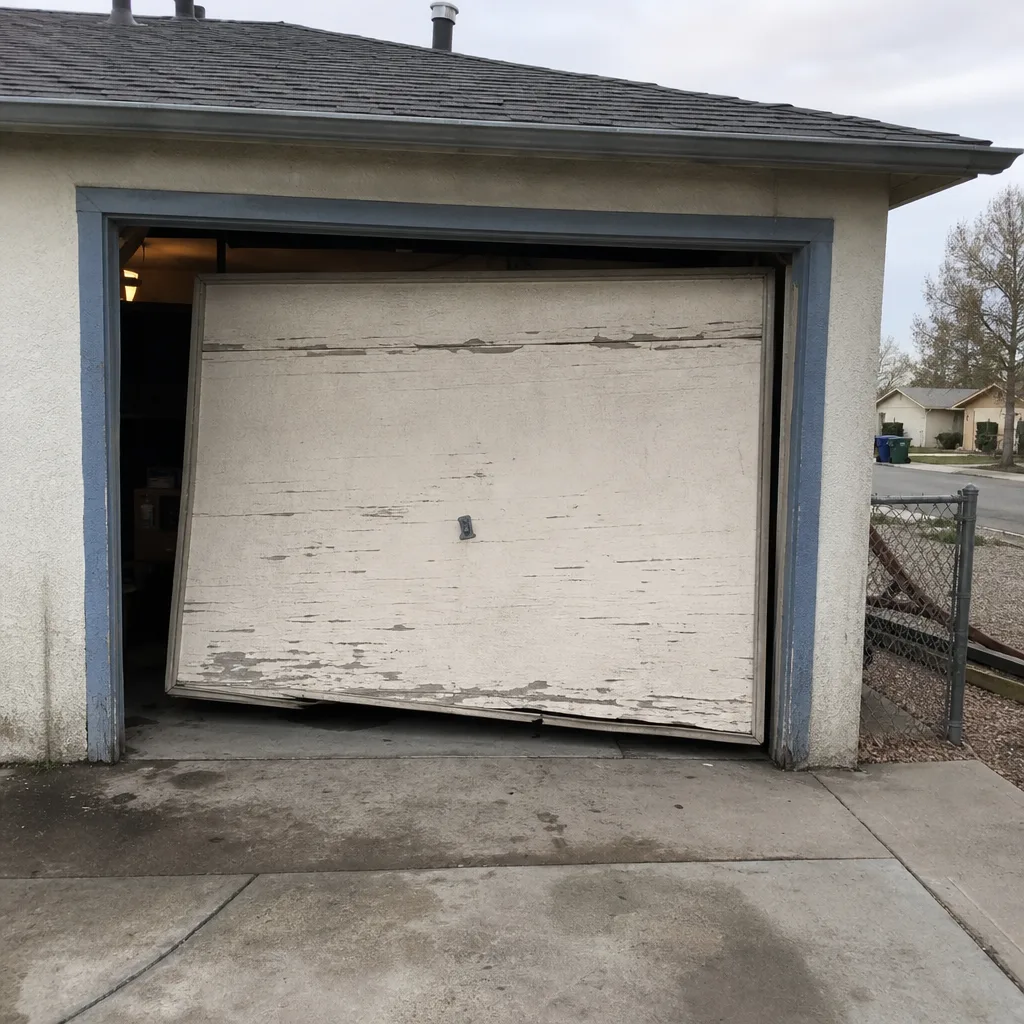 Before
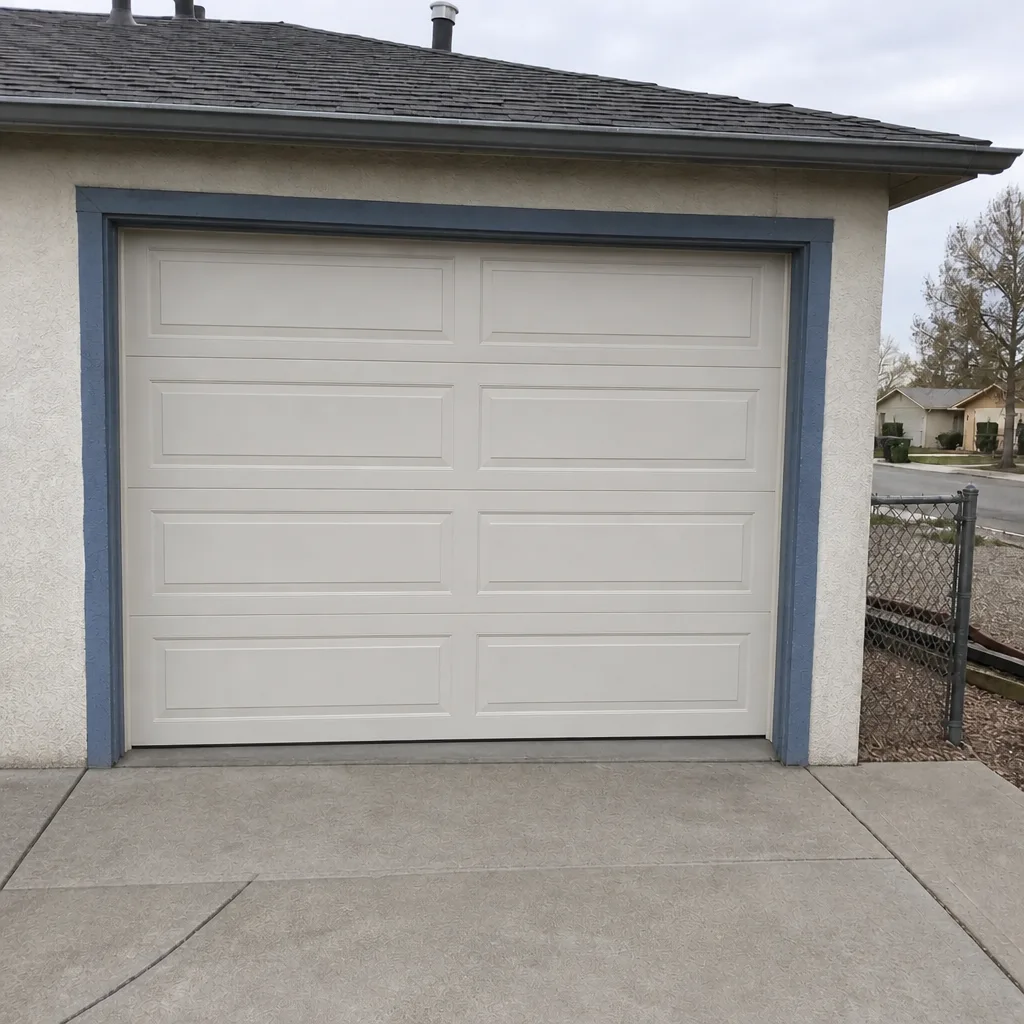 After
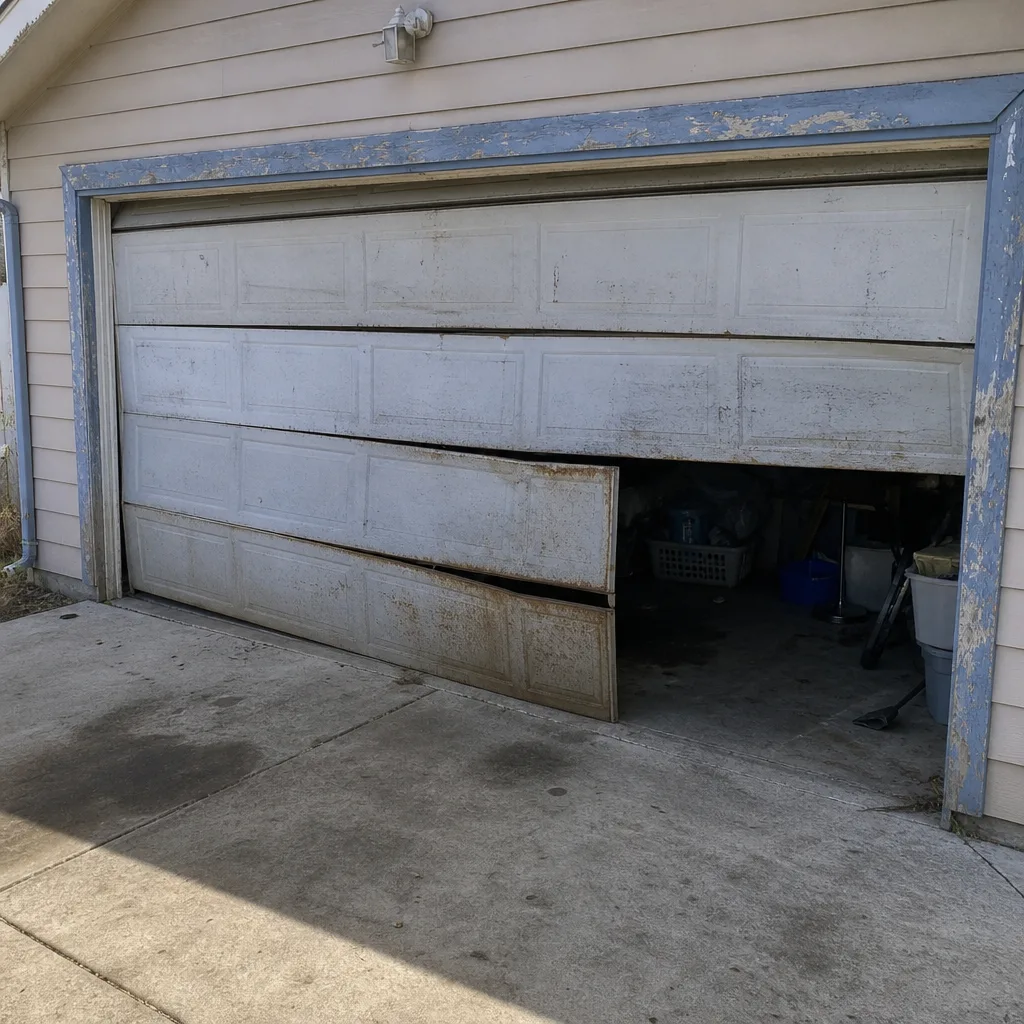 Before
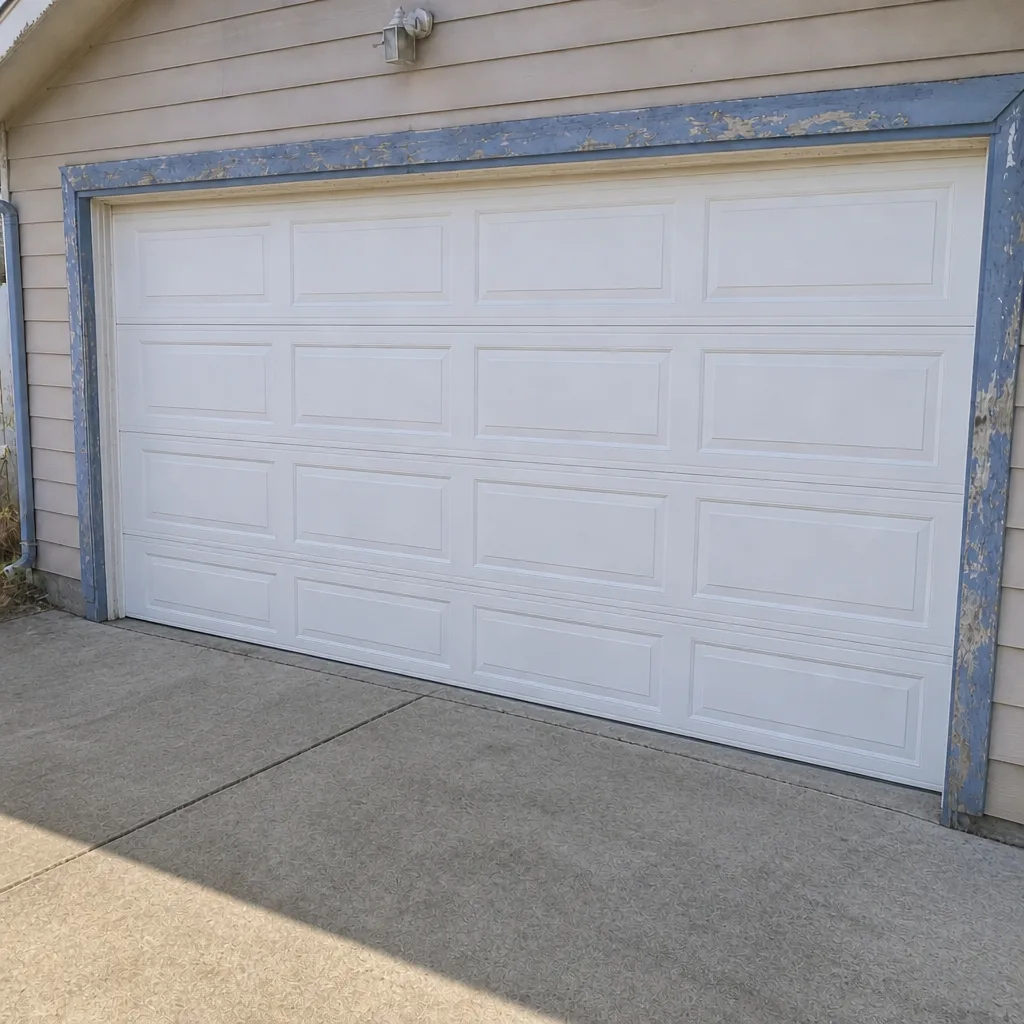 After
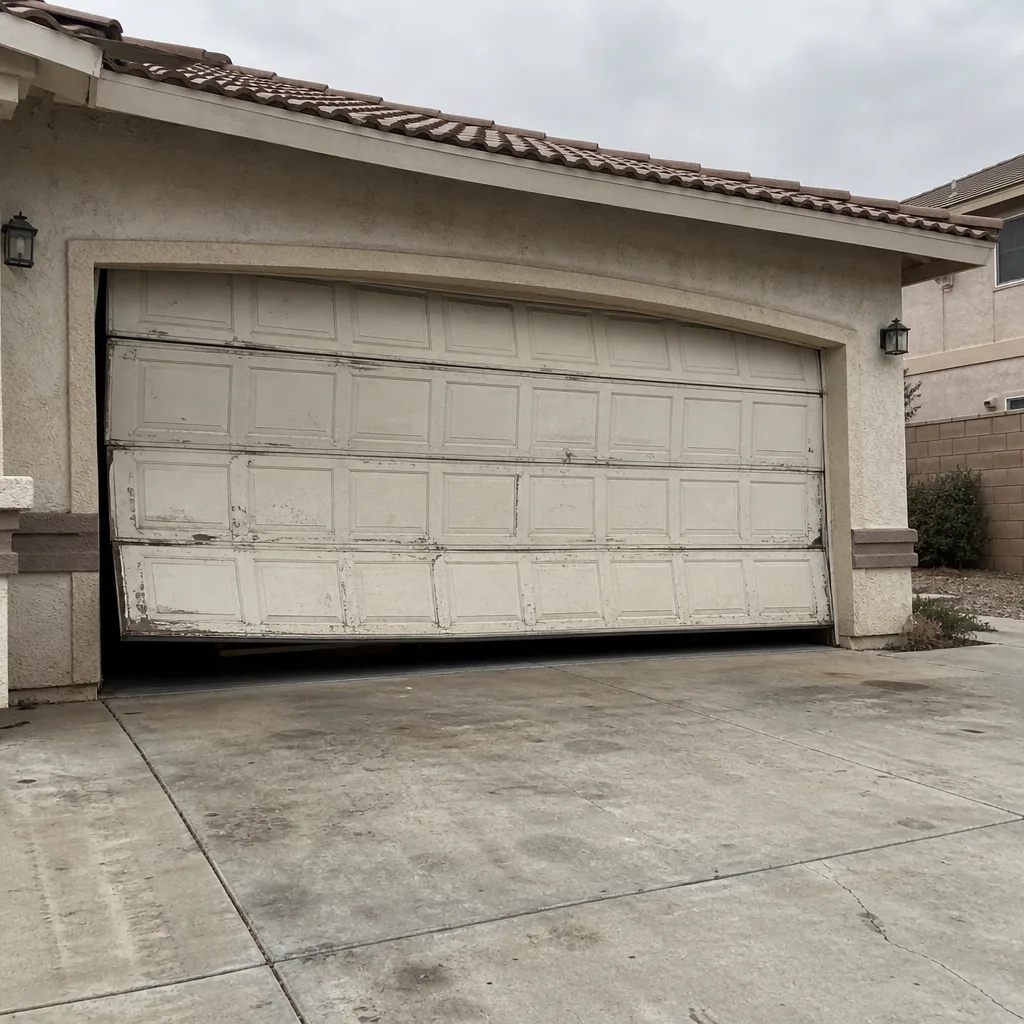 Before
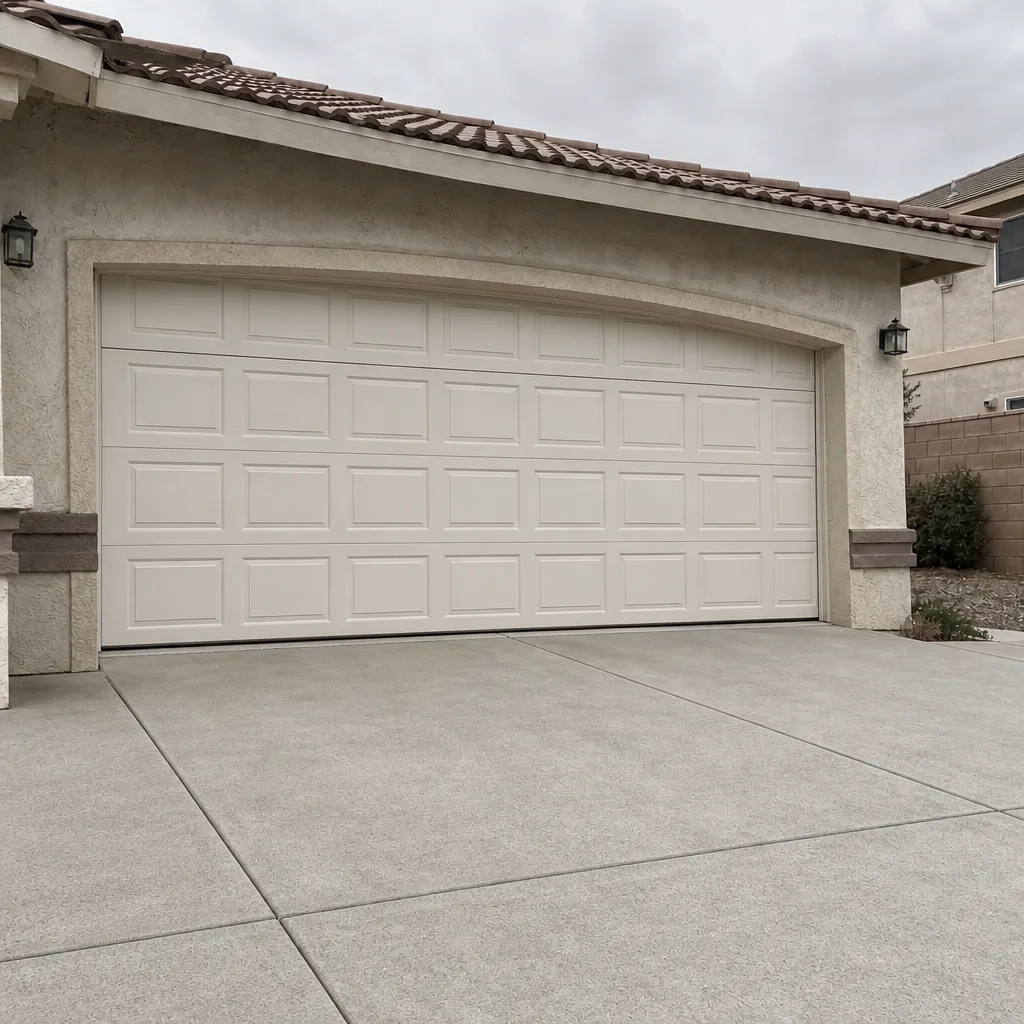 After
When to Call a Professional
Some jobs you can do yourself: wiping down the tracks, changing a lightbulb in the opener, checking the door’s balance by hand. But some jobs should never be DIY, and in Winchester those include anything involving the torsion spring, the cables, the opener’s force settings, or a door that has come off its track. If your door is stuck open or closed and it’s not a manual override situation, call us for a real diagnosis. A door that’s fallen off its track can be a genuine safety hazard, and getting it back on correctly is not a one-person job. We offer free estimates in Winchester and 24/7 emergency response. To schedule a measure-and-quote for a replacement, or to get a second opinion on any written estimate, call (888) 326-0817. We answer 24/7, live person, no phone tree.
Frequently Asked Questions
Twice a year for cleaning and lubrication, and once a year for a professional inspection that covers springs, cables, and the safety-reverse test. Fall is the ideal time in Winchester because it gets you ahead of the winter temperature drops that stress the springs.
In most cases, yes. Full door replacement typically requires a permit through the local building authority. Repairs like spring, cable, or opener replacement generally do not. When you call for an estimate, we’ll confirm whether your job needs a permit before any work starts. Call (888) 326-0817 for a free assessment.
Seven to twelve years for torsion springs, with the shorter end common on west-facing doors that get full afternoon sun. High-desert thermal cycling and dust shorten the lifespan compared to national averages.
Insulated steel with a factory powder-coat finish is the most durable choice for Winchester. It handles thermal cycling well, resists alkaline dust, and holds its finish longer than wood or site-painted alternatives. Composite is a solid second option if you want a wood look. Get a free measure-and-quote to see what fits your opening. Call (888) 326-0817.
Temperature affects spring tension and metal expansion. A spring set correctly for a 70°F day runs tighter in cold weather and looser in summer heat. That’s normal variation in Winchester, but if the difference is extreme, the springs may need recalibration. Call us for a free second opinion on any written estimate.
No. Torsion springs are under extreme tension and carry the entire weight of the door. Releasing that tension incorrectly can cause severe injury. This is a job for a trained, insured professional. Call (888) 326-0817.
If the door is over 20 years old, has multiple components failing within a year of each other, or the finish is beyond refinishing, replacement is usually the better investment. For a single failed component on an otherwise sound door, repair is the right call. We’ll give you a straight answer either way.
The Bottom Line
Winchester is a hard place on a garage door, but it’s a predictable place if you know what to expect. Alkaline dust, UV intensity, and thermal cycling set the clock on every component: springs at 7 to 12 years, seals at 3 to 5, finishes at 4 to 6. Choose insulated steel with a factory finish, get the springs recalibrated for elevation (not sea-level defaults), know which jobs need a Lyon County permit, and keep the $89 tune-up on the calendar. Do those four things and you’ll get the full life out of a door that most Winchester homeowners replace a decade too soon. When it’s time for service or a new door, our Mainspring Garage Door Co. Winchester home page is the place to start.
To schedule your free estimate or get a second opinion on any written estimate, call (888) 326-0817. A live person answers every call, 24/7, and the price is always quoted before any work starts.
Written by the team at Mainspring Garage Door Co. Winchester.