
Last updated November 18, 2026
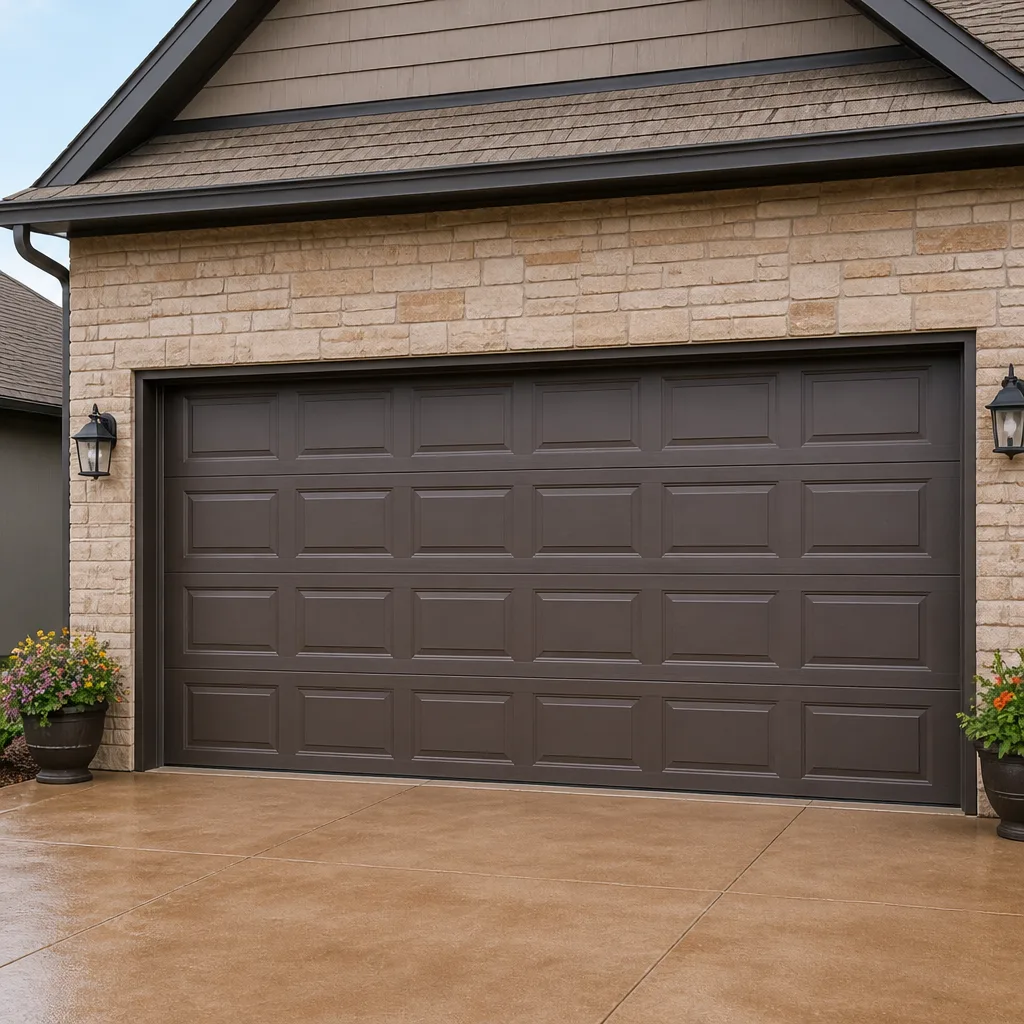 Raised-panel steel
 Carriage house
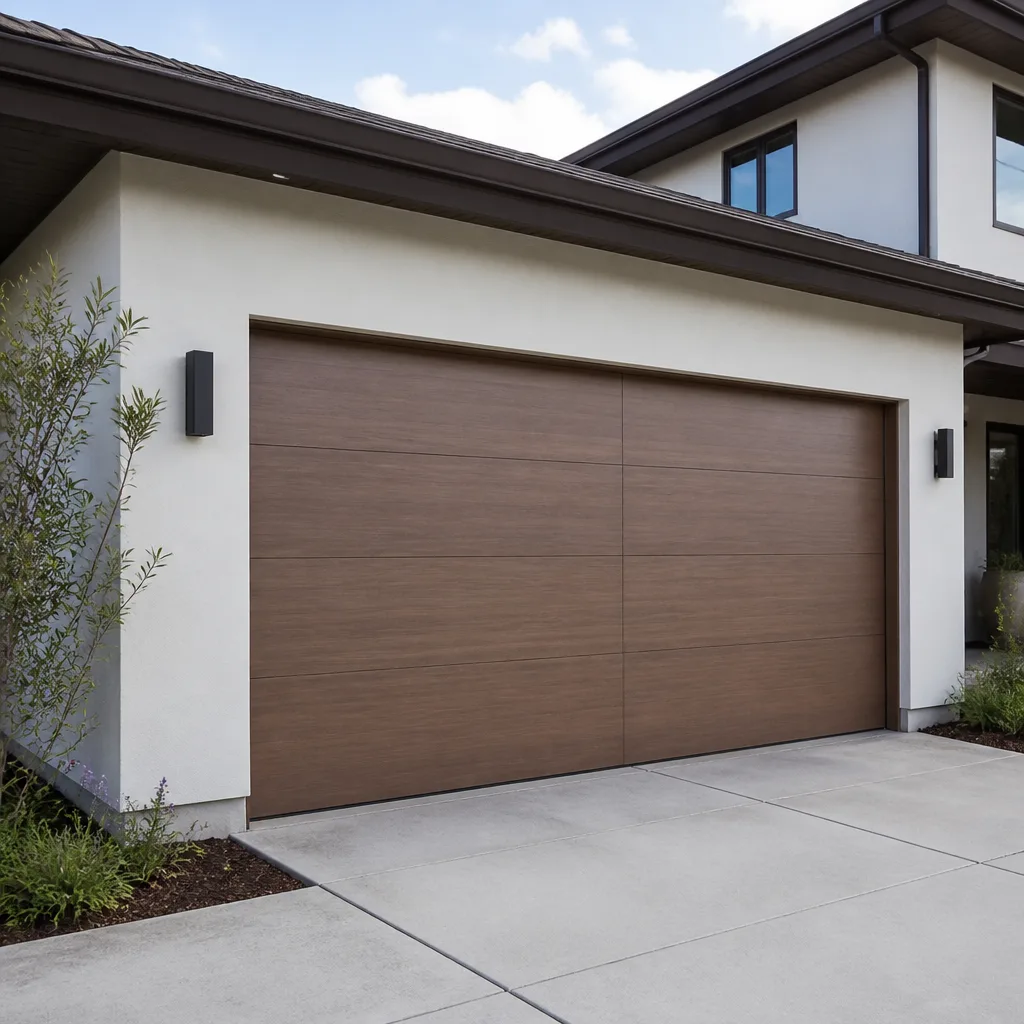 Modern flush
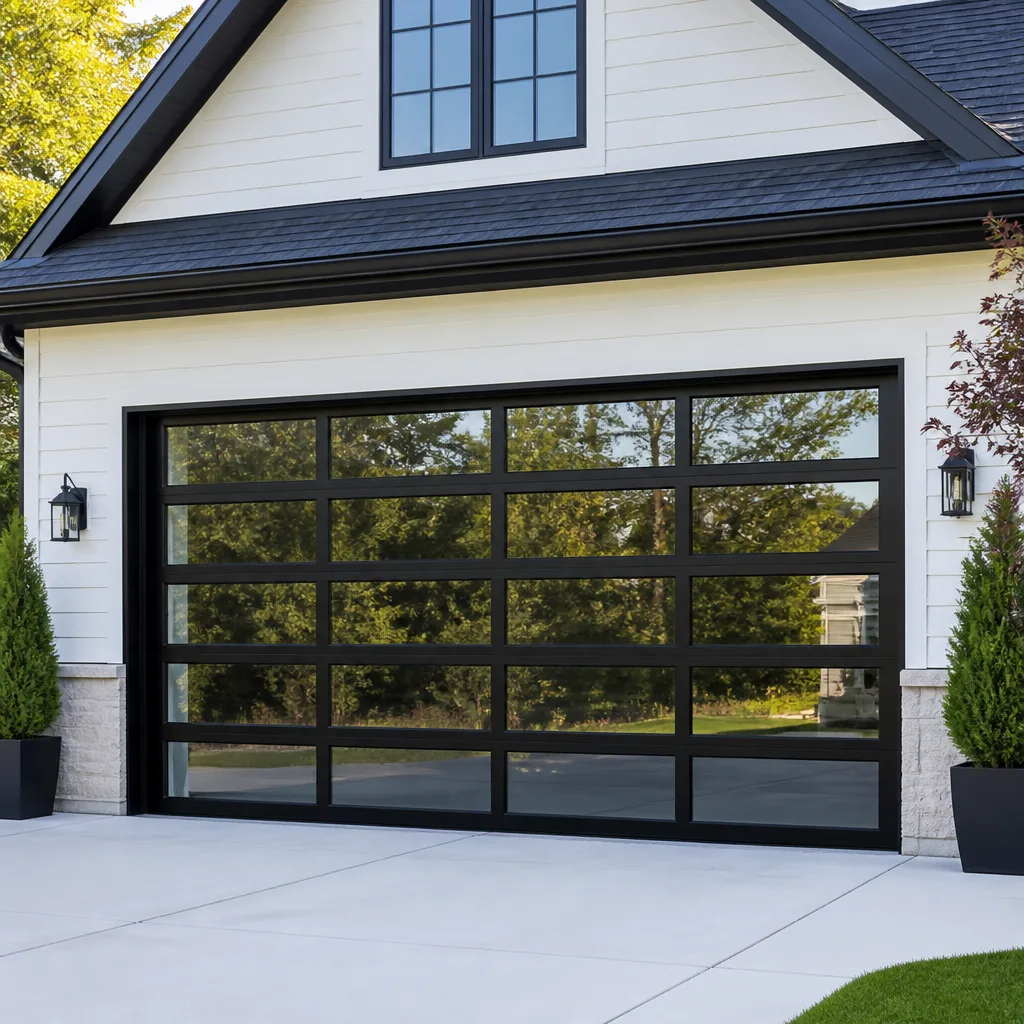 Full-view glass
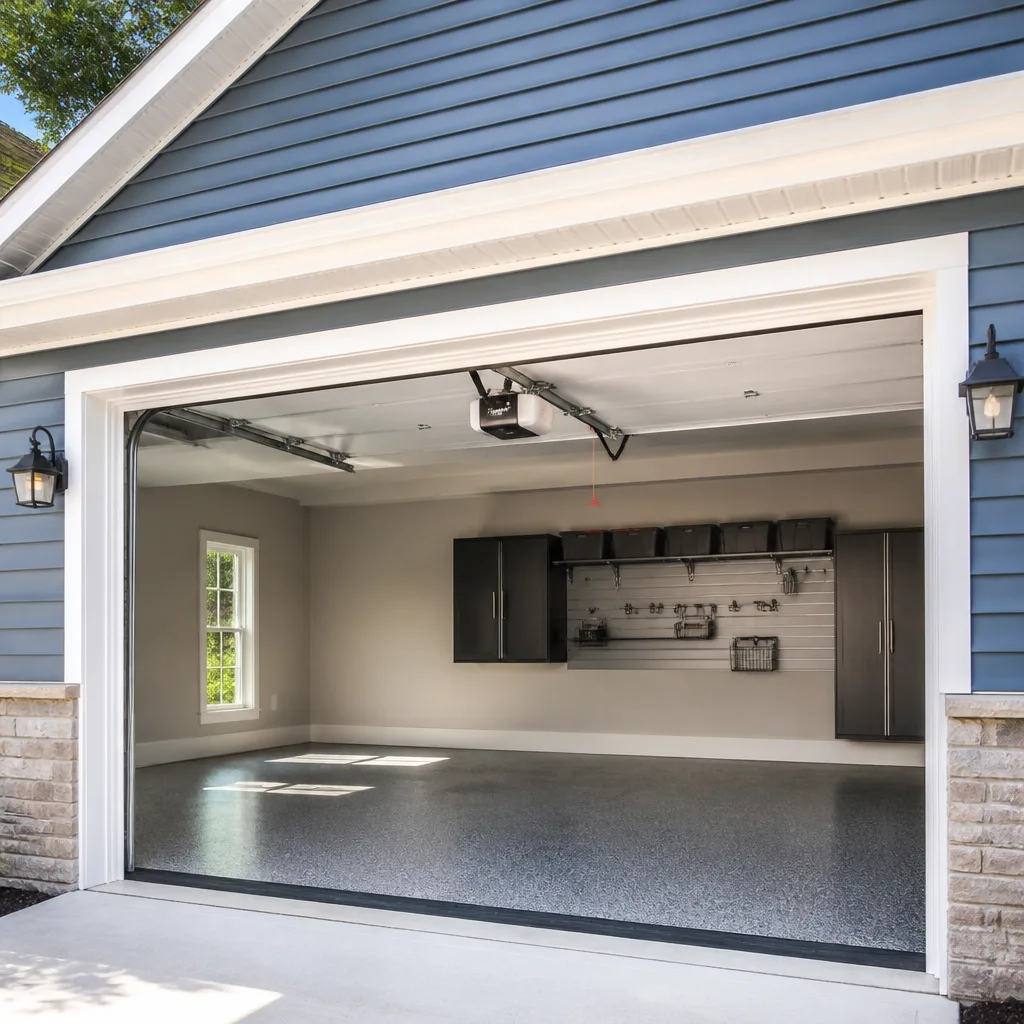 LiftMaster openers
 Chamberlain openers
Full 25-point door and opener safety check with every visit - springs, cables, rollers, tracks, and your LiftMaster or Chamberlain opener included
You get a price before we start. It does not change when the pro arrives.
Get your free estimateGarage Door Warning Signs: A Winchester Homeowner’s Reference Guide
A garage door that hesitates for half a second before it moves is not “warming up.” That pause is early spring fatigue, and in our experience it becomes a full stop within roughly 90 to 120 operating cycles. That’s a few weeks of normal use, not a few months. The door is telling you something now, while you still get to choose the day of the repair instead of the other way around. This guide is written for Winchester homeowners who plan to stay in their houses and want to read those signals accurately: the sounds worth ignoring, the sounds worth calling about, and the few that mean stop using the door today.
Quick Answer
The warning signs that matter most on a garage door are a door that hesitates or reverses on its own, grinding or popping sounds during travel, visible rust or separation on the springs, and a door that no longer holds its balance at the halfway point. Grinding, popping, and a sagging door are stop-and-call signals. Squeaks, minor cable hum, and slow opener response can usually wait for a scheduled visit. When in doubt in Winchester, stop operating the door and get it looked at.
Styles & brands we work with
- Raised-panel steel
- Carriage house
- Modern flush
- Full-view glass
- LiftMaster openers
- Chamberlain openers
Table of Contents
- Normal Sounds vs. Diagnostic Sounds
- Reading Rust Patterns on Winchester Springs
- The Balance Test as an Early-Warning Tool
- What Your Opener’s Behavior Is Telling You
- Severity Triage: Schedule vs. Stop Today
- Seasonal Patterns We See in Winchester
- Common Mistakes to Avoid
- When to Call a Professional
Normal Sounds vs. Diagnostic Sounds
Every garage door makes noise. The skill is telling apart the background noise of a healthy door from the sounds that point at a specific failing part. In our experience across Winchester, homeowners who can describe the sound accurately get faster, cheaper repairs because the technician arrives knowing what to expect.
These sounds are generally normal and rarely urgent:
- A soft hum from the opener motor during travel.
- A light, even whir from the rollers on the track.
- A faint cable hum as the door comes down.
- A single soft click when the opener engages or releases.
These sounds are diagnostic and point at a specific component:
- Grinding or a metal-on-metal scrape: usually worn rollers or a dry hinge. Left alone, it accelerates wear on the track.
- A sharp pop or bang from above the door: almost always a torsion spring breaking. Stop using the door. That spring is under high tension and carries the door’s weight; a broken spring can let the door drop hard and is not a DIY repair.
- A rhythmic squeal that speeds up with the door: a dry or failing bearing, often a roller or the opener’s drive gear. It won’t fix itself, and it usually gets louder within a week or two.
- A rattle that appears only in the last foot of travel: a loose track bolt or a bracket working free. Worth a look before it drops the door off balance.
We’ve heard all of these on Winchester doors in every part of town, from the older homes off West Charleston to newer builds out toward the foothills. If you can name the sound and when it happens, you’ve done most of the diagnostic work. If you’re hearing something you can’t quite place, that’s a good time to book a Garage Door Repair in Winchester visit and let a technician listen for themselves.
Reading Rust Patterns on Winchester Springs
Springs fail in two main ways: they wear out from cycles, or they corrode from the environment. Winchester’s dry, alkaline dust and hot summer swings punish springs in a pattern that’s slightly different from what you’d see in a wetter climate, and the rust pattern on your springs can tell you which failure you’re facing.
Here’s the distinction we use:
- Alkaline-dust corrosion shows as a fine, powdery orange bloom along the lower coils and the spring’s mounting plate. It usually starts where dust collects, then creeps along the wire. It’s a Winchester signature because of our dust and dry air, and it tends to shorten spring life more than cycle count alone would suggest.
- Age-related oxidation looks more like a uniform, dull brown patina across the whole spring with no bright orange. That’s the spring acknowledging its cycles. It’s not a warning by itself, but it tells you the spring is closer to the end of its service life.
- Bright orange in one spot, especially at the coil ends or the anchor plate, is the one to flag. That localized corrosion is where a spring will snap first. Call it in and get it on the schedule before it goes.
Take a look at the springs once a season, with the door closed, from a few feet back. Don’t touch them. Torsion springs are under extreme tension, and the safest thing you can do is look, note, and call. If you see the localized orange bloom, ask about a garage door spring and cable check rather than guessing at the part yourself.
The Balance Test as an Early-Warning Tool
The balance test is the single best early-warning tool a homeowner has, and it’s also the one most often misread because people treat it as pass/fail. It isn’t. It’s a spectrum, and where your door sits on that spectrum tells you how much life the springs have left.
The test, run with the door closed and the opener disengaged:
- Pull the red release handle to disconnect the opener. The door should be fully closed and the room clear.
- Lift the door by hand to about waist height, then let go gently.
- Watch what the door does next, then reengage the opener and don’t repeat the test more than once.
How to read the result:
- Door stays put at halfway: balanced. The springs are doing their share. Good sign.
- Door drifts slowly down: early spring fatigue. It’s still lifting, but it’s leaning on the opener to finish the job. Worth scheduling a service visit, not an emergency.
- Door drops quickly or slams: the spring is failing or already too weak to carry the door. Stop using the door and call.
- Door drifts upward on its own: over-tensioned or misadjusted spring. Also a call-us visit, because that’s not a door you want working unattended.
We’ve seen doors in Winchester drift a little for a year before the spring finally breaks. That slow drift is the window you want. It means you can book a tune-up and a spring check on your own calendar, on a Tuesday morning, instead of chasing a broken door on a Friday night. The test is a picture of where your door is, not a verdict. Read it that way and it’s the most useful five minutes you’ll spend on the door this season.
What Your Opener’s Behavior Is Telling You
Your opener is the part of the system most likely to get blamed for a problem it didn’t cause. In our experience, opener symptoms are usually a report on the door, not the motor. Here’s how to read the three behaviors we hear about most in Winchester.
Reversing
A door that starts down and then reverses, especially without anything in its path, usually has a safety sensor that’s out of alignment or a sensitivity set too tight. If the reversing is intermittent, look for an obstruction in the sensor beam (spider webs, a bagged newspaper, a trash can scooted in front). If the door reverses even when the beam is clear, the opener’s travel limits need adjusting. On older units, a failing logic board shows up the same way, which is why “just keep pressing the button” is not a repair plan.
Hesitating
A half-second pause before the door moves is the classic opener-side version of early spring fatigue. The opener is doing more lifting than it should because the springs aren’t carrying their share. Fix the springs and the hesitation often disappears. On a door with healthy springs, hesitation points at a failing capacitor or a motor that’s on its way out.
Running Longer Than Usual
The door still goes up and down, but it takes noticeably longer. In our experience this is either a door that’s out of balance, a track that’s binding, or a drive gear that’s wearing. It’s an early warning, not an emergency. Have it looked at before the motor decides to stop working on its own schedule.
If your opener is a LiftMaster, Chamberlain, Genie, or an older Craftsman or Wayne Dalton unit, factory-familiar technicians can usually tell within a few minutes whether the opener needs service or the door does. Book a Garage Door Opener in Winchester check if the behavior is consistent, not just occasional.
Severity Triage: Schedule vs. Stop Today
Not every warning sign is an emergency, and treating every squeak like a crisis leads to rushed decisions and overpriced repairs. Use this triage table as a first pass. When in doubt, treat it as a “stop today” and call.
- Schedule a normal visit: Light squeaks during travel; a slow hesitation at the start; a door that drifts slowly down at halfway; a single opener reversing occasionally in cold weather; minor rust without localized orange spots.
- Schedule soon (this week): A grinding or scraping sound that’s getting louder; a door running noticeably longer than usual; a strange looseness in a track bolt; a reversing opener that does it more than once a day; rust concentrating on one part of a spring.
- Stop using the door today: Any pop or bang from above the door; a door that drops fast or slams during the balance test; a bent or separated spring; a visibly frayed or twisted cable; a door off its track; a door that reverses every time with a clear sensor beam; a door that feels suddenly heavier to lift by hand; any sign of a loose bracket or a hanging panel.
The “stop today” list is the one to take seriously. A broken spring or a slacked cable can let a door drop fast, and a door off its track can come down unevenly and damage the panel or injure someone standing under it. That’s the reason we ask you to stop operating the door and call rather than try to coax it up “just once.” A door that fails on the way down is a much more expensive repair than the spring you noticed yesterday. Mainspring answers live, 24/7, including nights and weekends, at (888) 326-0817.
Seasonal Patterns We See in Winchester
Garage door problems in Winchester follow the calendar in ways that are worth knowing. The desert southwest’s heat and dry airs push different failures to different months, and reading the season can give you a head start.
In spring and early summer, when the daytime temperatures swing from the 50s to the high 80s, we see the most broken springs and stretched cables. The metal in a torsion spring expands and contracts with each temperature swing, and after twenty years of that, small cracks along the coil turn into a snap. That’s why the half-second hesitation you notice in April is usually a sign the spring is heading for a summer failure.
In the peak summer months, we hear more opener overheating and intermittent reversing calls. The opener’s motor and the logic board both run hotter in a garage that gets past 110 degrees inside, and a unit close to the end of its life shows it first in July and August. That’s a good time to check the door’s balance once a month rather than once a season.
In fall and winter, the complaints shift to squeaks and slow starts. Cold tightens the metal and thickens the lubricant, so a door that was fine in June can sound tired in December. It usually isn’t failing; it just needs a tune-up before the cold sets in. This is also the season homeowners notice the rust pattern on the springs first, because the garage is cooler and easier to inspect.
If you’re not sure which season your door is in, that’s fine. The signs above apply year-round. A Garage Door Installation in Winchester quote is the right call when a door is beyond repair and the springs, cables, and opener are all at the end of their lives together.
Common Mistakes to Avoid
- Lubricating a torsion spring. The springs are under extreme tension, and oil attracts Winchester’s alkaline dust into the coils. It can accelerate the corrosion you’re trying to slow. Leave them alone and lubricate the rollers and hinges instead.
- Treating a pop or bang as a fluke. A torsion spring making a loud pop has just broken. Running the door again to “see if it works” is how a broken spring becomes a bent track and a door that won’t open at all.
- Adjusting the opener travel limits without fixing the door. If the door is out of balance, cranking up the opener’s force setting is a short-term trick. The motor keeps working harder until it fails, and it’s the motor you pay for next.
- Ignoring the balance test after a repair. Any time the springs are replaced or the cables adjusted, the balance test should be repeated. A door that’s not balanced on day one will drift on day thirty.
- Choosing the lowest bid on a spring replacement. Cycles are not stamped on the outside of a spring. A cheap spring with a low cycle rating will fail years before a quality one, and the labor is the same either way.
- Doing your own diagnostics with the door raised. Reaching into the mechanism above the door with it open invites a serious injury if a spring lets go. Look from a safe distance with the door closed, and call for anything that needs hands on metal.
When to Call a Professional
Call a professional the moment you hear a pop, see a separated spring, notice a frayed cable, or find the door off its track. Those are not homeowner tasks. Torsion springs, cables, and the tension they hold are genuinely dangerous to work on, and a trained technician is the right answer for those repairs. Call us sooner than later if you’ve done the balance test and the door slams, drops, or drifts on its own. Daytime scheduling is fine for hesitation, squeals, single reverses, and rust you’re tracking. For the signs on the “stop today” list, call right away, day or night. Mainspring offers free estimates in Winchester. Call (888) 326-0817 and a live person will answer, any hour.
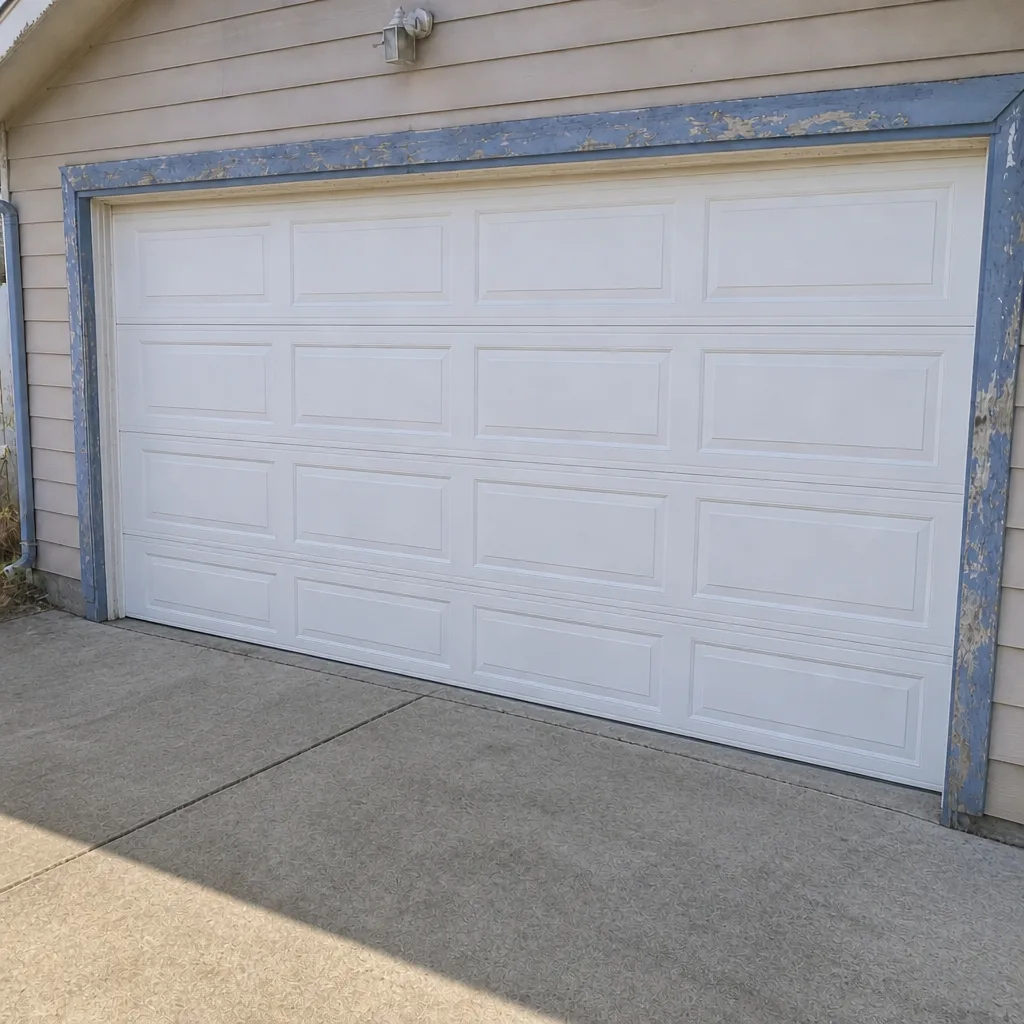
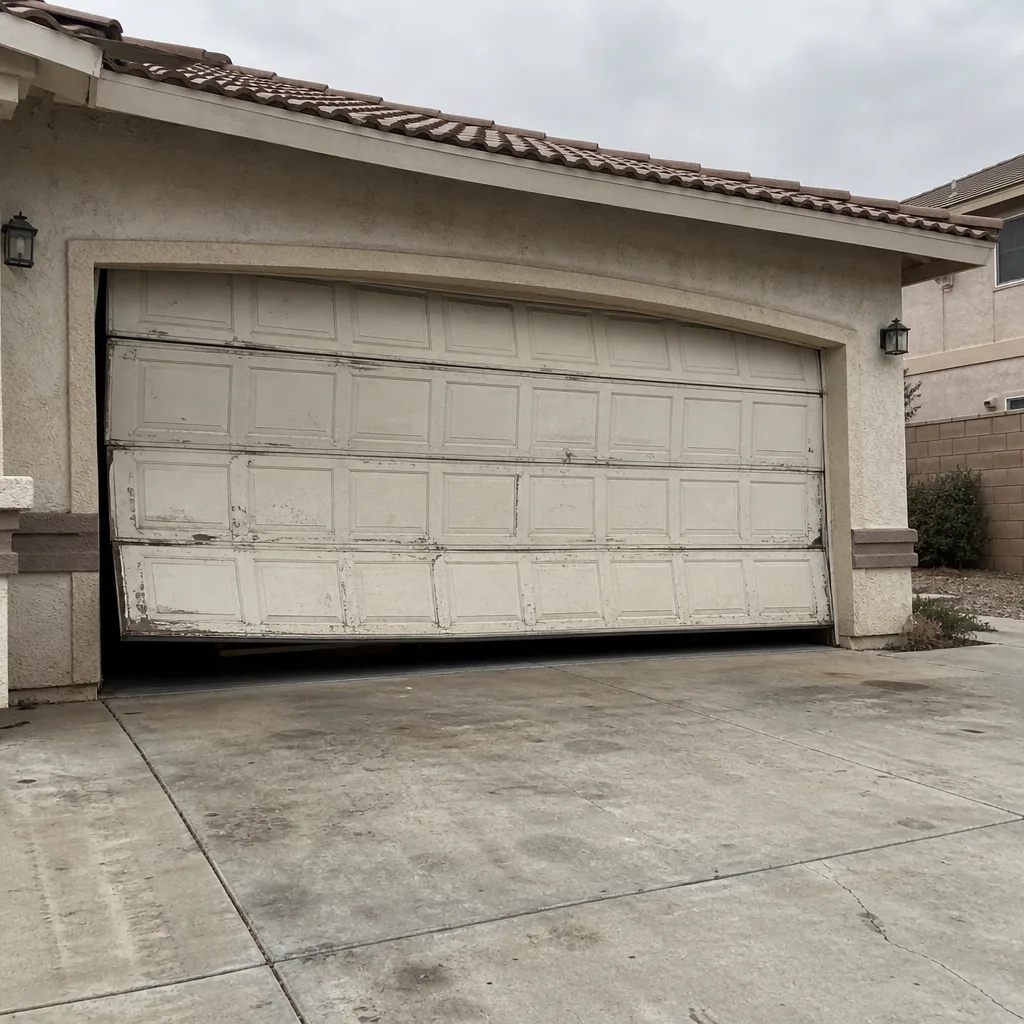
See the difference
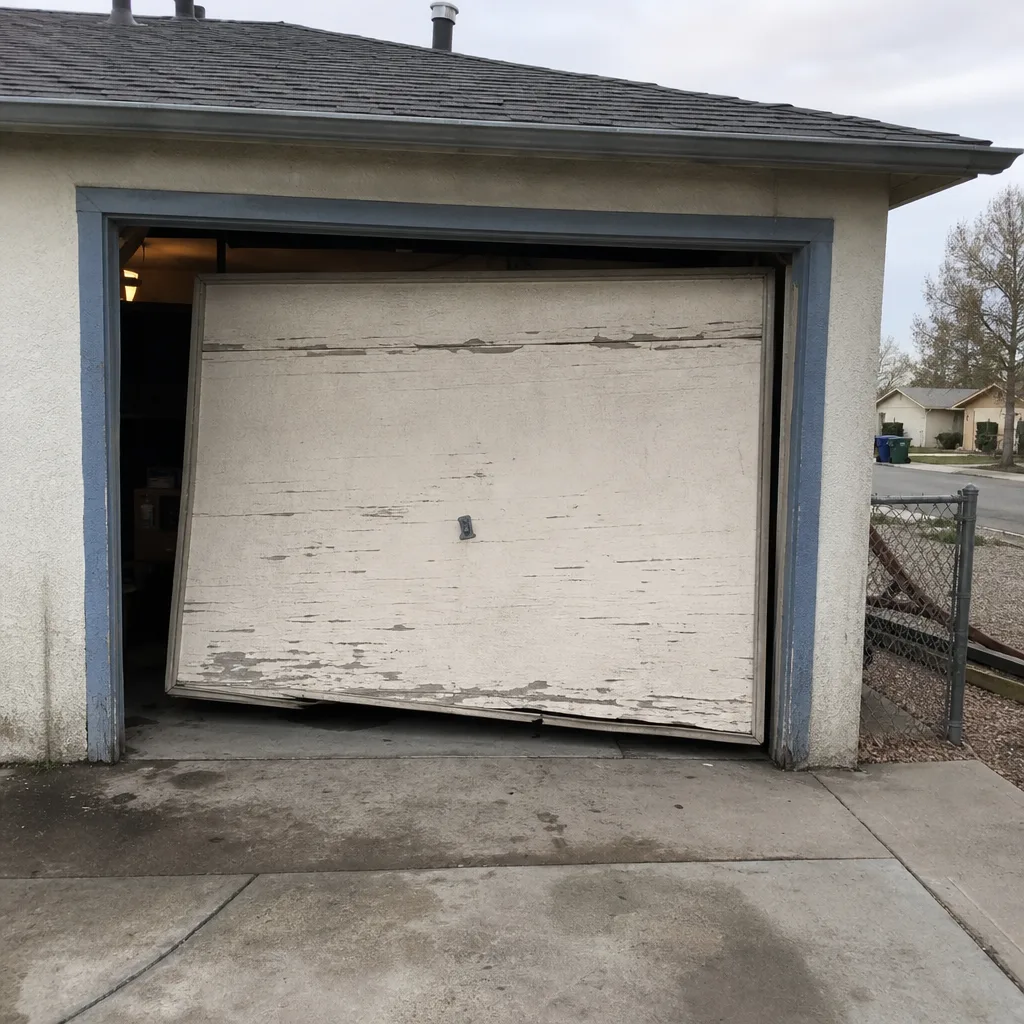 Before
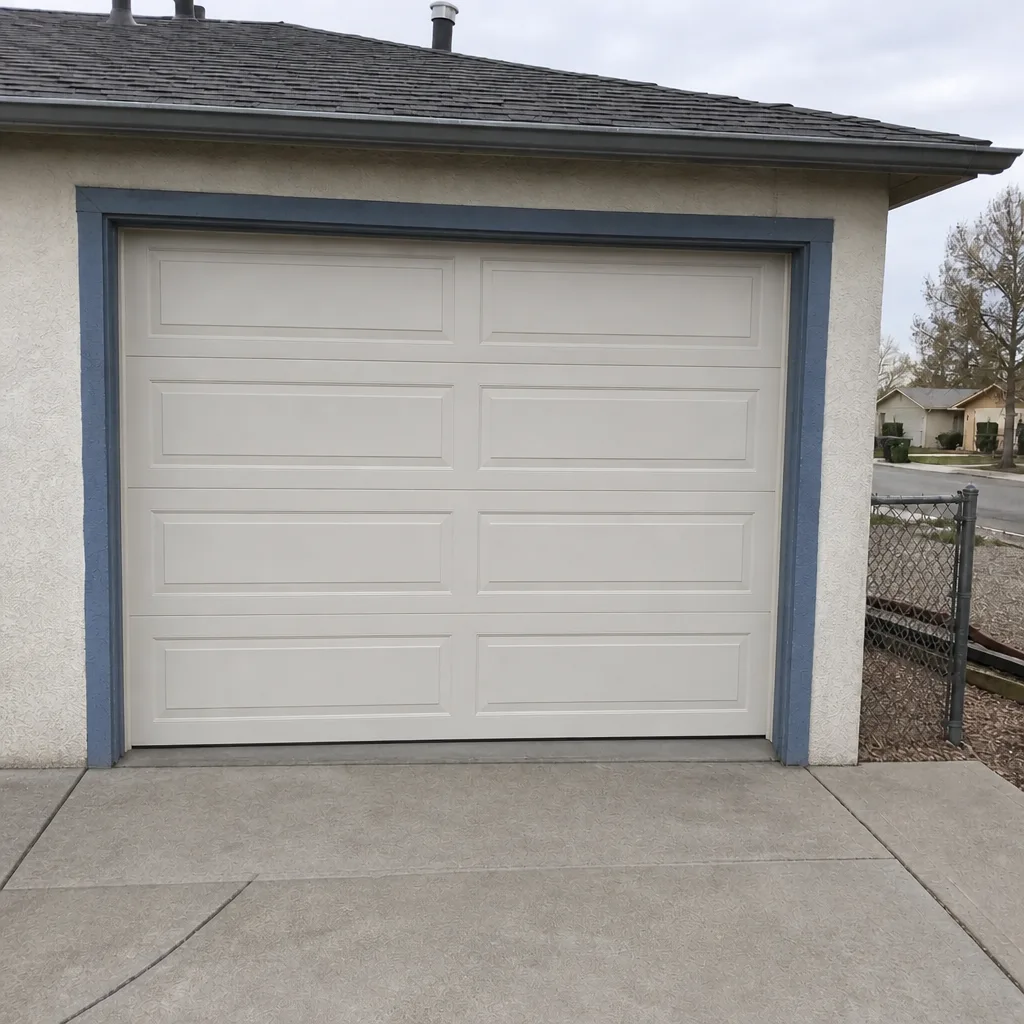 After
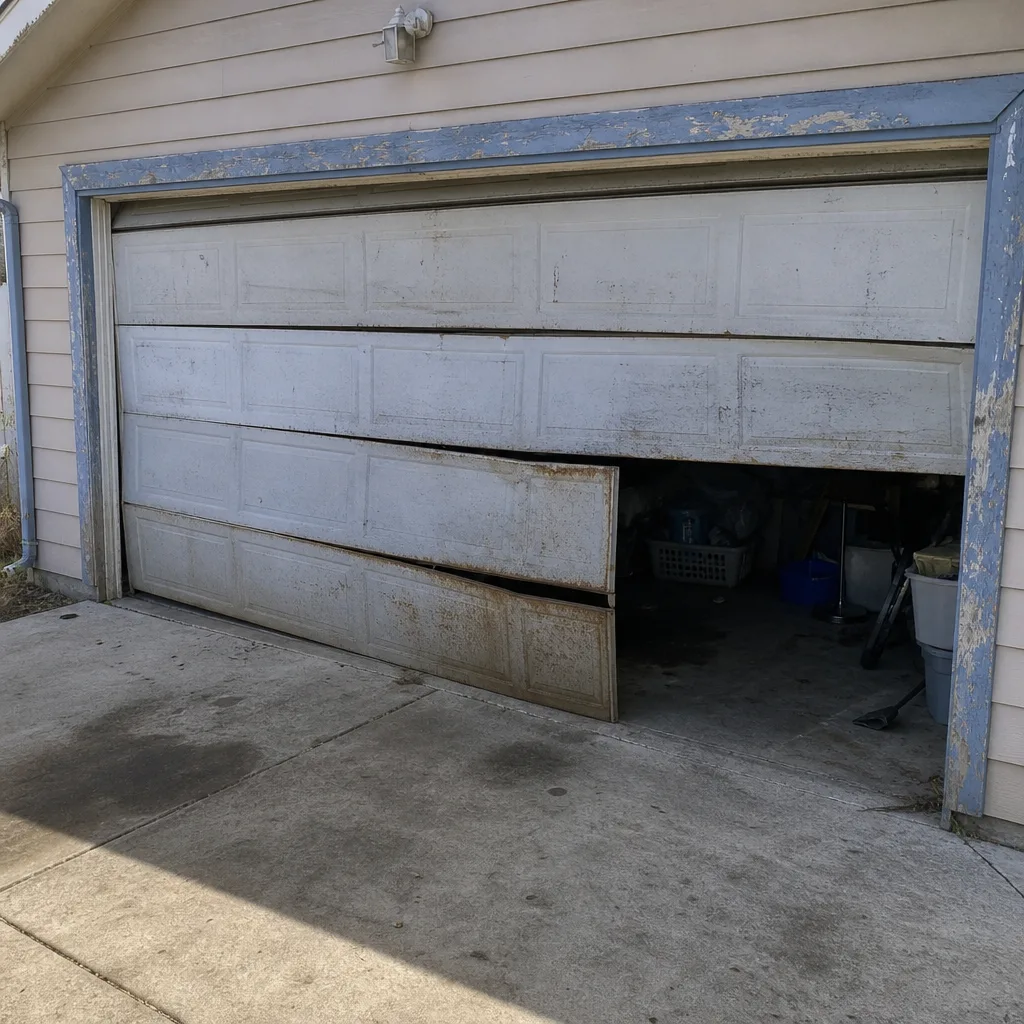 Before
 After
 Before
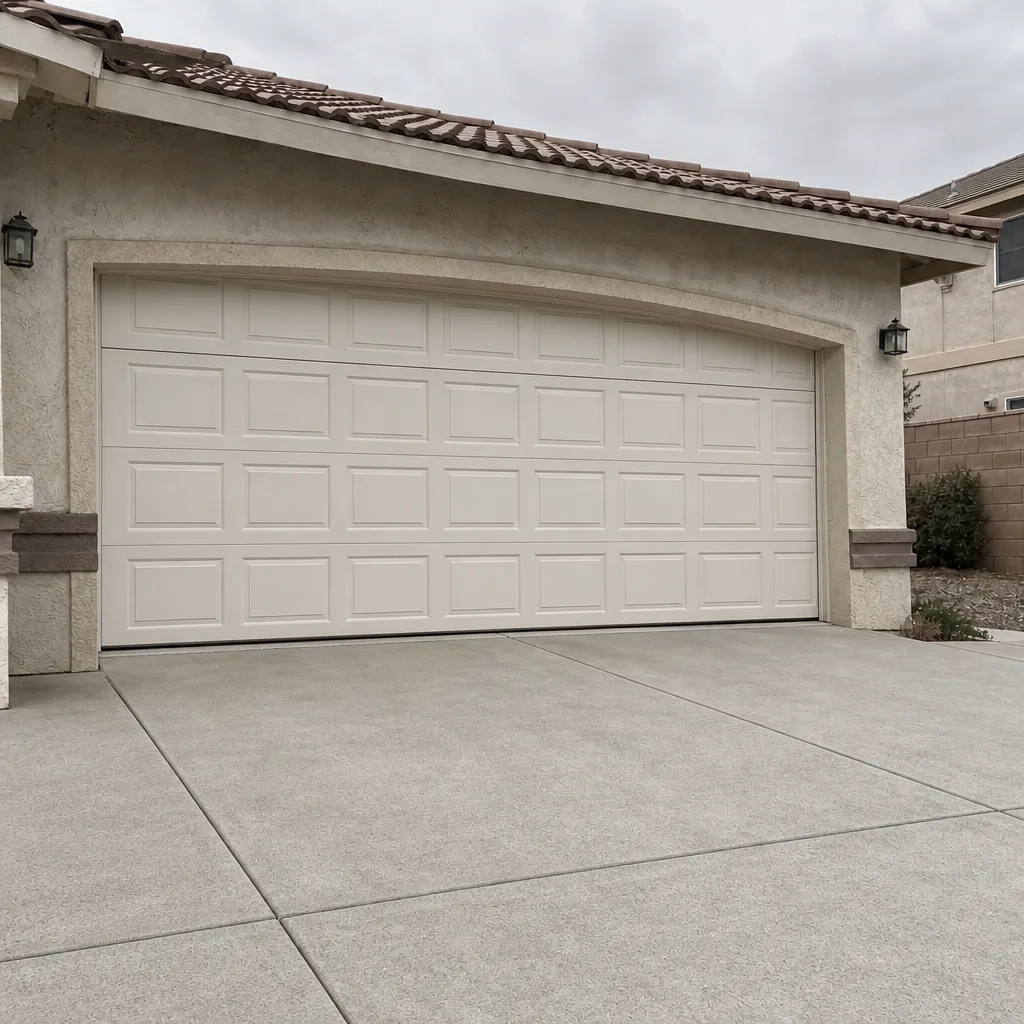 After
Frequently Asked Questions
The three early signs are a half-second hesitation at the start of travel, a door that drifts down slowly during the balance test, and localized orange rust at the coil ends or anchor plate. Any of those means the spring is at the end of its cycle life. A pop or bang means it has already broken. Call Mainspring at (888) 326-0817 for a free estimate; we carry springs on the truck so most replacements finish in one visit.
Grinding on its own is usually a worn roller or dry hinge and is not immediately dangerous, but it needs attention before it starts wearing the track. Grinding plus a door that lifts heavy or sags, or grinding that appears with a popping sound, is a stop-today signal. Call us and we’ll tell you which it is over the phone; a technician can usually tell within a minute.
A door that reverses with a clear sensor beam usually has a travel-limit or sensitivity setting that’s out of adjustment, or an aging logic board that needs attention. It’s not a door you want reversing unattended. Book a quick opener service visit, and if you’re not sure, we’ll come out and take a look with the price confirmed before any work begins.
In our experience, a single torsion spring replacement in Winchester typically runs somewhere in the low-to-mid hundreds of dollars, with the exact price depending on the door’s weight and the springs needed. We quote and agree the flat price before any work starts, so the bill matches the number you were given. There are no surprises on the bill. Mainspring currently runs $50 off any repair over $250 and a permanent 5% discount for seniors and veterans. Call (888) 326-0817 for an exact quote; estimates are free.
Yes, on the rollers, hinges, and track, using a proper garage door lubricant once or twice a year. Don’t lubricate the torsion springs, the cables, or the opener’s drive rail. Springs and cables are under tension and should only be handled by a trained technician. If you’re not sure which parts are safe, ask us on the call and we’ll walk you through it; it’s a five-minute conversation.
For repairs and emergencies, yes, same-day is common. Spring breaks, off-track doors, and opener failures are the calls we prioritize, and we answer live, 24/7, including weekends and holidays. Installation and replacement work is measured and scheduled, not same-day. Call (888) 326-0817 and we’ll give you a straight answer on timing.
The Bottom Line
Most garage door failures give you weeks of warning, and those weeks are the difference between a scheduled repair and an emergency. Read the signs correctly: a half-second hesitation, a slow drift during the balance test, orange rust at the coil ends, a grinding or popping sound from above the door. Those are the door talking to you. If it’s on the “stop today” list, stop using the door and call. If it’s on the “this week” list, book it now while the calendar is yours. Mainspring carries springs, cables, and openers on the truck, most jobs finish in a single visit, and every job is covered by the 90-Day Done Right Promise in writing. Mainspring Garage Door Co. Winchester offers free estimates and answers the phone with a live person around the clock. Call (888) 326-0817 for a free estimate, and let’s get the door running right.
Written by the team at Mainspring Garage Door Co. Winchester.