
Last updated November 18, 2026
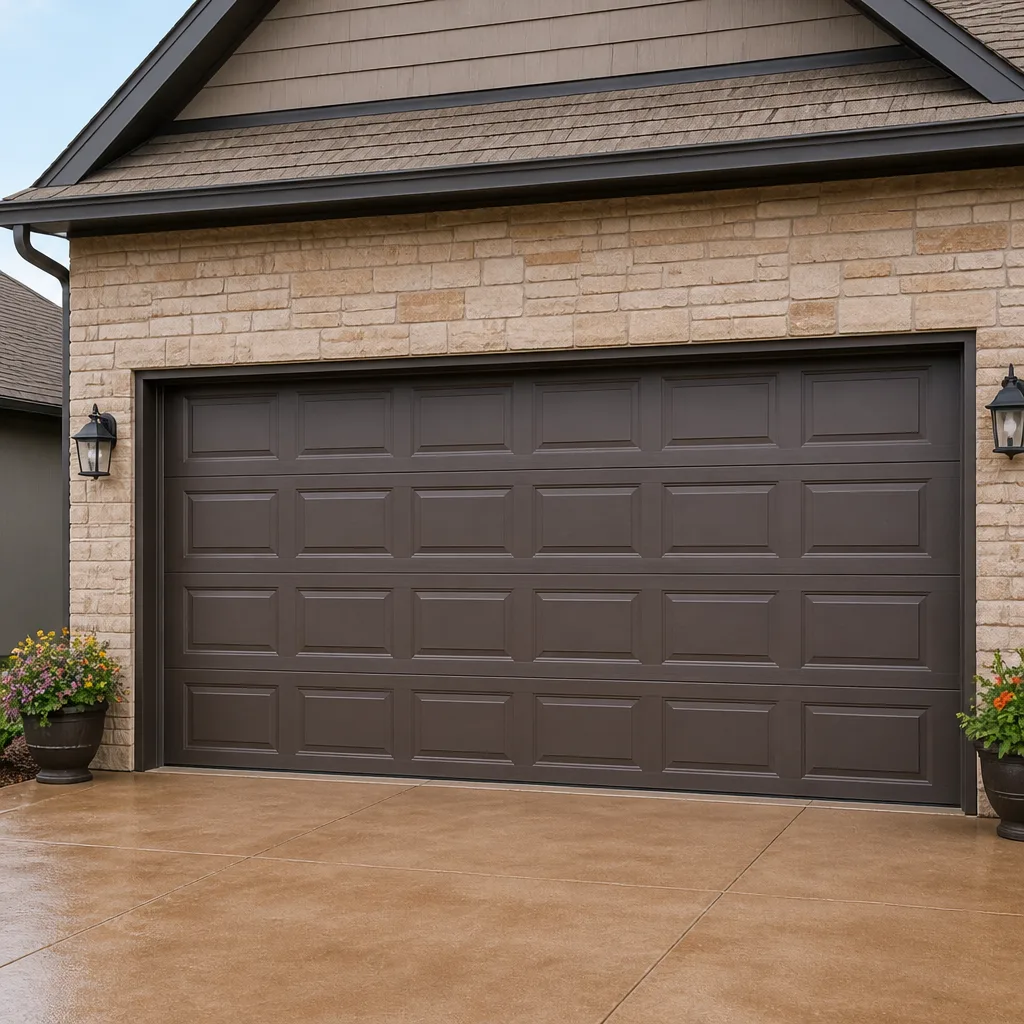 Raised-panel steel
 Carriage house
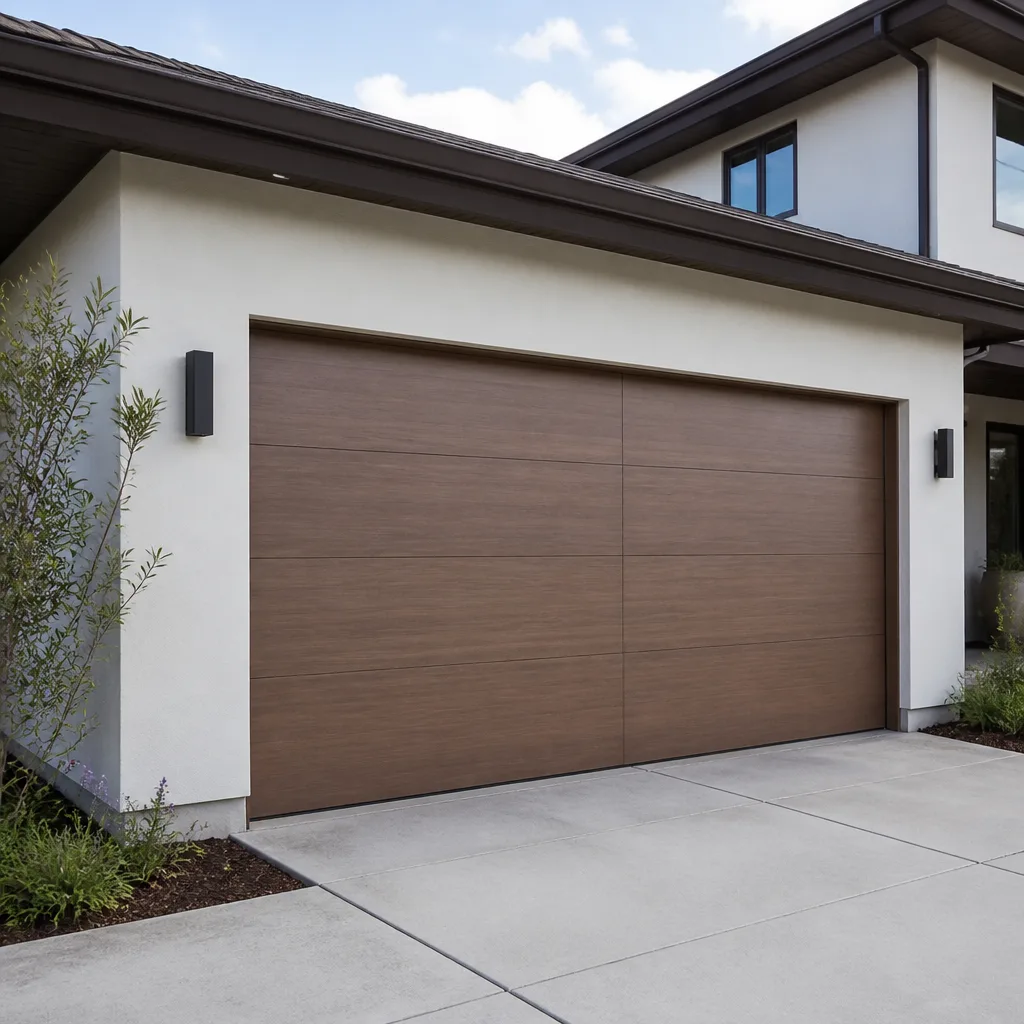 Modern flush
 Full-view glass
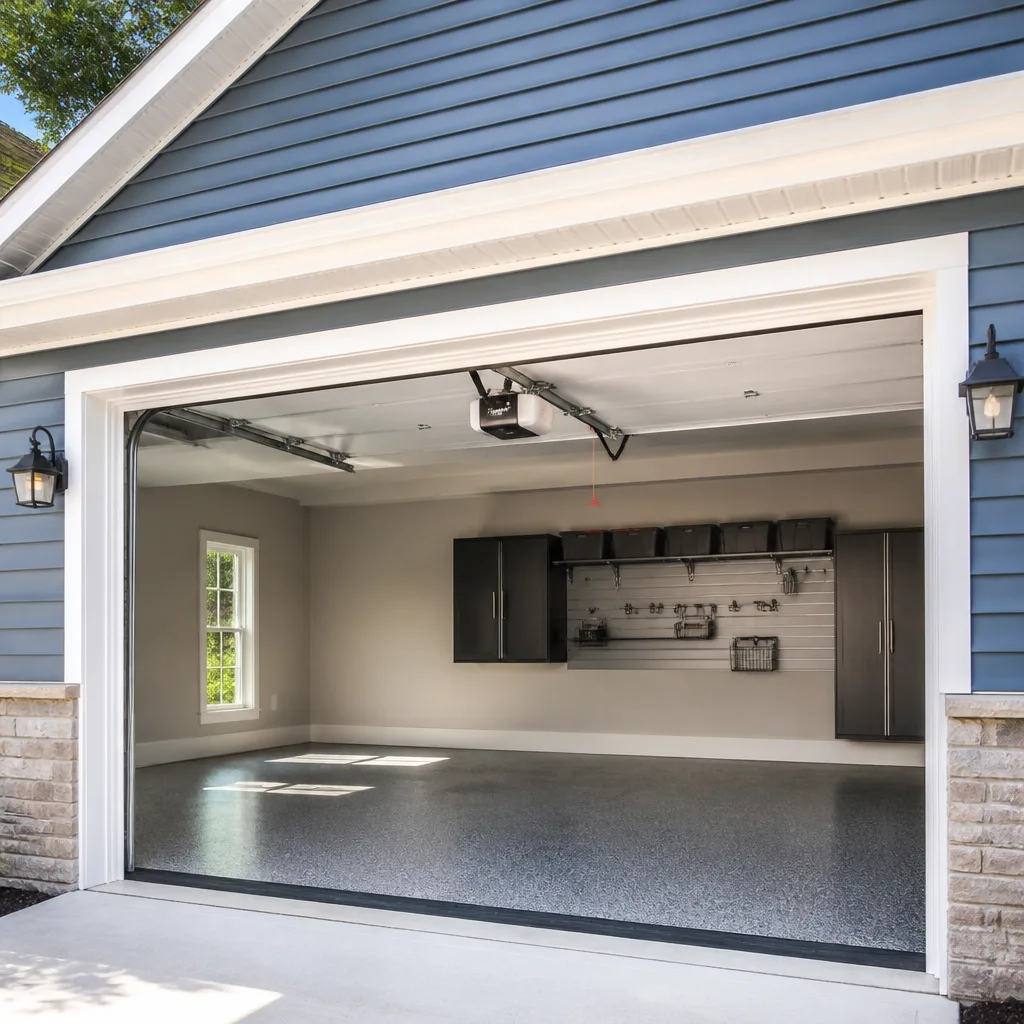 LiftMaster openers
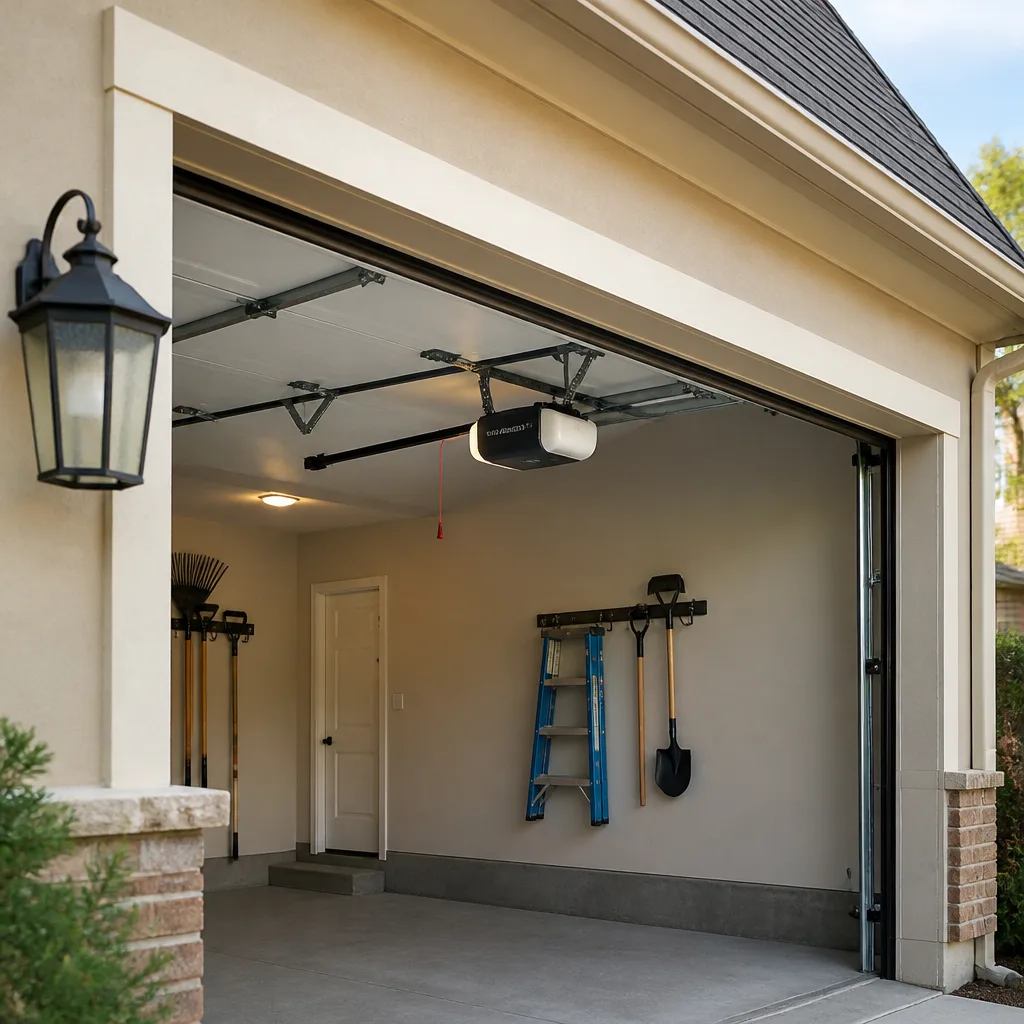 Chamberlain openers
Full 25-point door and opener safety check with every visit - springs, cables, rollers, tracks, and your LiftMaster or Chamberlain opener included
You get a price before we start. It does not change when the pro arrives.
Get your free estimateGarage Door Installation Maintenance Schedule: What to Do and When
Here’s something almost no installer tells you on the day the truck pulls away: your new door isn’t finished settling. New springs stretch. New cables seat themselves onto the drums. Lag bolts work a fraction of an inch into fresh wood. That settling takes about 30 days, and a quick check at the end of it is the difference between a door that runs true for years and a warranty call you didn’t see coming. Most homeowners skip it, keep the maintenance habits from their old worn-out door, and either fuss over a door that needs nothing or ignore one that’s quietly drifting out of adjustment. This guide gives you a fresh schedule built for the break-in period and the long wear curve after it, with notes that fit our high-desert corner of Winchester.
Quick Answer
A newly installed garage door needs a settling check at 30 days, then lubrication and a balance check every six months, a full tune-up once a year, and a professional inspection every two to three years. Steel insulated doors need less frequent refinishing than wood composite doors in Winchester’s dry climate, and belt, chain, and screw-drive openers each follow their own lubrication interval.
Styles & brands we work with
- Raised-panel steel
- Carriage house
- Modern flush
- Full-view glass
- LiftMaster openers
- Chamberlain openers
Table of Contents
- The First 30 Days: Your Break-In Baseline
- The 30-Day Settling Check: What Loosens and What to Tighten
- Steel Insulated vs. Wood Composite in a High-Desert Climate
- Opener Maintenance by Drive Type: Belt, Chain, and Screw
- Your First-Year Calendar
- Which First-Year Tasks the Installer Should Handle
- How to Log Maintenance So the Next Technician Isn’t Guessing
- Common Mistakes to Avoid
- When to Call a Professional
- Frequently Asked Questions
The First 30 Days: Your Break-In Baseline
A new door and a new opener break in the way a new pair of boots does. Everything tightens down, seats, and finds its place. The door itself is usually fine. What moves is the hardware around it: springs stretch under load, cables settle onto the drums, and the fasteners that hold the track to the jamb work their way a little looser as the wood and metal find their fit. That’s normal. It’s also the reason a door that ran quiet on day one can sound different by week four.
What this means practically is that you shouldn’t judge a new door by its first month of behavior. Don’t adjust anything yet, either. A door that’s still settling may look slightly out of balance when it’s really just working into its final geometry. The single most useful thing you can do early is watch and listen:
- Sound. Note any new squeak, scrape, or bang that appears between day one and day thirty. Where it comes from (left side, right side, overhead) tells a technician a lot.
- Balance. Does the door feel heavier or lighter than it did the first week? Does it hang even, or does one side sit higher?
- Travel. Does it open and close fully without the opener straining at either end?
- Weather seal. In a dry valley like Winchester’s, a new bottom seal can shrink or seat unevenly within that first month. Look for gaps at the corners.
Write these observations down as they happen. You’ll see why in the logging section below. When it’s time to schedule the first real maintenance visit, our Garage Door Installation in Winchester page lays out what a fresh install includes and what to expect after it.
The 30-Day Settling Check: What Loosens and What to Tighten
This is the check that gets skipped. It’s also where a lot of “the door never worked right” complaints actually start. At roughly the 30-day mark, work through this list. Some of it you can do safely. The parts near the springs and cables you inspect from a distance and leave alone.
- Look at the hinge plates and roller brackets. The lag screws holding these to the door panel can back out slightly as the door flexes. Check them by hand. If a screw turns easily, it has loosened. Snug it, don’t crank it.
- Check the track fasteners at the jamb. Run your thumb along the track on both sides and feel for any wobble. A track that rattles when the door moves is a track that needs attention.
- Inspect the operator rail and its hangers. Bolt connections between the rail and the header bracket loosen over the first month more than any other fastening point.
- Watch the cables seat. Cables should sit flat and even in the drum grooves. A cable that looks frayed, kinked, or is riding up on the drum is not a homeowner fix. Call us.
- Test the safety reverse. Lay a two-by-four flat on the floor in the door’s path and close it. The door should reverse on contact. This takes ten seconds and confirms a safety feature that matters every single day.
- Recheck the balance. Disconnect the opener and lift the door halfway by hand. It should hold roughly where you leave it. If it drops or rises on its own, the spring tension needs a professional adjustment.
- Note the weather-seal gaps. Bottom and side seals should meet the floor and frame with no daylight showing through.
Safety note: torsion springs and the cables that run with them store enormous force, and a spring that lets go or a cable that slips can cause serious injury. Never adjust spring tension, never loosen a cable, and never put your hands in the gap between the door and the jamb. Inspect from a distance and call a trained technician for anything in that system.
Steel Insulated vs. Wood Composite in a High-Desert Climate
Winchester sits in a dry, high-desert pocket with big swings between a hot afternoon and a cold night. That climate is hard on doors in a specific way: it doesn’t rot them, it dries them out. The maintenance schedule for a steel insulated door and a wood composite door look similar on paper, but the details diverge fast. Most brands we work with, from Amarr to Wayne Dalton, build both, and the care differs by material.
Steel insulated doors
- Wash and inspect twice a year. Wipe the panels, check for scratches through the finish, and touch up any bare spot before rust gets a foothold. In Winchester’s dust, grit collects in the panel seams and abrades paint over time.
- Wax or seal annually. A light coat preserves the finish and makes the next dust season easier to clean off.
- Check the insulation bond. On an insulated steel door, the foam core can separate from the skin if the door is ever dented. A rattle or hollow knock when you tap a panel is worth a look.
- Lubricate moving parts every six months. Dry climate means less corrosion but just as much wear on hinges and rollers.
Wood composite doors
- Inspect for checking and splitting once a year. Wood composite is more dimensionally stable than solid wood, but dry high-desert air still pulls moisture out of it. Fine surface cracks that appear in the first summer are usually cosmetic. Cracks that open and stay open need filling and refinishing.
- Refinish every two to three years. Composite finishes don’t last as long in strong sun. A failing topcoat lets moisture in during the rare wet season and out again in the dry one, which is how a finish problem becomes a panel problem.
- Keep the bottom rail dry. It sits closest to the ground and takes the most moisture. Check the bottom seal and the rail’s finish together.
- Lubricate moving parts every six months. Same as steel, but pay extra attention to the hinges where wood composite fasteners can loosen as the material moves.
Our Garage Door Repair in Winchester page covers the repair side of what happens when these schedules get missed.
Opener Maintenance by Drive Type: Belt, Chain, and Screw
The door gets all the attention, but the opener carries its own maintenance clock, and that clock runs differently depending on how the drive works. Lubricating a belt drive the way you’d lubricate a chain drive is a common mistake, and it does more harm than good. Here’s how each type is cared for.
Belt drive
- Clean the belt, don’t grease it. A belt drive is built for quiet running. Grease attracts dust and grit, which can cause the belt to slip or wear. Wipe it down and check tension annually. Belt drives are the quietest option and popular on newer homes, but they do stretch slightly over time.
- Check the belt tension once a year. A belt that’s too loose chatters. Too tight and it wears fast.
Chain drive
- Lubricate the chain every six months. A light, non-gumming lubricant keeps it quiet and moving freely. In Winchester’s dry dust, a dry chain picks up grit quickly, so this interval matters.
- Check chain tension and sag annually. A little slack is correct. Too much and it can jump the sprocket.
Screw drive
- Grease the screw once or twice a year. The threaded drive rod needs a proper screw-drive lubricant to stay quiet. This is the drive type that most needs its specific lubricant, not a substitute.
- Listen for grinding. A dry screw drive announces itself with a metallic grinding sound before it fails.
No matter the drive type, test the safety reverse monthly and check the opener’s force settings after any door adjustment. Brands like Chamberlain, Genie, and LiftMaster all put the safety-reverse and force adjustments in roughly the same place, and our Garage Door Opener in Winchester page walks through what each adjustment does.
Your First-Year Calendar
Here’s the whole first year at a glance. Print it, stick it inside the garage door of the house, and check it off. This calendar assumes a door installed during a mild season. If your install happened in the middle of a Winchester summer, move the 30-day check a couple of weeks earlier.
- Day 1: Note the door’s initial sound, balance, and travel. Confirm the safety reverse works.
- Day 30: Settling check. Inspect fasteners, track, and rail connections. Note any new sound. Recheck balance by hand. Do not adjust spring tension.
- Month 3: Second look at weather seals, especially the bottom seal as the dry season settles in.
- Month 6: Lubricate hinges, rollers, and the opener drive per its type. Test the safety reverse. Recheck the balance.
- Month 9: Confirm the door still opens and closes fully and evenly. Listen for anything new.
- Month 12: Annual tune-up. Full inspection of springs, cables, rollers, hinges, and opener. Repaint or touch up any finish wear on steel or wood composite.
After year one, the schedule settles into twice-a-year lubrication and safety checks, an annual tune-up, and a professional inspection every two to three years. You can book a Winchester visit with our standing $89 Seasonal Tune-Up whenever that six-month mark comes around.
Which First-Year Tasks the Installer Should Handle
A new door comes with a warranty, and a few of the jobs in the first year belong to the installer, not to you. Doing them yourself can void coverage. Here’s the short list of tasks to call the installer about rather than tackle alone.
- Spring tension adjustments. If the door has gone out of balance or a spring needs re-tensioning within the warranty period, that’s the installer’s job. This is true for safety reasons and warranty reasons alike.
- Cable replacement or re-seating. Cables that slip, kink, or show fraying in year one are the installer’s responsibility.
- Track realignment. A track that’s been pushed out of plumb (by a hit, a settling foundation, or a bad install) should be straightened by a professional, not bent back in place.
- Opener force and limit settings after any adjustment. If the door’s travel or balance changes, the opener settings have to be matched to it. That’s a service call.
- Panel replacement. A dented or damaged panel within warranty is a replacement job, and the panel has to match.
Most manufacturers, including names like Raynor and Craftsman, tie their warranty to the door being installed and maintained correctly. Keeping your documentation is your side of that bargain. If something’s not right in year one, call before you touch it. Our Mainspring Garage Door Co. Winchester home page has the number and the full picture of what we do.
How to Log Maintenance So the Next Technician Isn’t Guessing
A garage door has no service history printed on it. When a technician arrives to fix a problem, they’re working from what you remember and what they can see. A simple log fixes that, and it’s the difference between a quick accurate repair and a diagnostic guessing game. You don’t need anything fancy. A notebook taped to the wall or a note on your phone works.
Log these five things every time anything happens to the door:
- Date and what was done. “Lubricated hinges and chain drive. Tested reverse.” Keep it short.
- Who did it. You, a technician, or a brand name. Include the work order number if there was one.
- Parts replaced. A hinge, a roller, a spring, a bottom seal. Note the brand and any part number from the box or the invoice.
- Symptoms before the work. “Banging on the right side when closing.” This is the single most useful line for the next technician.
- Adjustments made. If an opener’s force or limit setting was changed, write it down. That setting is invisible to the naked eye and easy to get wrong.
When you call us out, that log lets our technician read the history and go straight to the likely cause. It’s a small habit that saves time and money down the line.
See the difference
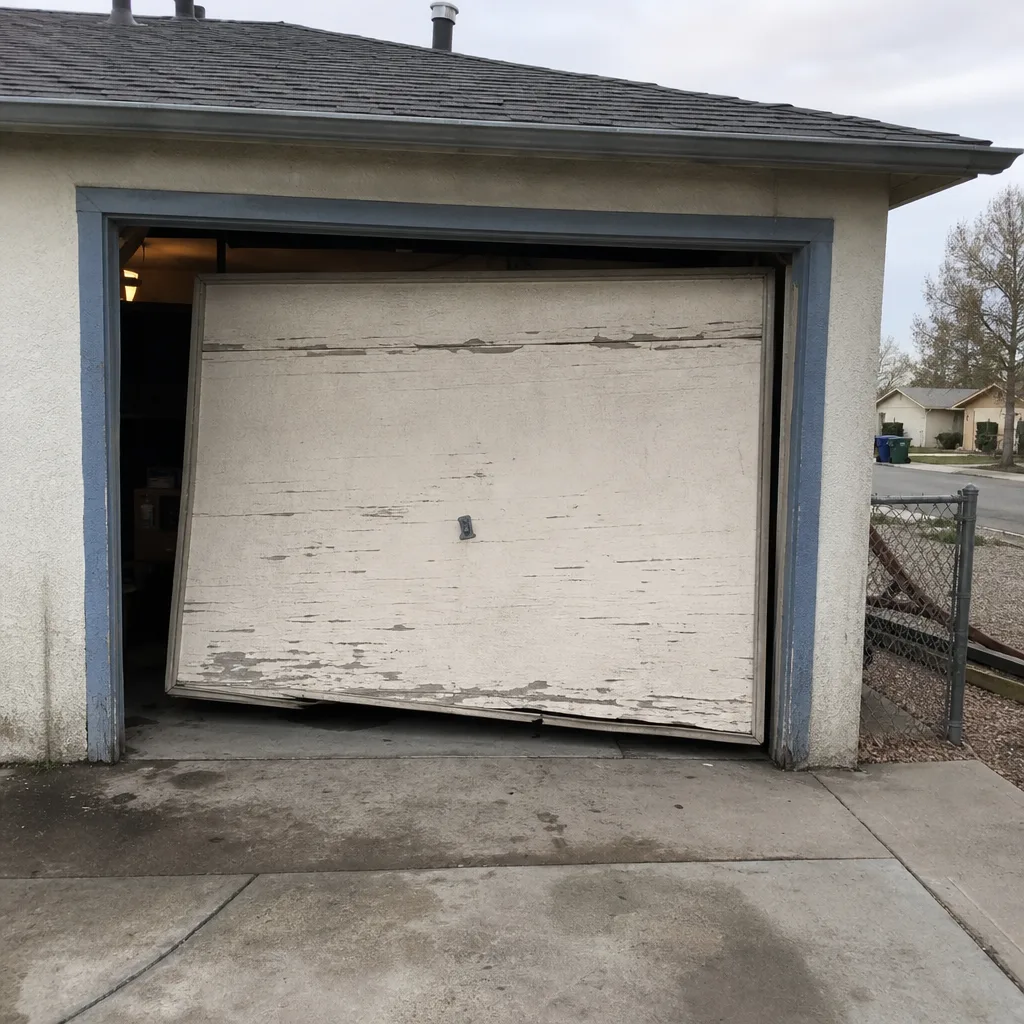 Before
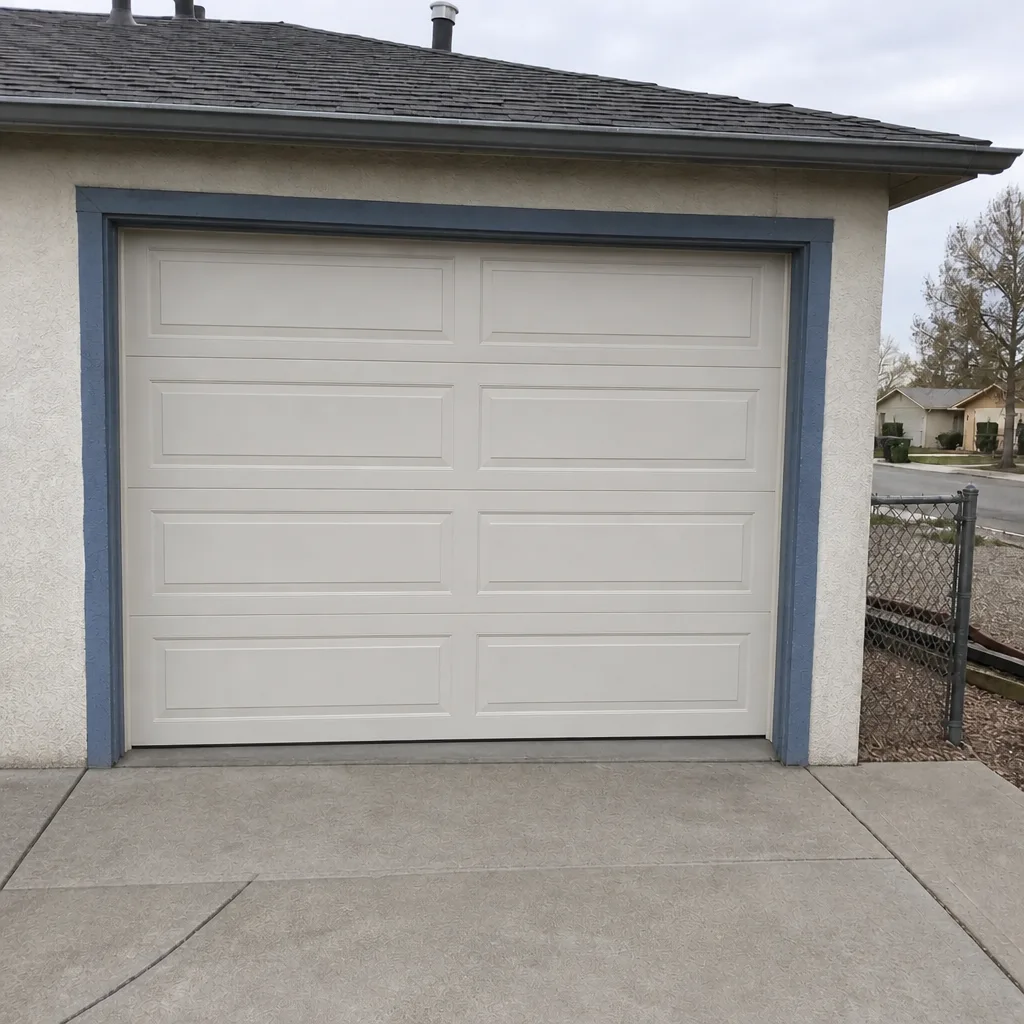 After
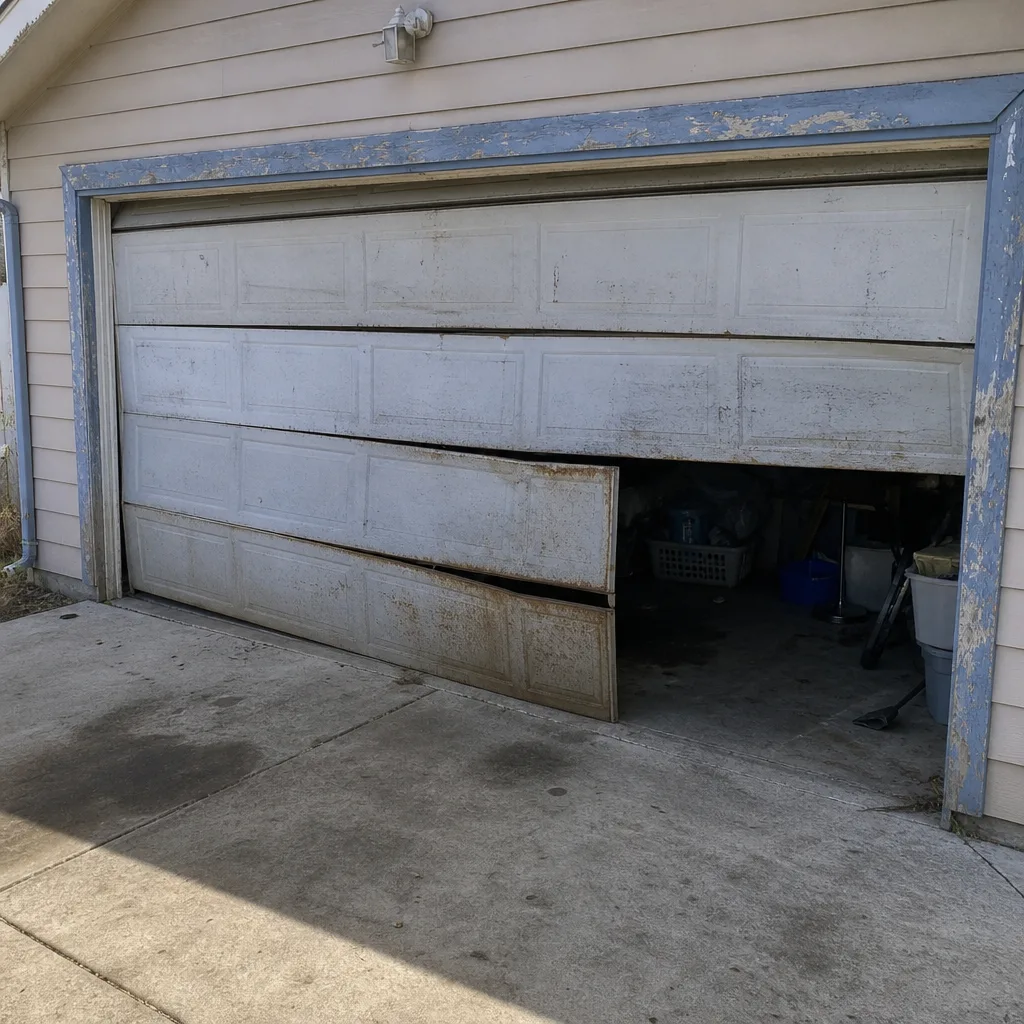 Before
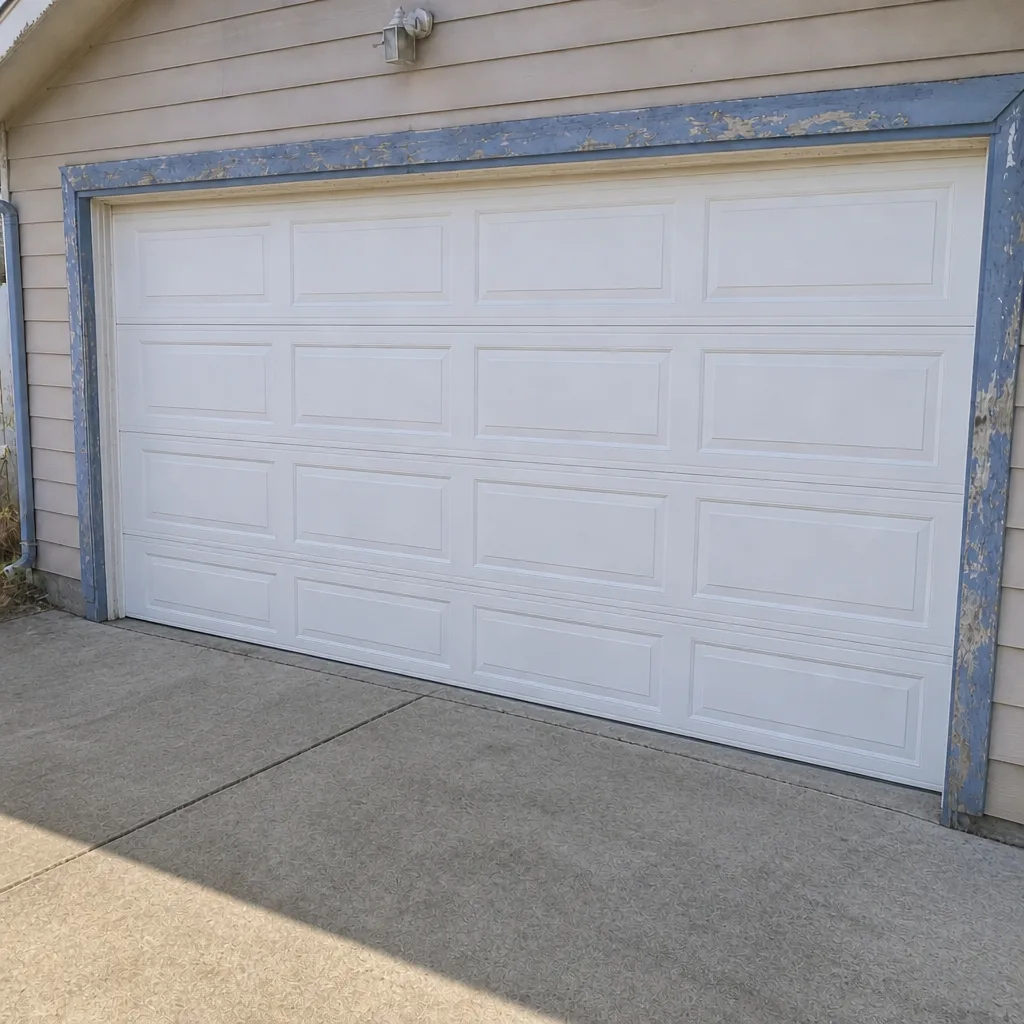 After
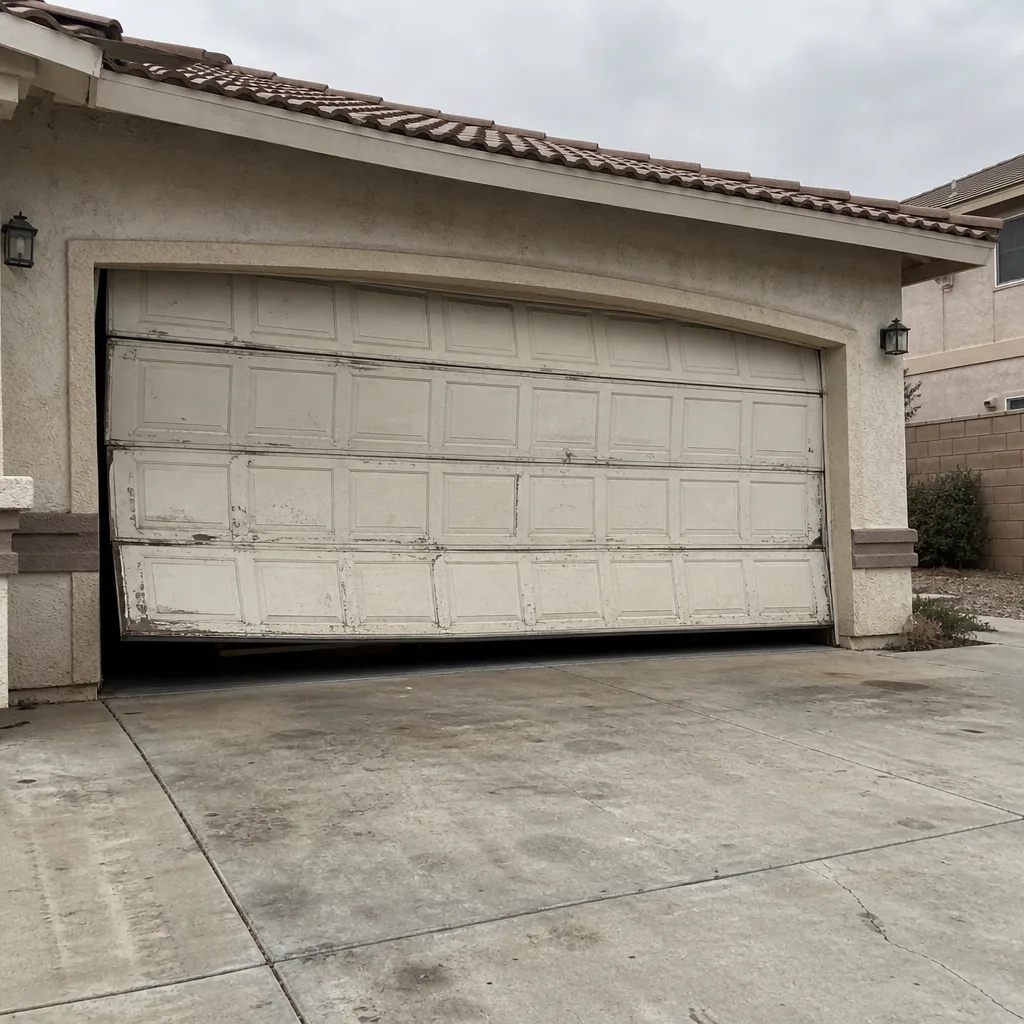 Before
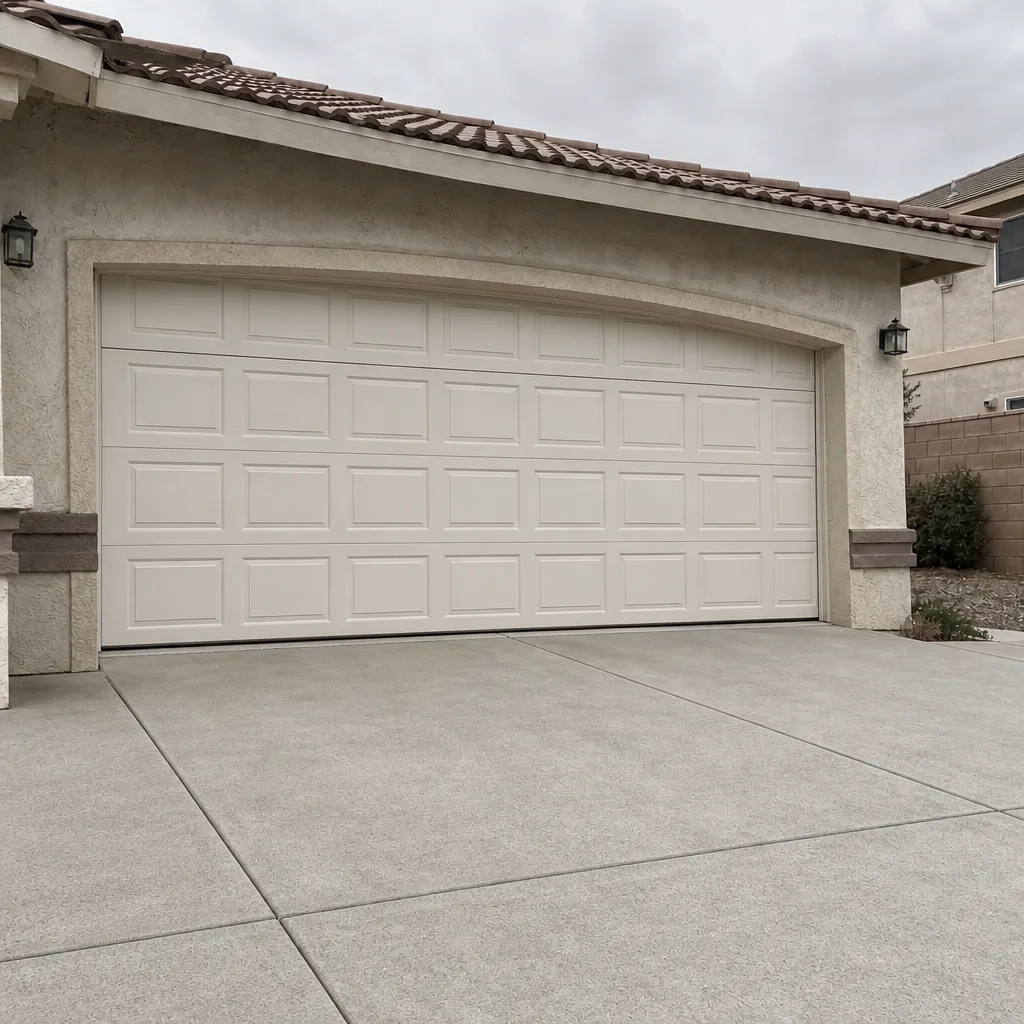 After
Common Mistakes to Avoid
- Skipping the 30-day settling check. It’s the one check that catches a loosened fastener before it becomes a bent track or a broken hinge. Almost nobody schedules it.
- Over-lubricating a belt drive. Belt drives are meant to run nearly dry. Grease turns them into dust magnets and causes the slip and chatter people blame on the opener.
- Treating a steel door like a wood door. Steel needs touch-ups on bare spots before rust sets in; wood composite needs refinishing on a schedule so the dry Winchester air doesn’t split it. Same schedule, different tasks.
- Adjusting spring tension yourself. This is the one to leave to a professional. It’s the most dangerous part of the door and the one a homeowner should never touch.
- Ignoring a new sound. A new squeak in month three is a five-minute fix. The same squeak in month thirty is often a worn roller or a loose hinge that’s been quietly working at the door.
- DIY-ing a warranty task. If you adjust the spring or reseat a cable in year one and something goes wrong, the warranty may not cover it. Call the installer first.
- No log. Without a record, every technician starts from scratch. Your log is the most valuable document the door has.
When to Call a Professional
Some things are yours to maintain. Others belong to a trained technician, no exceptions. Call us if the door goes out of balance, if you hear a bang or snap from the spring, if a cable looks frayed or is riding up on the drum, if the door won’t reverse on contact with an object, if the opener strains or stops partway, or if the door is off track after a hit. Don’t force a door that’s stuck, and don’t prop it open while you wait. Our technicians have up to 10 years of experience, and Mainspring Garage Door Co. Winchester offers free estimates in Winchester. Call (888) 326-0817, and a live person will answer. If you’d like a second opinion on a written estimate, that’s free too.
Frequently Asked Questions
A new door should get a settling check at 30 days, then its first full lubrication and balance check at the six-month mark. That 30-day check is the one most homeowners skip, and it’s the one that catches loosened fasteners before they cause a problem.
The hinge plates and roller brackets loosen slightly as the door flexes, and the lag screws holding the track to the jamb can back out a fraction. The opener rail’s hangers and the bolt at the header bracket also settle. The springs and cables seat themselves into place, which is why the door can sound a little different by week four.
Yes. Steel insulated doors need touch-ups on bare spots and an annual wax or seal. Wood composite doors need refinishing every two to three years because the dry high-desert air pulls moisture out and splits the finish. Both need six-month lubrication of hinges and rollers.
It depends on the drive type. Chain drives need lubrication every six months. Screw drives need grease once or twice a year. Belt drives need cleaning rather than greasing, plus an annual tension check. All three should have the safety reverse tested monthly.
No. We give you the flat price before any work begins, so there are no surprises on the bill. Every job is backed by our 90-Day Done Right Promise: if it’s not right, we come back at no charge. And if you’ve been quoted a repair over $250, we’ll take $50 off.
For repair and emergency calls in Winchester, yes, in most cases. We answer the phone around the clock with a live person, and our technicians carry springs, cables, and openers so most jobs finish in one visit. Installation and new-door work is scheduled after a free measure and a written price. Call (888) 326-0817 for an exact quote. Estimates are free.
The Bottom Line
A new door resets your maintenance clock, but the schedule that matters is built from scratch. Do the 30-day settling check. Then lubricate twice a year, run a tune-up once a year, and book a professional inspection every two to three years. Match the tasks to the material, care for the opener by its drive type, and log everything so the next technician can pick up where you left off. Leave spring and cable work to us. That’s the whole schedule, and it’s the same one we follow when we finish a job in Winchester. Call (888) 326-0817 for a free estimate the next time your door needs attention.
Written by the team at Mainspring Garage Door Co. Winchester.