
Last updated November 18, 2026
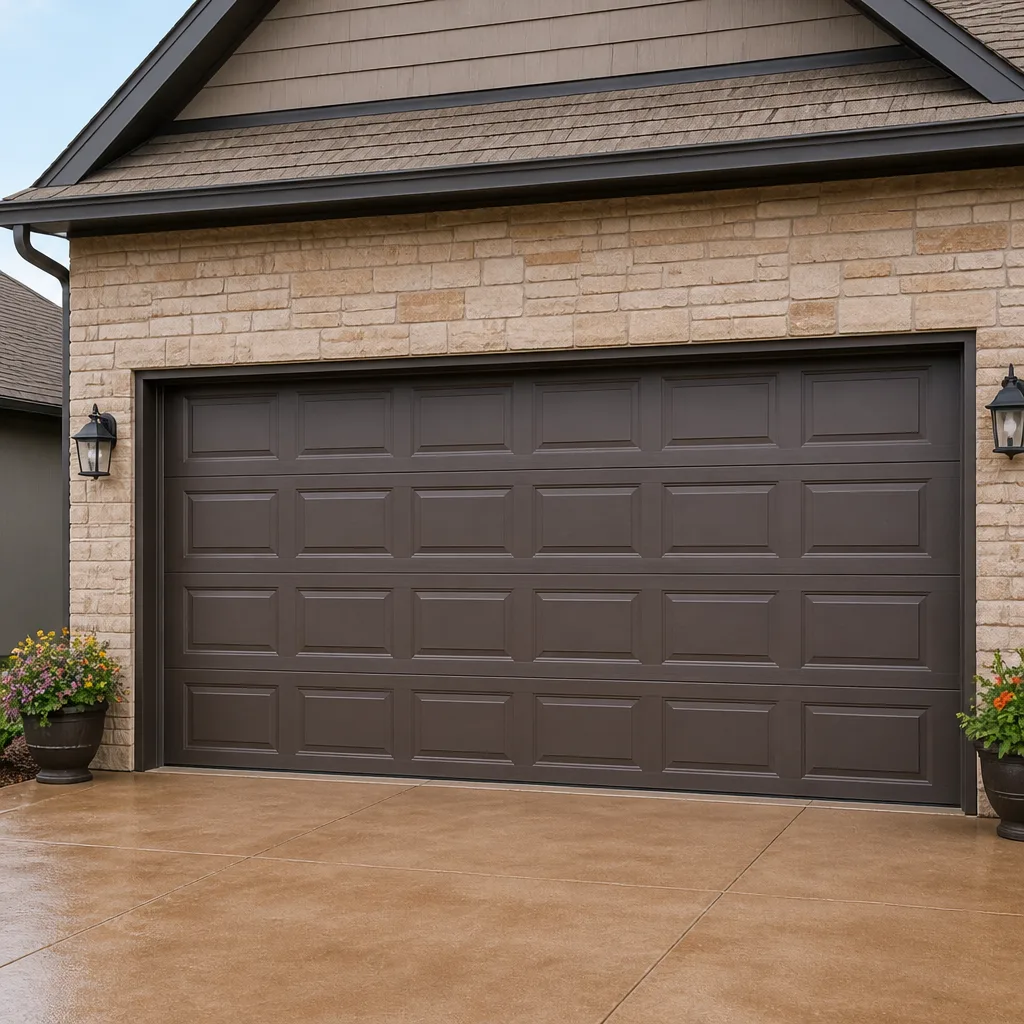 Raised-panel steel
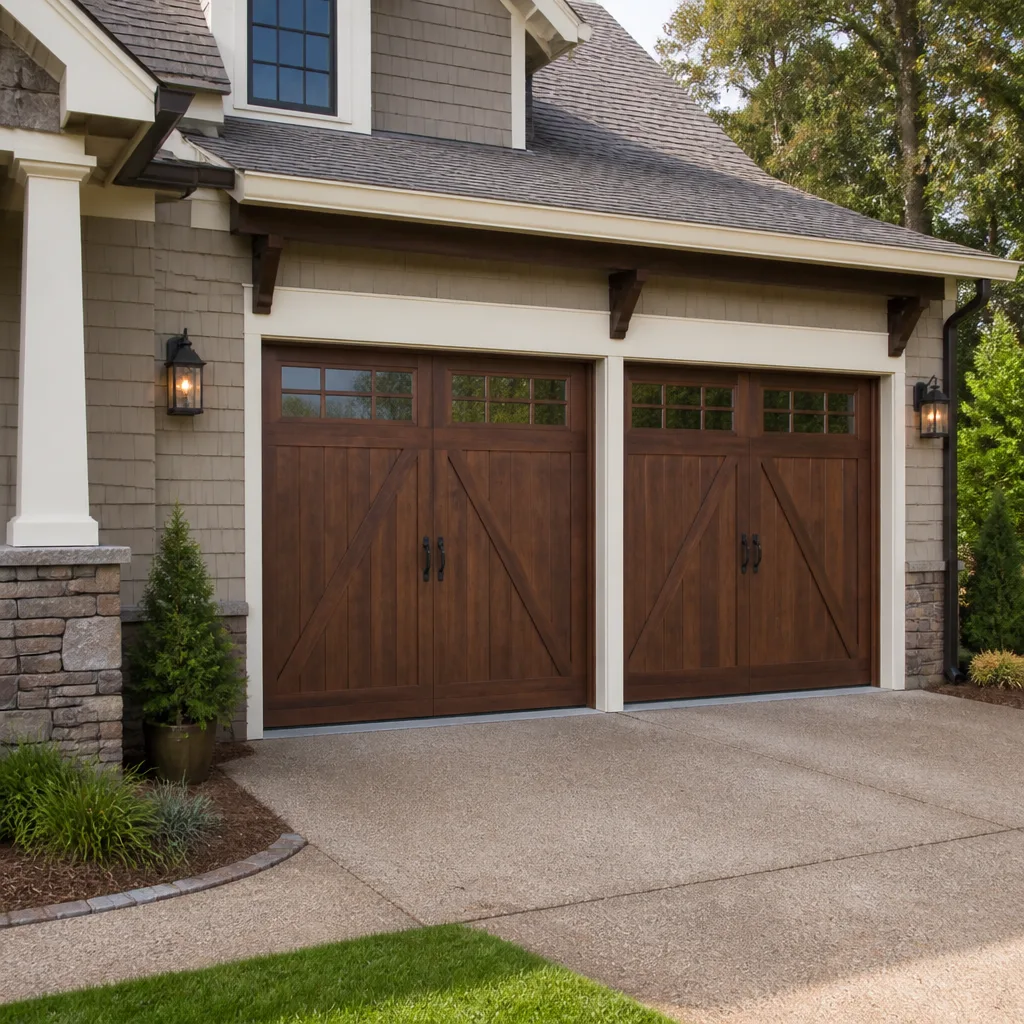 Carriage house
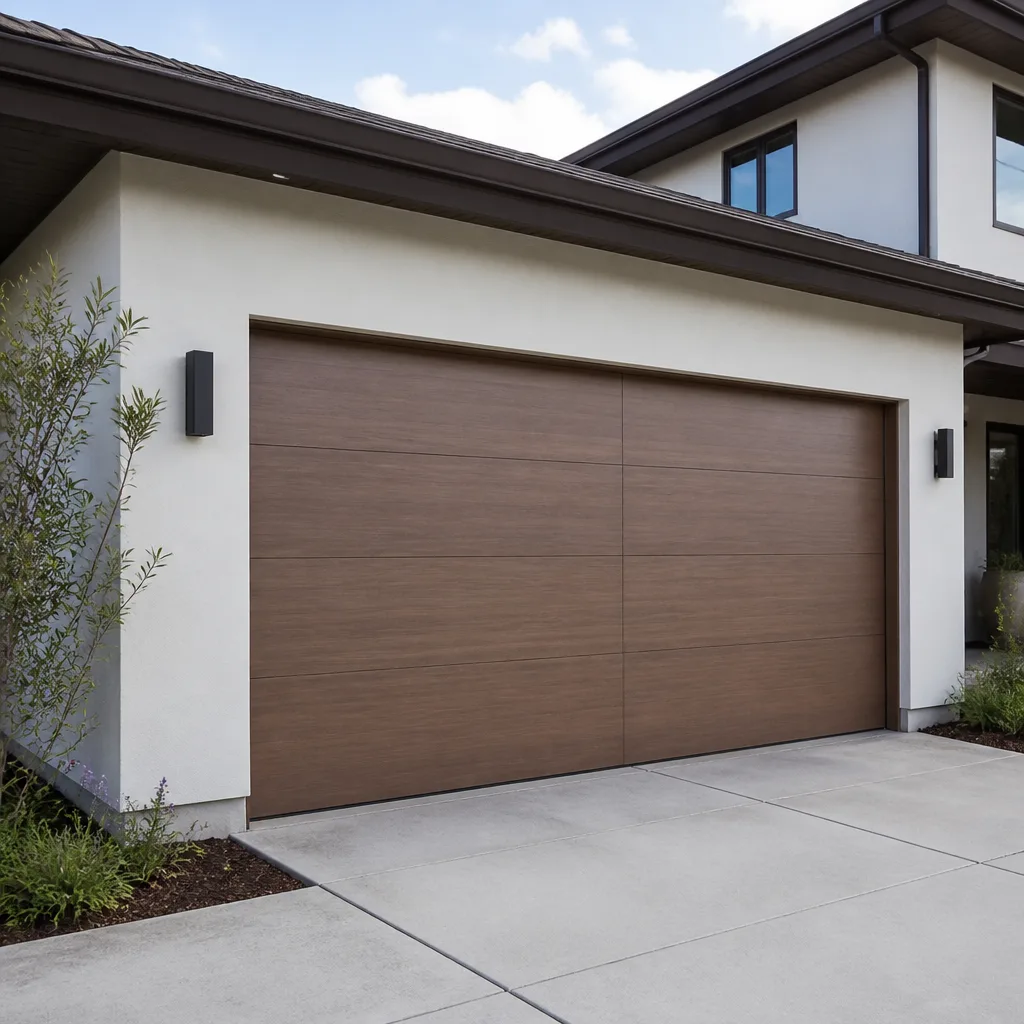 Modern flush
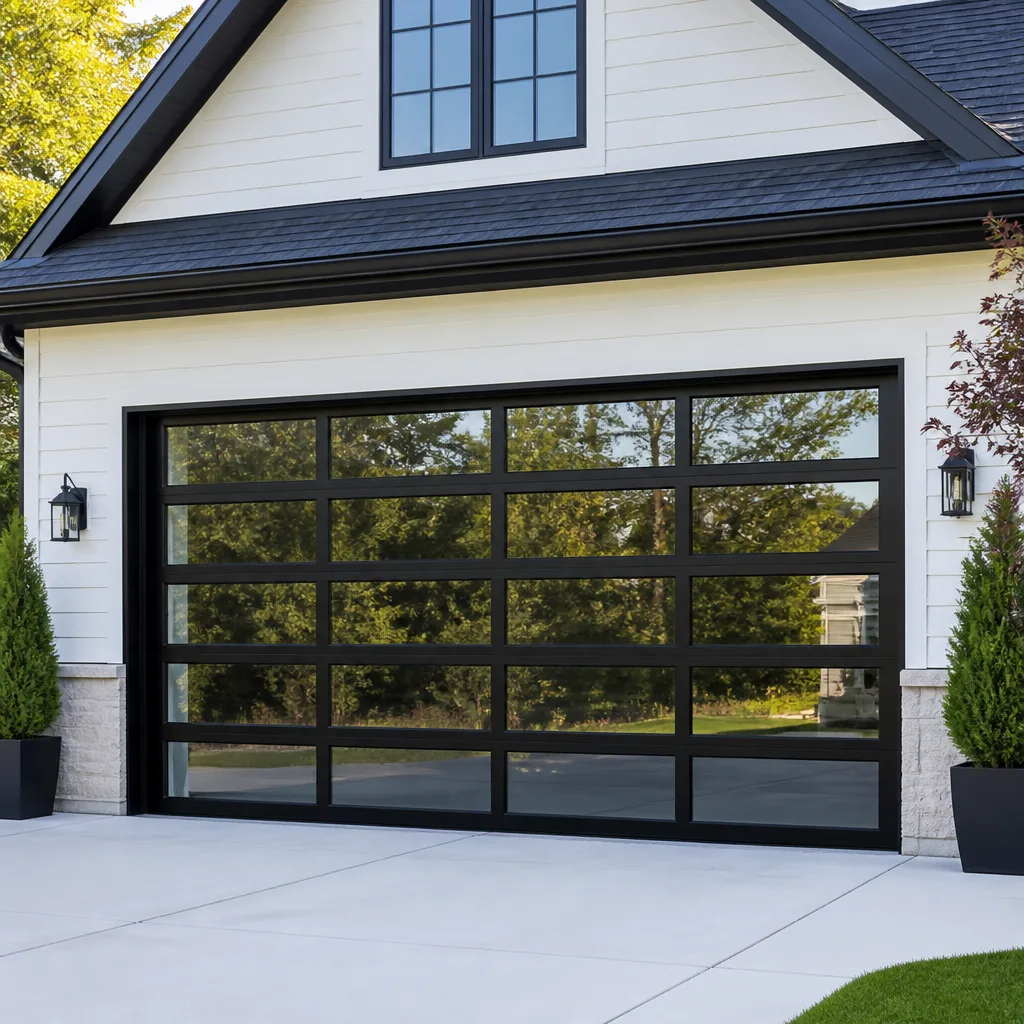 Full-view glass
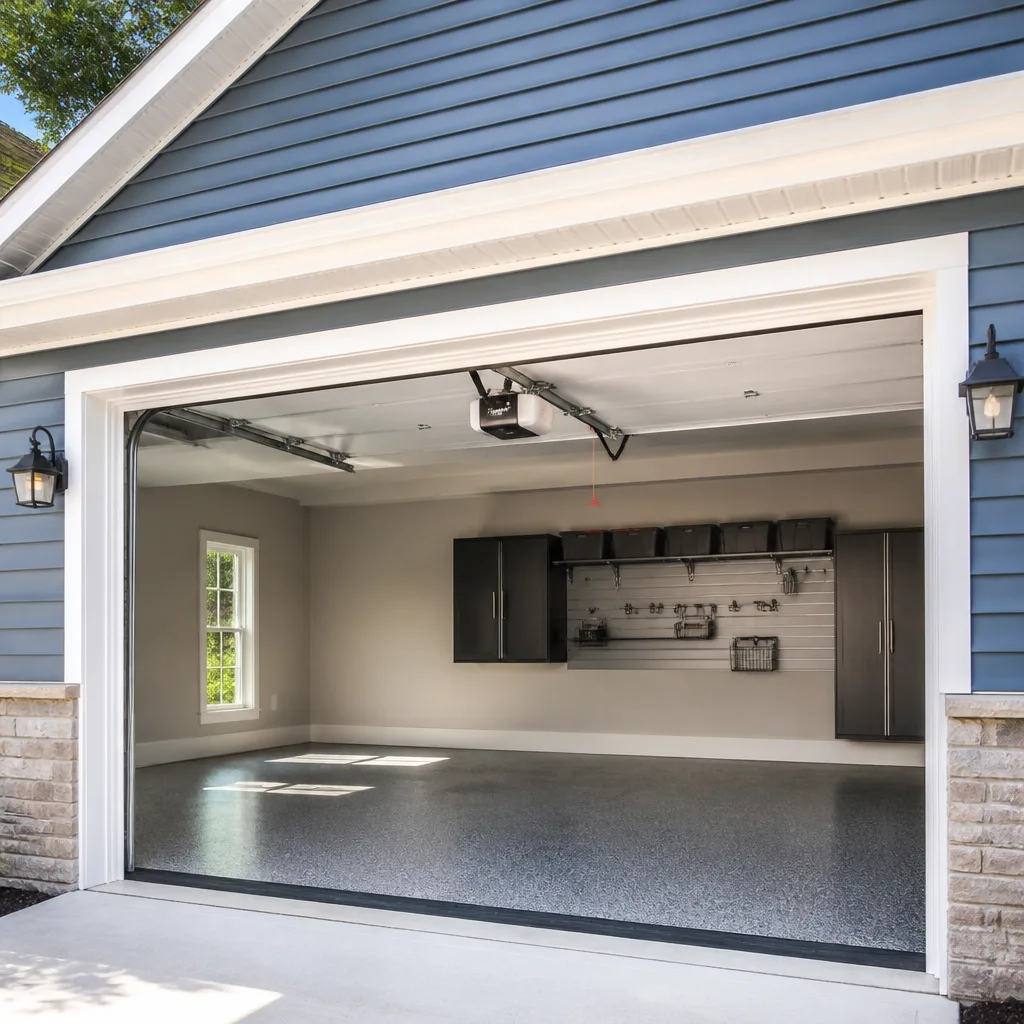 LiftMaster openers
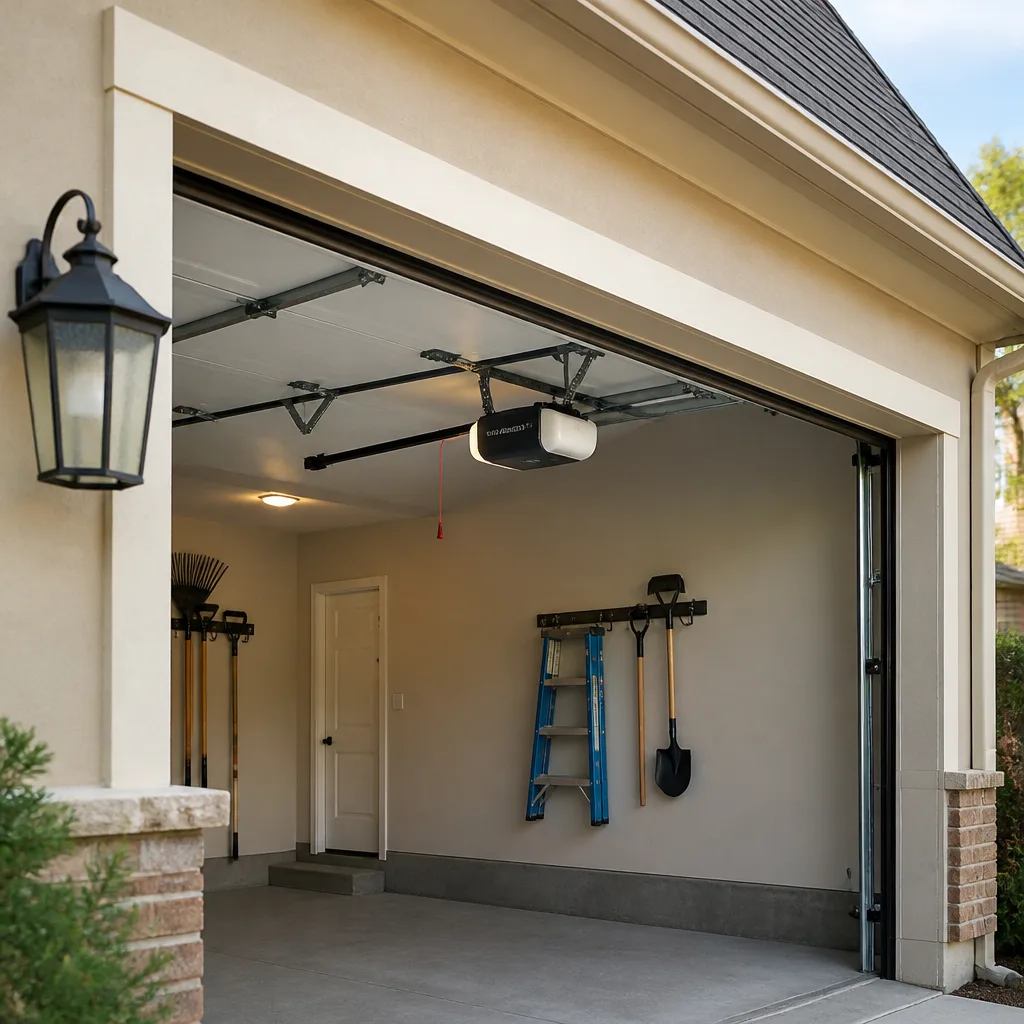 Chamberlain openers
Full 25-point door and opener safety check with every visit - springs, cables, rollers, tracks, and your LiftMaster or Chamberlain opener included
You get a price before we start. It does not change when the pro arrives.
Get your free estimateGarage Door Installation Warning Signs Every Homeowner Should Know
Most installation failures look perfect when the truck pulls away. The door runs, the opener hums, nothing crashes to the ground. Then six months pass, and you start hearing a scrape that wasn’t there before, or the door stops reversing when it should, or the warranty claim gets denied because no one wrote down the opener’s model number. We’ve walked into hundreds of garages in Winchester where the work looked clean on day one and the problems were set in place from the start. This guide covers the warning signs you can catch before the crew leaves your driveway, plus the 30-day check that protects you afterward.
Quick Answer
The biggest installation warning signs are failed end-of-job tests: no balance test, no force-limit adjustment, no auto-reverse test, no manual release check, and a bottom seal that doesn’t touch the floor. Add paperwork gaps like a missing written warranty or a blank model-number line, and you have the pattern of a job that will cost real money within a year. Catch those on install day and you avoid most garage door problems before they start.
Styles & brands we work with
- Raised-panel steel
- Carriage house
- Modern flush
- Full-view glass
- LiftMaster openers
- Chamberlain openers
Table of Contents
- The Five End-of-Job Checks to Watch For
- How to Spot an Unlevel Door from Inside and Outside
- Sounds That Reveal Improper Spring Tension
- Paperwork Red Flags: What Should Be in Writing
- The 30-Day Visual Inspection You Should Perform
- Winchester Climate and Installation Choices
- Brand and Model Notes: LiftMaster, Chamberlain, Raynor
- Common Mistakes to Avoid
- When to Call a Professional
The Five End-of-Job Checks to Watch For
Installation crews should perform a set of standard tests before leaving. If none of these happen, the door may work and still be unsafe. Watch for them. Ask about them. A crew that skips them may also skip the adjustments that prevent callbacks. Here are the five, in order.
- Balance test. The installer disconnects the opener and lifts the door by hand to about halfway. A properly balanced door stays put, give or take a small drift. If it slams down or floats unwillingly, the springs are wound wrong or the wrong size.
- Force limit adjustment. The opener’s force setting is fine-tuned so the door stops when it meets resistance. Too high and it can crush a toy, a pet, or a hand. Too low and the door reverses on its own.
- Auto-reverse test. A 2×4 laid flat on the floor under the closing door should trip the safety reverse. If the door keeps pressing against it, the safety eye or the opener’s setting is wrong.
- Manual release function. The red pull handle inside the garage should disengage the door from the opener smoothly and re-engage without a fight. Stiff or jammed release cords are a common oversight.
- Bottom seal contact. The rubber seal under the door should press against the floor all the way across, not just at the ends. Daylight showing under the door means drafts, water intrusion, and bug problems.
These are not suggestions. They are standard practice. A professional install covers all five before the truck rolls. If you see a crew pack up after a single up-and-down cycle, ask for the tests. In our experience in Winchester, the weekend installations that skip these end up as repair calls within a year.
If you’re wondering whether your current door passed these tests, a Garage Door Repair in Winchester visit covers all five in an hour.
How to Spot an Unlevel Door from Inside and Outside
An unlevel door is easier to spot than most homeowners realize, but only if you know which angle to look from. The two views tell you different things.
From outside
Stand at the end of your driveway, not up close. Look at the horizontal gap between the bottom of the door and the concrete. It should be even end to end. A quarter-inch gap on one side and nothing on the other means the track or the springs are off. Also, look along the top edge of the door. If one corner is lower than the other by more than a half-inch, the panels are not hanging square.
From inside
Stand in the garage with the door closed and look at where the panels meet the weatherstripping along the top. Walk to one side and then the other. The rubber should meet the door evenly. If one side is crushed flat and the other side has a visible gap, the door is riding crooked on the track. Look at the vertical tracks, too. They should be parallel. A track that leans in at the top pushes the door off its path and strains the opener.
Why both angles matter: outside tells you how the door sits against the house and the concrete. Inside tells you how the door sits against the frame and the hardware. A door can look decent from one and wrong from the other. On a recent installation in Winchester, a door that looked square from the driveway had a bottom seal that missed the floor by nearly half an inch on the alley-facing side, which showed only from inside.
Sounds That Reveal Improper Spring Tension
Sound is one of the most reliable indicators of improper spring tension, but only if you know the difference between a creak and a pop. They mean different things.
- A creak is usually a lubrication or roller issue. It rises and falls as the door moves. It does not necessarily mean the springs are wrong. A quick lube job often quiets it.
- A pop is a sharp, sudden noise that happens once per cycle, often right when the door starts up or settles down. It usually points to a spring that is wound either too tight or too loose, or a cable that is winding unevenly on the drum.
- A repetitive thrum during the up-and-down cycle can mean the opener is straining against an unbalanced door.
- A single loud bang followed by silence is the sound of a torsion spring breaking. That is a call-us-now situation, not a do-it-yourself fix.
Springs carry the entire weight of the door. That’s the detail behind our name at Mainspring. Torsion springs under tension can injure seriously if they release. Adjusting tension or replacing a spring is work for a trained technician, not a homeowner with an adjustable wrench. If you hear a pop from a door installed recently, that’s the install warranty conversation, not a maintenance item.
We’ve seen this in Winchester homes built in the 1990s and 2000s, where original installer springs set slightly too tight every cycle for years and thump the door against its stops. Left alone, that vibration and strain eventually cracks panels and wears out the opener’s gear assembly well ahead of schedule.
Paperwork Red Flags: What Should Be in Writing
The paperwork can be as telling as the hardware. If a crew leaves without putting their promises on paper, the door’s future is on you.
- No written warranty. Every garage door installation should come with a written warranty covering labor and parts. Manufacturer warranties cover the panel and opener separately, but labor is on the installer. Without a written labor warranty, a callback visit is a billable visit.
- No itemized parts list. You should receive a list of what was installed: door model, spring size and wire gauge, track type, roller type, opener model. Without it, the next technician (or warranty claim) starts from scratch.
- No model number for the opener. Openers have specific warranty terms. LiftMaster and Chamberlain, for example, tier coverage by opener class. If the paperwork does not record which model was installed, warranty claims stall out before they begin.
- No serial numbers. The manufacturer can’t process a claim without the serial number. If the installer balled it into one line on an invoice, ask for the details in writing.
- Nothing stated in writing about the 90-day follow-up. If an installation company won’t put a callback promise in writing, treat it as verbal only.
Our own 90-Day Done Right Promise is in writing on every job for exactly this reason. If a door we installed isn’t right in that window, we come back at no charge and no argument. That should be the standard you hold any installer to in Winchester, and if the paperwork is thin, the promise is thin too.
The 30-Day Visual Inspection You Should Perform
Thirty days after installation, walk into the garage with a flashlight and do this check yourself. It takes ten minutes. It catches problems while the installer’s warranty is still fresh.
- Look along the bottom seal. Daylight should not show anywhere between the door and the floor. A small gap on one end means the door has settled, and the install needs a re-adjustment.
- Check the spring and cable area near the top of the door. Look for loose cable winding or cable droop. A cable that is not wound tight against the drum will eventually bind and could snap.
- Inspect the hinges and end plates for rust spots. Winchester’s dry climate limits moisture, but the sprinkler lines that often run alongside garages can splash up and start early rust. Rust on a 30-day-old hinge is not normal.
- Watch the door’s first cycle of the day. Listen for anything that wasn’t there in week one. New noises on a new door mean something has shifted.
- Test the safety reverse again. Put a roll of paper towels on the floor and close the door. It should bounce back. If it doesn’t, call the installer.
If a cable has gone slack, a roller has come loose, or the door has drifted off balance, call the installer before the 90-day window closes. If they’re gone or unresponsive, an independent technician can reset things. Our Garage Door Opener in Winchester service covers the force-limit and safety-reverse test on every visit.
Winchester Climate and Installation Choices
What you install in Winchester feels different at month 6 than it does on install day. The desert swing between summer highs near 105 and winter lows in the 30s puts a specific strain on springs, cables, and seals that installers in milder climates don’t have to plan around.
Three things matter more here than they do in most markets.
- Spring sizing. Cycle-rated springs get chosen with the temperature swing in mind. Under-wound springs that seem fine in October can lose tension faster in summer heat. Installers who size by door weight only, without factoring the local climate, set up premature spring failure.
- Insulated panels. A west-facing garage door in Winchester catches a lot of afternoon sun. Insulation keeps the garage cooler in summer and protects the door’s finish from heat-cycling, which extends the panel’s life.
- Seal choice. Standard vinyl seals dry out in low humidity. A heavier rubber seal or a brush seal along the bottom holds up better through a Winchester summer, and it keeps dust and bugs out of garages built near the valley edges.
The dry wind that sweeps through Winchester in spring also unseats weatherstripping faster than you’d expect. A door installed in early spring will need its first seal inspection before the following summer ends. Factor that into your expectations on year one.
Brand and Model Notes: LiftMaster, Chamberlain, Raynor
The brand names on the door and the opener tell you what to check. Each has specific installation details worth confirming before the crew leaves.
LiftMaster openers save their force settings through a battery backup, but a low-force or high-force misfire on install is invisible until a safety test fails. Confirm the auto-reverse test passed with the actual 2×4, not just a hand wave. Chamberlain models with MyQ connectivity need a working Wi-Fi or hub pairing before the truck leaves. If the app isn’t set up on install day, you’ll be on the phone to support instead of your installer. Raynor sectional doors come with manufacturer-specific track and panel tolerances, and misinstalled tracks on a Raynor door often appear as a “pop” at the top of the cycle. Same spring tension rule applies.
If your installation company is “factory-familiar” with these brands, they should be able to hand you the model numbers on paper without a call to the office. That’s a low bar, and it’s telling when someone clears it.
If you’re choosing a door and haven’t yet, our Garage Door Installation in Winchester page covers the measure, quote, and scheduling steps for new installs.
Common Mistakes to Avoid
- Not asking for the balance test. It’s the single most important check on install day, and it’s the easiest to skip when the crew is running behind. Stand there and watch it happen. In Winchester’s summer heat, an unbalanced door strains the opener faster than homeowners expect.
- Not reading the warranty before you sign. A “warranty” that excludes labor is not a labor warranty. If any language ties coverage to maintenance you weren’t told about, ask about it before the paperwork is signed.
- Assuming all installers stock the same parts. Trucks show up with whatever is on them. If the wrong spring size is on hand, they’ll use it. A written parts list with the spring size and wire gauge on it protects you from a mismatched install.
- Running the opener before the manual release is checked. A stuck release means you can’t open the door if the power dies. In a Winchester power outage during monsoon season, that matters.
- Ignoring a small squeak on a new door. A small noise at week two becomes a bigger fix at month six. Flag it in writing within the 90-day window so the installer owns the callback.
- Skipping the auto-reverse test on the assumption it was done. Human hands aren’t the same test as a 2×4 on the floor. The door should reverse on contact with the 2×4, not just stop.
- Not recording the opener’s serial number. A blank serial number field on a warranty form means no warranty claim two years later. Get the number on paper before the installer leaves the driveway.
When to Call a Professional
Call a professional if any of these apply: a balance test was never performed, an auto-reverse test failed, the door pops on every cycle, a cable has gone slack, or the paperwork didn’t include a written labor warranty. Call sooner rather than later if you hear a single loud bang during operation – that’s usually a torsion spring giving out, and it is a safety issue. Springs and cables are under enormous tension, and adjusting them by hand is a hospital-visit waiting to happen. Nobody should be re-winding a torsion spring without a proper winding bar and training.
Mainspring Garage Door Co. Winchester offers free estimates in Winchester and a free second opinion on any written estimate. If you’re not sure what you’re looking at, call (888) 326-0817. Our technicians have up to 10 years of experience, arrive with parts on the truck for most jobs, and quote the flat price before any work begins. Calls are answered live, around the clock, not by voicemail or a phone tree.
See the difference
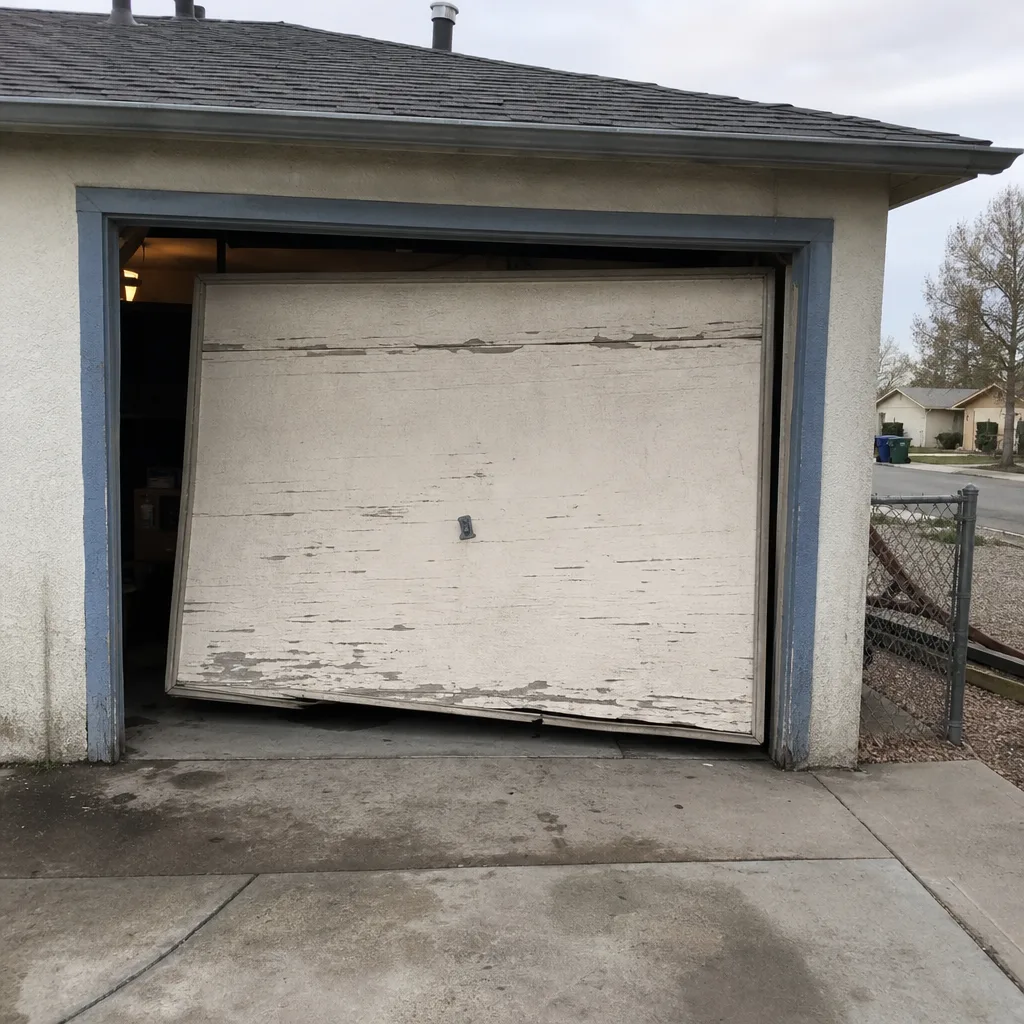 Before
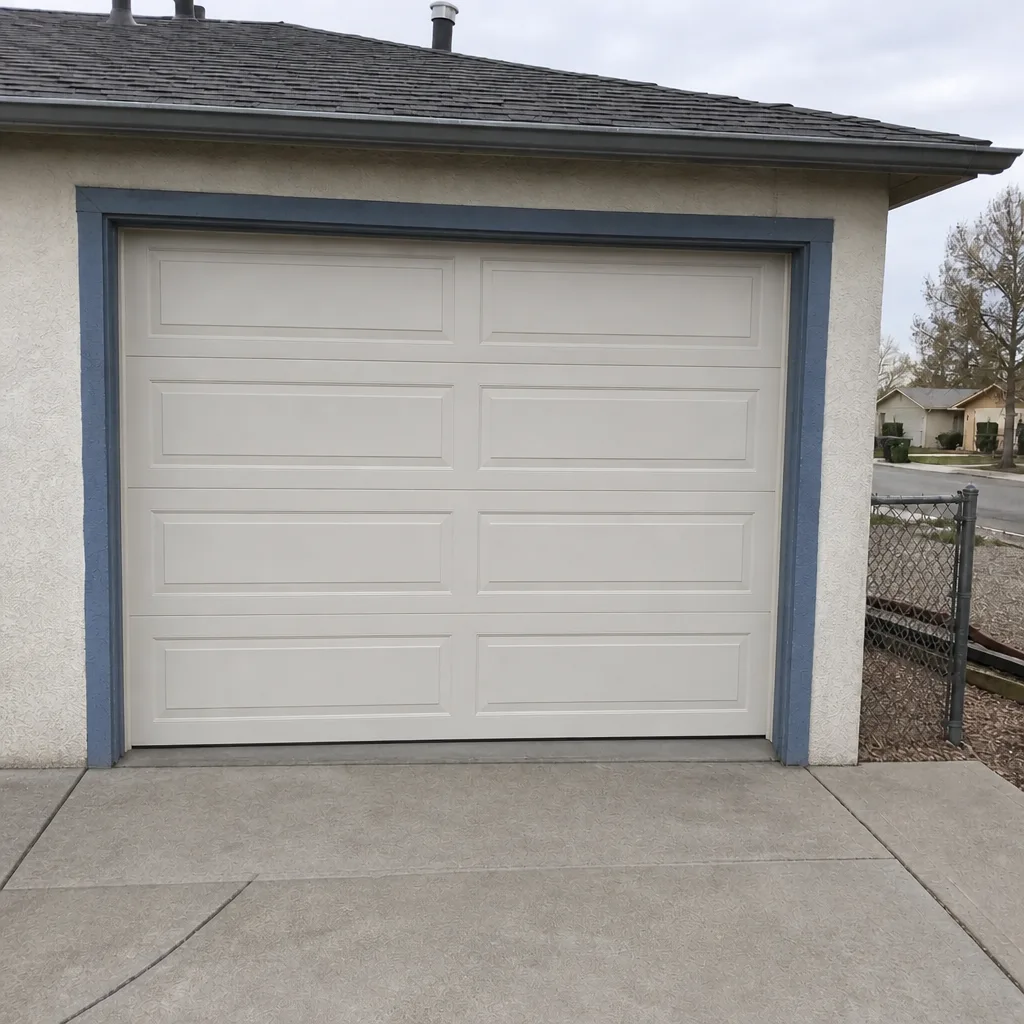 After
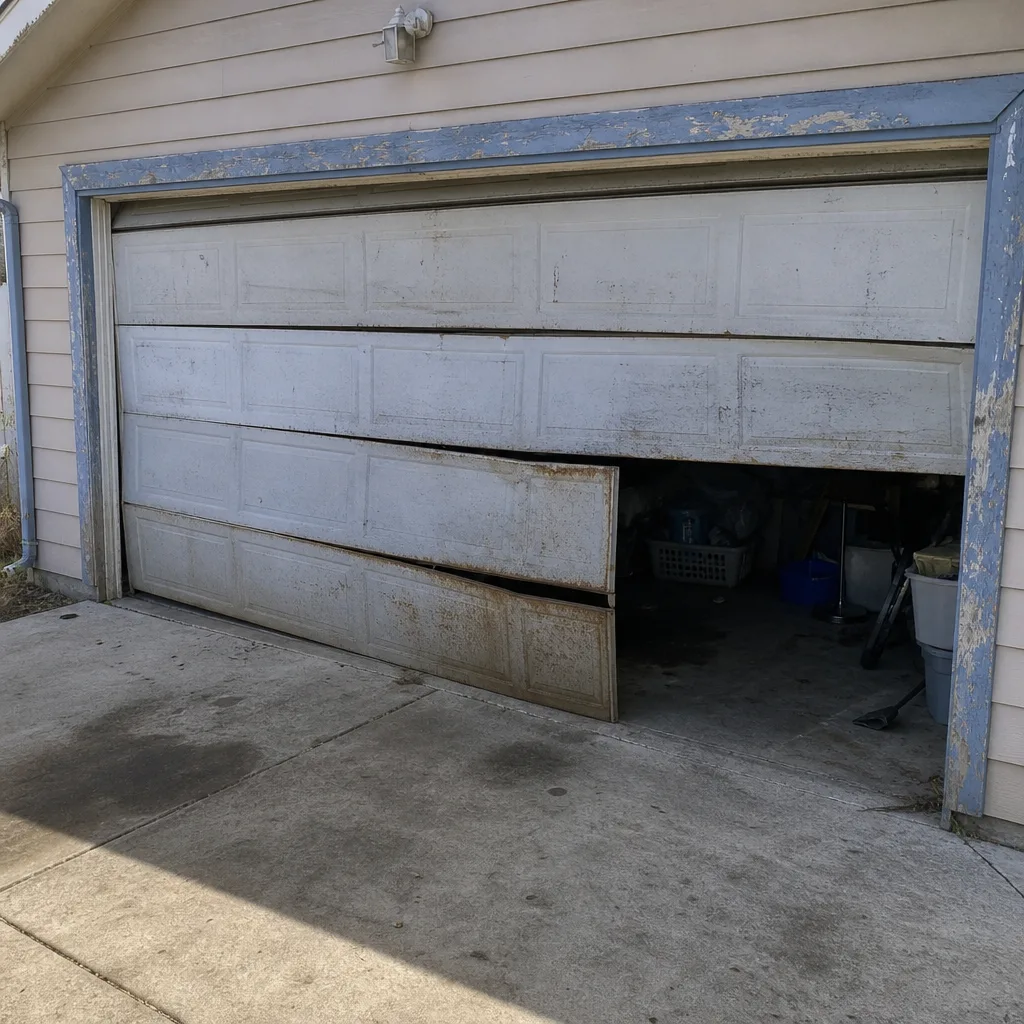 Before
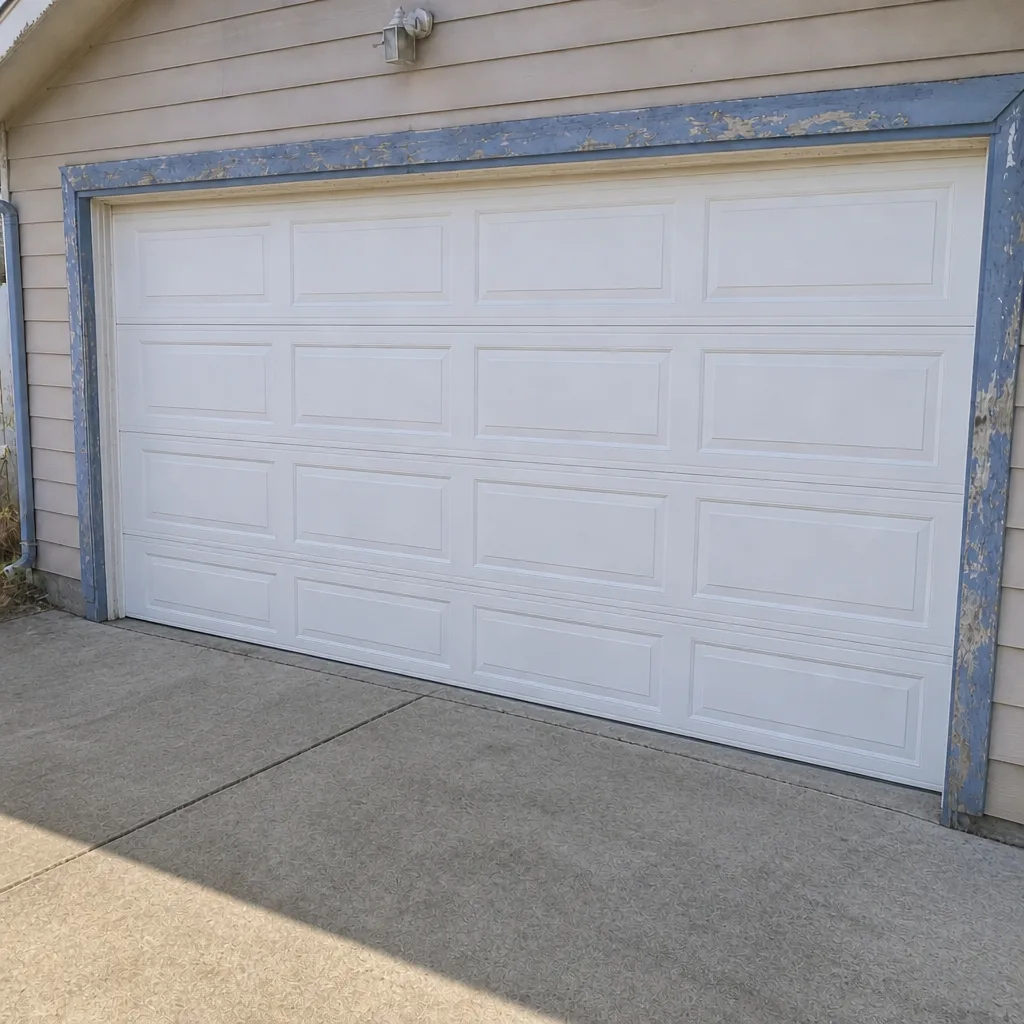 After
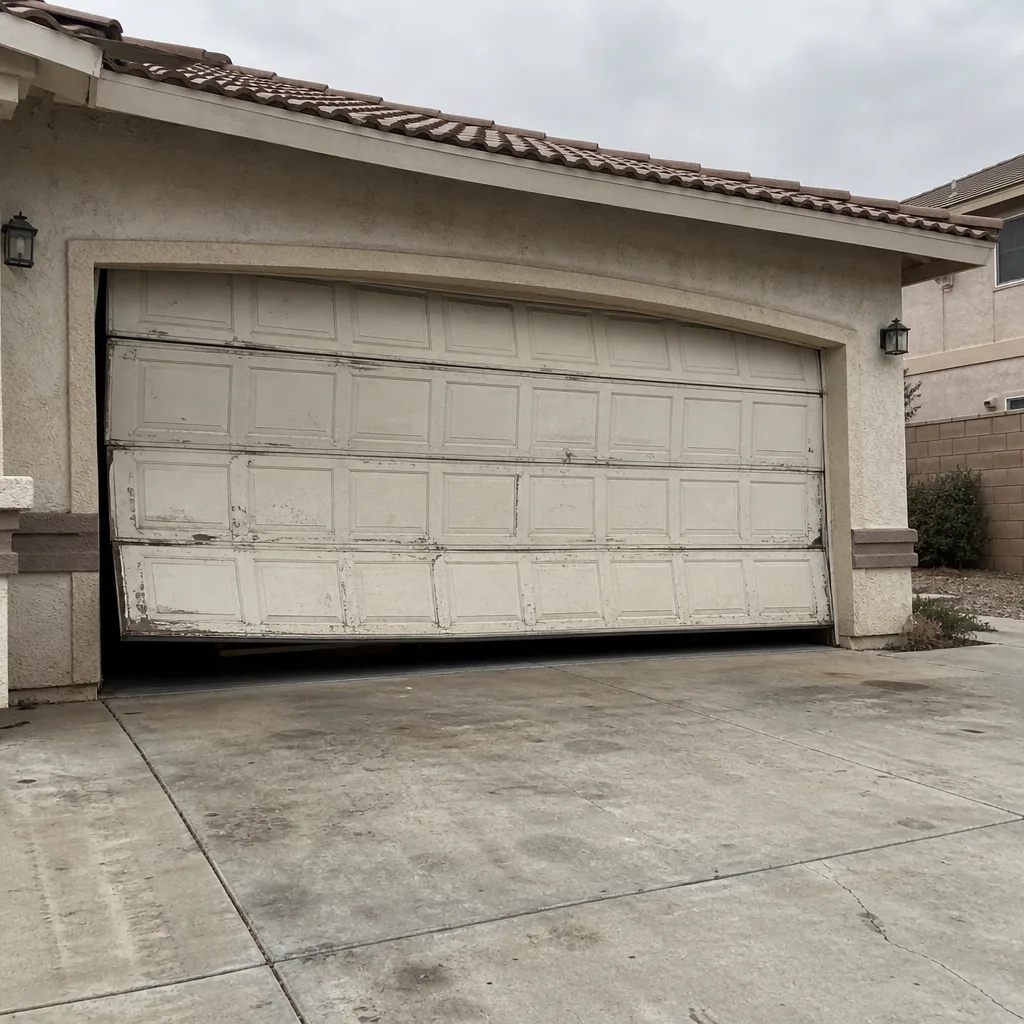 Before
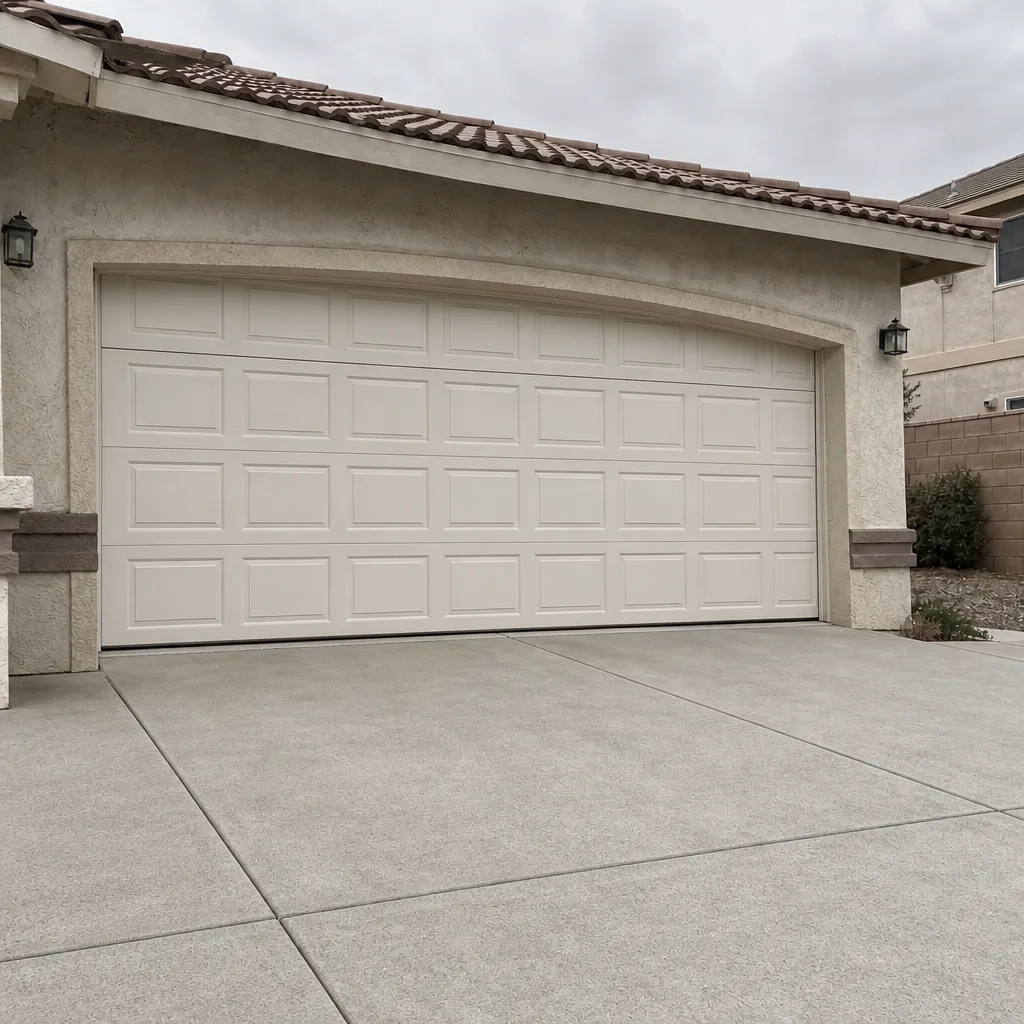 After
Frequently Asked Questions
Watch for the five end-of-job tests: balance test, force limit adjustment, auto-reverse test, manual release function, and bottom seal contact. If the crew leaves without performing all five, ask them to come back and run them.
Lift the door by hand to halfway after disconnecting the opener. A balanced door stays roughly in place. If it drops or drifts hard, the balance test was skipped or the springs are wrong. Call the installer if it’s within the warranty period.
Manufacturer warranties usually apply if the door’s model and serial number are documented, but labor warranties depend on what the installer wrote down. Without a written labor warranty, service calls within the first year may bill out at full price.
A pop during each cycle is usually a sign of improper spring tension or a cable winding unevenly on the drum. A single loud bang followed by silence is likely a broken torsion spring. Stop using the door and call a trained technician before anything else.
Winchester’s dry air and hot summer afternoons put extra strain on standard vinyl seals and undersized springs. Heavier rubber seals and cycle-rated springs chosen for the local temperature swing last longer than stock parts that go in by default.
Yes. We offer a free second opinion on any written estimate, and our technicians can run the five end-of-job checks on an existing installation to tell you what’s right and what isn’t. Call (888) 326-0817 and we’ll come out.
The Bottom Line
Most installation problems are set in place on day one and stay hidden until the season turns. The five end-of-job checks, the unlevel door views from both inside and outside, the pop versus creak distinction, and the paperwork that records model and serial numbers are what tell you whether the job was done right. If you’re not sure, a free second opinion from a trained technician catches problems while the installer’s warranty is still open. Mainspring Garage Door Co. Winchester offers that assessment in Winchester today, and if there’s an issue, the written 90-Day Done Right Promise is our word to come back and fix it.
Call (888) 326-0817 for a free estimate. We answer live, day or night, and the flat price is stated before any work begins. Visit the Mainspring Garage Door Co. Winchester home page, or review our Garage Door Repair in Winchester, Garage Door Installation in Winchester, and Garage Door Opener in Winchester pages to see what each service covers. If you’ve been quoted elsewhere and want a second look before you sign, start with us.
Written by the team at Mainspring Garage Door Co. Winchester.