
Last updated November 18, 2026
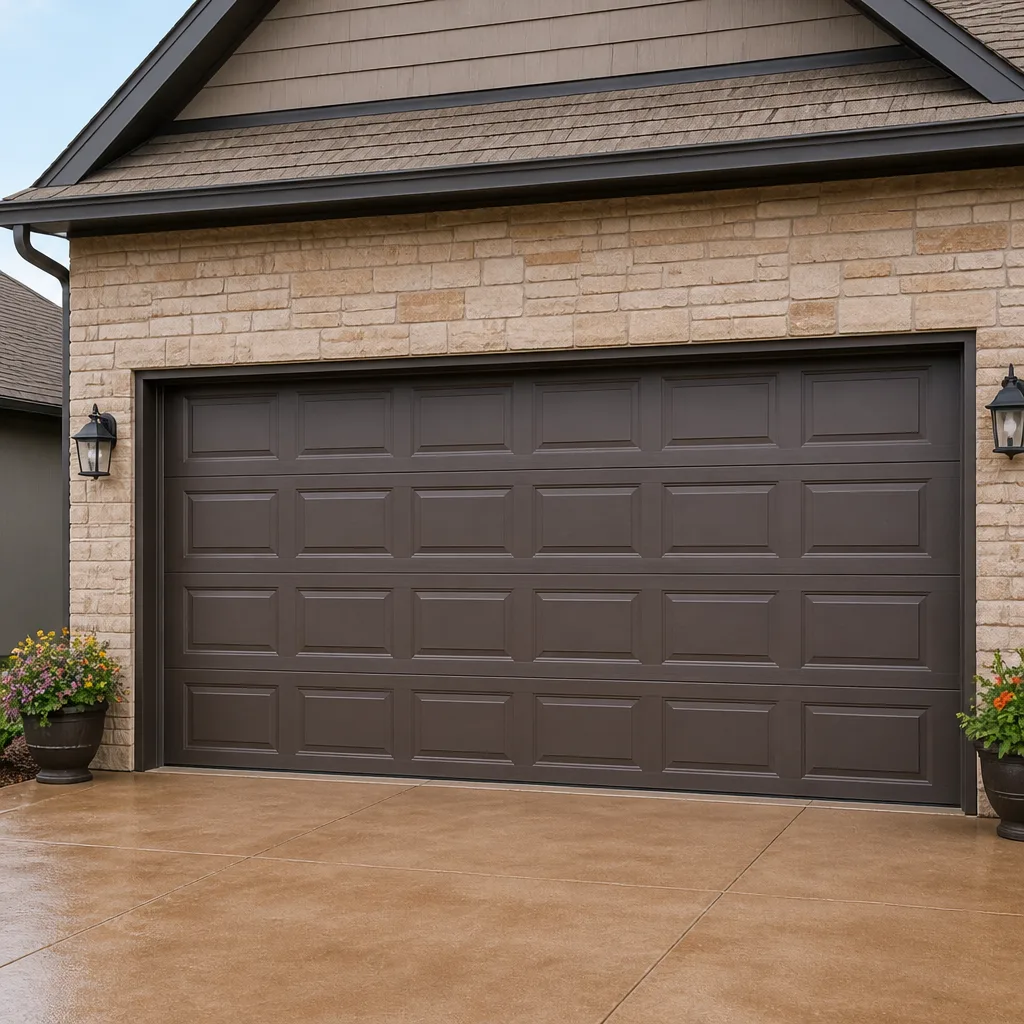 Raised-panel steel
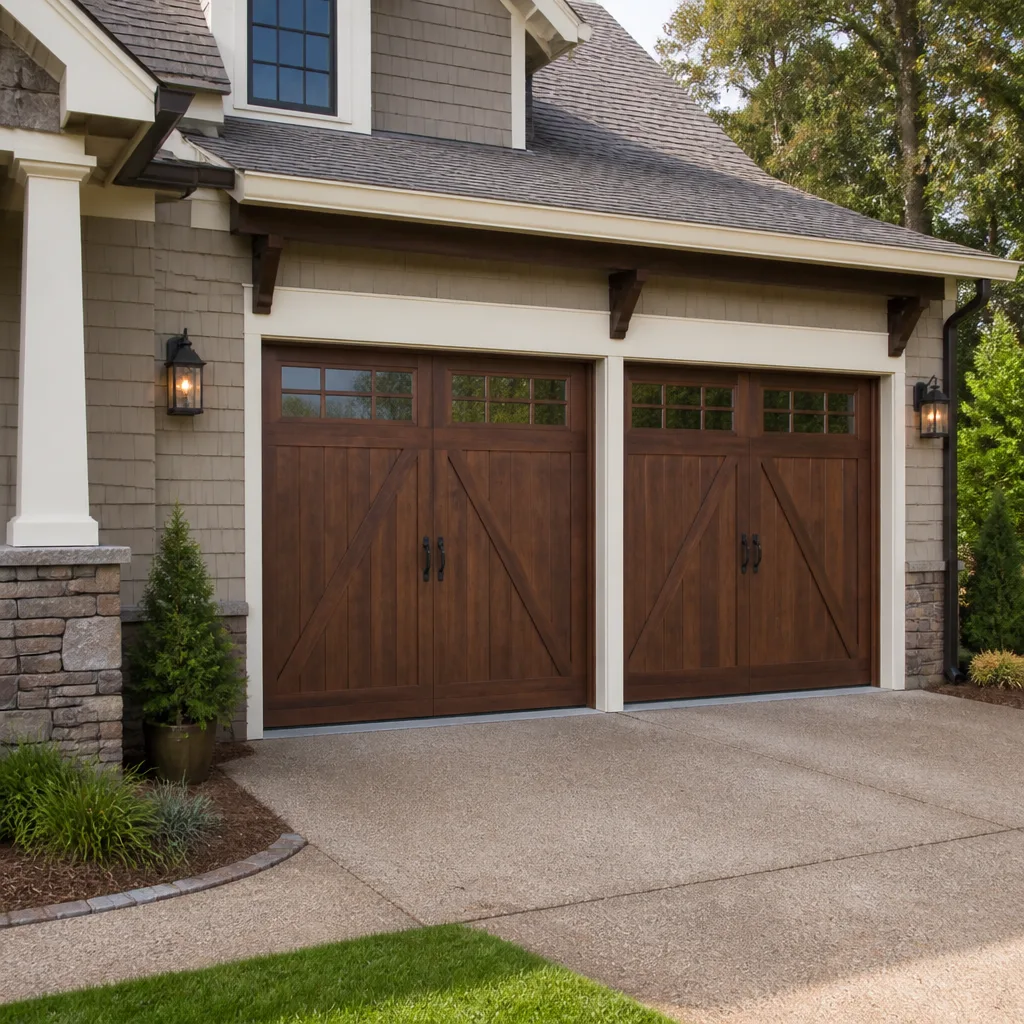 Carriage house
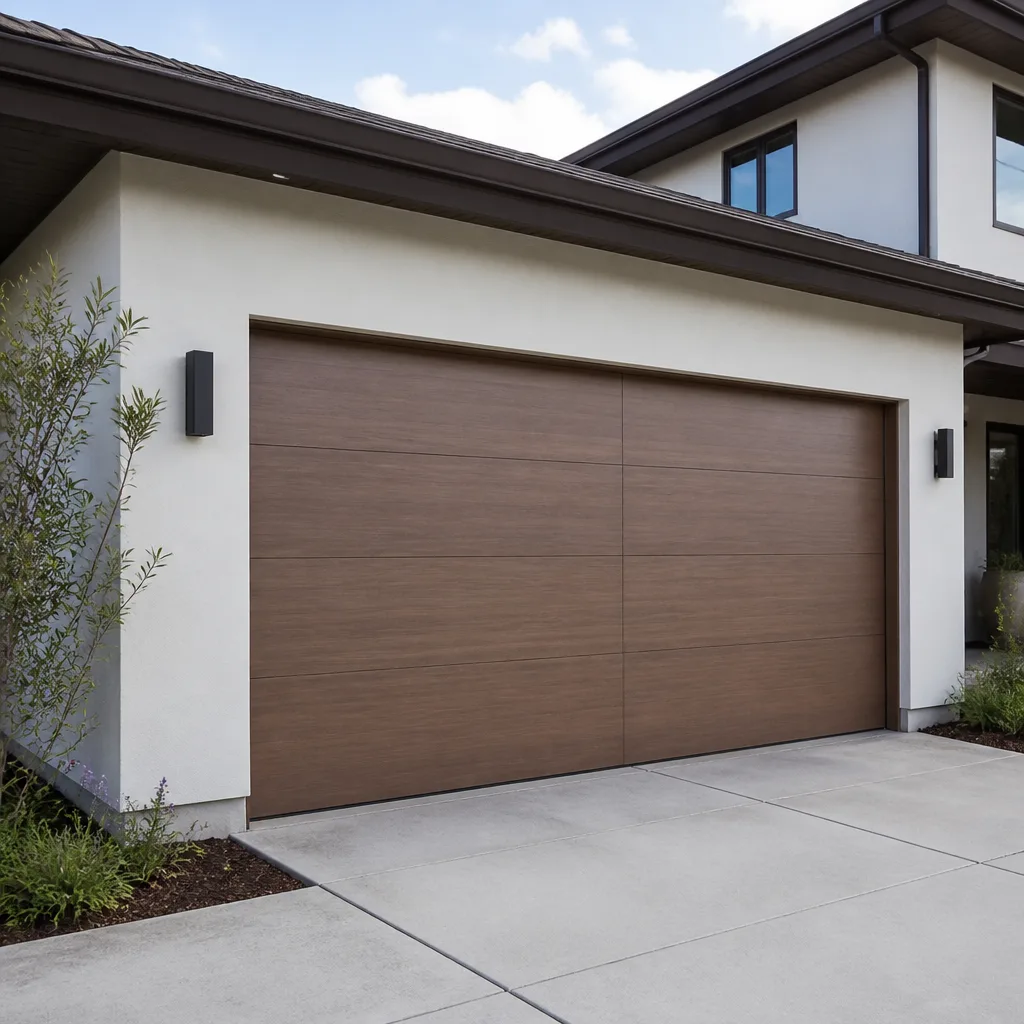 Modern flush
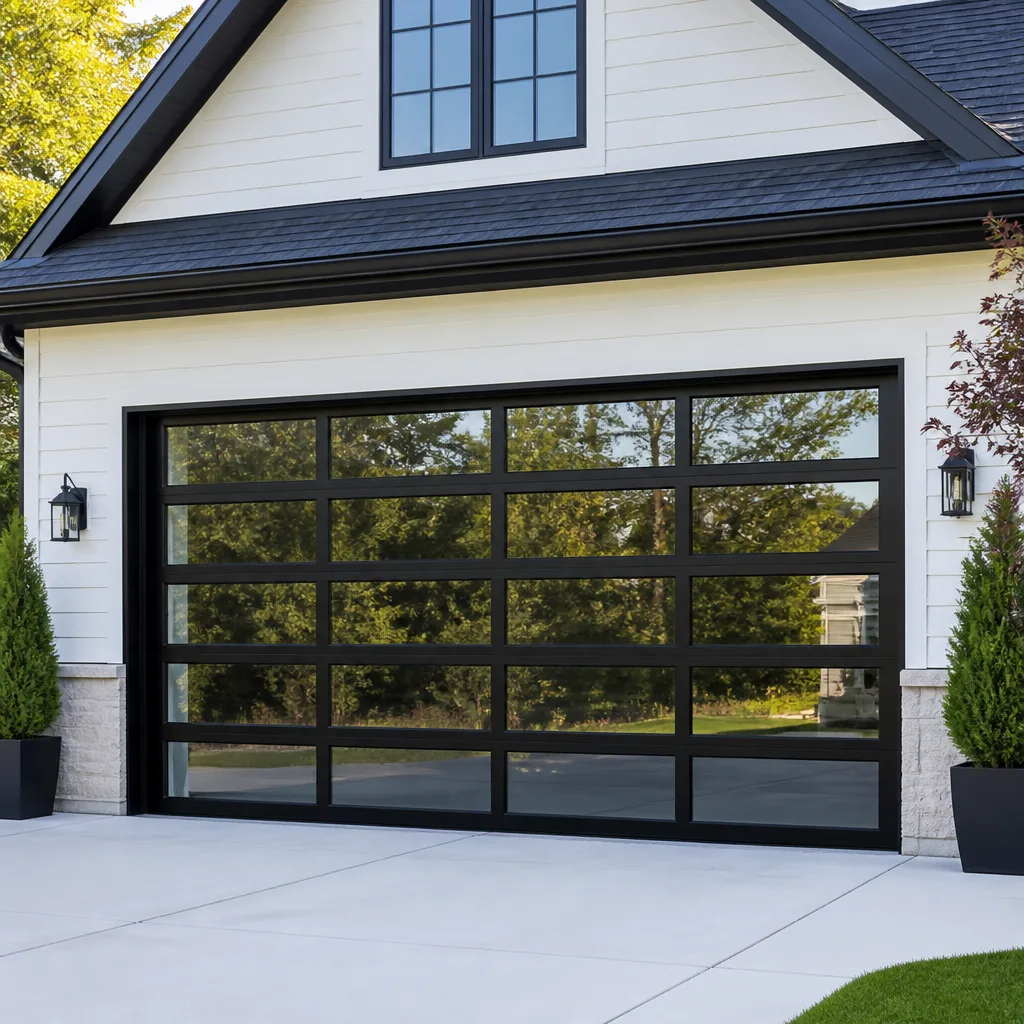 Full-view glass
 LiftMaster openers
 Chamberlain openers
Full 25-point door and opener safety check with every visit - springs, cables, rollers, tracks, and your LiftMaster or Chamberlain opener included
You get a price before we start. It does not change when the pro arrives.
Get your free estimateGarage Door Parts Maintenance Schedule: What to Do and When
A torsion spring rated for 10,000 cycles fails on schedule whether you greased it or not. Rollers rated for the same cycle count will outlast two sets of springs if you lubricate them quarterly. That difference is the whole point of this guide: garage door parts don’t share a wear clock, so a single seasonal checklist leaves the wrong parts attended to and the right ones ignored. We’re going to walk through each component’s actual service interval, show you how to calculate your door’s real cycle count, and explain which lubricants help and which quietly shorten a spring’s life. Everything here applies to doors in Winchester, where dry desert air changes the timeline.
Quick Answer
Lubricate rollers, hinges, and tracks every three to six months. Test the door’s balance monthly. Inspect cables and springs visually twice a year but never adjust them yourself. Replace nylon rollers every five to seven years, weatherstripping every three to five years, and treat torsion springs as a wear item that fails on a cycle count, not a calendar date. A professional tune-up once a year catches what a visual inspection misses, and in Winchester’s dusty climate, that annual check matters more than it does in wetter regions.
Styles & brands we work with
- Raised-panel steel
- Carriage house
- Modern flush
- Full-view glass
- LiftMaster openers
- Chamberlain openers
Table of Contents
- Why These Parts Don’t Share a Schedule
- How to Calculate Your Door’s Cycle Count
- Springs: The Wear Item With a Fixed Lifespan
- Rollers and Hinges: The Quarterly Task
- Cables and Tracks: What to Check, Not Fix
- Weatherstripping and Seals: The Desert Timeline
- Which Lubricants Help and Which Cause Harm
- The One Balance Test That Reveals Spring Wear
- Your Twelve-Month Schedule at a Glance
Why These Parts Don’t Share a Schedule
Most maintenance guides hand you a seasonal checklist: spring, summer, fall, winter, do the same five tasks each time. That approach treats a torsion spring carrying 200 pounds of door weight the same as a rubber seal that only touches concrete. It doesn’t make sense, and it’s why doors still fail on schedule despite being “maintained.”
Every component on a garage door has its own failure mechanism. Springs fail from metal fatigue measured in cycles, not months. Rollers fail from bearing wear and dust intrusion. Cables fail from corrosion and abrasion at the drum. Weatherstripping fails from UV exposure and temperature swings. If you match the task to the failure mechanism, you stop guessing and start predicting.
In our experience across Winchester, the doors that surprise their owners are almost always the ones where the spring was greased faithfully but the rollers were never inspected. The spring broke anyway, and the worn rollers then chewed through the new spring faster. Matching task to part prevents that chain reaction. If you’d rather hand the whole schedule to someone who checks all of it in one visit, our garage door repair in Winchester service covers springs, cables, and hardware together.
How to Calculate Your Door’s Cycle Count
A “cycle” is one full open and one full close. Spring manufacturers rate their springs in cycles, usually 10,000 for standard stock springs and 15,000 to 25,000 for high-cycle replacements. The rating is a real number, not a marketing figure, and you can estimate where your door sits in that lifespan.
Here’s the calculation:
- Count how many times your door opens and closes on a typical day. A two-car household with one driver leaving and returning once is four cycles per day. A family with two drivers, a dog walker, and a delivery is easily ten to twelve.
- Multiply that daily count by 365 to get your annual cycle count.
- Divide your spring’s rated cycles by that annual figure to get its expected lifespan in years.
At four cycles a day, a 10,000-cycle spring lasts roughly seven years. At ten cycles a day, it lasts under three. That’s the same spring, the same house, and a wildly different replacement date. This is why “springs last about seven years” is not a useful rule. It’s arithmetic, not a fixed fact.
A retired couple in a Summerlin townhome who drive out twice daily might see eight years from a standard spring. A busy household in Centennial with two working adults, kids, and a home business could burn through the same spring in under four. Knowing your own cycle count tells you when to budget for a replacement instead of being surprised by one.
Springs: The Wear Item With a Fixed Lifespan
Torsion springs are the part most homeowners ask about, and they’re the part where DIY work is genuinely dangerous. A wound torsion spring holds enough stored energy to break bones or worse. We don’t hand out spring replacement steps, and no responsible shop should. What you can do is inspect and observe safely from a distance, and know when to call.
Safe things you can check:
- Look at the spring above the door for a visible gap; a broken torsion spring separates cleanly and the door becomes extremely heavy.
- Listen for a loud bang from the garage, often followed by the door feeling unbalanced or refusing to open.
- Watch whether the door opens unevenly, tilts to one side, or seems sluggish, which can signal a spring losing tension before it fails.
- Note the spring’s color code (usually a painted band) so a professional can match the correct replacement without guesswork.
What you should never do: wind, unwind, or adjust a torsion spring, or reach into the winding cone area. That’s a trained-technician job with the right winding bars and the door secured. Our technicians have up to 10 years of experience with spring replacement, and we stock standard springs on the truck so most broken-spring calls finish in one visit rather than two. When a spring lets go, we’ll also check for the secondary damage it causes, which is why we handle spring failure under our Mainspring Garage Door Co. Winchester home service alongside everything else on the door.
Rollers and Hinges: The Quarterly Task
Rollers and hinges are where regular maintenance actually pays off, because they respond to lubrication and inspection in a way springs simply don’t. A nylon roller with a steel bearing, kept clean and oiled, can outlast two sets of springs. The same roller left dry and dusty grinds its bearings flat in a few years and starts dragging on the track.
Every three months, hit these with a proper lubricant:
- Each roller’s bearing, not the wheel surface
- Every hinge pivot point along both sides of the door
- The metal pivot points on the top and bottom brackets (spray only, never disassemble)
- The torsion spring coils, lightly, once or twice a year (see the lubricant section for why the product matters)
Every six months, inspect roller condition. A worn roller wobbles in its stem, has a flat spot, or looks cracked. Nylon rollers with steel bearings are the standard upgrade over the original steel rollers many older Winchester homes still have, and they run quieter and last longer. If your door still runs on steel rollers from the 1990s, swapping them to nylon is a modest job that pays off in reduced noise and fewer track problems. Our garage door installation in Winchester service includes roller upgrades on existing doors.
Cables and Tracks: What to Check, Not Fix
Cables carry the door’s weight alongside the springs, and a snapped cable can whip with enough force to injure someone standing nearby. Inspect them; don’t repair them. Here’s what to look for on a visual check every six months:
- Fraying: any broken strands or a fuzzy appearance near the drum or bottom bracket
- Corrosion: rust-colored staining along the cable length, especially in homes near the edge of the valley where dust is heavier
- Sagging: a cable that’s gone slack and hangs away from the drum
- Uneven tension: one side noticeably tighter than the other, which can tilt the door
Tracks get a simpler treatment: wipe them clean with a damp cloth and check for dents, bends, or loose mounting bolts. Never lubricate the track surface itself; grease attracts dust and makes rollers slide instead of roll, which is the opposite of what you want. In Winchester’s dry climate, dust settles into tracks fast, so a monthly wipe-down is worth the two minutes.
Weatherstripping and Seals: The Desert Timeline
Weatherstripping is the part homeowners notice last and should replace first. It seals the bottom of the door against the concrete, keeps dust and heat out, and takes constant punishment from UV and temperature swings. In Winchester’s high-desert climate, that punishment is heavier than in humid regions.
Expect to replace bottom weatherstripping every three to five years here. The signs are visible: a stiff, cracked or brittle flap, daylight showing under the closed door, or gaps that let dust blow in. The vinyl hardens faster when summer temperatures climb past 100 degrees for weeks, which is a regular Winchester feature from June through September. Our technicians see weatherstripping fail faster on south-facing garage doors that take direct afternoon sun. The perimeter seals around the sides and top can last longer, but check them at the same time; a worn side seal lets desert dust into the track and speeds up roller wear.
Replacing bottom weatherstripping is one of the few jobs a handy homeowner can often do safely, assuming the door isn’t under spring tension at the replacement point. If the door is closed and secured, sliding in new vinyl is manageable. The rest of the door’s parts are a different story, which is why we treat seals as the one DIY-friendly item on the list.
Which Lubricants Help and Which Cause Harm
The single most common maintenance mistake we see in Winchester is using WD-40 on springs and hinges. WD-40 is a solvent-based water displacer, not a long-term lubricant. It cuts through grime well, then evaporates, leaving metal drier than before. On a torsion spring, a repeated WD-40 habit actually accelerates wear by stripping whatever protective film was there and attracting fine dust that works into the coils.
Use the right product for each part:
- Springs: a white lithium grease or a purpose-made garage door spring lubricant, applied lightly twice a year. Not WD-40.
- Rollers and hinges: a silicone-based spray or a light machine oil at the bearing and pivot points.
- Tracks: nothing. Clean only.
- Weatherstripping: a silicone spray keeps vinyl supple and slows UV cracking in desert conditions.
Buy one can of white lithium grease and one silicone spray, and you have every product a garage door needs. Skip graphite, skip motor oil, and skip anything labeled as an all-purpose penetrant.
The One Balance Test That Reveals Spring Wear
Before a spring snaps, it usually gives you warning: the door starts feeling heavier or won’t hold its position. A simple manual balance test catches that decline early. Here’s how to do it safely:
- Close the door fully and disconnect the opener using the manual release cord, usually a red handle hanging from the carriage.
- Lift the door by hand to about waist height, then let go gently.
- Watch what happens. A properly balanced door holds its position at any height you leave it, roughly halfway or a third of the way up.
- A door that drops or sinks on its own means the springs are losing tension. A door that rises on its own means they’re over-tensioned. Either result is a technician’s job.
Run this test monthly. It takes about a minute and tells you more than any visual inspection. We’ve seen Winchester homeowners catch a weakening spring months before it failed just by noticing the door started sinking from the halfway point. That early warning turns an emergency call into a scheduled repair. The same test tells you if your garage door opener in Winchester is doing more work than it should because the springs are no longer carrying their share.
Your Twelve-Month Schedule at a Glance
Here’s the whole schedule in one place, sorted by how often each task needs doing. Print it, stick it on the wall inside the garage, and cross off each item as you go.
- Monthly: run the balance test. Wipe down the tracks. Listen for new noises.
- Every three months: lubricate roller bearings and hinge pivots. Check weatherstripping for cracking or gaps.
- Every six months: inspect cables for fraying and corrosion. Lightly lubricate the springs. Check roller condition for wobble or flat spots.
- Annually: full professional tune-up. Bolts, spring tension, track alignment, and safety reverse test on the opener all get checked at once.
- Every three to five years: replace bottom weatherstripping. Replace perimeter seals if hardened.
- Every five to seven years: replace nylon rollers. Plan on spring replacement based on your own cycle count, not a calendar guess.
If your door uses Amarr or Wayne Dalton hardware, the parts are standard enough that replacement rollers, hinges, and springs are easy to match. For older Craftsman or Raynor doors, matching parts requires knowing the model, which is one reason a professional tune-up is worth the cost. Our $89 Seasonal Tune-Up covers the annual items in a single visit, and our technicians arrive with springs, cables, and common hardware already on the truck, so most repairs finish without a second appointment.
Common Mistakes to Avoid
- Using WD-40 on springs. It strips protective film and attracts dust, accelerating wear instead of preventing it. Use white lithium grease instead.
- Greasing the tracks. Grease on the track makes rollers slide rather than roll, and in Winchester’s dusty air, the grease becomes a magnet for grit.
- Ignoring the balance test. A minute-long check every month catches spring wear before it becomes a snapped spring at 7 a.m. on a workday.
- Replacing one spring when both are worn. If you have two torsion springs, they were installed together and have the same cycles. Replacing one leaves the second on borrowed time.
- Skipping the annual tune-up because nothing seems wrong. Springs and cables fail without obvious external wear. An annual inspection is the only reliable way to catch it.
- Disconnecting the opener and testing the door “just to see.” A heavy or unbalanced door can slam or drop unexpectedly. Do the balance test carefully, and stop if anything feels wrong.
- Buying parts without matching the model. Rollers and springs are not universal. A wrong-rated spring can put the door or the opener under stress and void the opener manufacturer’s recommended operating specs.
See the difference
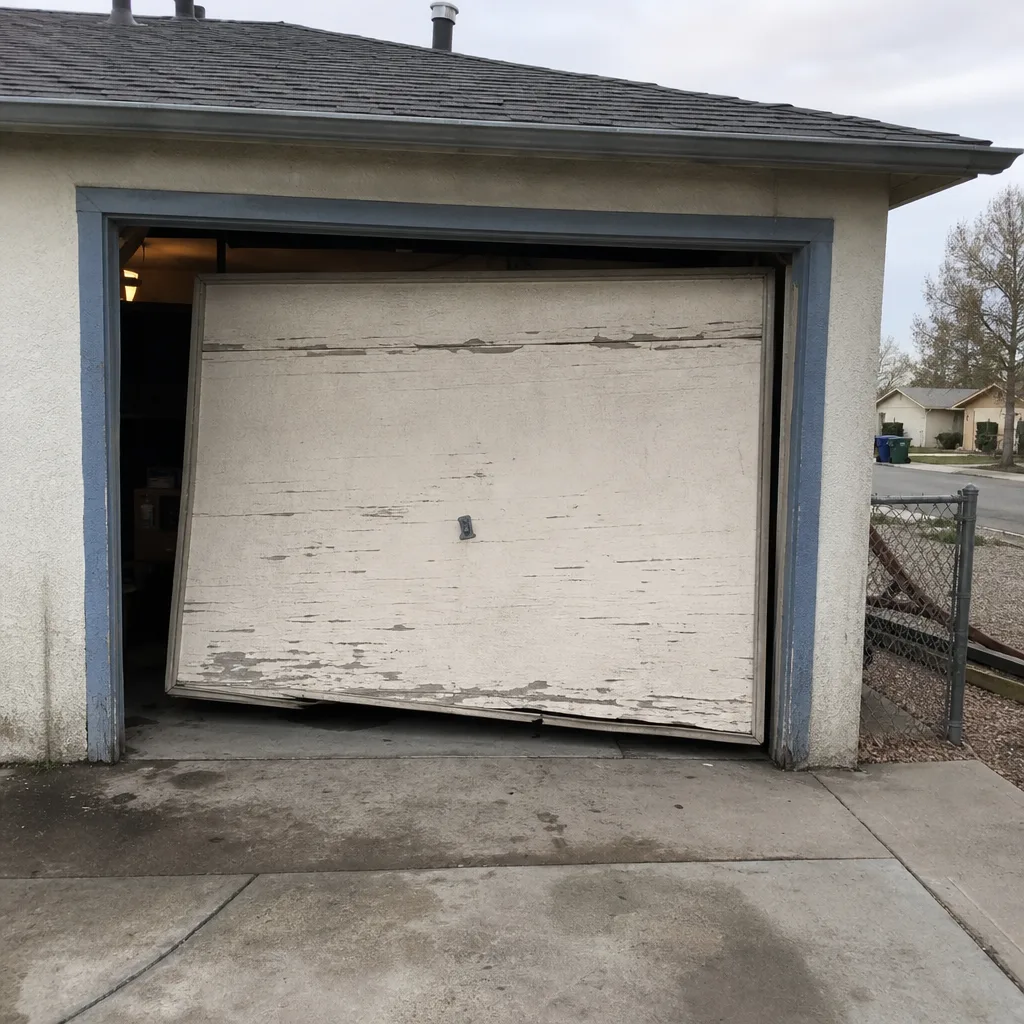 Before
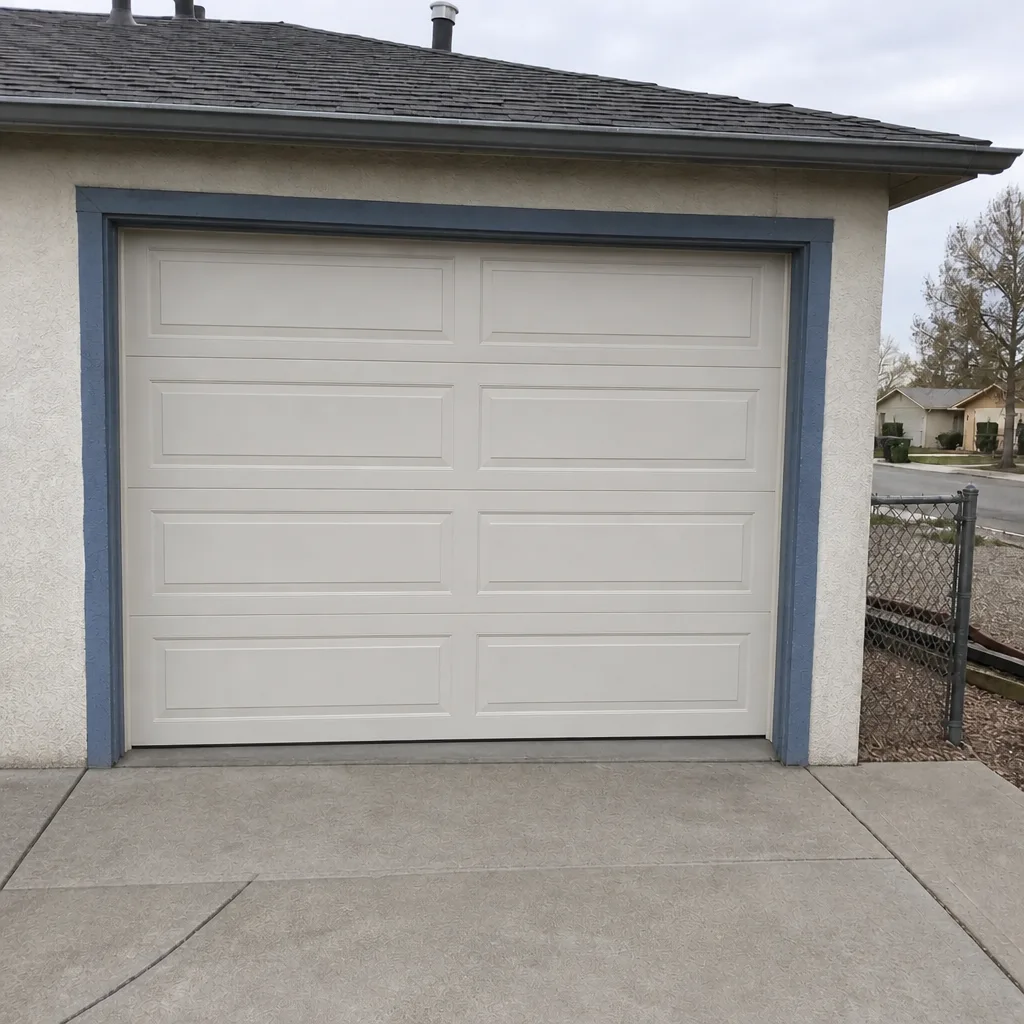 After
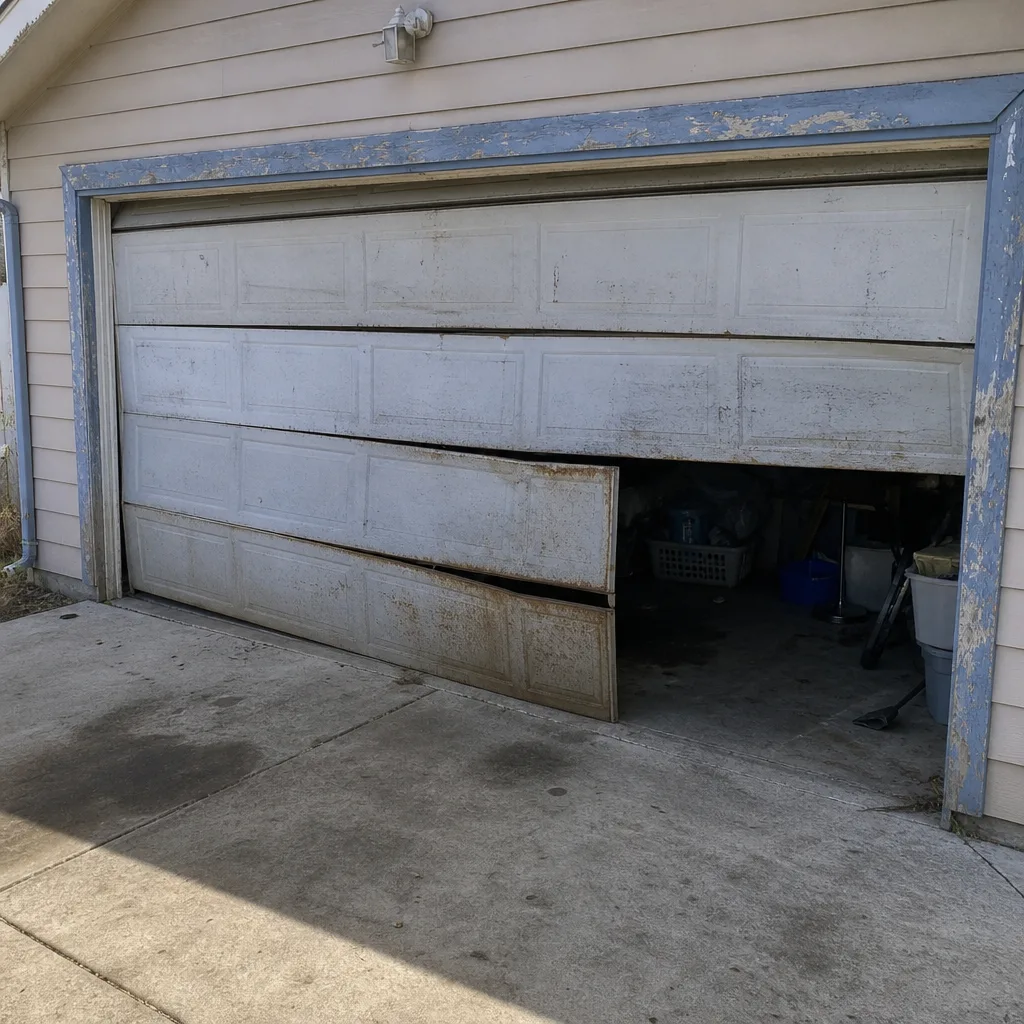 Before
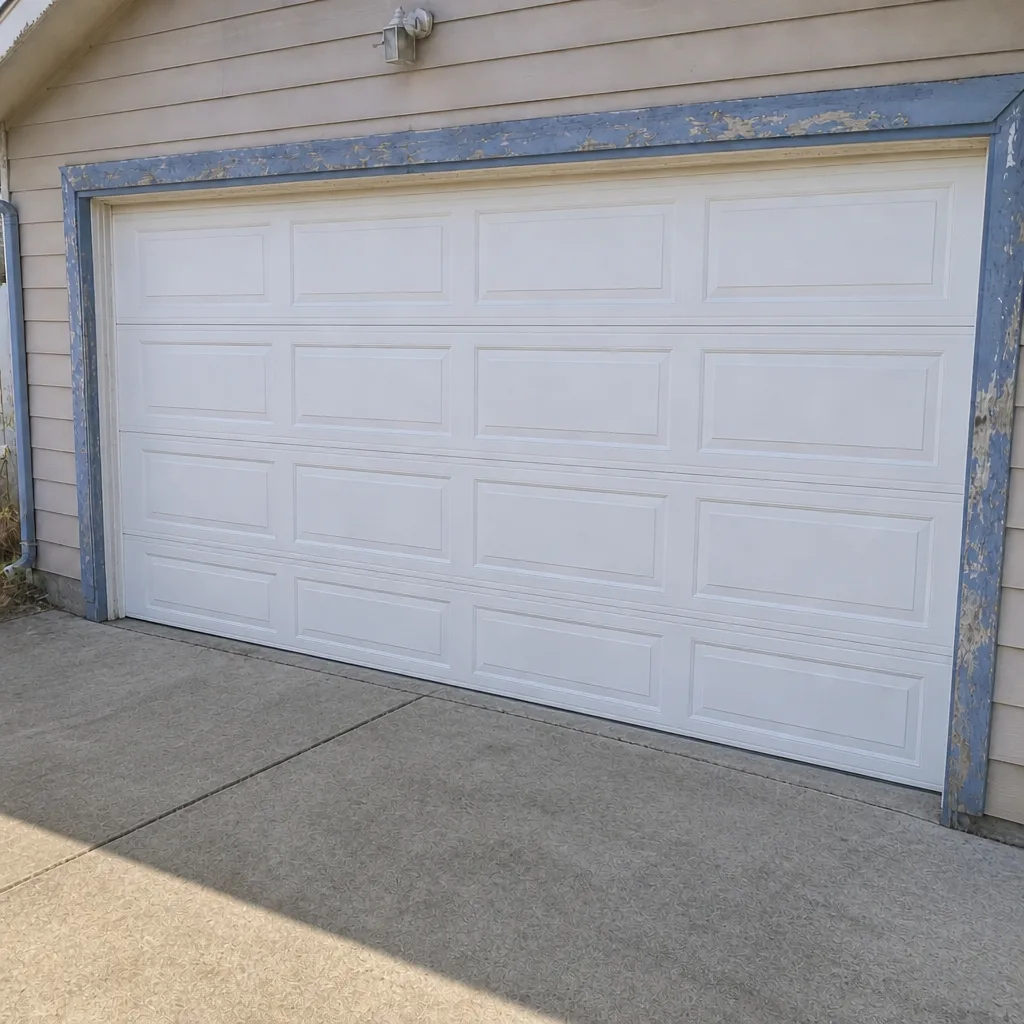 After
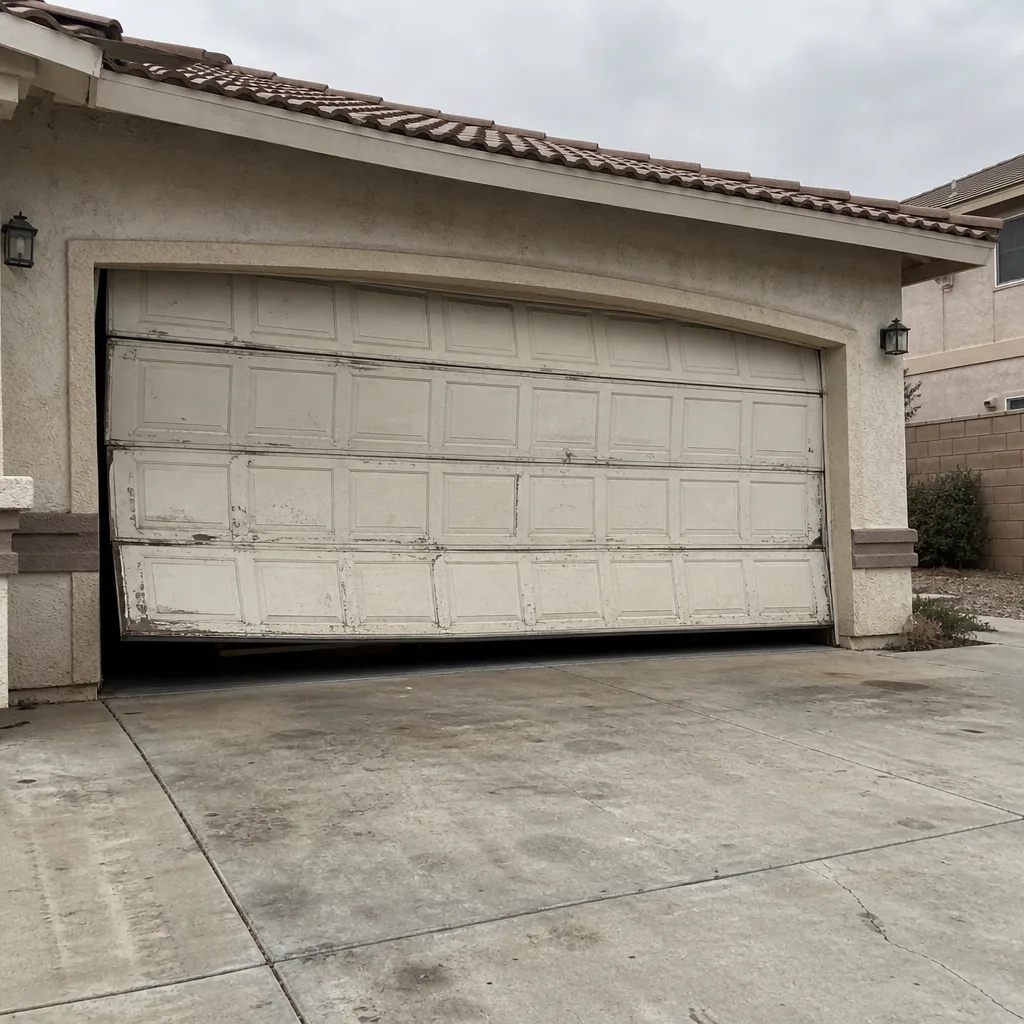 Before
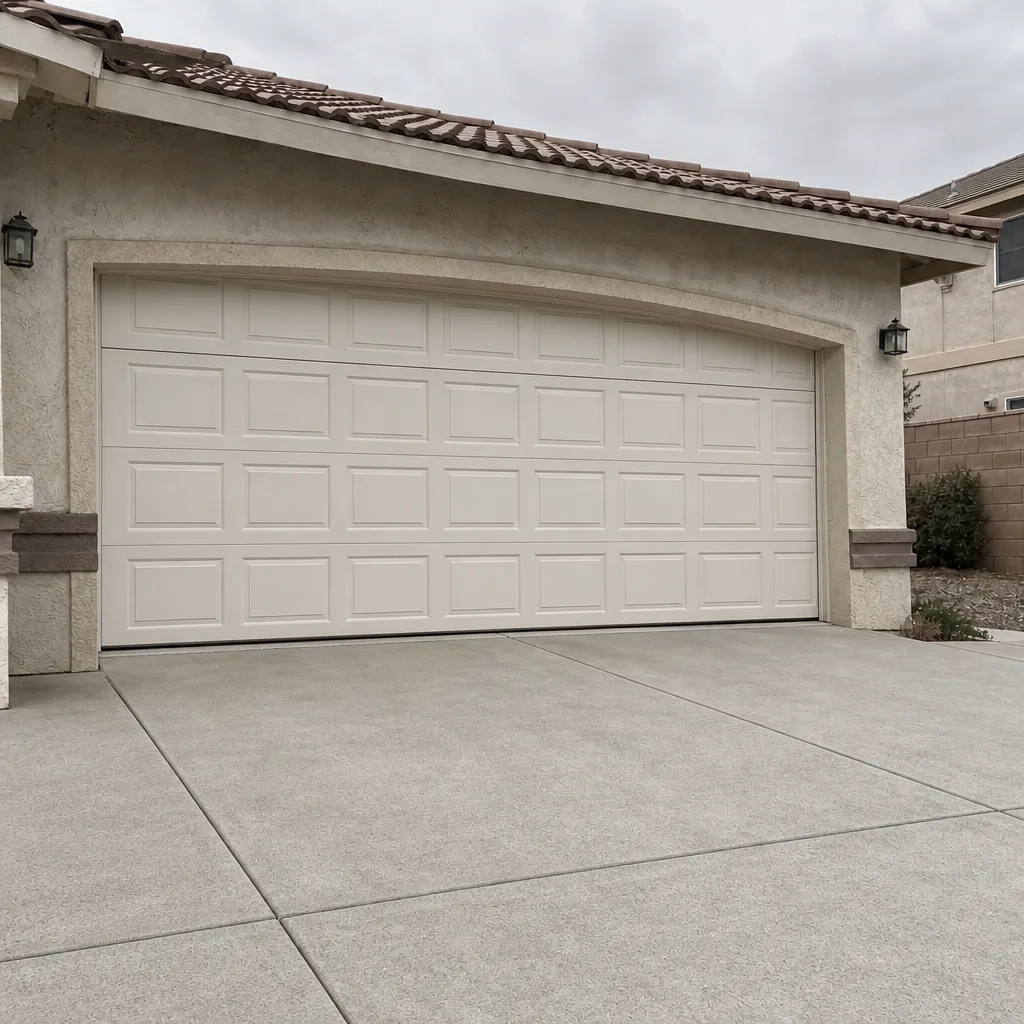 After
When to Call a Professional
Call a professional if the balance test shows the door sinking or rising on its own, if you hear a loud bang from the garage, if the door refuses to open or closes unevenly, if a cable looks frayed or slack, or if the door feels dramatically heavier than it used to. Those scenarios all involve components under real mechanical load, and the risk of injury is not worth trying to save a service call.
Mainspring Garage Door Co. Winchester offers free estimates in Winchester. Call (888) 326-0817 for an honest read on what’s worn and what’s safe to leave for now. Our technicians have up to 10 years of experience, work background-checked and uniformed, and our 90-Day Done Right Promise stands behind every job in writing. Calls are answered by a live person around the clock, including nights, weekends, and holidays.
Frequently Asked Questions
Lubricate roller bearings and hinge pivots every three months, and apply white lithium grease to the springs twice a year. In Winchester’s dusty climate, stick to the three-month roller interval; desert dust settles faster than in humid regions, and a dry roller wears out noticeably quicker. Call (888) 326-0817 for a free estimate if you’d rather have the job done in a single tune-up visit.
No. A torsion spring holds enough stored energy to cause serious injury, and installing a spring rated for the wrong weight can damage the door and the opener. Spring replacement requires proper winding bars, correct tension calculation, and knowledge of the door’s weight rating. Call (888) 326-0817 and we’ll handle it safely; our trucks carry standard springs so most replacements finish in one visit.
It depends on your cycle count, not a calendar. A 10,000-cycle spring used four times a day lasts roughly seven years; used ten times a day, it lasts under three. Winchester’s dry air and summer heat don’t noticeably change spring life, but they do accelerate dust intrusion into bearings, which is why rollers need attention more often here than the calendar suggests. Call (888) 326-0817 for a free estimate on spring replacement.
White lithium grease or a purpose-made garage door spring lubricant. Never use WD-40 on springs, because its solvent base strips protective film and leaves the metal drier than when you started. Roller bearings and hinges do fine with a silicone spray. Call (888) 326-0817 if you’d like a professional inspection of what’s actually worn.
Every three to five years in Winchester. Summer temperatures above 100 degrees harden vinyl faster than they would in a coastal or humid climate, and south-facing doors that take direct sun tend to fail at the shorter end of that range. Check the seal at the same time you check for daylight under the closed door; if you see light or dust blowing in, it’s time.
Yes. Our technicians are background-checked, uniformed, and covered by the 90-Day Done Right Promise on every completed job. The promise means if the work isn’t right, we come back at no charge, in writing, with no arguing over terms. Call (888) 326-0817 to schedule a free estimate.
The Bottom Line
Garage door maintenance isn’t a single checklist. It’s four separate schedules running on different clocks: the quarterly lubricant schedule for rollers and hinges, the six-month inspection schedule for cables and springs, the balance test you run monthly, and the multi-year replacement schedule for rollers and weatherstripping. Springs fail on a cycle count you can calculate from your daily use, and in Winchester, desert dust means the lubrication side of the schedule needs more attention than in wetter regions. Match the task to the actual wear, and you’ll catch the failures before they happen.
If you’d rather hand the whole thing to someone who knows what to look for, call Mainspring Garage Door Co. Winchester at (888) 326-0817 for a free estimate. We answer live around the clock, quote the flat price before any work starts, and stand behind the job for 90 days in writing. Our $89 Seasonal Tune-Up covers the annual inspection in one visit.
Written by the team at Mainspring Garage Door Co. Winchester.