
Last updated November 18, 2026
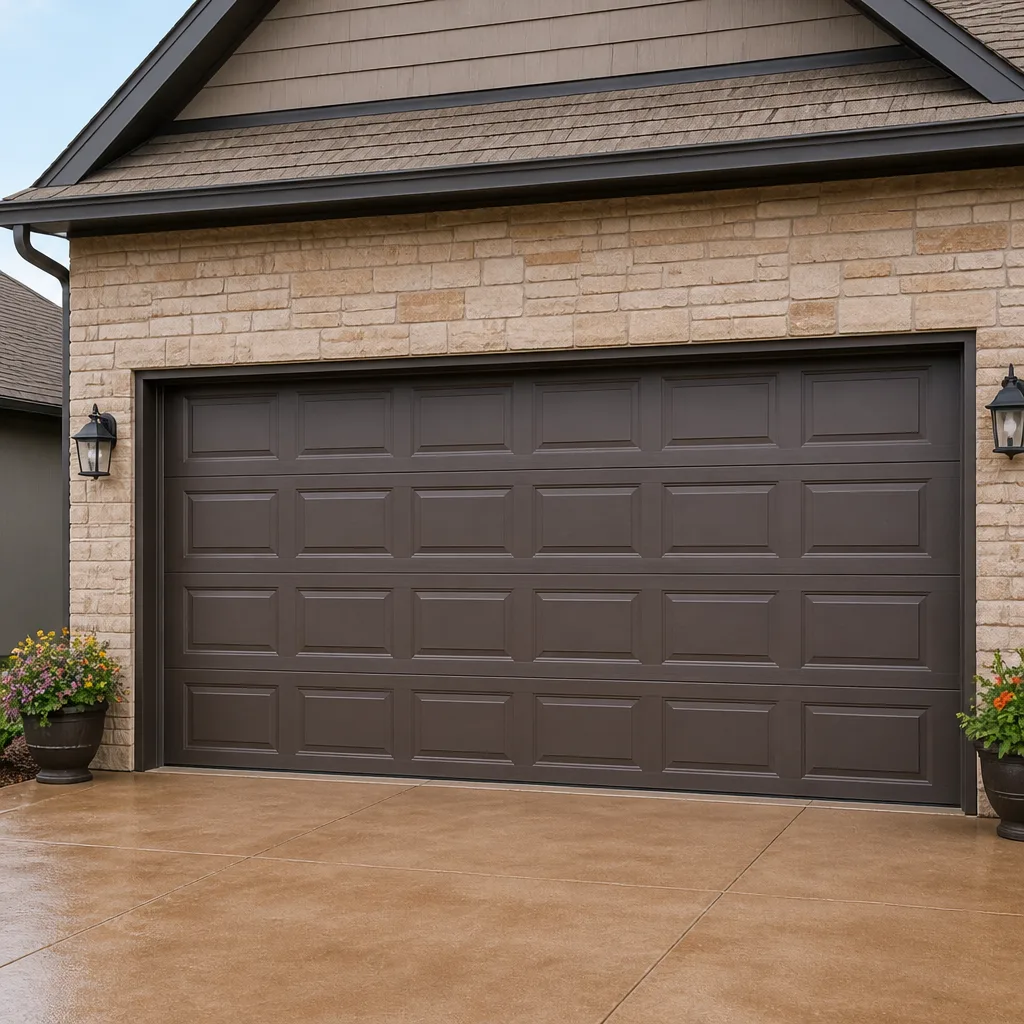 Raised-panel steel
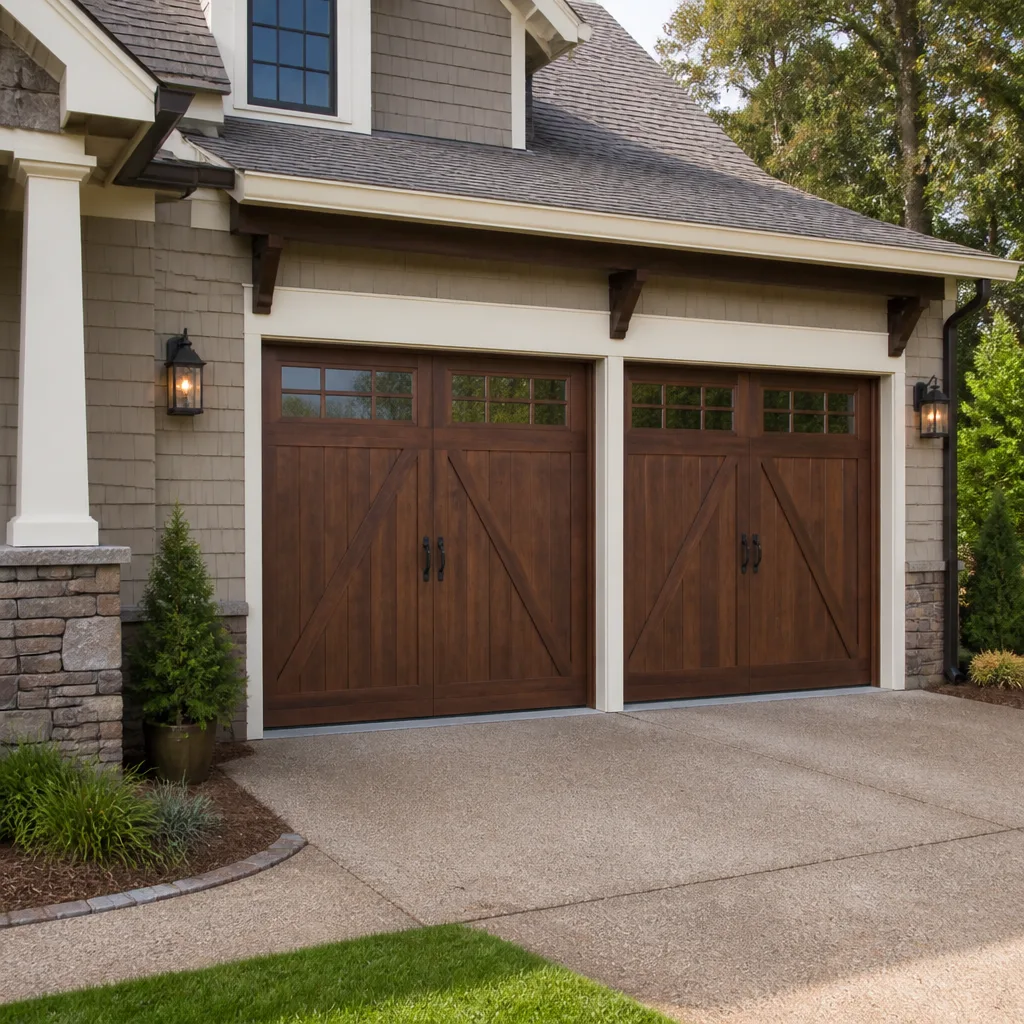 Carriage house
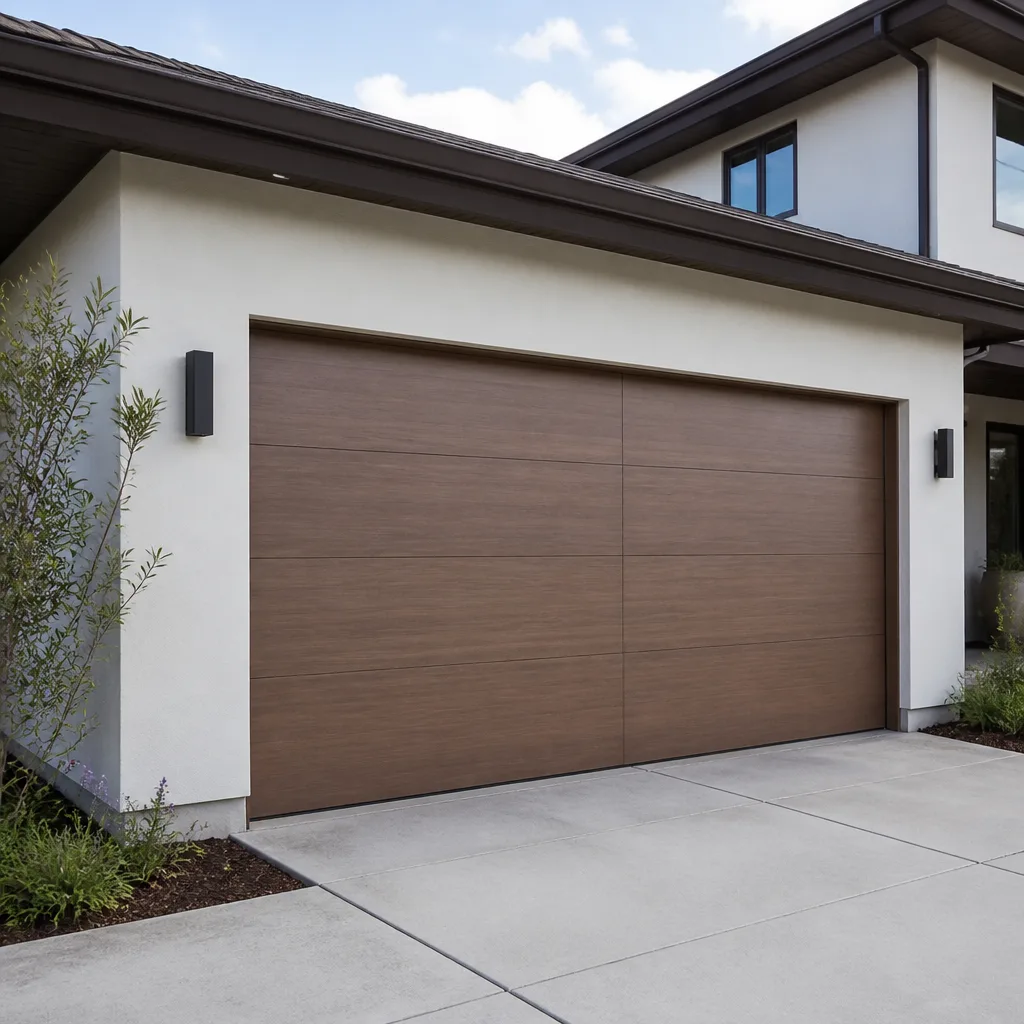 Modern flush
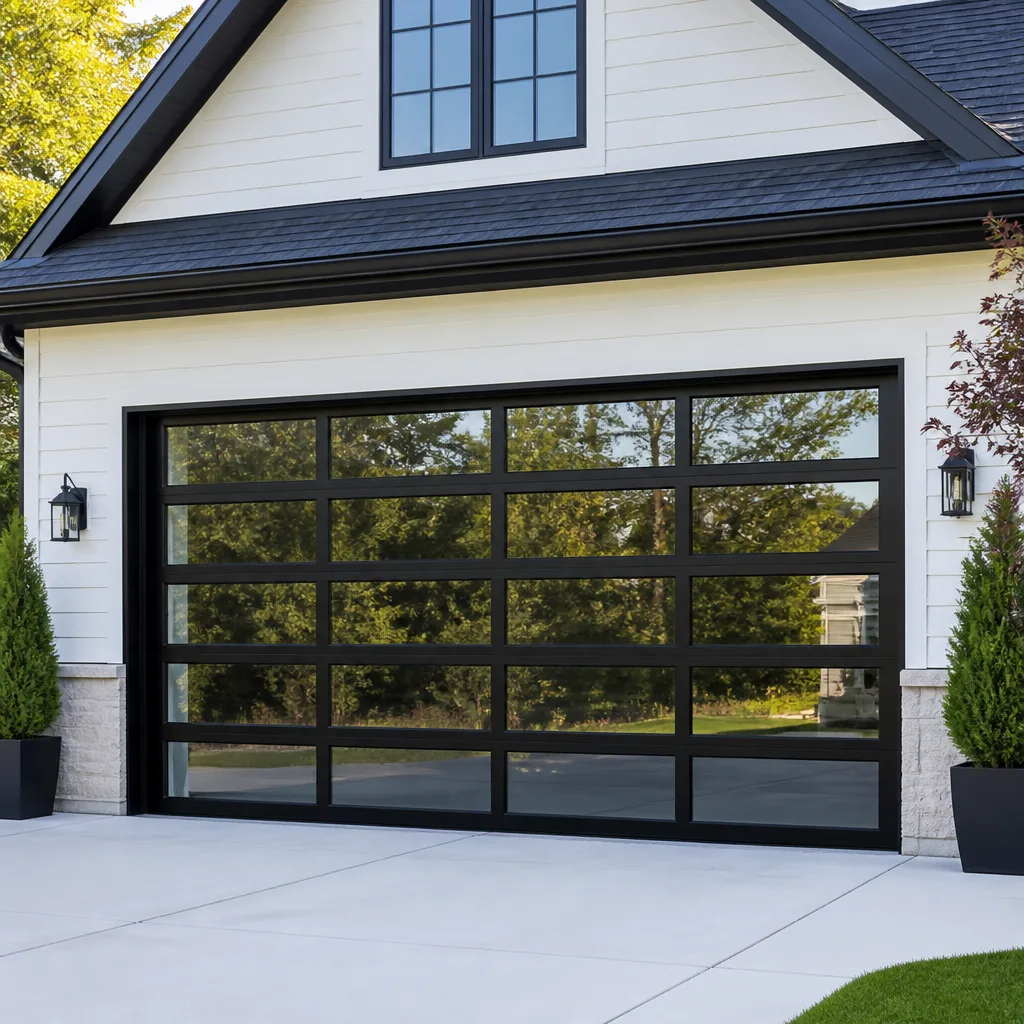 Full-view glass
 LiftMaster openers
 Chamberlain openers
Full 25-point door and opener safety check with every visit - springs, cables, rollers, tracks, and your LiftMaster or Chamberlain opener included
You get a price before we start. It does not change when the pro arrives.
Get your free estimateThe Complete Garage Door Opener Guide for Winchester Homeowners
Winchester sits at roughly 4,500 feet, and the gap between a January night and a July afternoon is wide enough that the lubricant spec on a chain drive matters more here than it does in coastal markets. That single fact changes almost every recommendation in this guide. We’ve watched openers that run quietly for years in milder climates develop a dry, grinding rattle in Winchester garages within two summers, and we’ve seen homeowners sold a 3/4-horsepower unit they never needed for a standard double door. Below you’ll find the plain-language version: how drive types actually behave in high-desert conditions, what horsepower a Winchester home really requires, which smart features survive our subdivisions’ Wi-Fi quirks, and the permit rules for Lyon County. Written from Winchester, for the people who live here and plan to stay.
Quick Answer
For most Winchester homes with a standard double door, a 1/2 HP belt-drive opener with battery backup is the right choice – quiet, low-dust, and reliable through our temperature swings. A 3/4 HP unit is only justified for a heavy wood or insulated door, a tall door, or a very steep single-car layout. Chain drive works fine but needs lubrication here more often than the manual suggests.
Styles & brands we work with
- Raised-panel steel
- Carriage house
- Modern flush
- Full-view glass
- LiftMaster openers
- Chamberlain openers
Table of Contents
- Belt vs. Chain vs. Screw Drive in High-Desert Conditions
- The Horsepower Question: Is 3/4 HP Ever Worth It?
- Smart Openers and Wi-Fi Compatibility in Winchester Subdivisions
- Battery Backup: Why It Matters Here
- Permits: Lyon County vs. What Doesn’t Need One
- What a Correct Installation Looks Like
- Maintenance Schedule for Our Climate
- Common Mistakes to Avoid
Belt vs. Chain vs. Screw Drive in High-Desert Conditions
Dust is the quiet enemy of any opener in Winchester. Our valley picks up fine grit through the summer, and that grit settles into the rail and onto any surface that isn’t sealed. This is the single biggest factor separating how the three drive types hold up here.
Belt drive runs on a steel-reinforced rubber belt instead of a metal chain. It’s the quietest option and, importantly, the least affected by dust because the belt is a sealed surface – grit doesn’t work its way into the links. In our experience, belt-drive openers stay quiet for years in Winchester garages with minimal attention. The tradeoff is a slightly higher upfront price.
Chain drive is the workhorse. It’s durable and less expensive, but the exposed chain collects dust and demands lubrication. Here’s the regional catch: the wide temperature swing means the chain expands and contracts more than the manual anticipates, so the recommended lubricant interval for coastal conditions is too loose for Winchester. We tell homeowners to grease the chain twice a year during our climate’s shoulder seasons – once in fall as the nights cool, once in spring as the heat returns. Skip it and you’ll hear the rattle develop within a season.
Screw drive uses a threaded rod and is the least common. It handles cold well and doesn’t collect dust the way a chain does, but it’s noisier than a belt and the screw needs its own grease spec to perform through a January freeze. It’s a reasonable option for a detached or shop garage where quiet operation isn’t a priority.
Field Note from Winchester Garages
- Belt drive: quietest, lowest dust maintenance, best for attached garages near living space
- Chain drive: durable and economical, but requires twice-yearly greasing here to fight expansion rattle
- Screw drive: cold-tolerant, noisier, suits detached garages or workshops
If you’re unsure which drive type fits your specific door and layout, our garage door opener service in Winchester team can measure your door weight and recommend a match before anything is ordered.
The Horsepower Question: Is 3/4 HP Ever Worth It?
Most Winchester homes with a standard double door need 1/2 HP. We say that plainly because the upselling pressure in this industry is real, and homeowners who’ve been burned before know it. A 3/4 HP opener is rarely justified for a standard door, and here’s how to tell whether your situation is one of the exceptions.
An opener’s job is to lift a specific weight. A standard steel double door in the 130 to 175 pound range is comfortably within a 1/2 HP unit’s rating when the door is balanced. The door’s springs carry the weight – that’s the whole point of a torsion system – so the motor only needs to overcome friction and the door’s imbalance, not its full mass.
So when does 3/4 HP make sense?
- A solid wood or heavily insulated door that pushes past 200 pounds
- An extra-tall door, eight feet or more, which changes the lift geometry
- A very steep single-car layout where the rail run is short and the load is concentrated
- An older door that’s out of balance and not worth repairing versus replacing
If none of those describe your garage, 1/2 HP is enough. Paying for 3/4 HP on a balanced standard door buys you nothing but a bigger bill. If you’re unsure whether your door is balanced, a properly tuned opener shouldn’t strain – if it grunts or hesitates, the door is the problem, not the horsepower.
Smart Openers and Wi-Fi Compatibility in Winchester Subdivisions
Smart openers are genuinely useful – open the door from your car or check that it’s closed after you’ve driven away. But the Wi-Fi reality in Winchester’s subdivisions deserves an honest note that most buying guides skip.
Most modern smart openers, whether Craftsman, LiftMaster, or another major brand, connect on the 2.4 GHz band only. They don’t see 5 GHz networks. If your router broadcasts a combined network that steers devices automatically, some openers get confused trying to join it. The fix is usually simple: split your network into a separate 2.4 GHz SSID for the opener, or use the app’s setup mode during initial pairing while standing close to the unit.
Signal strength matters too. In the two-story subdivisions closer to the valley floor, garages are sometimes positioned where the router signal is thin. Before you commit to a smart model, check that your phone holds at least two bars in the garage. A Wi-Fi range extender is a cheap addition if it doesn’t.
The other compatibility point homeowners ask about: brand ecosystems. If you already use a Chamberlain or LiftMaster MyQ setup, staying within that family makes pairing and app management simpler. Mixing brands is fine functionally, but you may end up with two apps instead of one. When in doubt, ask before you buy – the opener specialists at Mainspring work with all the major brands and can tell you what pairs cleanly with what.
Battery Backup: Why It Matters Here
Battery backup is a practical feature in Winchester, not a luxury add-on. Our valley sees occasional grid interruptions, and when power drops during high-wind weather or a summer storm, a door without backup is dead in the up or down position. If you’re a two-car household where one vehicle is trapped inside, that’s an inconvenience. If you’re depending on that garage as your main entrance, it’s a problem.
Modern battery backup units carry a rated number of open/close cycles on a charge and will keep working for a stretch after the power fails. That’s enough to get a car out, get to work, or open the door so you’re not stranded.
One thing people miss: safety. All modern openers since the early 1990s include photoelectric safety eyes at the base of the door that reverse the door if something crosses the beam. If your current opener is older than that and has only a pressure-based reversal, it’s worth the upgrade for the photo-eye system alone. This is a genuinely dangerous component to work around – the spring carries the door’s weight – so we recommend having a trained technician handle any opener electrical work or spring adjustment. Don’t take the risk yourself.
Permits: Lyon County vs. What Doesn’t Need One
Here’s a plain-language breakdown of the permit question, which most guides leave vague. Local jurisdiction matters, and we’re careful to be precise about what usually requires a permit versus what doesn’t – your exact address and circumstances determine the final answer, so confirm with Lyon County before any work begins.
- New opener replacement (same door, same rail): Generally a like-for-like swap that follows the existing wiring and doesn’t alter the structure. This is normally not a permitted job, but the wiring should be to code and on a properly protected circuit.
- New opener on an existing door with new wiring: If the electrical circuit has to be extended or a new outlet installed in the garage, that electrical work typically requires an electrical permit and inspection.
- New door plus new opener, or any change to the door’s structural attachment: A new door install, particularly one changing the opening or the header, usually requires a building permit. Often the door install and opener are permitted together.
- Commercial or detached shop garages: These follow a different permit path than residential attached garages and are worth checking directly with the county.
The safest habit: ask before the work is scheduled. A licensed installer familiar with Lyon County’s requirements will tell you plainly whether a permit applies. When we quote a job through our Winchester garage door installation service, the flat price is stated before any work begins, so there are no surprises on the bill – and no surprises on the permit side.
What a Correct Installation Looks Like
A proper opener installation is about more than screwing a motor to the ceiling and testing the remote. Here’s the sequence we follow on every job, and every step matters for how the unit behaves in our climate over the years.
- Check the door’s balance and hardware first. The door gets manually tested – springs, cables, rollers, hinges. If the door is out of balance, an opener is not a substitute for fixing it.
- Mount the header bracket to solid framing. Not to drywall, not to a thin plate. The header bracket carries real load and needs proper attachment.
- Install the rail and set the door in its proper position. The rail run must be level and correctly tensioned, especially with the temperature swing here.
- Wire the safety photo-eye system at the correct height. Mounted just below the door track, aligned, and tested with the door reversing correctly when the beam is broken.
- Adjust travel limits and force settings. This is where the door learns how far to travel and how much force to apply. Too much force is a safety risk; too little and the door won’t close fully.
- Program remotes, keypad, and any smart app, then run a full test cycle. Test the photo eyes, the force reversal, the battery backup (if equipped), and the smart pairing from inside and outside the house.
Every Mainspring technician is background-checked and uniformed, trained as a journeyman, and arrives with the springs, cables, and opener parts already on the truck so most jobs finish in a single visit. Our technicians have up to 10 years of experience, which matters most on the framing and wiring steps where shortcuts show up years later.
Maintenance Schedule for Our Climate
An opener that gets a little attention twice a year will outlast one that never does. Here’s our recommended schedule, tuned for Winchester’s temperature swing and summer dust.
Spring Checklist
- Grease the chain, or inspect the belt, as heat returns
- Test the photo eyes with an object in the beam path
- Check the manual release rope and handle for smooth operation
- Inspect the rail for dust buildup and wipe it down
Fall Checklist
- Lubricate the chain again before the cold nights settle in
- Test the balance of the door with the opener disengaged
- Check battery backup health if equipped
- Re-pair the smart app if the router was reset over the year
Changes in the door’s movement – a slight hesitation, a grunt, a wobble – usually mean the door hardware needs adjustment, not that the opener is failing. Catch it early and you extend the life of both. Our garage door repair team in Winchester handles the seasonal tune-ups and small fixes, and the standing $89 Seasonal Tune-Up covers the check on both the opener and the door together.
Common Mistakes to Avoid
- Buying horsepower you don’t need. A 3/4 HP opener won’t hurt anything, but on a balanced standard double door it’s money spent for no gain. Match the unit to the door.
- Assuming a bigger opener will fix a grinding door. If the door is out of balance or a spring is failing, a new opener just wears out faster. Fix the door first.
- Ignoring the chain for years. In this climate, an ungreased chain picks up dust and develops a rattle within a season or two. Twice a year, every year.
- Skipping the Wi-Fi check on a smart opener. Standing in the garage and confirming two bars of 2.4 GHz signal before buying saves the frustration of a device that won’t pair.
- Treating battery backup as optional in Winchester. Occasional grid interruptions are a real feature of our valley; battery backup keeps you moving when the power doesn’t.
- Forgetting the permit question. It usually doesn’t apply on a straight opener swap, but a new door or new electrical run often does – confirm with Lyon County before scheduling.
- Letting a 20-year-old opener limp along. The older units with only pressure-based reversal are worth replacing for the photo-eye safety system alone.
See the difference
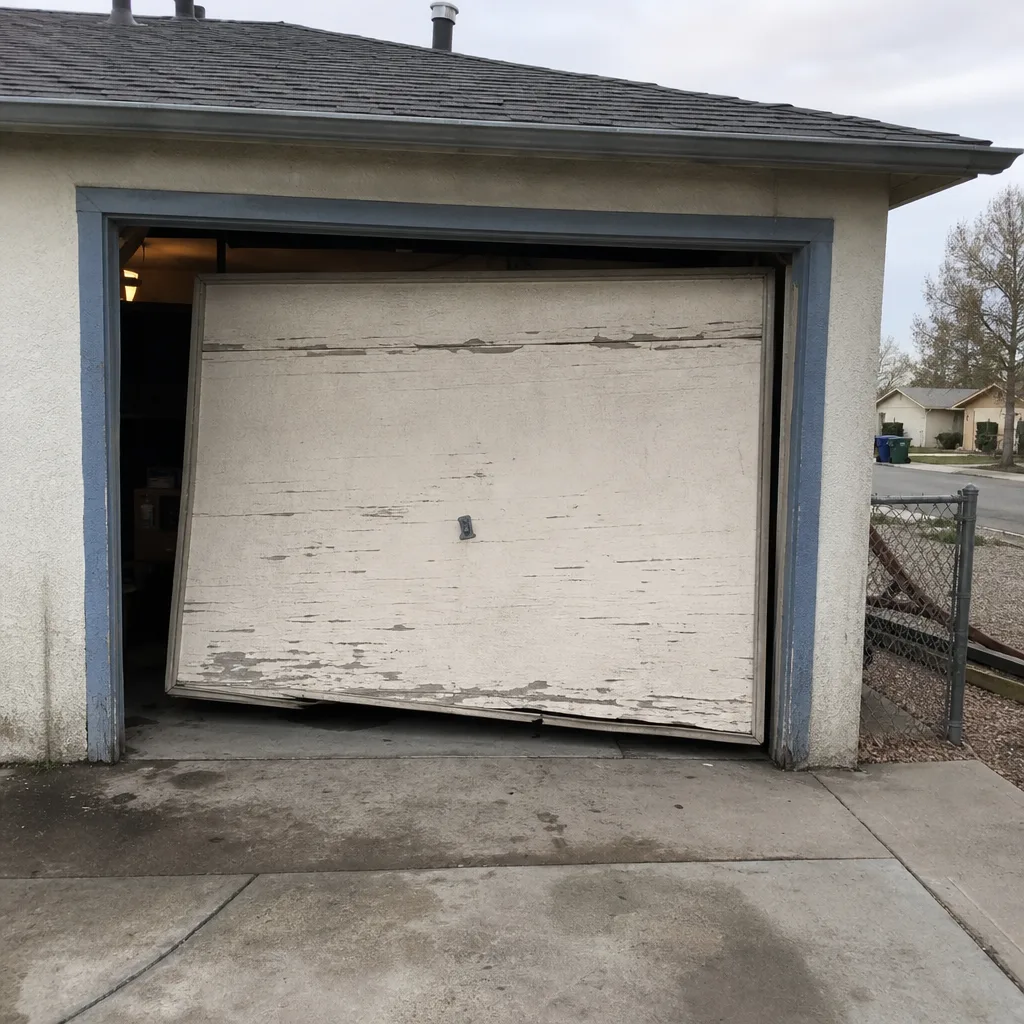 Before
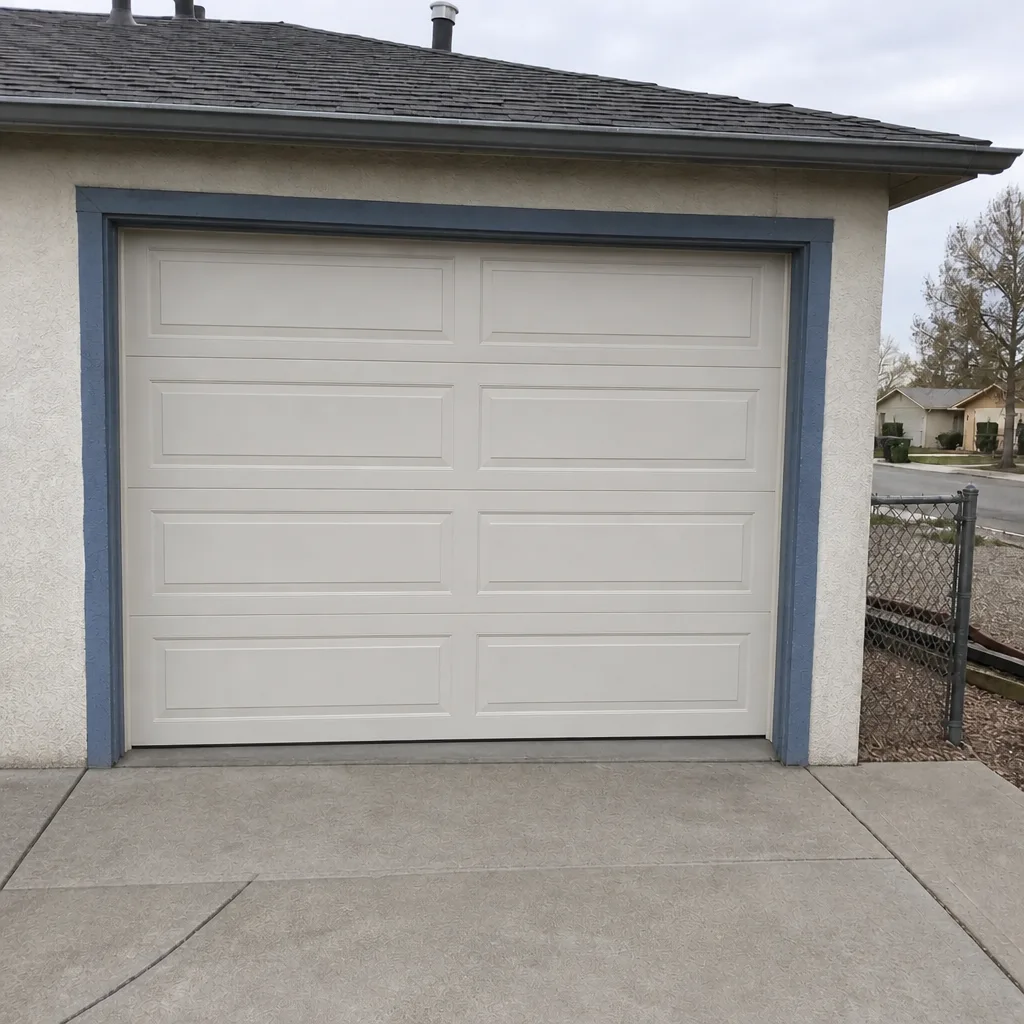 After
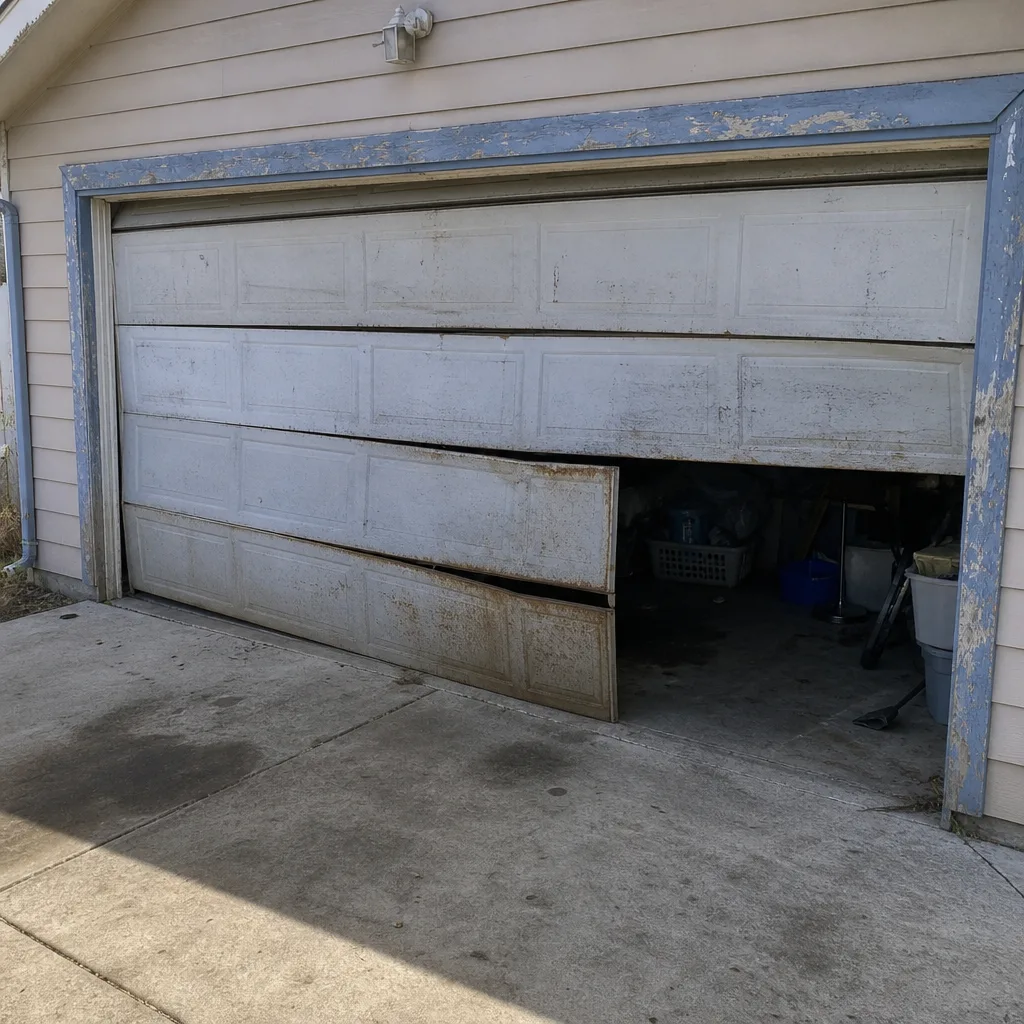 Before
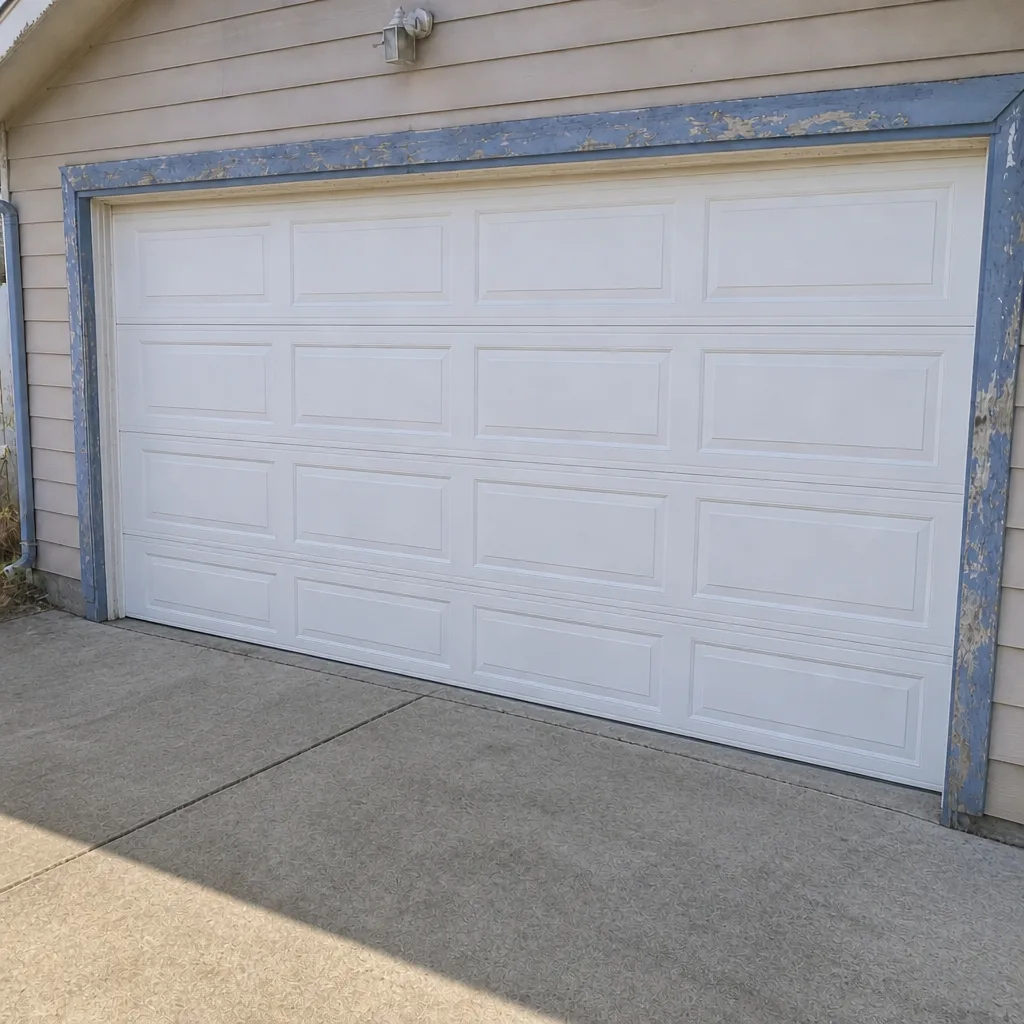 After
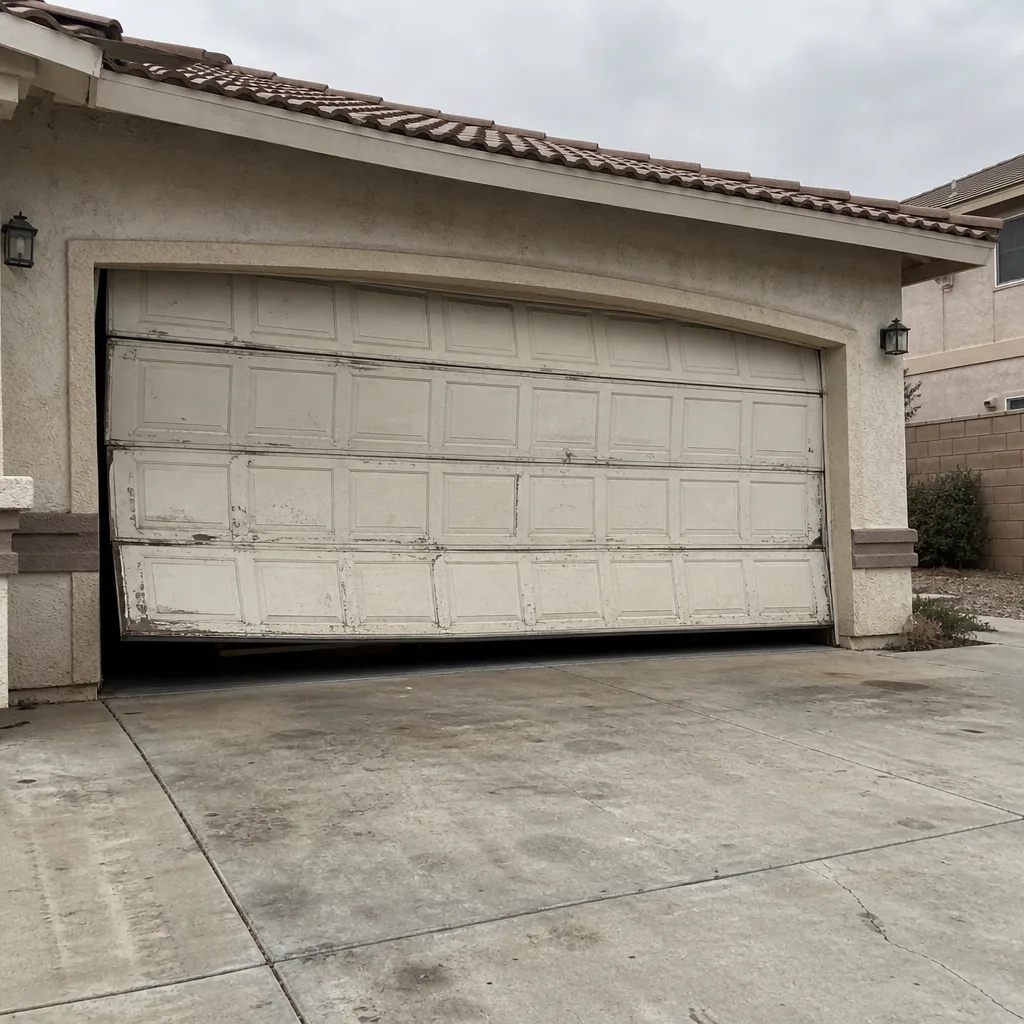 Before
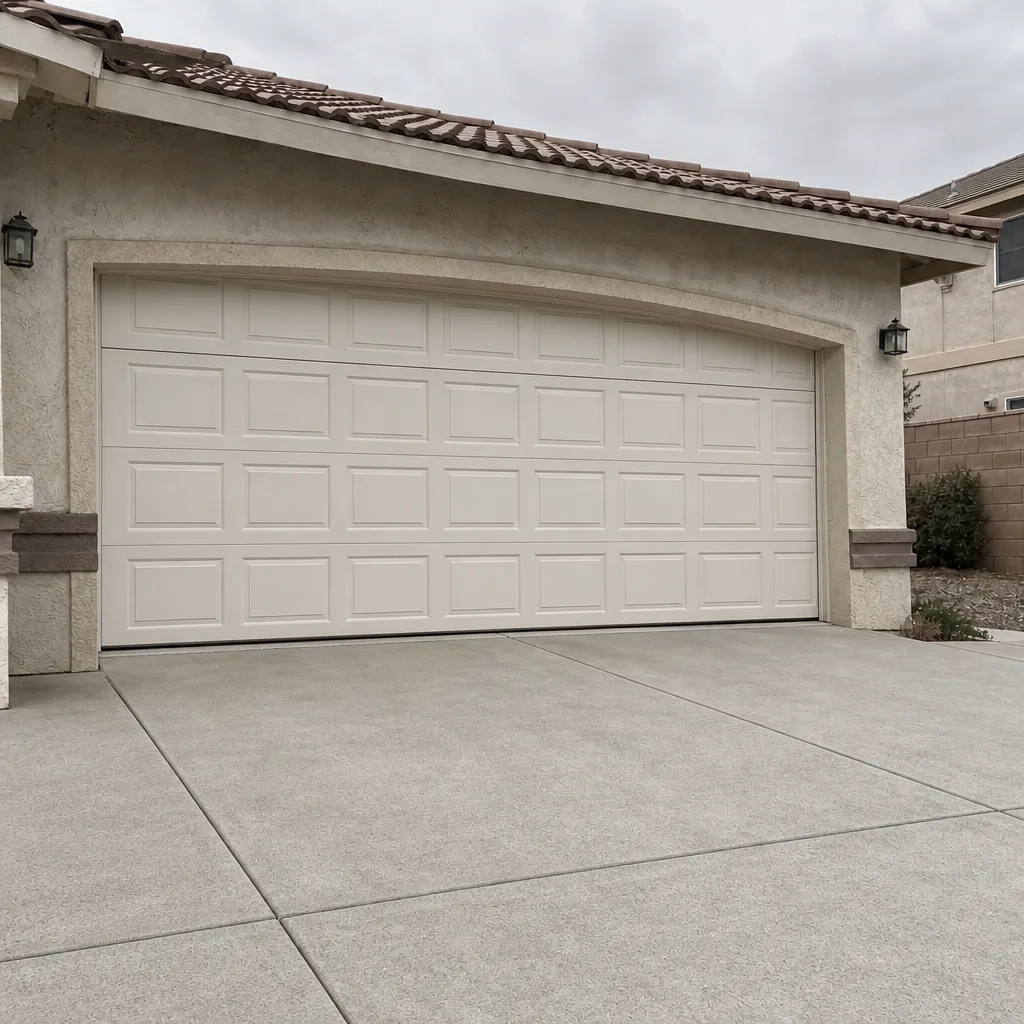 After
When to Call a Professional
Some opener work is fine to handle yourself – wiping the rail, programming a remote, checking that the photo eyes are aligned. Some of it isn’t. The springs and cables carry the entire weight of the door, and the electrical work and framing a new opener needs are places where a mistake shows up months later or, worse, causes injury. If your door is out of balance, your opener hesitates under load, you’re replacing an opener without battery backup or photo eyes, or you’re installing a new unit from scratch, that’s a call for a trained technician. If your spring has a visible gap or the door won’t lift more than a few inches, stop and call – don’t try to test it further.
Mainspring Garage Door Co. Winchester offers free estimates in Winchester – call (888) 326-0817. The flat price is quoted and agreed before any work starts, and every completed job is covered by our 90-Day Done Right Promise in writing. If it’s not right, we come back.
Frequently Asked Questions
For most Winchester homes with a standard double door, 1/2 HP is enough. You only need 3/4 HP if you have a solid wood or heavily insulated door over about 200 pounds, a tall door of eight feet or more, or a very steep single-car layout. Call (888) 326-0817 and we’ll match the unit to your door before anything is ordered – the estimate is free.
Belt drive holds up better in Winchester’s dust because the belt is a sealed surface, so grit doesn’t work into links the way it does with a chain. Chain drive is durable and less expensive but needs greasing twice a year here. Both will serve you well if maintained. Call for a recommendation on your specific door.
A like-for-like opener swap on an existing door usually doesn’t require a permit, but new electrical wiring or a new door install typically does. The final answer depends on your exact circumstances, so confirm with Lyon County before scheduling. If you’re unsure, call us and we’ll walk you through it.
No. We state the flat price before any work begins, and that’s the price on the bill. It’s part of the no-surprises promise and part of why our customers call us back. Call (888) 326-0817 for a free estimate on any opener work.
Yes – our technicians are background-checked and uniformed and work as trained journeymen. They carry parts on the truck so most jobs are done in a single visit, and every completed job is backed by our 90-Day Done Right Promise in writing. Call (888) 326-0817 to book a free estimate.
Possibly – we answer live 24/7 and handle emergency opener calls, and same-day service is often available on repair topics. In many cases the opener just needs to be reset and re-paired, and we’ll tell you that over the phone at no charge before you book a visit. Call (888) 326-0817.
The Bottom Line
Choosing an opener in Winchester comes down to matching the unit to your actual door and keeping an eye on the details that matter in this valley – dust, temperature swing, Wi-Fi quirks, and the occasional grid interruption. A 1/2 HP belt-drive unit with battery backup and photo eyes is the right answer for most homes here; 3/4 HP is the exception, not the default. Maintain the chain twice a year, confirm your Wi-Fi signal before buying a smart opener, and ask the permit question before scheduling new work. The point of all of it is a door that runs quiet and a bill with no surprises. When you’re ready to get it done right, we’re a phone call away.
Call (888) 326-0817 for a free estimate from Mainspring Garage Door Co. Winchester. We answer live, we quote before we start, and we stand behind the work in writing. Do it once, do it right.
Written by the team at Mainspring Garage Door Co. Winchester.