
Last updated November 18, 2026
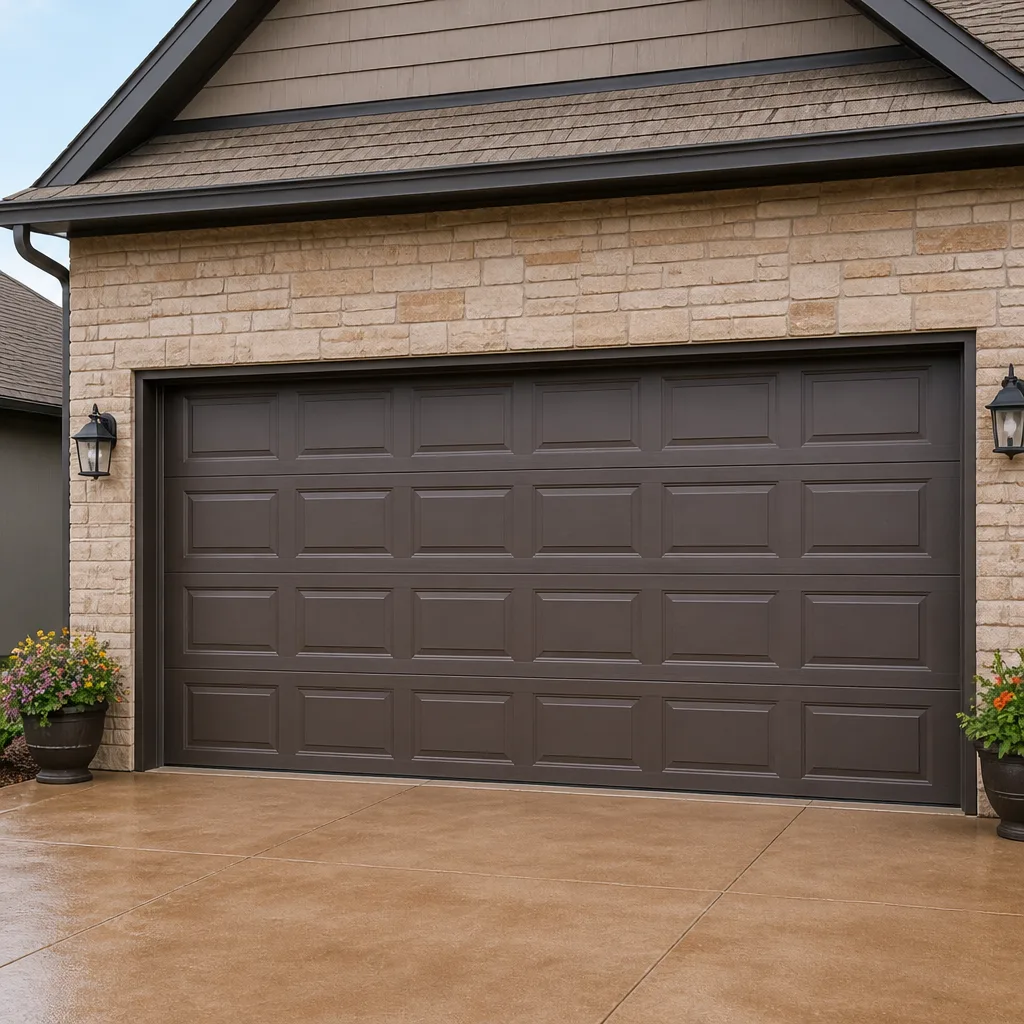 Raised-panel steel
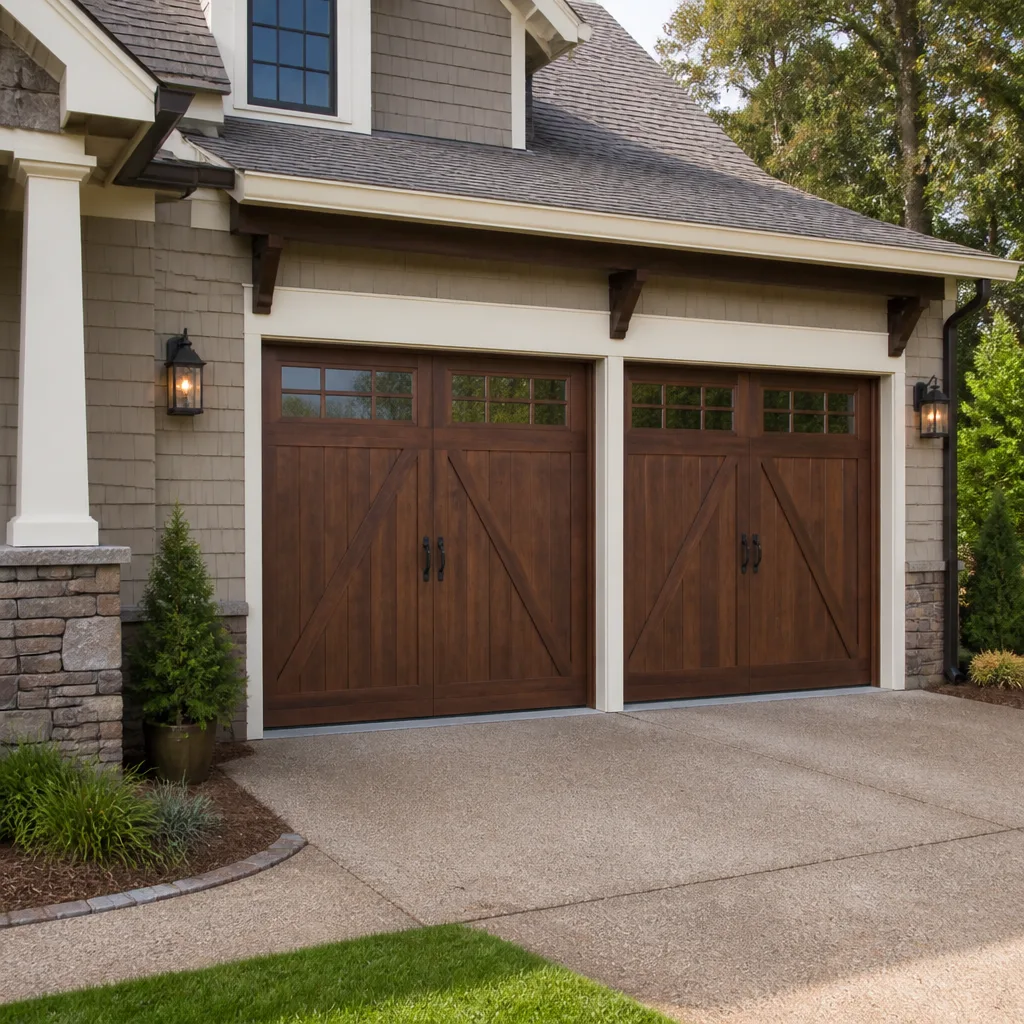 Carriage house
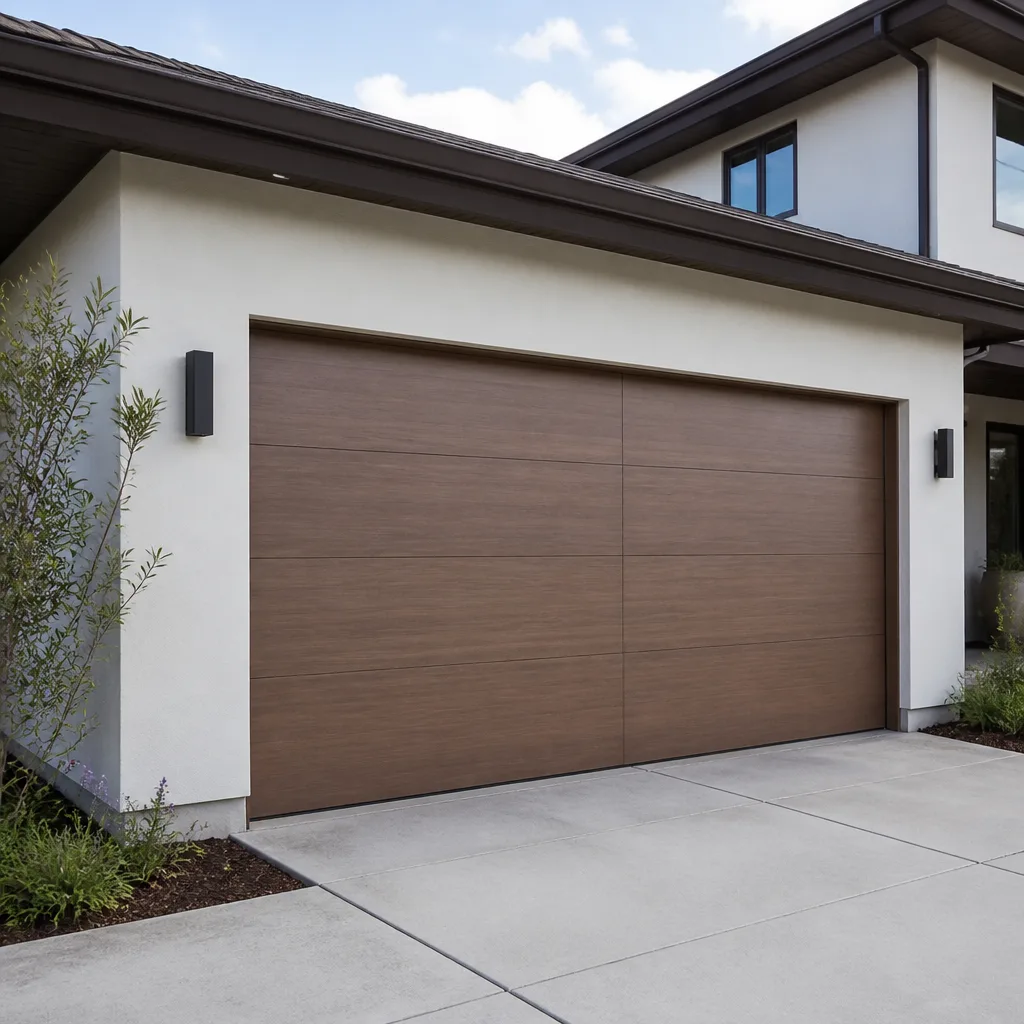 Modern flush
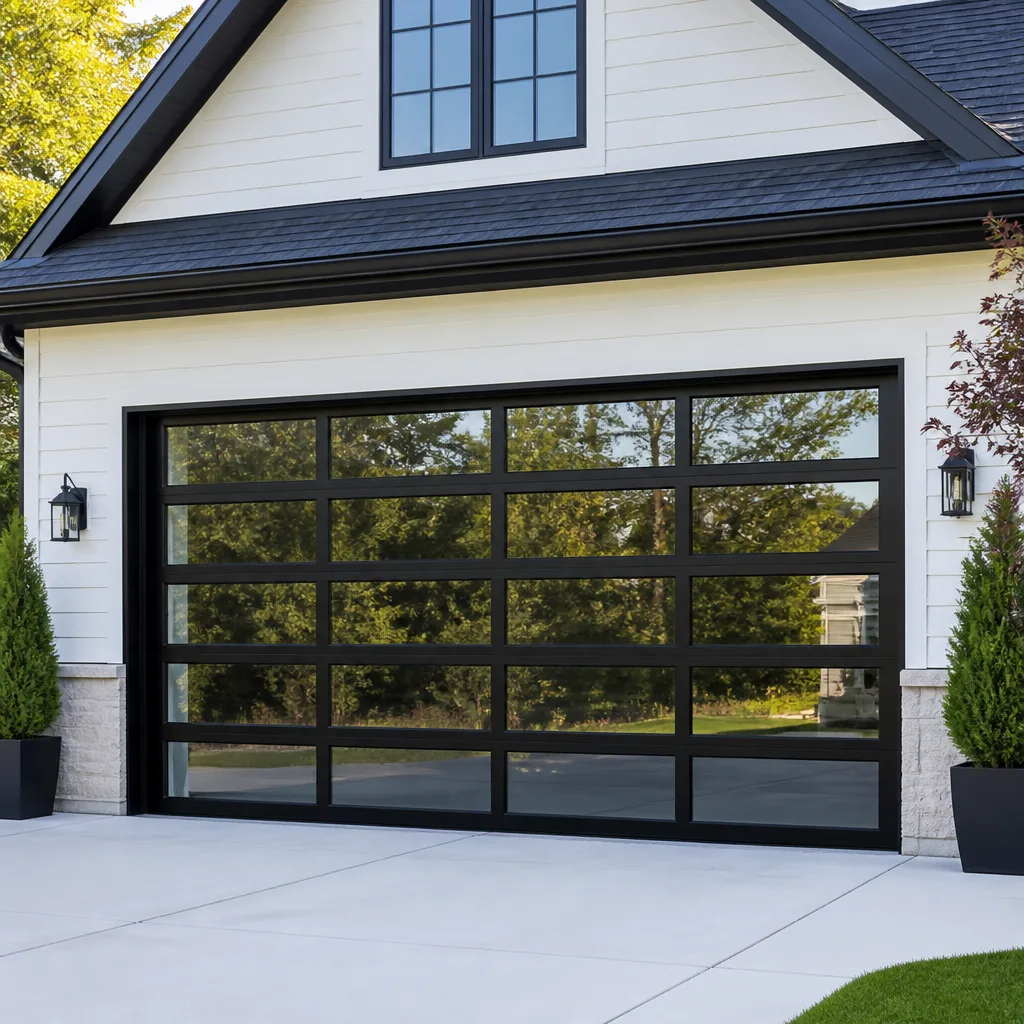 Full-view glass
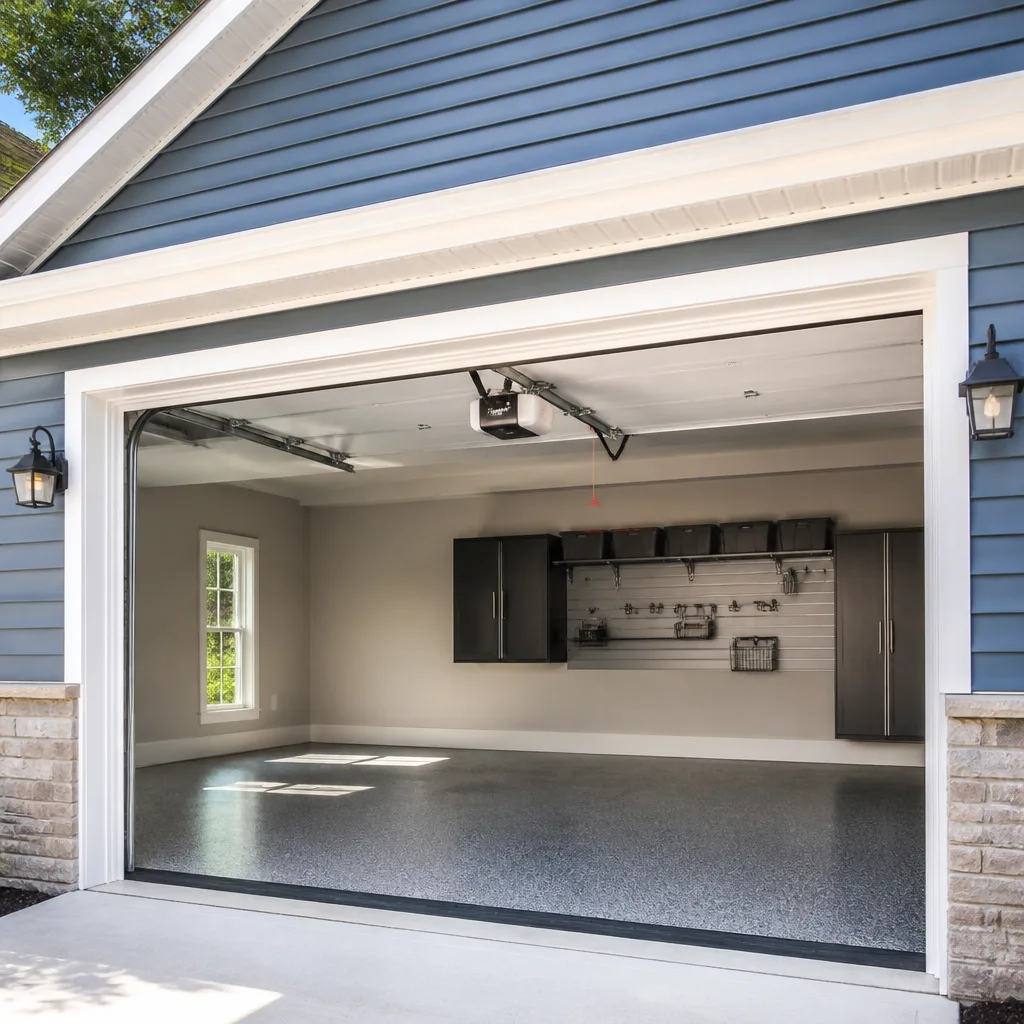 LiftMaster openers
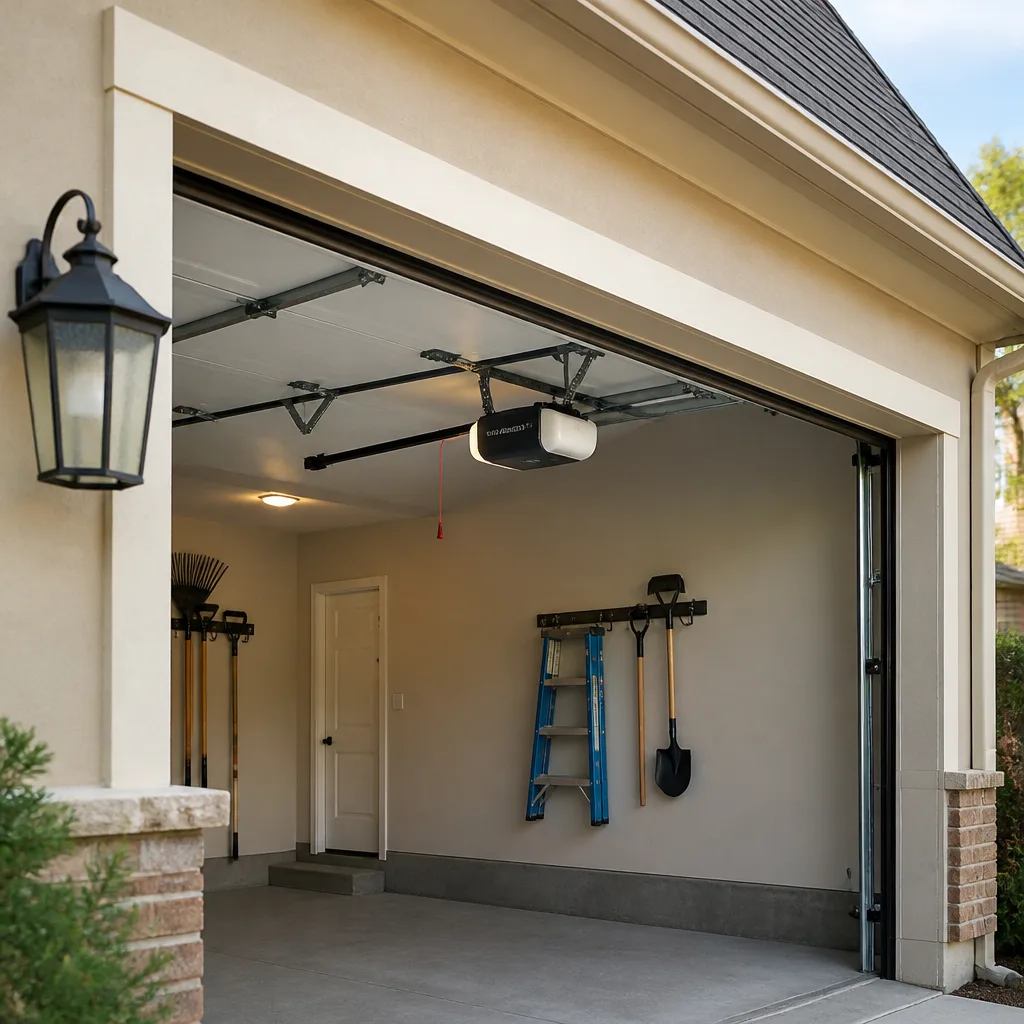 Chamberlain openers
Full 25-point door and opener safety check with every visit - springs, cables, rollers, tracks, and your LiftMaster or Chamberlain opener included
You get a price before we start. It does not change when the pro arrives.
Get your free estimateDIY vs Professional Garage Door: The Winchester Homeowner’s Decision Guide
A torsion spring stores roughly the same energy as a compressed car jack. The YouTube tutorial that makes the swap look easy was filmed by someone who already knew which direction to let the tension off, and it never mentions what happens when you don’t. That gap between what a video shows and what it leaves out is the whole story of DIY garage door work. In this guide, we’ll separate the jobs you can genuinely handle in a Winchester driveway from the ones that belong to a trained technician, and we’ll explain the mechanical reason the line falls where it does.
Quick Answer
Weatherstripping, lubrication, and safety-sensor alignment are safe DIY jobs for most Winchester homeowners. Anything that touches torsion springs, cables, bottom brackets, or the counterbalance system should go to a trained technician regardless of your skill level, because those parts hold enough stored force to cause serious injury. The smart middle ground is doing your own diagnosis and calling a professional for the repair.
Styles & brands we work with
- Raised-panel steel
- Carriage house
- Modern flush
- Full-view glass
- LiftMaster openers
- Chamberlain openers
Table of Contents
- The Task-by-Task Decision Matrix
- Why Torsion Springs Are Categorically Different
- What a True DIY Job Actually Costs in Tools
- How Winchester Dust and UV Change the Math
- How to Diagnose the Problem Yourself
- When to Call a Professional
- Common Mistakes to Avoid
- Frequently Asked Questions
The Task-by-Task Decision Matrix
Most home repair advice treats garage doors as one category. They aren’t. A garage door is a heavy suspended slab under constant tension, and the work splits cleanly into jobs that stay well away from that tension and jobs that live inside it.
Genuinely DIY-safe jobs:
- Replacing bottom weatherstripping. A rubber or vinyl seal slides into a track along the door’s bottom edge. No tension, ground-level, a screwdriver and a helper.
- Lubricating hinges, rollers, and tracks. A white lithium or silicone spray on the moving parts, twice a year, keeps things quiet.
- Aligning safety sensors. The two small eyes near the floor should face each other squarely. Sometimes they just need a nudge after a bump.
- Replacing remote batteries and reprogramming openers. Straightforward for a Chamberlain or Genie unit, and the manual covers it.
- Wiping down and spot-painting sections. Cosmetic care for a steel Clopay or Amarr door.
Jobs that need a technician regardless of skill:
- Torsion and extension spring replacement
- Cable replacement or re-spooling
- Bottom bracket and roller-bracket work on a tensioned door
- Panel replacement on a door whose springs are still wound
- Track straightening where the door has jumped the rail
The dividing line isn’t difficulty. It’s whether the task puts your hands anywhere near stored force. If it does, stop. If our Garage Door Repair in Winchester team gets the call on a Saturday, that’s fine. We’d rather see you than read about you in a police blotter.
Why Torsion Springs Are Categorically Different
A torsion spring isn’t dangerous because of a warning label. It’s dangerous because of physics. A typical residential torsion spring holds a door that might weigh 150 to 250 pounds, and the spring itself carries enough stored energy to lift that weight every time the door opens. When it lets go under load, it releases that energy in a fraction of a second.
Here’s the part the tutorials skip. Springs are wound to a specific number of turns that match your door’s weight. There is no universal setting. Put on a spring that’s one gauge too light, or wind it to a turn count that’s wrong for your door, and the door either slams down or can’t close at all. The spring won’t fail on the first cycle. It might not fail for a hundred. Then it does, and the door comes down unbalanced.
Extension springs, common on older doors in Winchester, carry the same risk from a different angle. If one snaps without a containment cable, the loose end whips down the full length of the track. That’s why code requires the cable on any extension spring setup, and why we treat a missing containment cable as a same-day safety call.
We don’t tell Winchester homeowners “call a pro” because of liability. We say it because a wrench in the wrong place on a wound spring can shear a finger or worse. That’s an engineering fact, not a sales pitch.
What a True DIY Job Costs in Tools
For the genuinely safe jobs, the math usually favors DIY. But it’s worth doing the honest arithmetic before you decide.
Tools a real DIY job requires:
- Two sturdy winding rods of the right diameter (for springs; not for weatherstripping)
- A 1/2-inch drive socket set with the right-size socket for your cable drum
- C-clamps to lock down a tensioned door
- A proper step ladder, rated for the job
- White lithium grease and silicone spray
- Safety glasses and heavy gloves
A full set of spring-winding tools runs somewhere in the $80 to $150 range if you buy quality. That’s about the price of a professional spring job on its own, and you’ll use the tools once. For tuning and weatherstripping, a homeowner already has the equipment. The break-even math only gets weird on the tensioned parts.
There’s also the diagnostic question. If you buy tools and the wrong part because you misread the issue, you’ve spent twice. A free second opinion on a written estimate is a better first step than a hardware store cart. If your opener is the problem rather than the door, our Garage Door Opener in Winchester page covers common opener symptoms before you call.
How Winchester Dust and UV Change the Math
Winchester sits in the high desert, and that changes how fast a DIY repair degrades. The dust that blows through the valley in spring settles into track channels and roller assemblies. Where a manufacturer might expect a hinge to run clean for years, in Winchester the grit acts like sandpaper and the wear comes sooner. Lubrication is the one DIY job that pays for itself here, because it also keeps the dust from collecting.
UV exposure does its own damage. Rubber weatherstripping on a door facing west or south bakes and cracks faster than the packaging promises. We see seals fail in two or three summers on sun-exposed doors, not the five the package shows. That’s not a defect, it’s the climate. Plan on replacing the bottom seal more often than you’d guess.
Paint fades faster, which is cosmetic. More important, the sun-driven heat expansion and contraction on steel panels works hinges and screws loose. A driveway-facing door in Winchester should get its hardware check twice a year, not once. If you’re seeing new gaps, that’s the first sign. Our Mainspring Garage Door Co. Winchester home page lists the seasonal tune-up offer if you want a trained eye on it.
How to Diagnose the Problem Yourself
Even when the fix goes to a pro, doing the diagnosis yourself makes the call faster and cheaper. Here’s how to pin down what’s wrong.
- Listen before you look. A popping or snapping sound during operation usually points to a spring or cable. A grinding sound points to rollers or opener gears.
- Look at the door from the side. A door that’s not level side to side has a balance problem, not an opener problem.
- Disconnect the opener. Pull the red release handle and lift the door by hand. If it feels heavy or falls on its own, the spring is failing.
- Check the sensors. If the door reverses immediately after closing, the safety eyes are misaligned or blocked.
- Watch the tracks. If the door jumps or comes off the track, stop using it.
- Look for rust trails. A rust-colored streak on a spring means it’s cracking.
Write down what you find. “Door won’t close, reverses at half height, when the sun is low in the afternoon” tells us more than “door is broken.” Accurate diagnosis is why most of our calls finish in a single visit.
See the difference
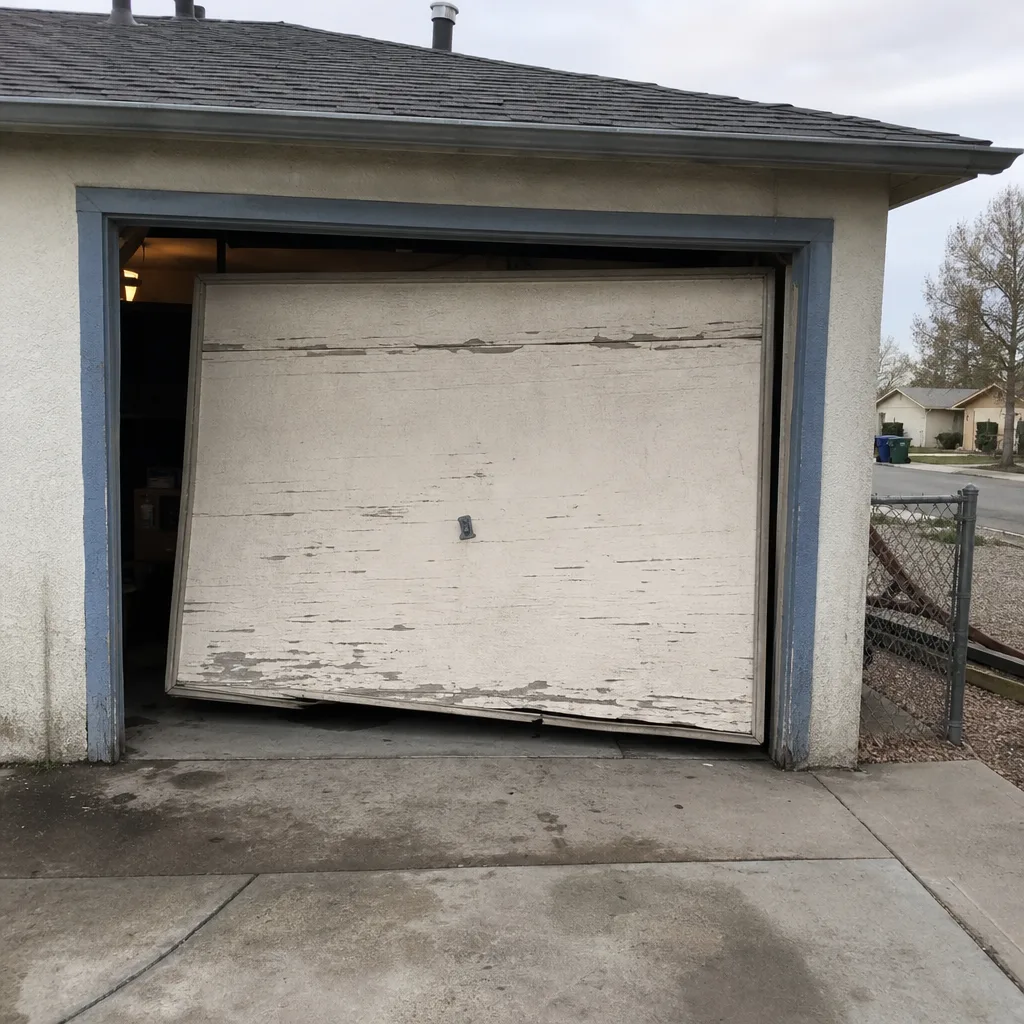 Before
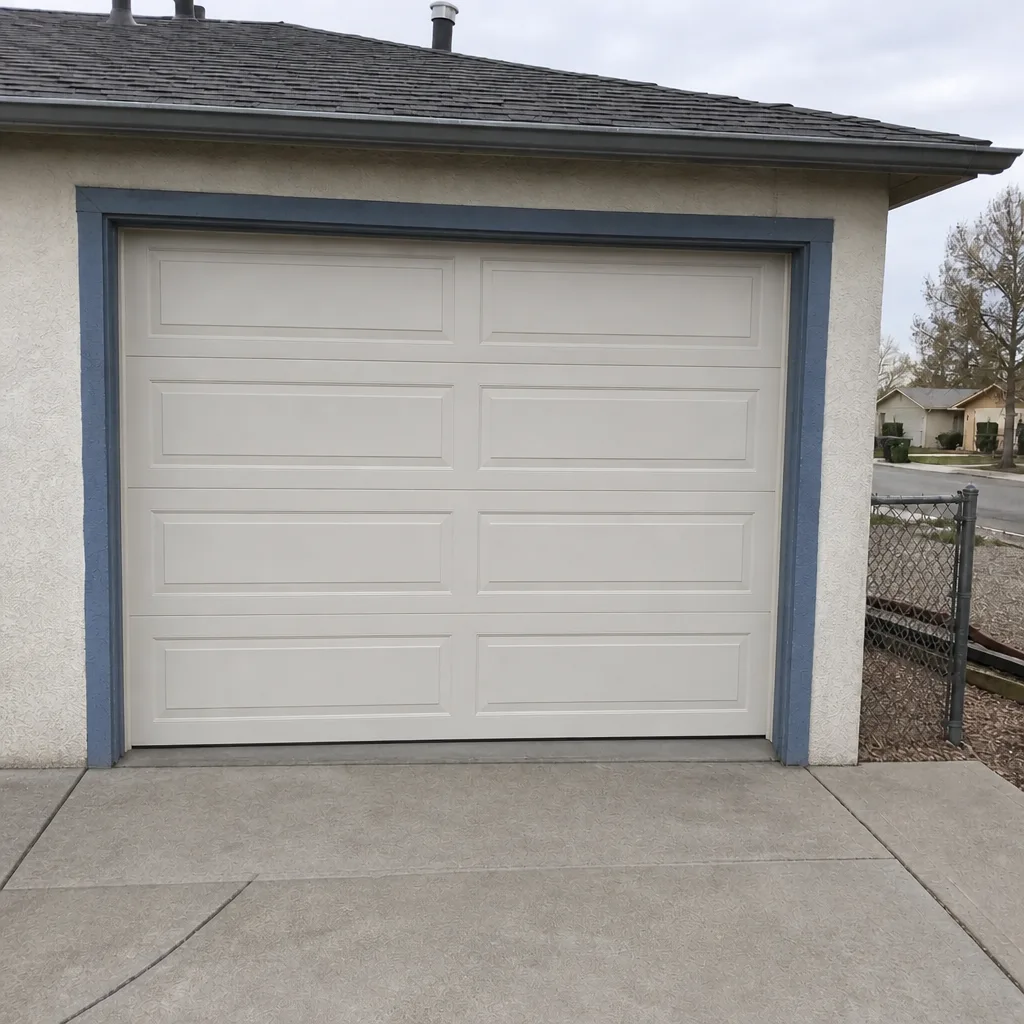 After
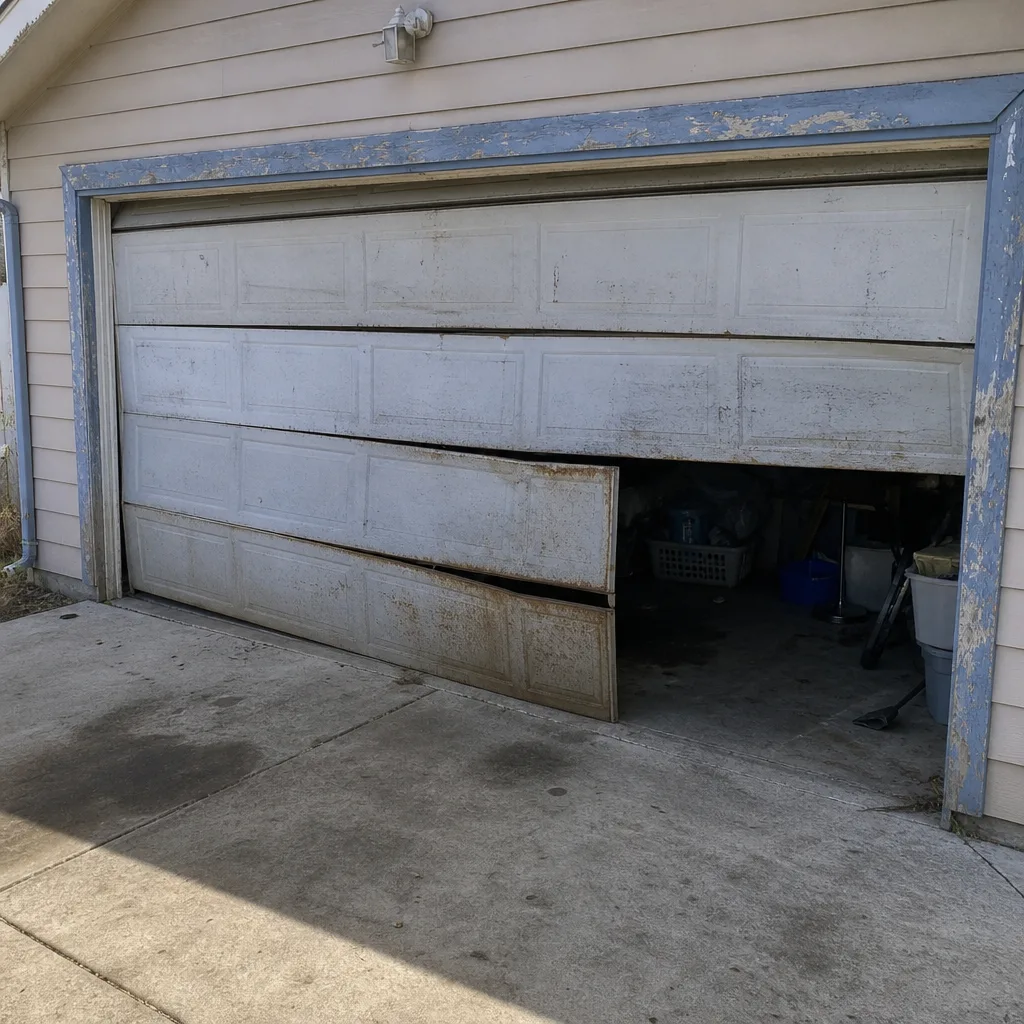 Before
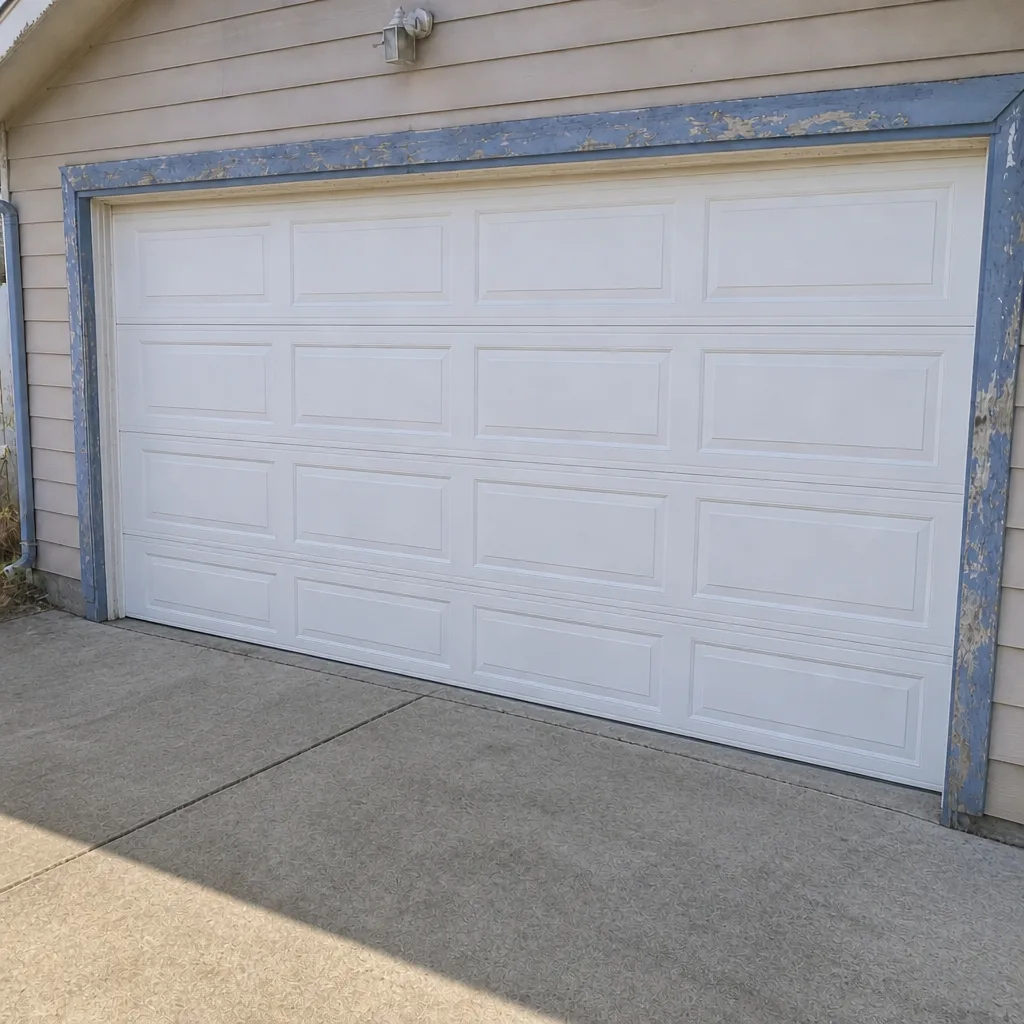 After
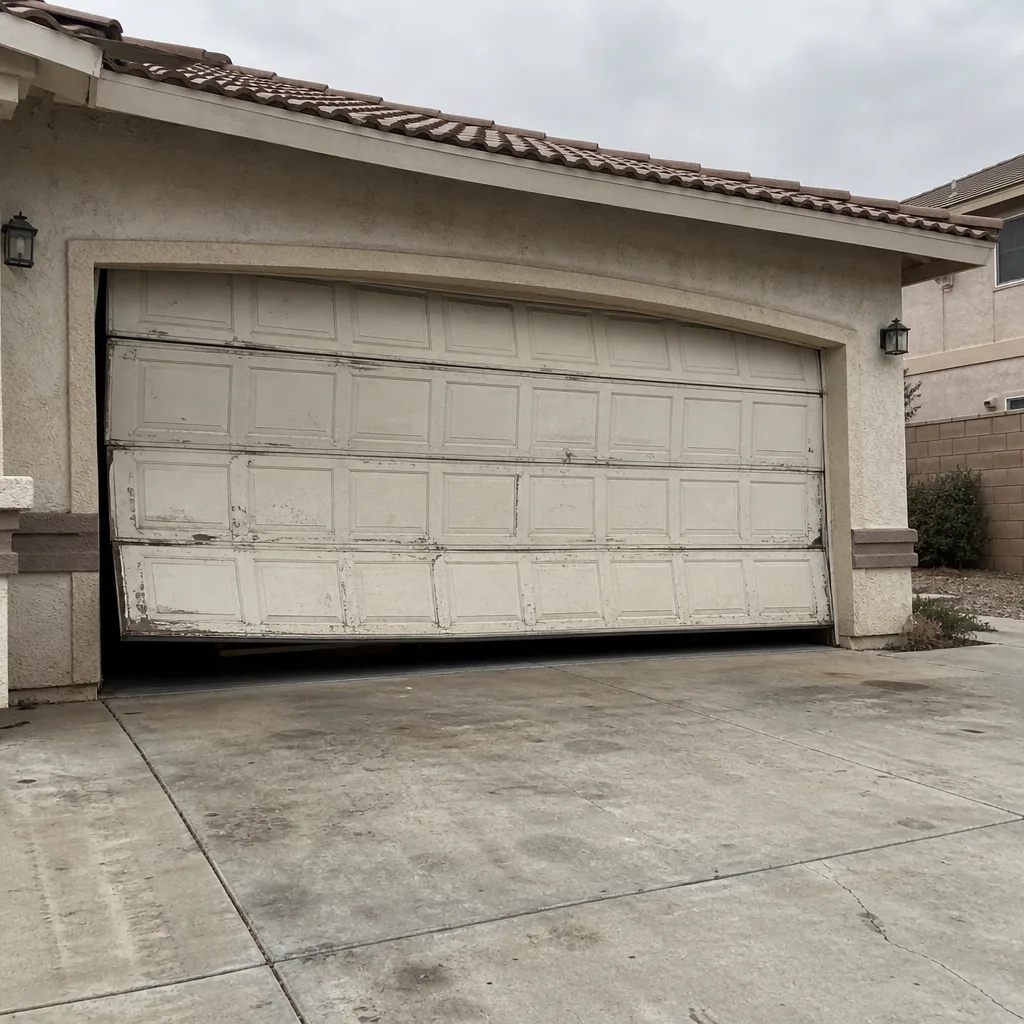 Before
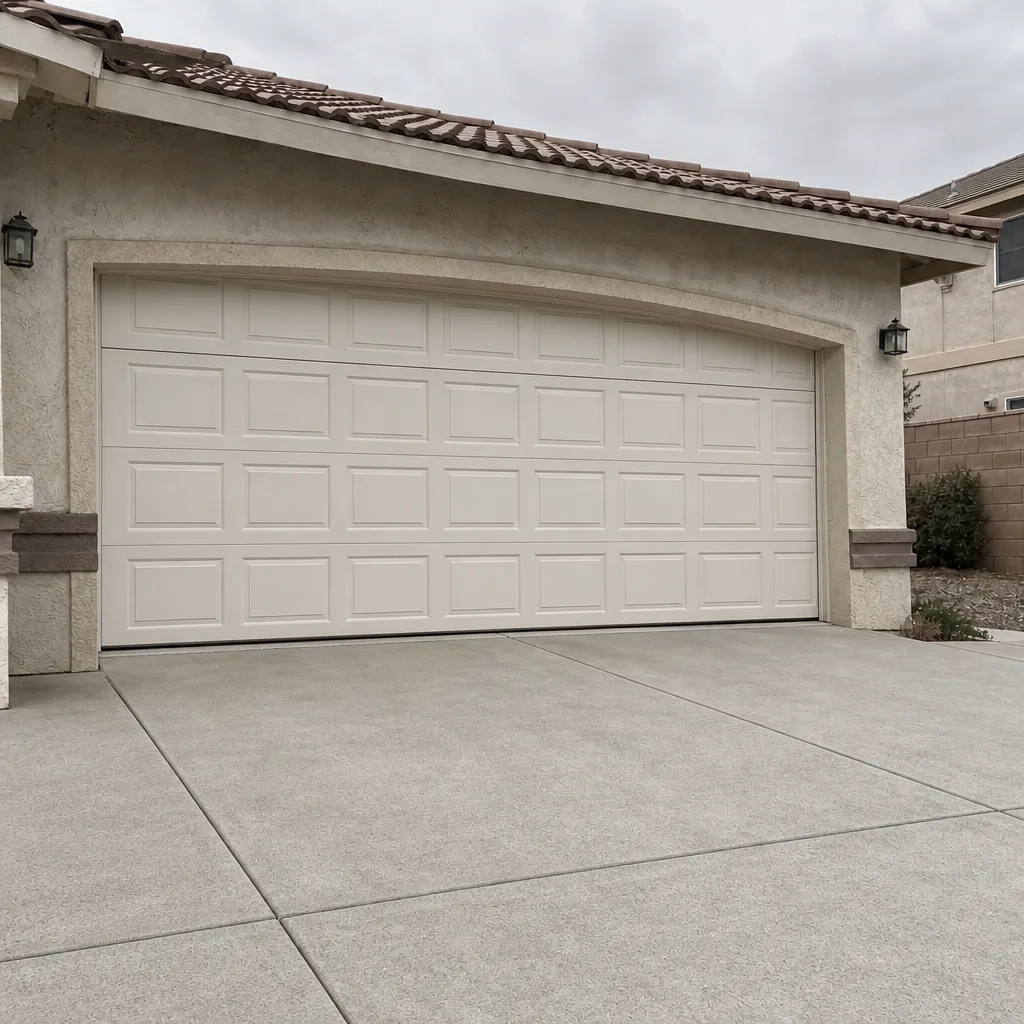 After
When to Call a Professional
Call a professional immediately if any of these are true: a spring or cable is broken, the door is hanging from a bent track, the door is off-level side to side, or the door won’t open without assistance. Those are safety issues, not maintenance. Call us if you have a door that’s more than fifteen years old and you’ve never had the springs replaced, because they’re near the end of their life and one will fail soon. Call if a home inspection flagged the door. Call if you’re not sure whether the symptom you’re seeing is safe to live with.
Mainspring Garage Door Co. Winchester offers a free second opinion on any written estimate and an $89 seasonal tune-up if you want a professional eye without committing to a repair. Every job is covered by the 90-Day Done Right Promise, in writing. Our phones answer with a live person, day or night. Call (888) 326-0817 for a free estimate.
Common Mistakes to Avoid
- Buying a spring from a hardware store. Torsion springs are matched to your door’s exact weight and winding. A generic spring of “similar size” is how doors come down.
- Running the door on a broken spring. It still moves, and the opener will struggle until the gear strips. An opener problem in Winchester is often a spring problem in disguise.
- Ignoring a bent track. A door that’s jumped the track can come down on a car, a pet, or you. Stop operating it.
- Skipping lubrication because it “looks fine.” In high-desert dust, lubrication is the single highest-return DIY job you can do.
- Replacing the opener to fix a balance problem. If the door is unbalanced, a new opener just gets ruined faster.
- Using a torsion spring that’s too heavy. A heavier-than-spec spring will overstress the door and the opener. Match the spring, not your mood.
- Doing electrical work on the opener. Wiring an opener into the household supply is electrical work and belongs with a licensed professional.
Frequently Asked Questions
No, and this is the one we’re firm on. Torsion springs carry enough stored energy to cause severe injury if released incorrectly, and they’re wound to a specific turn count matched to your door. The swap also needs two winding rods used in a strict sequence. This is categorically different from most DIY work; call (888) 326-0817 for a professional spring replacement.
Weatherstripping, lubrication, safety-sensor alignment, remote battery replacement, and light cosmetic cleaning are all safe DIY tasks. Anything involving springs, cables, brackets, or track repair is not. If you’re not sure which category your problem falls into, call us and we’ll tell you straight.
Minor repairs like sensor realignment or weatherstripping typically run $80 to $180. A torsion spring replacement usually runs $220 to $380, and a full cable replacement runs $180 to $300. We give you the flat price before any work starts, so there are no surprises on the bill. Call (888) 326-0817 for a free estimate on your door.
High-desert temperature swings and dust accelerate wear. Springs cycle more as the day warms and cools, and the grit wears seals and rollers faster than in a milder climate. Expect a shorter service life than manufacturer specs suggest. If your springs are showing rust or age, call for an inspection.
For repair and emergency calls, yes, we can usually reach you the same day. We answer the phone with a live person around the clock, and our technicians arrive with the parts already on the truck so most repairs finish in a single visit. Call (888) 326-0817 and we’ll give you a realistic window.
No. The flat price is quoted and agreed before any work begins. If the job turns out to be different than described, we come back to you with a new number and wait for your yes before we start. You never get a surprise invoice; call us for a free estimate.
Yes. Our technicians are licensed and insured, background-checked, and trained as journeymen, and they arrive in uniform on every job. We also stand behind the work ourselves with the 90-Day Done Right Promise: if it isn’t right, we come back at no charge. Call (888) 326-0817 for a free estimate.
The Bottom Line
DIY work on a garage door is safe when it stays near the treads and the springs. Lubrication, weatherstripping, and sensor alignment are jobs a homeowner can do with confidence. Torsion springs, cables, brackets, and track get handed to a trained technician because the stored force inside them is different in kind, not just in degree. Do your own diagnosis to make the call faster, know the Winchester-specific wear patterns that shorten seal and hinge life in the desert, and let a professional handle anything that puts your hands near tension. Whether you’re in a corner of Winchester or out toward the edge of town, our team can be there to look at it for free. Call (888) 326-0817 for a free estimate and a flat price that’s quoted before any work begins.
Written by the team at Mainspring Garage Door Co. Winchester.