
Last updated November 18, 2026
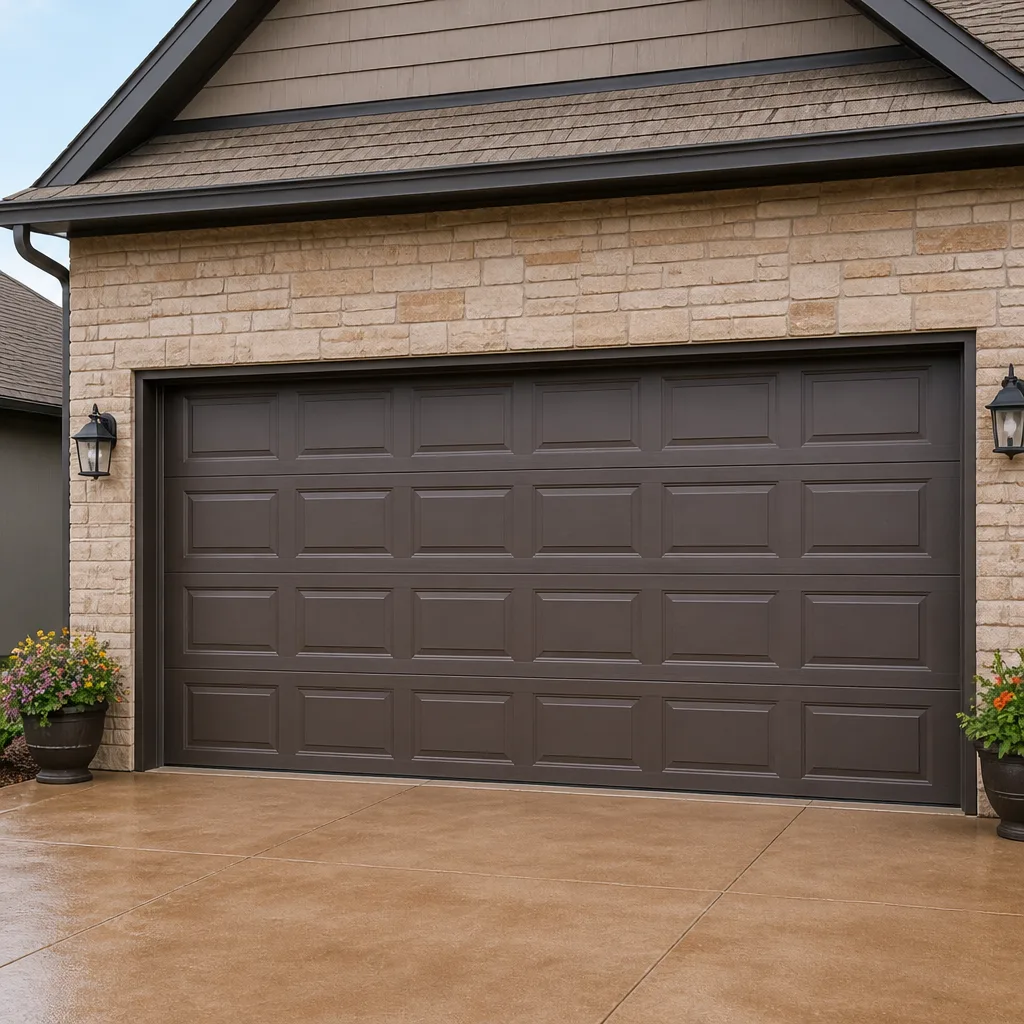 Raised-panel steel
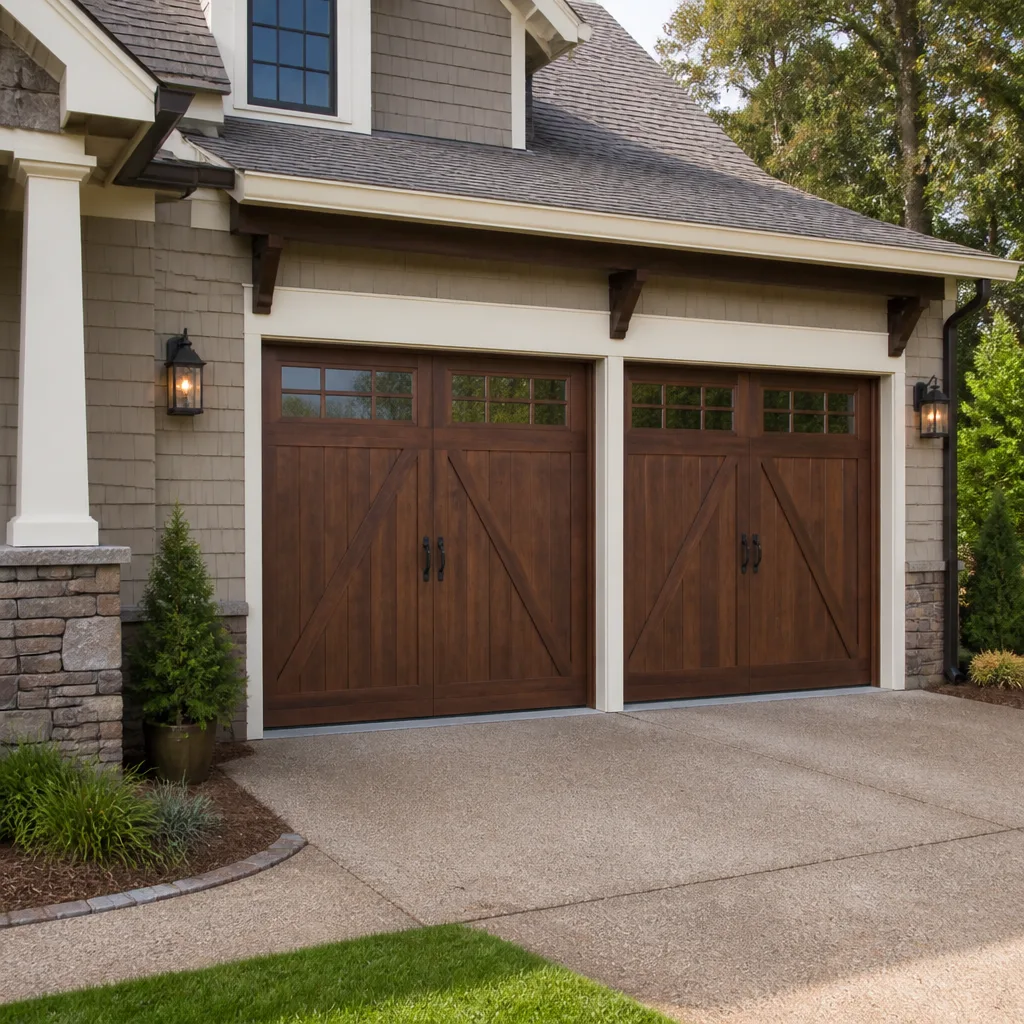 Carriage house
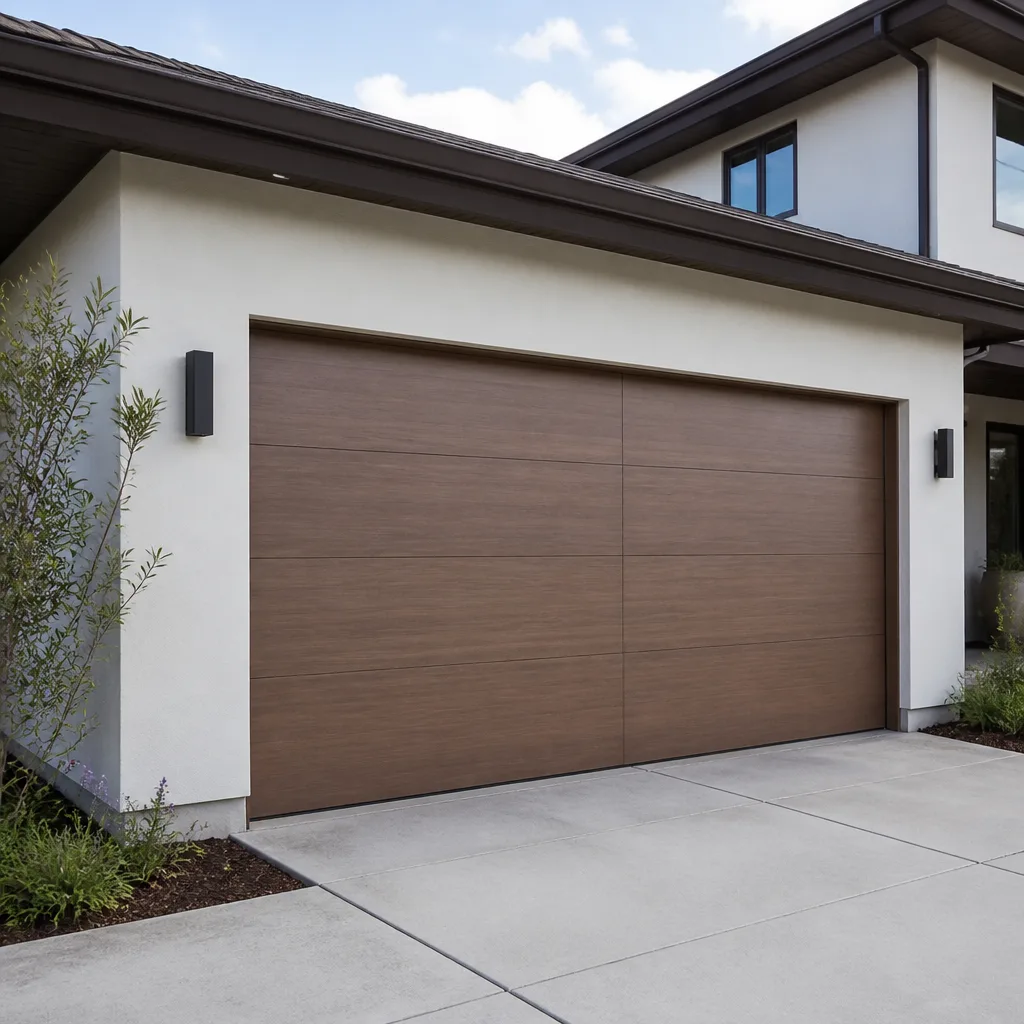 Modern flush
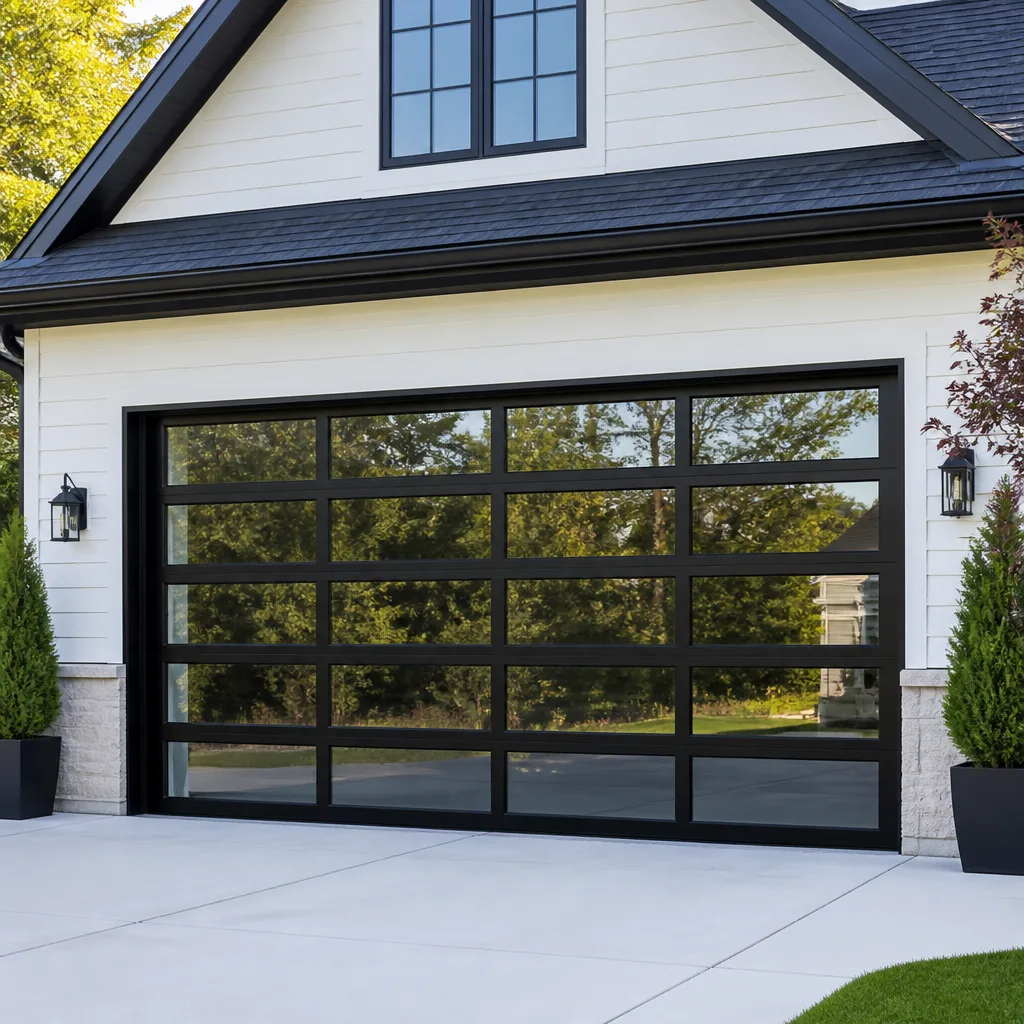 Full-view glass
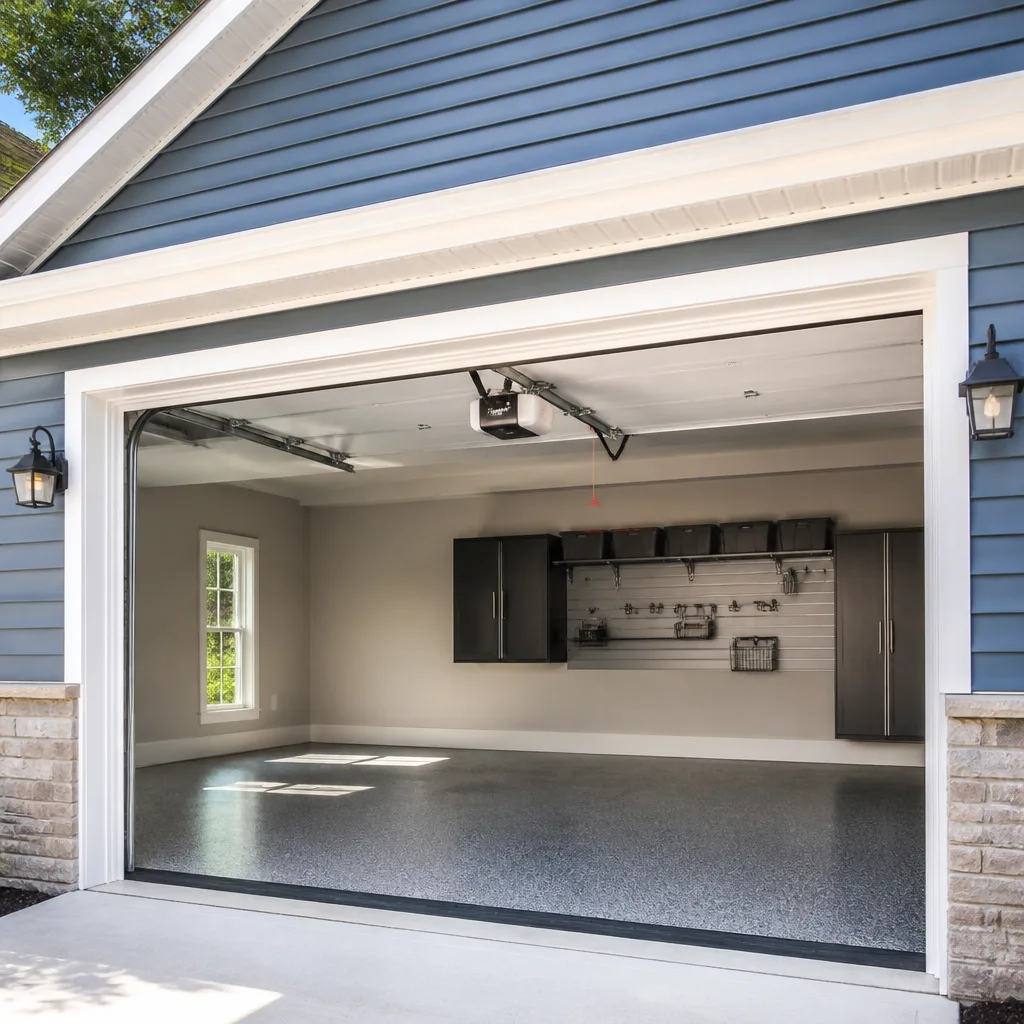 LiftMaster openers
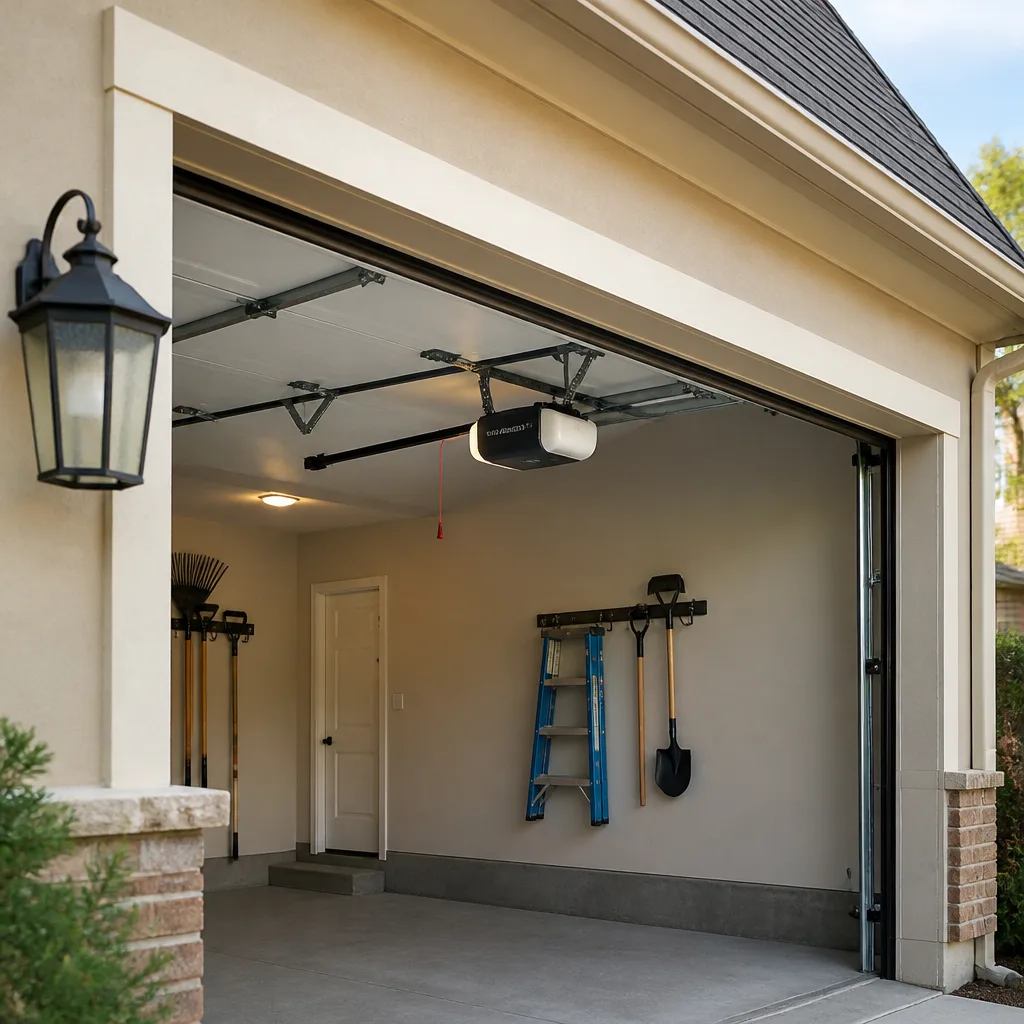 Chamberlain openers
Full 25-point door and opener safety check with every visit - springs, cables, rollers, tracks, and your LiftMaster or Chamberlain opener included
You get a price before we start. It does not change when the pro arrives.
Get your free estimateGarage Door Opener Troubleshooting: Common Problems and How to Fix Them
An opener that reverses the moment the door meets the floor is not broken. It is doing exactly what it was designed to do: the safety sensors have lost sight of each other, and the opener reads that as an obstruction. A soft cloth and a two-minute realignment often settle it, no service call needed. In our experience across Winchester, roughly nine out of ten opener problems trace to one of four root causes, and three of those are things a homeowner can safely check and fix in under twenty minutes. This guide sorts those from the jobs that belong to a trained technician, so you know what to touch and what to leave alone.
Quick Answer
Most garage door opener failures come down to safety sensor misalignment, a dead remote battery, a tripped logic board, or a power interruption, and the first, second, and fourth are usually homeowner fixes. Sensor alignment is the single most common cause and takes minutes to correct. If the door is binding, the springs are involved, or the opener hums without moving, stop and call a professional. In Winchester, garage door opener troubleshooting starts with the simple checks before anyone reaches for a wrench.
Styles & brands we work with
- Raised-panel steel
- Carriage house
- Modern flush
- Full-view glass
- LiftMaster openers
- Chamberlain openers
Table of Contents
- Start Here: The Opener Troubleshooting Decision Tree
- Safety Sensors: Reading the LED Codes and Realigning Them
- Remote, Wall Button, and App Failures Are Three Different Problems
- The Dead Opener: Logic Board Reset and Power Checks
- When the Opener Hums but the Door Won’t Move
- The Hard Line: Springs and Cables Are Never a DIY Job
- Winchester Conditions That Affect Your Opener
- When to Stop Troubleshooting and Call
Start Here: The Opener Troubleshooting Decision Tree
Before you do anything, match the symptom to the cause. This keeps you from guessing and, just as importantly, from poking around inside the opener housing where the capacitor holds a charge even after the power is off. Work through the list in order.
- The door closes, then reverses and reopens. Nine times out of ten this is the safety sensors. See the sensor section below.
- The wall button works but the remote does not. The remote is the problem, not the opener. Check the battery and re-pair it.
- Nothing responds at all. Confirm there is power at the outlet, then try a logic board reset. This solves a good share of “dead opener” calls without any part replaced.
- The opener hums or clicks but the door stays put. Something mechanical is binding or a gear has stripped. Stop troubleshooting and call a technician.
- The door moves but the opener runs on past the limit. The travel limits need adjusting. This is a job for someone who knows the unit.
- The door is heavy, uneven, or springs are visibly broken. Do not run the opener. Call a professional before using the door at all.
If you get through steps one through three and the opener still misbehaves, the answer is usually an electrical or mechanical fault that needs eyes on it. That is where our Garage Door Opener service in Winchester comes in. Our technicians have up to 10 years of experience with every major brand, and we quote the flat price before any work starts.
Safety Sensors: Reading the LED Codes and Realigning Them
Two small sensors sit about six inches off the floor on either side of the door, one sending an infrared beam and one receiving it. When the beam breaks or the two lose alignment, the opener reverses for safety. The lenses collect dust, cobwebs, and, in Winchester’s dry spring, a fine grit that dims the beam without fully blocking it. That is why the door works some days and not others.
Most sensor units carry a small LED that tells you what is happening. On LiftMaster and Chamberlain units, the sending eye shows a steady amber or green light and the receiving eye shows a steady green when both are aligned and working. A flashing or off light on the receiving side means it is not seeing the beam. On Genie units, the codes run differently: a solid green on both is good, and a blinking red on the receiving sensor points to a misalignment or obstruction.
To realign them yourself:
- Turn the opener power off at the wall switch, not the breaker, if you have one.
- Wipe both lenses with a dry cloth. Check for spider webs between them.
- Loosen the wing nut or bracket on one sensor and nudge it until the LED goes steady.
- Press the wall button. If the door still reverses, check that neither sensor has been knocked out of line by a trash can or a broom handle leaning against it.
Plain steps, and they handle most reversing-door calls on their own. When they don’t, the sensor itself may have failed, and that is a straightforward part to replace.
Remote, Wall Button, and App Failures Are Three Different Problems
Most guides lump these together. They shouldn’t. If the wall button opens the door but the remote doesn’t, the opener is fine. The fault is in the remote, its battery, or its pairing. If the remote works but the wall button doesn’t, the wiring to the wall station is suspect. And if the phone app fails while everything else works, the problem is your Wi-Fi or the app, not the door.
- Remote only: Replace the battery first, since a weak coin cell is the most common culprit. If that doesn’t do it, re-pair the remote to the opener following the unit’s learn button procedure.
- Wall button only: Check the low-voltage wire running from the wall station to the opener. A staple driven through the wire during a remodel is a classic failure, and it can take years to surface.
- App only: Reconnect the opener to your home network. A router swap or a password change will cut the link, and it will not come back on its own.
We see this distinction matter most in Winchester homes along the older streets where a wall-station wire has been painted over or nicked. Testing which control works narrows the field fast. Wallace brands like Craftsman and Wayne Dalton units each pair a little differently, so a quick look at the manual saves time.
The Dead Opener: Logic Board Reset and Power Checks
A completely unresponsive opener is alarming, but it is often simpler than it looks. Before assuming the motor or board is gone, confirm the outlet has power. Plug a lamp into the same outlet the opener uses. In a garage, that outlet shares a circuit with the lights and often a freezer, and a tripped GFCI upstream will kill the opener while everything else in the house stays on.
If the outlet is live, try a logic board reset. This clears a scrambled board and restores normal operation on a good share of “dead opener” calls before any part is replaced.
- Unplug the opener from the ceiling outlet, or switch off its dedicated breaker.
- Wait a full two minutes. This lets the board fully discharge.
- Restore power and watch for the light or a click from the unit.
- Press the wall button once and let the opener cycle fully.
If the opener comes back to life, you’re done. If it stays dark, the board or the transformer has failed, and that is a technician’s call. We keep common boards for LiftMaster and Genie units on the truck, so a failed board in Winchester is usually a one-visit fix. To set up a look, reach out through our Garage Door Repair in Winchester page.
When the Opener Hums but the Door Won’t Move
A hum or a click with no movement means the motor is getting power but the drive isn’t turning the door. This is a mechanical fault, and it falls on the professional side of the line. The usual causes:
- A stripped drive gear. Common on older units, and the plastic gear wears smooth over time. You may hear a grinding hum, then nothing.
- A broken torsion spring. The opener cannot lift a door whose spring has failed, and forcing it can burn out the motor. If the door is dead weight, stop.
- A disengaged trolley. Someone pulled the red emergency release cord, and the door is now in manual mode. Flip the trolley back onto the rail and it may work again.
- A binding track or a bent roller. The door catches on the way up and the opener stalls against it.
Check the red release cord first, since that is the one homeowner fix in this group. If the door is heavy to lift by hand with the release pulled, the problem is the door’s balance, not the opener, and a technician needs to look at the springs. We handle these calls across Winchester regularly, and a stripped gear is a same-visit repair when we have the part on the truck.
The Hard Line: Springs and Cables Are Never a DIY Job
We want to be plain about this. Torsion springs and the cables that run beside the door are under extreme tension, and they are the one part of this system no homeowner should touch, no matter how many videos promise it’s easy. A torsion spring carries the entire weight of the door, which is more than a person can safely control by hand. If one lets go while you are working on it, the result can be serious injury.
The same goes for the cables. They are wound tight against the spring tension, and a cable that slips free can whip with enough force to break bone. We have seen the aftermath in Winchester more than once, and it is not something we would wish on anyone.
What you should do instead: leave the door closed, do not run the opener, and call. A broken spring or cable is a repair a trained technician makes safely with the right tools and a controlled release. When a Winchester customer sees a two-inch gap in a spring coil or a cable hanging slack, that is the moment to stop. A free estimate costs you nothing, and it beats a hospital visit.
Winchester Conditions That Affect Your Opener
Garage door openers in Winchester face conditions that shorten their working life in ways a general guide won’t mention. The desert swing between a hot afternoon and a cold night works on plastic gears and rubber seals, and the fine dust that blows through in spring finds its way into the opener housing and the track. We see a predictable pattern: openers that fail after a few seasons of dry heat and grit, sensors that need cleaning more often than a homeowner expects, and remotes that drain batteries faster in temperature extremes.
The practical upshot is that a seasonal check pays for itself here. A wipe down of the sensor lenses, a look at the hardware, and a fresh battery in the remotes go a long way. Our $89 Seasonal Tune-Up covers exactly this, and if you’d rather handle the opener part yourself, our Mainspring Garage Door Co. Winchester home page lays out what we offer. When a unit is beyond repair, we also walk you through Garage Door Installation in Winchester so you know what a new LiftMaster or Chamberlain unit involves before you commit.
When to Stop Troubleshooting and Call
You’ve done the safe checks. The sensors are clean, the remote has a fresh battery, you’ve tried the reset, and the door still misbehaves. At that point the fault is either electrical or mechanical, and it needs eyes on it. Call when the opener hums but doesn’t move, when a spring is visibly broken or a cable is slack, when the door is heavy to lift by hand, or when the board stays dark after a reset.
Our technicians arrive with springs, cables, and common openers already on the truck, so most jobs are finished in a single visit. We state the flat price before any work starts, and if something isn’t right afterward, our 90-Day Done Right Promise brings us back at no charge, in writing. Calls are answered by a live person, day or night. If you’re in Winchester, a free estimate is one phone call away.
Common Mistakes to Avoid
- Forcing a door with a broken spring. Running the opener against a dead spring will burn out the motor and add cost to the repair. If the door is heavy, stop and call.
- Assuming the opener is dead when the outlet isn’t. A tripped GFCI or a shared circuit kills the opener while the rest of the house stays lit. Check the outlet with a lamp first.
- Blasting the sensors with a hose. Water and dust make a paste that dims the lens. Wipe with a dry cloth instead.
- Buying a new opener before diagnosing. A stripped gear or a disengaged trolley can look like a dead unit. Diagnose before you spend.
- Re-pairing a remote without testing the wall button. If the wall button also fails, the remote was never the problem and you’ve lost time.
- Ignoring a slow reversal. A door that reverses intermittently in dry weather is telling you the sensors need attention, not that the opener is failing.
- Touching the springs or cables. This is the mistake that hurts people. Leave those two to a technician, always.
See the difference
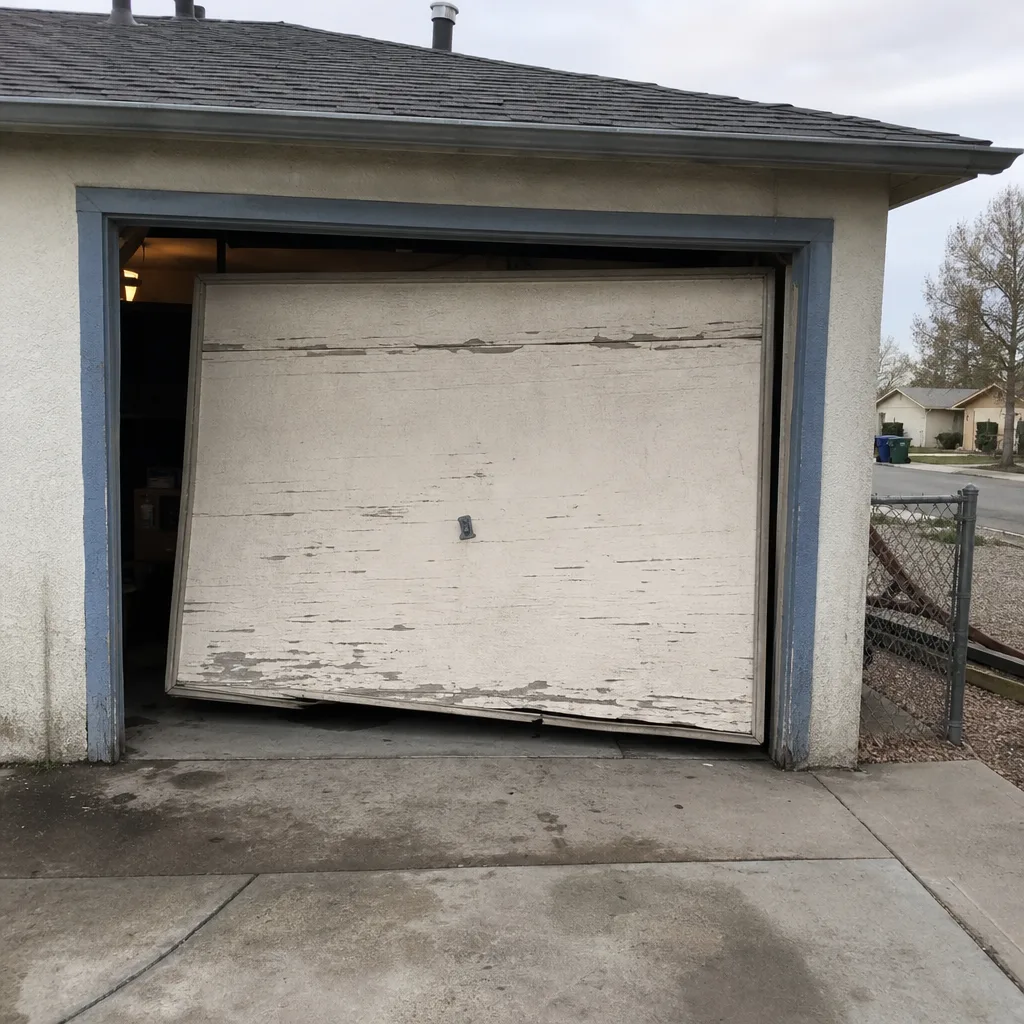 Before
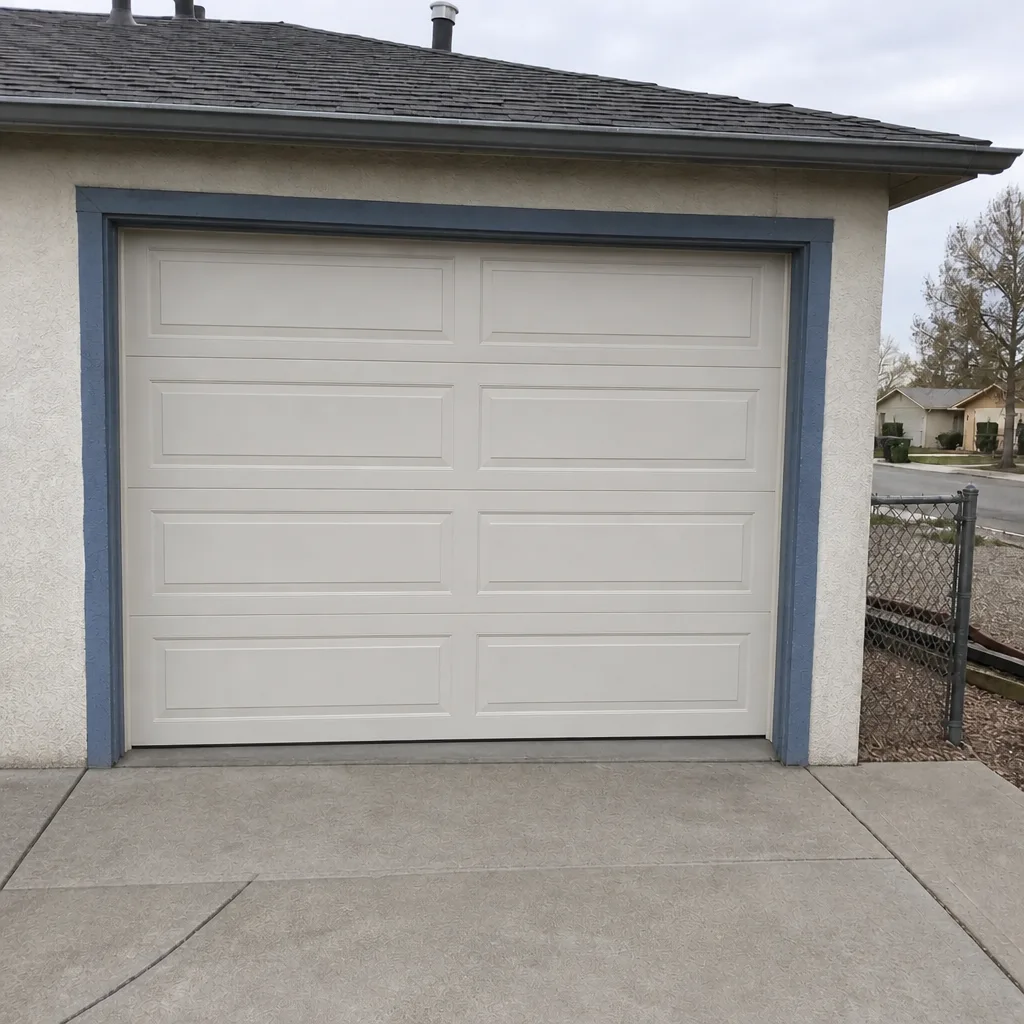 After
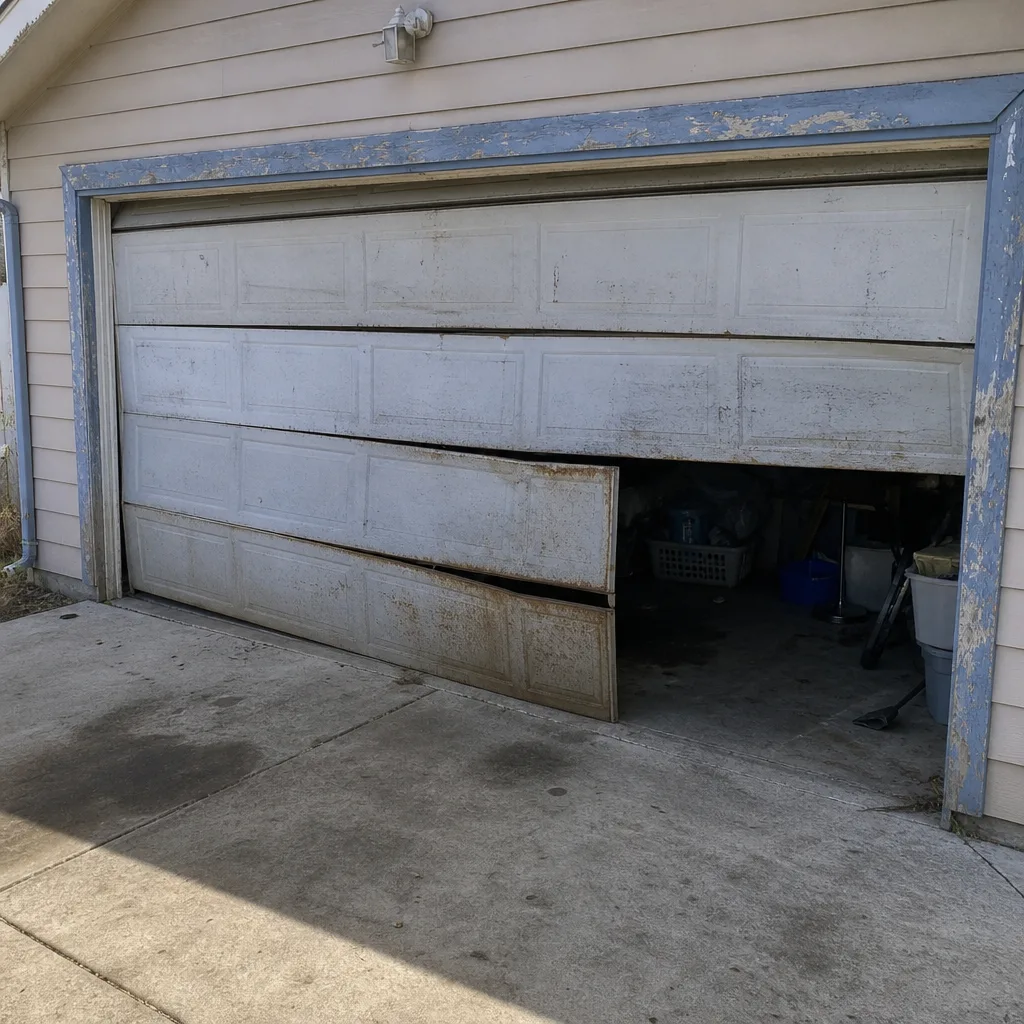 Before
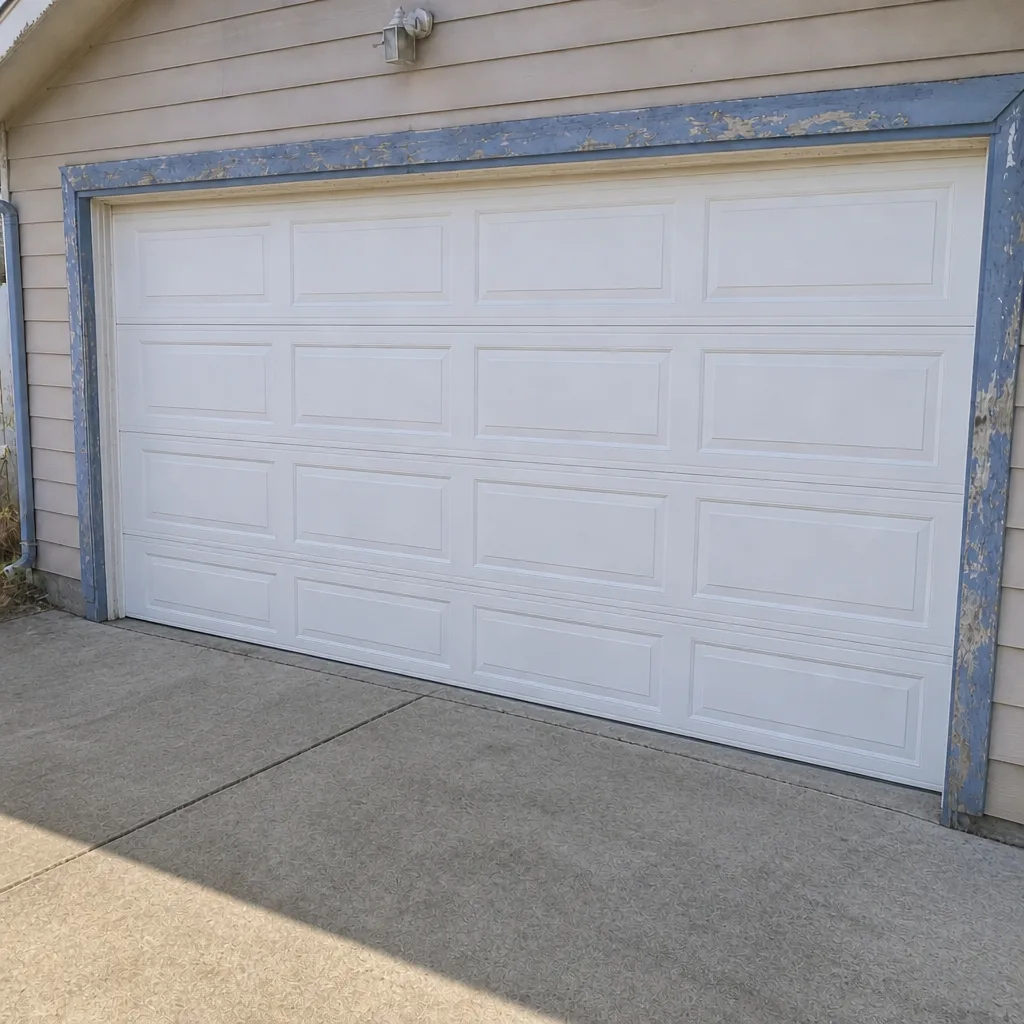 After
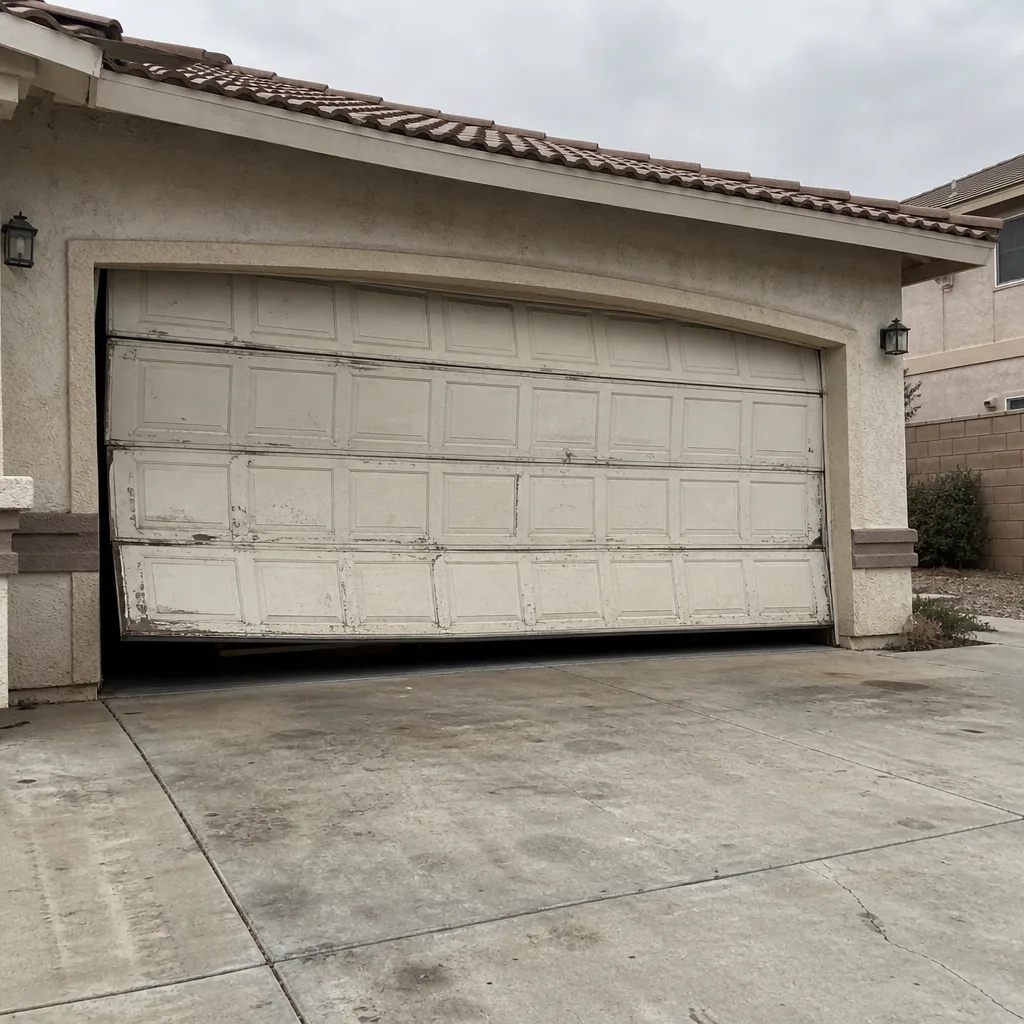 Before
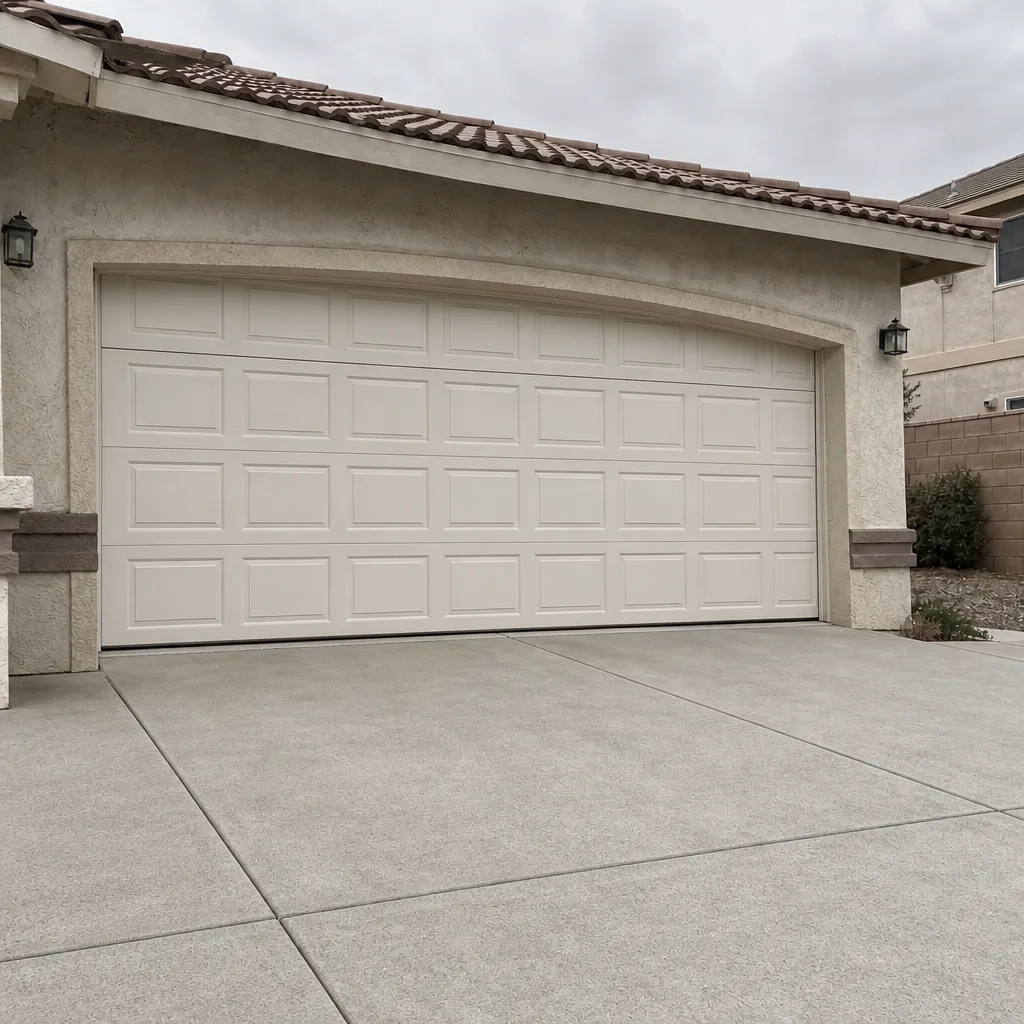 After
When to Call a Professional
Call us when the door is heavy, when a spring or cable is broken or slack, when the opener hums without moving, when the board stays dead after a reset, or when the door runs past its limits without stopping. Those are mechanical and electrical faults that no amount of troubleshooting from the outside will fix, and forcing them wears out parts or risks injury. Our technicians are background-checked, trained as journeymen, and familiar with every major brand from Clopay doors to Amarr and Wayne Dalton units. Mainspring Garage Door Co. Winchester offers free estimates in Winchester. Call (888) 326-0817 and we’ll tell you straight what the door needs.
Frequently Asked Questions
Your safety sensors are misaligned, dirty, or blocked, and the opener reverses as a safety measure. Wipe both lenses, check for a trash can or broom between them, and nudge the sensors until their LEDs go steady. If that doesn’t fix it, the sensor may have failed. Call (888) 326-0817 for a free estimate on a replacement.
Yes, a logic board reset is a safe homeowner check. Unplug the unit or switch off its breaker, wait two full minutes, restore power, and press the wall button once. This clears many unresponsive openers with no part replaced. If the unit stays dark, call us at (888) 326-0817.
The remote is the fault, not the opener. Replace the battery first, then re-pair it to the opener using the learn button. If a fresh battery and a re-pair don’t solve it, the remote itself has failed and is cheap to replace.
No. Torsion springs carry the full weight of the door under extreme tension, and a spring that releases while you’re working on it can cause serious injury. Leave spring and cable work to a trained technician. In Winchester, call (888) 326-0817 and we’ll handle it safely with a free estimate.
The motor is getting power but the drive isn’t turning the door. Check the red release cord first, since someone may have pulled the door into manual mode. If the door is heavy to lift by hand or you see a broken spring, stop and call us at (888) 326-0817.
Yes. We’re factory-familiar with LiftMaster, Chamberlain, Genie, Craftsman, and the other major brands, and our technicians have up to 10 years of experience. Most jobs finish in one visit because the common parts are already on the truck. Call (888) 326-0817 for a free estimate.
The Bottom Line
Most opener problems are one of four root causes, and three of them, sensor alignment, remote batteries, and a board reset, are safe to fix yourself in minutes. The fourth, anything mechanical or electrical inside the unit, needs a trained eye. Draw the hard line at springs and cables: that work is never a homeowner job, and a broken spring is the one symptom you should never test by running the door. When Winchester homeowners reach the end of the safe checks, a free estimate and a straight answer are one call away. No surprises on the bill, and we stand behind the work in writing.
Written by the team at Mainspring Garage Door Co. Winchester.
Need a hand with your opener? Call Mainspring Garage Door Co. Winchester at (888) 326-0817 for a free estimate. We’ll walk you through what’s safe to check, tell you plainly what the door needs, and finish most jobs in a single visit.