
Last updated November 18, 2026
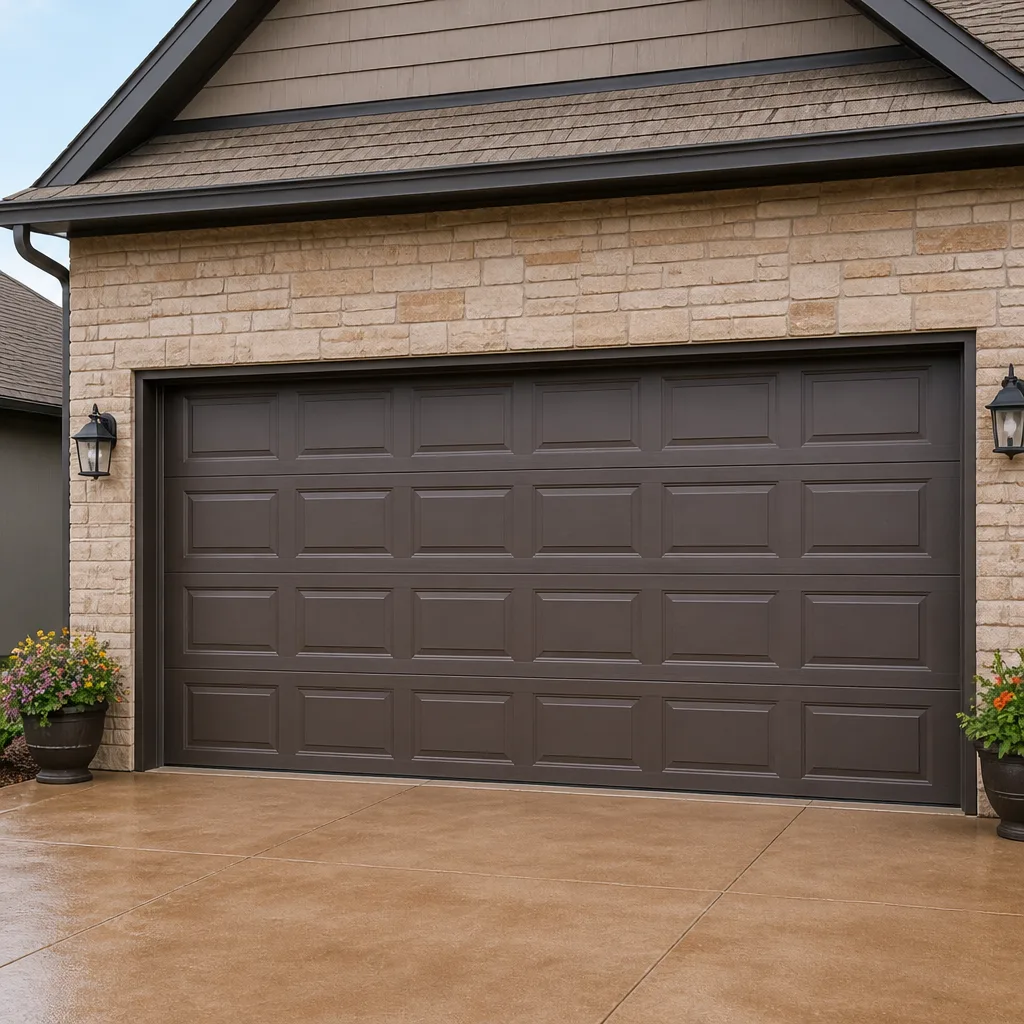 Raised-panel steel
 Carriage house
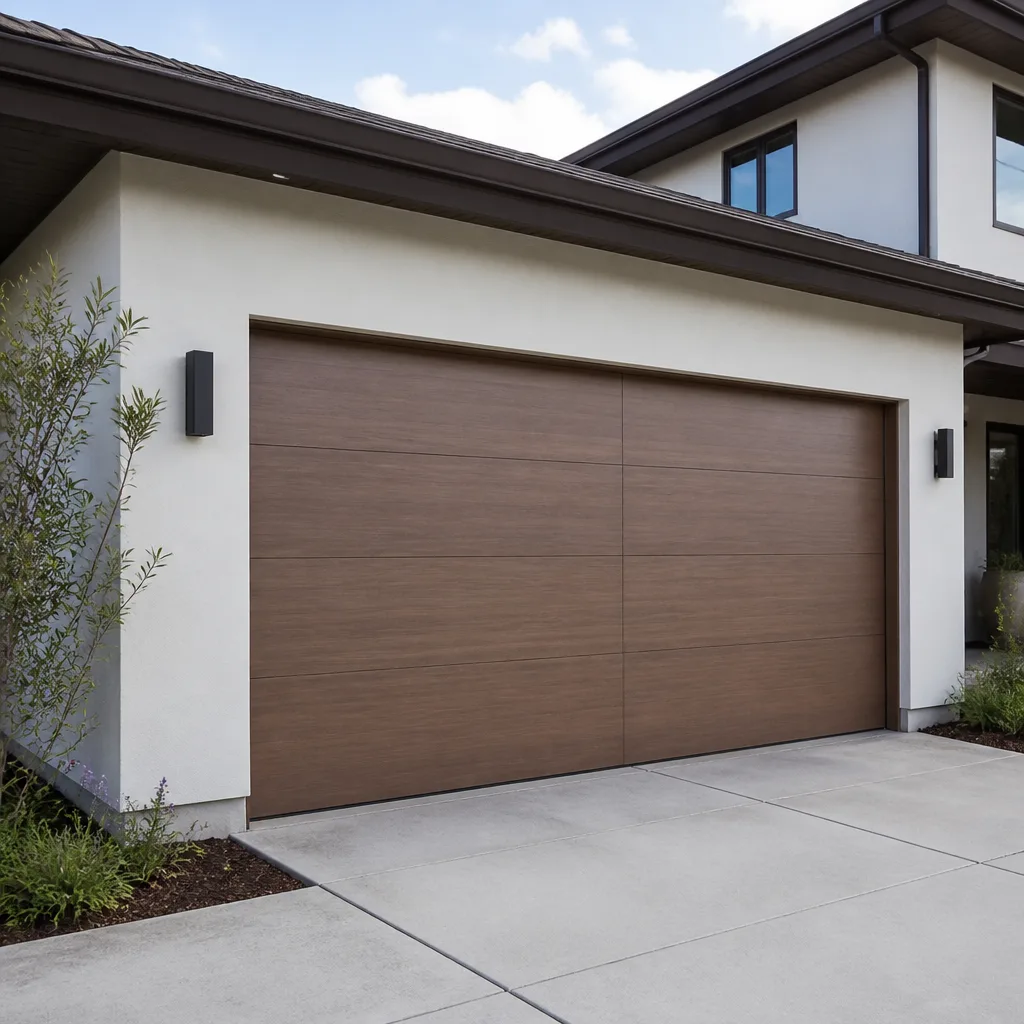 Modern flush
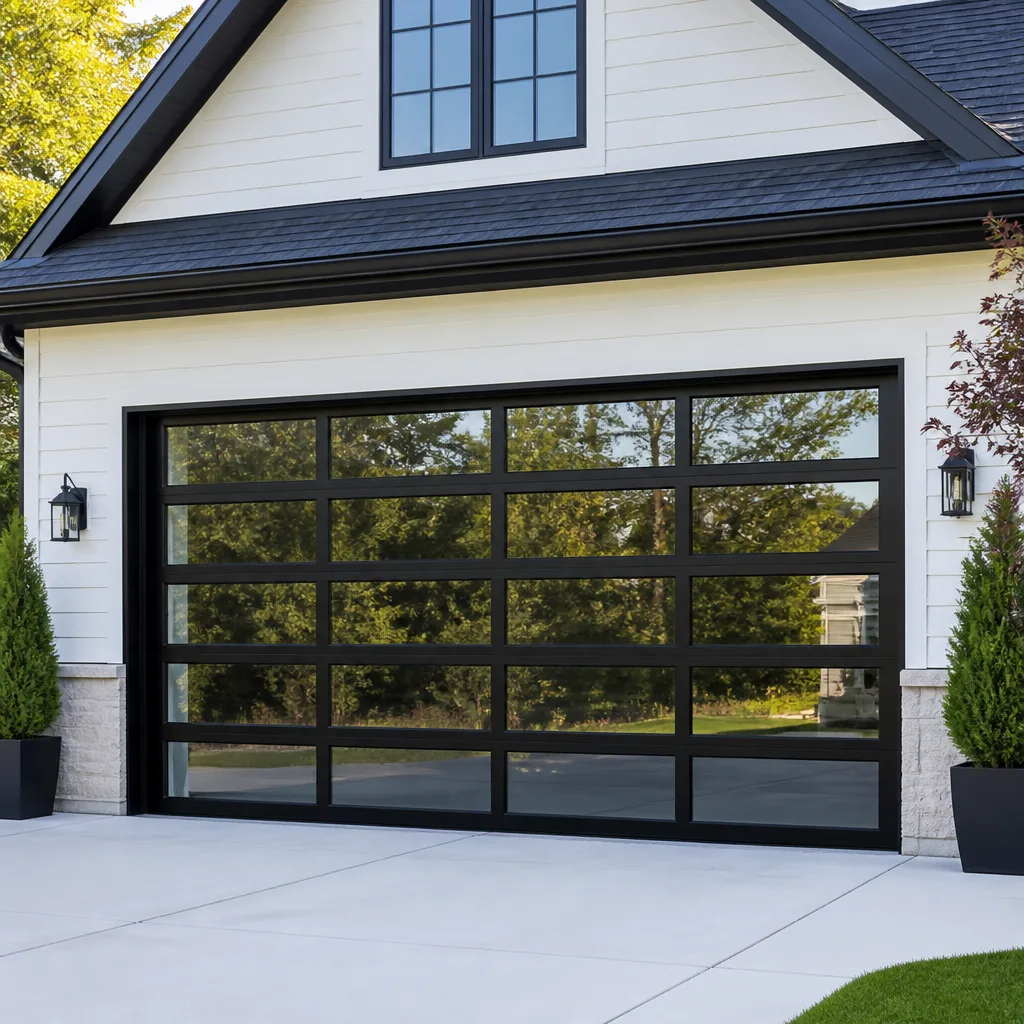 Full-view glass
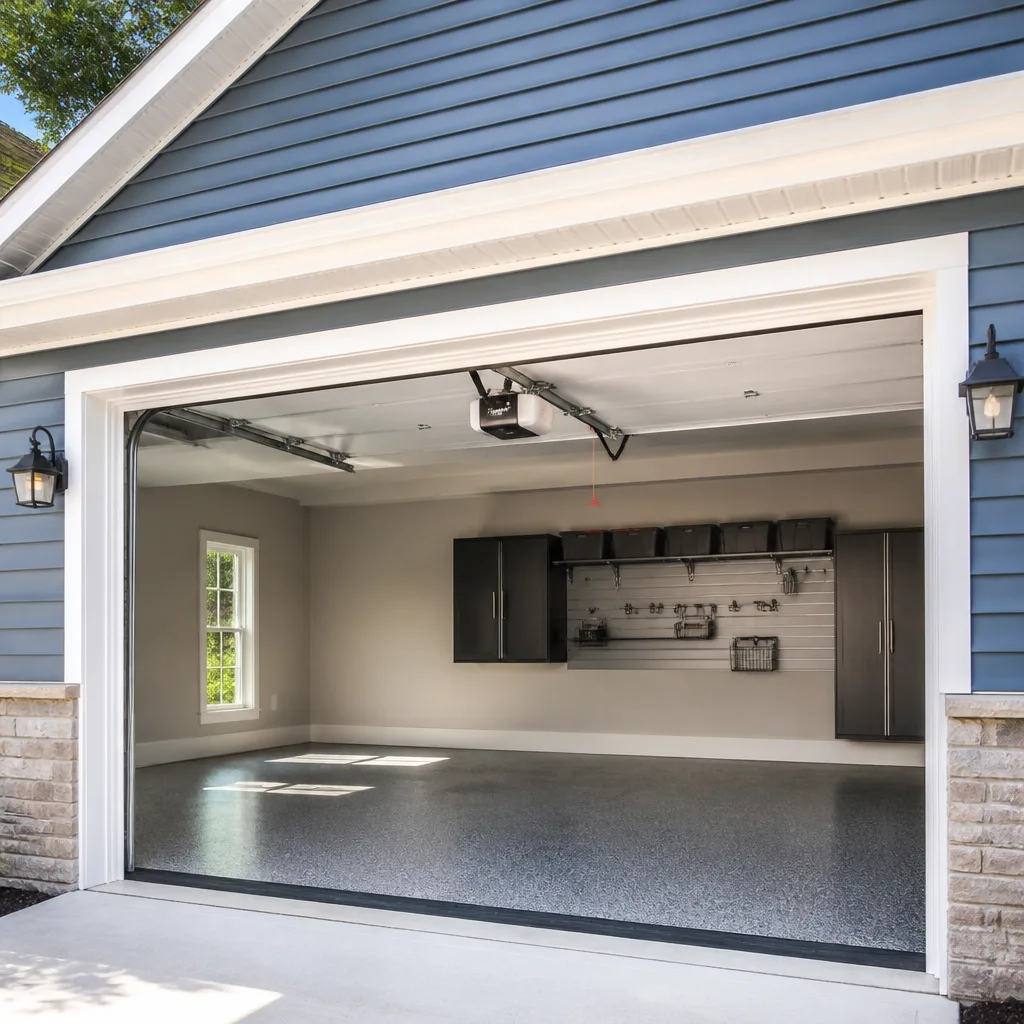 LiftMaster openers
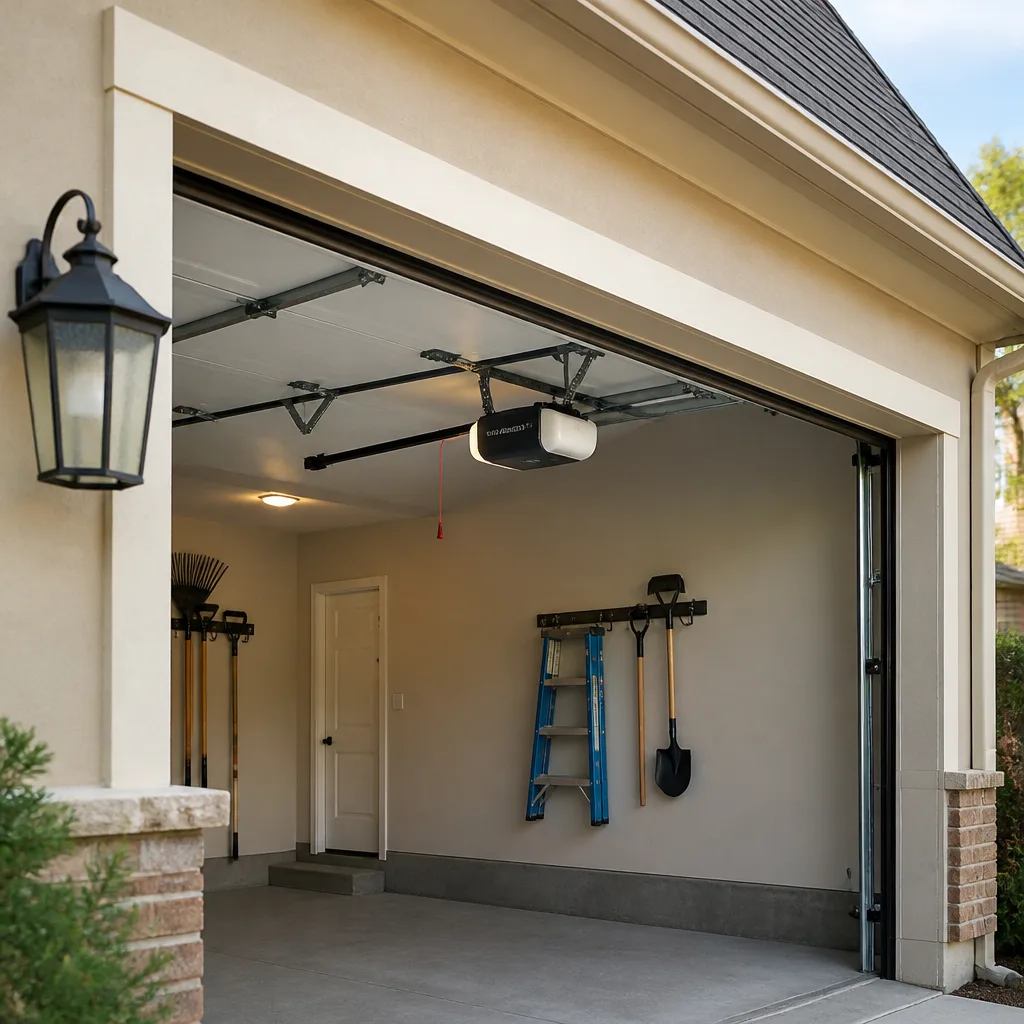 Chamberlain openers
Full 25-point door and opener safety check with every visit - springs, cables, rollers, tracks, and your LiftMaster or Chamberlain opener included
You get a price before we start. It does not change when the pro arrives.
Get your free estimateGarage Door Repair Maintenance Schedule: What to Do and When
Lubricating garage door tracks is one of the most repeated pieces of advice online, and one of the most damaging things you can do to a door’s long-term performance. Grease on a track turns into a magnet for grit, and grit wears rollers flat. The advice that follows is built around how parts actually wear, not around a tidy list someone copied from a hardware store flyer. You’ll learn the real three-tier schedule, why cycle count beats calendar time for springs, and which seasonal tasks matter in Winchester’s high-desert swings between summer heat and winter cold.
Quick Answer
A garage door needs three levels of attention: a 30-day visual check you do yourself in two minutes, a 6-month mechanical check with proper roller lubrication and hardware tightening, and a professional inspection once a year. Springs are the exception. Replace them based on cycle count (roughly 10,000 open-close cycles), not on how long they’ve been hanging.
Styles & brands we work with
- Raised-panel steel
- Carriage house
- Modern flush
- Full-view glass
- LiftMaster openers
- Chamberlain openers
Table of Contents
- Why You Should Never Lubricate the Tracks
- The 30-Day Visual Check
- The 6-Month Mechanical Check
- The Annual Professional Inspection
- Cycle Count: The Right Metric for Spring Replacement
- High-Desert Seasonal Adjustments for Winchester
- Maintenance That Can Void Your Manufacturer Warranty
- Common Mistakes to Avoid
Why You Should Never Lubricate the Tracks
Garage door tracks are meant to stay dry. They’re a guide, not a bearing surface. The rollers are the parts that need lubrication, and they need it at the point where the metal meets metal inside the roller housing, not on the track itself. When you spray lubricant down the channel of a vertical or horizontal track, you create a sticky film that collects dust, pollen, and the fine desert grit that blows through Winchester on a windy spring afternoon. That grit grinds against the roller’s steel shaft every time the door moves.
The cost of getting this wrong shows up over a year or two. Rollers that started as smooth nylon or steel become flat-spotted and noisy, and the door starts to shudder on its way up. Replacing a full set of rollers is a routine job, but it’s money you didn’t need to spend. Worse, the grit-laden film gradually works its way into the hinges, and hinge wear is what causes panel separation over time.
What should you lubricate? Use a silicone-based or white lithium spray on:
- The roller bearings (a short burst on each roller shaft, not on the track)
- Hinge pivot points (one drop at each knuckle)
- The torsion spring coils (a light coat only, every six months)
- The opener’s chain or screw drive, using the lubricant the manufacturer specifies
Wipe the tracks clean with a dry cloth instead. No spray, no grease, no silicone.
The 30-Day Visual Check
This is the two-minute walkaround. You’re not fixing anything. You’re looking for changes. A door that was quiet last month and is rattling now is telling you something.
- Look at the springs. On a torsion system, check the spring above the door for a visible gap. A gap means it’s broken. On extension springs (the older type that runs along the sides), check for stretched or dangling springs.
- Listen from the driveway. Stand outside and listen to the door go up and down. Any new grinding, popping, or scraping is worth noting.
- Check the safety reverse. Lay a two-by-four flat on the ground under the door and close it. It should reverse. If it doesn’t, stop using the door and call for service.
- Check the photo-eye alignment. The two small lights at the bottom of the tracks should both be on and pointed at each other. If one flickers, clean the lens.
- Look at the cables. Both cables should sit neatly on their drums. A cable that’s jumped the drum or looks frayed is a safety issue. Stop using the door.
After 30 years in a house, most Winchester homeowners know what their door sounds like on a normal day. The visual check just confirms nothing has changed. If something has, note what and call. We answer the phone around the clock for a reason.
The 6-Month Mechanical Check
Twice a year, do a little more. Every six months, take twenty minutes and work through the mechanical items that need attention but don’t need a technician. Spring and fall are the natural bookends in Winchester because the temperature swings make both metal expansion and contraction visible.
- Lubricate the rollers, hinges, and spring coils. Silicone spray on the roller shafts and hinge pivots. Light coat on the torsion spring. Wipe the tracks clean with a dry rag.
- Tighten the hinge and bracket bolts. Use a socket wrench. Vibration from daily use loosens these over months. Snug, not torqued.
- Balance the door. Disconnect the opener (pull the release cord) and lift the door halfway. It should stay put. If it drops, the springs are losing tension. If it rises on its own, they’re over-tensioned. Either way, that’s a call to a professional. Adjusting torsion springs is dangerous work.
- Check the weather seal at the bottom. A cracked or hard seal lets in dust and cold air. Replacing the bottom seal is a straightforward job on most doors.
- Test the opener’s force setting. Open and close the door. It should move smoothly without straining. If the opener sounds labored, the springs likely need attention, not the opener.
The 6-month check is also when to schedule the Garage Door Repair in Winchester call if anything on the list crossed from “worn” into “broken.”
The Annual Professional Inspection
Once a year, bring in a technician. This isn’t marketing. It’s the inspection that catches the things a homeowner physically cannot check safely: cable wear at the drum, torsion spring tension measurements, bearing plate condition, and panel stress at the hinge points. Some of these parts, when they fail, do so with enough force to cause serious injury.
An annual inspection in Winchester should cover:
- Torsion or extension spring tension measurement and remaining cycle estimate
- Cable condition at both ends and at the drums
- Roller wear assessment
- Hinge, bracket, and fastener torque check
- Panel alignment and gap inspection
- Opener force, travel, and safety reverse calibration
- Track plumb and level check
We offer a $89 Seasonal Tune-Up that covers this inspection, the lubrication, and the calibration. Most years, that’s the only door-related money you’ll spend.
Cycle Count: The Right Metric for Spring Replacement
Calendar time is the wrong way to think about springs. A torsion spring on a door that opens twice a day gets 730 cycles a year. The same spring on a busy household door that opens eight times a day gets nearly 3,000. After five years, one spring is barely broken in and the other is a third of the way through its service life. Yet both were installed on the same day.
Standard torsion springs are rated for roughly 10,000 cycles. High-cycle springs are available at 15,000, 20,000, or higher, and cost a modest amount more at installation. Here’s how to estimate your own cycle count:
- Count every time the door goes up and down once. That’s one cycle.
- Estimate daily cycles by thinking through a typical day (morning departure, return, school pickup, evening errands, etc.).
- Multiply by 365. That’s your annual cycle count.
- Divide 10,000 by your annual count. That’s your spring replacement window in years.
A household that pulls in and out four times a day (roughly 1,460 cycles per year) will typically see spring failure in six to seven years. A household that runs the door six times a day sees it closer to four to five years. If you’ve been in the house since the 1990s, the springs on your door have almost certainly been replaced at least once, possibly twice. Knowing the cycle count is what turns “when should I replace the springs?” into a real date on the calendar rather than a guess.
High-Desert Seasonal Adjustments for Winchester
Generic maintenance guides assume a temperate climate. Winchester’s swings between dry 105°F summers and freezing winter mornings put a specific stress on garage doors that mild-climate checklists miss.
Before summer (late April or May):
- Check the bottom weather seal for sun-cracking. High-desert UV is brutal on rubber, and a cracked seal lets in dust that grinds rollers.
- Inspect the paint or finish on the door panels. Metal that’s begun to oxidize under the desert sun will pit. A quick repaint on a steel door is cheaper than a panel replacement.
- Test the opener’s motor for strain in advance of the hottest weeks. Opener motors that struggle at 100°F are usually on their way out.
Before winter (October or November):
- Re-check the bottom seal for stiffness. Cold makes rubber brittle, and a seal that was fine in July can crack in January.
- Balance the door again. Springs lose tension as temperatures drop, and a door that was balanced in summer may not stay up halfway in December.
- Test the photo-eye alignment. Cold sometimes shifts brackets slightly, and the safety reverse is a critical winter check.
- Lubricate hinges one more time. Cold stiffens grease, and a well-lubricated hinge moves easier in the cold.
For the opener side of the schedule, the Garage Door Opener in Winchester page covers brand-specific maintenance (Genie, Chamberlain, LiftMaster) and what to check when the opener acts up.
Maintenance That Can Void Your Manufacturer Warranty
Most garage door manufacturers (Clopay, Amarr, Wayne Dalton, and others) specify that certain work must be done by a trained professional to keep the warranty in force. The list is short but critical:
- Torsion spring replacement and tension adjustment. No manufacturer warrants springs that have been adjusted by an unlicensed party. If homeowners or handymen reset tension without proper tools, the springs are considered tampered with.
- Track repositioning. Track adjustment requires specific alignment. A track that’s knocked out of plumb and reset by a homeowner without gauges can void the warranty on the panels.
- Cable replacement. Cables under tension can cause serious injury if released incorrectly. Most manufacturers require professional installation to keep the warranty active on the panel hardware.
- Structural modifications to the door. Cutting, drilling, or adding aftermarket struts to a warranty door without manufacturer approval will typically void the warranty.
Doing routine lubrication and bottom seal replacement yourself is fine on almost any warranty. Anything involving springs, cables, or track alignment should be left to a trained technician. That’s not just about the warranty, either. It’s about safety. A torsion spring under load carries the full weight of the door, and the wrong tool at the wrong angle can seriously injure you. This is the one item on the schedule that we would never suggest DIY.
Common Mistakes to Avoid
- Lubricating the tracks. As covered above, this is the biggest single mistake. Tracks should be wiped dry, not greased.
- Replacing springs based on how the door looks. A spring can look perfectly intact and still be at the end of its cycle life. Broken springs are common because they fail with no visible warning. Track cycles, not appearance.
- Ignoring a shuddering door. A shudder is usually a worn roller or a slightly bent track. Winchester’s fine desert grit accelerates both. Left alone, a shuddering door can loosen hinges and stress panels within a few months.
- Using WD-40 on hinges or rollers. WD-40 is a solvent, not a lubricant, and it leaves a film that attracts dust. Use a silicone or white lithium product instead.
- Skipping the balance check after a move. If you’ve recently moved into an older home in Winchester, the spring tension was probably set for someone else’s preferences. A balance check should be the first thing done.
- Adjusting torque spring tension yourself. This is genuinely dangerous. A torsion spring can carry 200+ pounds of tension and fail explosively. Use a technician every time.
- Waiting until the door won’t close to schedule the annual inspection. The annual inspection is cheap. Emergency calls are not, and they usually happen at the worst moment.
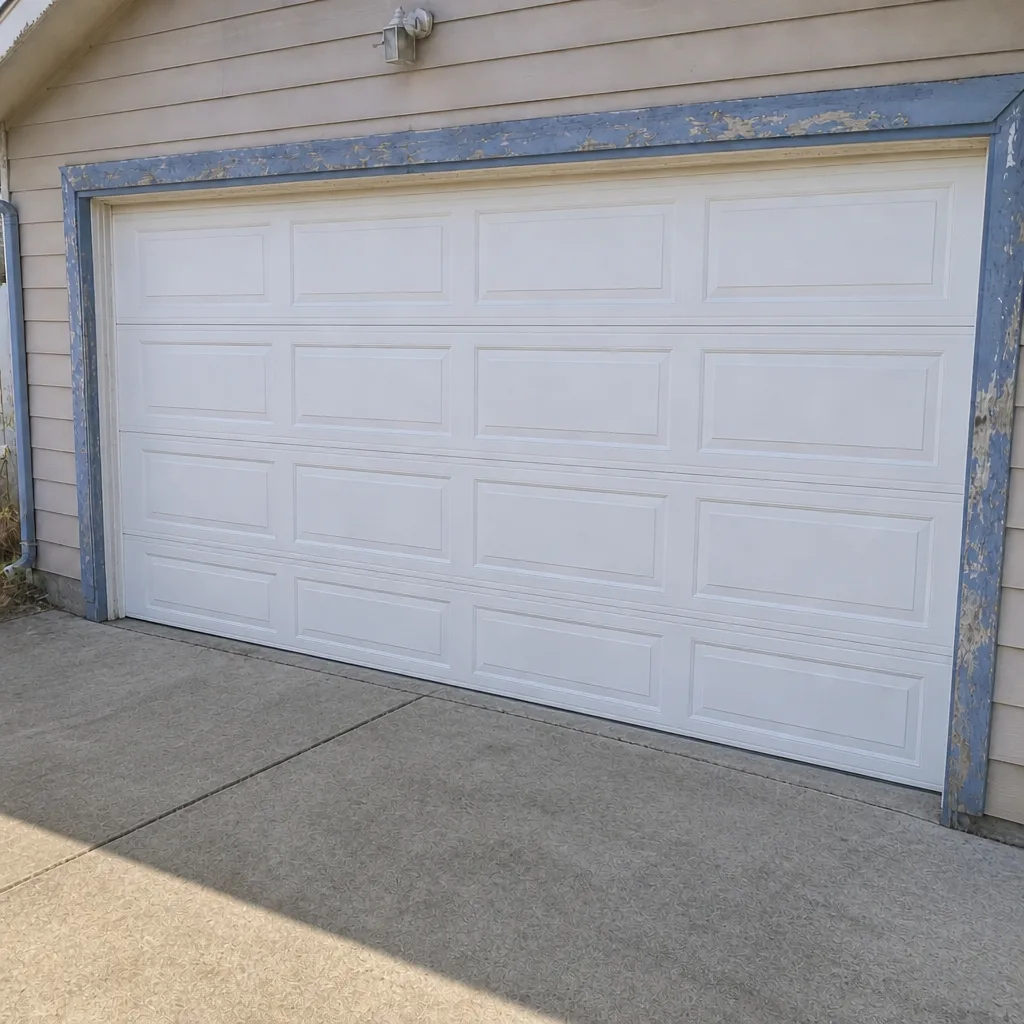
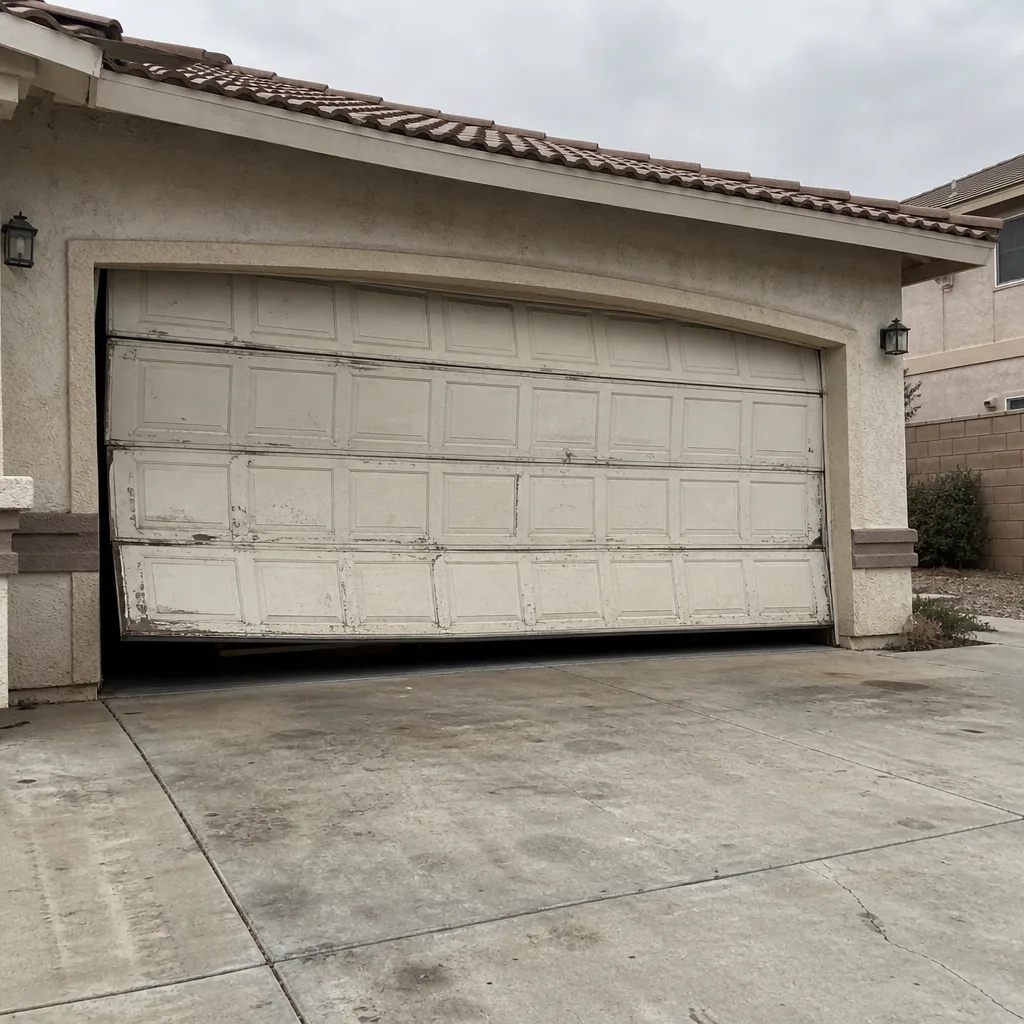
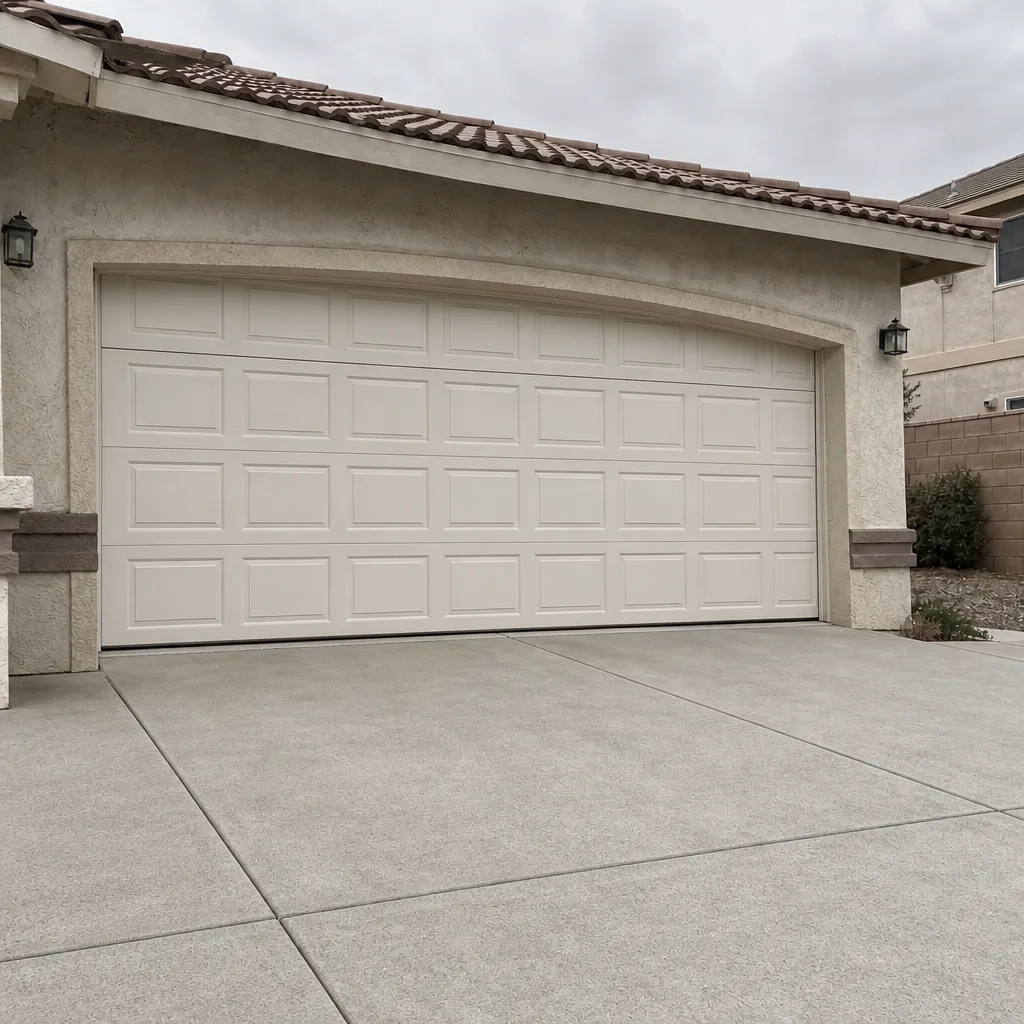
See the difference
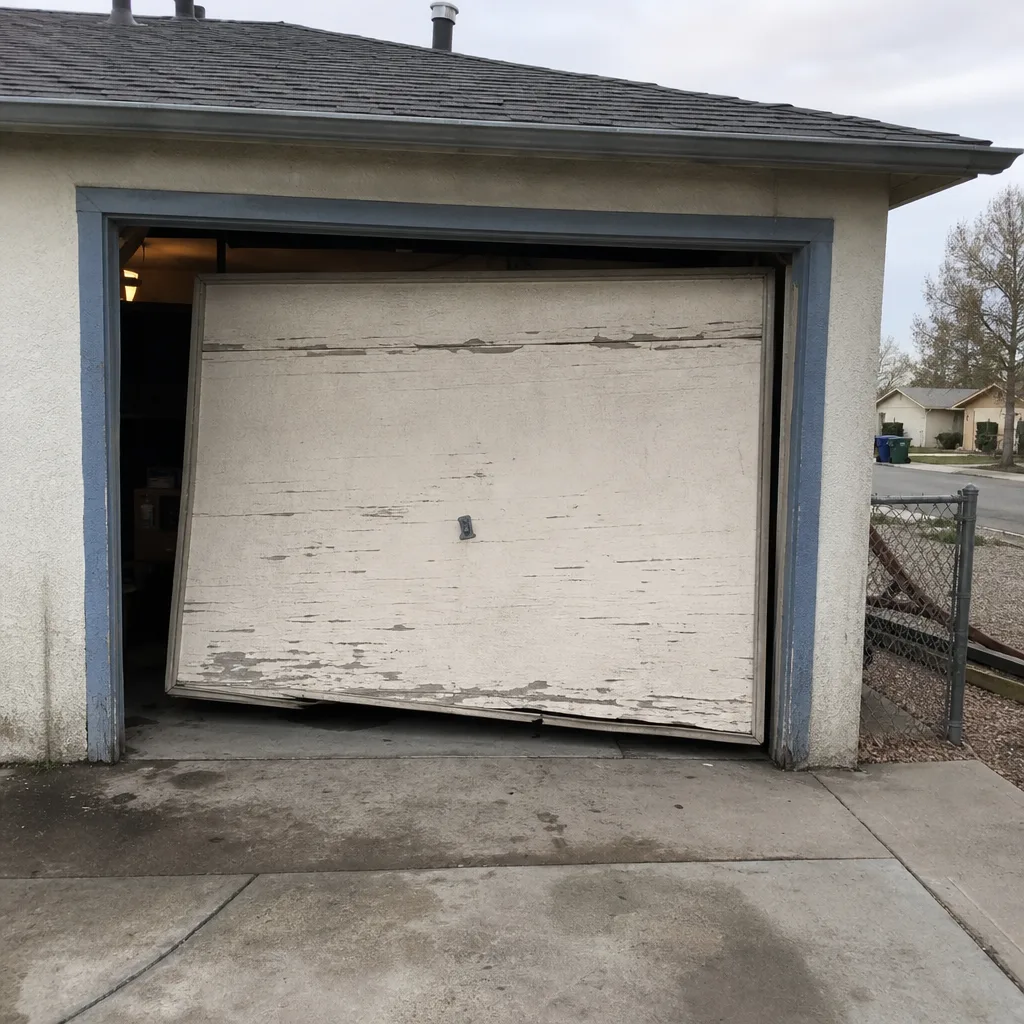 Before
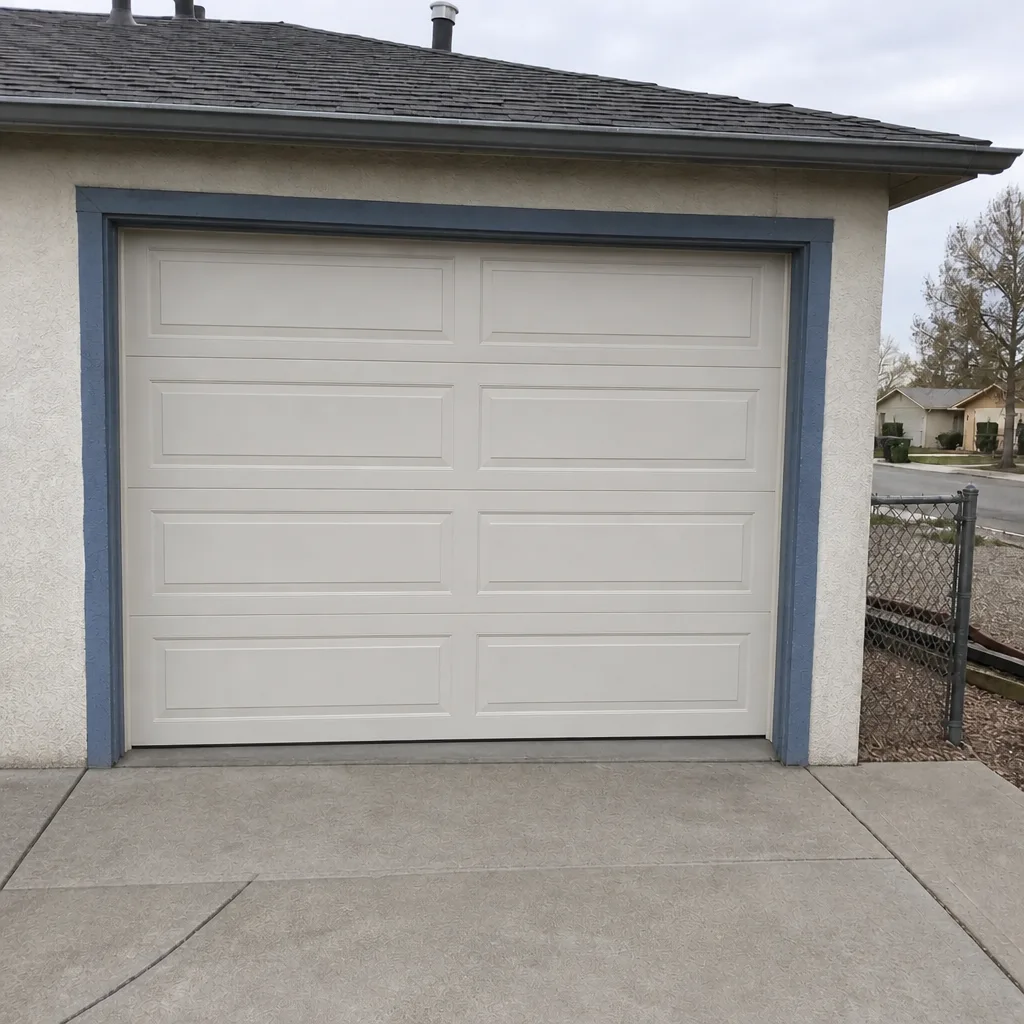 After
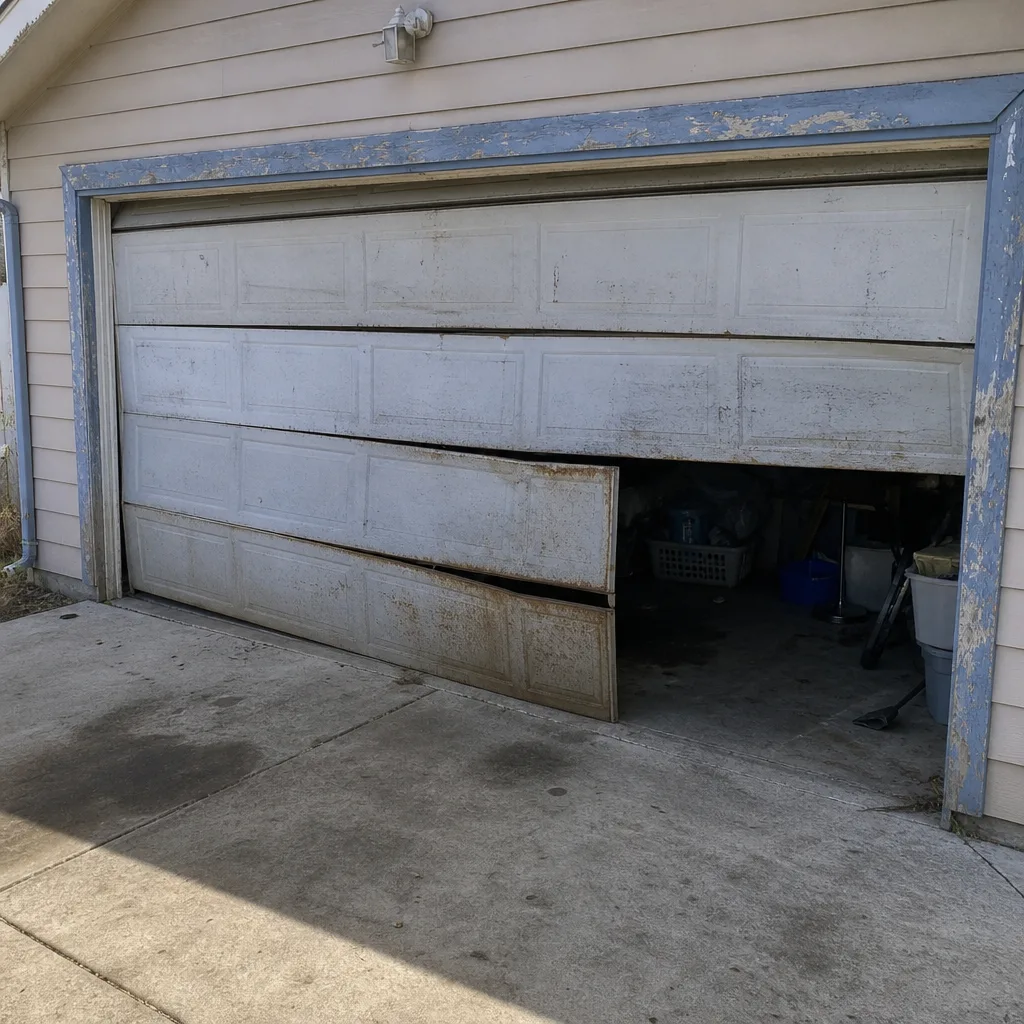 Before
 After
 Before
 After
When to Call a Professional
Call a professional for anything involving torsion springs, extension springs, cables, track repositioning, or a door that’s come off its track. Those are injuries waiting to happen. Also call immediately if the safety reverse fails (the door does not go back up when it hits an obstruction), or if the door won’t close all the way and the gap looks different each time you try. Those are signs of a mechanical failure in progress. In our experience, most Winchester homeowners wait too long after seeing one of those signs, usually because the door still moves and no one wants the nuisance. A door that’s operating but failing its safety test is a daily risk.
Mainspring Garage Door Co. Winchester offers free estimates in Winchester. Call (888) 326-0817 for a straight answer on what needs doing and how soon.
Frequently Asked Questions
Once a year, or any time you notice a new noise, a failed safety reverse, or a broken spring. For a household that uses the door heavily (six or more cycles per day), we also recommend checking spring cycles every six months during the annual inspection. Call (888) 326-0817 to schedule the $89 Seasonal Tune-Up, which covers inspection, lubrication, and calibration.
No. Tracks should be wiped clean and left dry. The rollers need lubrication on their bearing shafts, not on the tracks themselves. Grease on the tracks collects grit and wears rollers flat faster. Use a dry cloth on the tracks and a silicone or white lithium spray on the roller shafts and hinge pivots.
Replace them at roughly 10,000 open-close cycles, not based on how long they’ve been installed. A door used four times per day will typically need new springs around year six or seven. A higher-cycle door will need them sooner. Count your daily cycles, multiply by 365, and divide 10,000 by that number. That gives you a real replacement window.
Visually checking for a broken spring is safe. Adjusting one is not. Torsion springs carry the full weight of the door under tension, and releasing or adjusting them without the correct tools can cause serious injury. Any work involving spring tension should be done by a trained technician. Call (888) 326-0817 if you suspect your springs need service.
Yes. The high-desert swing between 105°F summers and freezing winters stresses rubber seals, spring tension, and opener motors in ways that a temperate-climate schedule doesn’t account for. We recommend a pre-summer check (late April) and a pre-winter check (October or November) to catch UV-damaged seals and temperature-shifted springs before they fail.
Routine lubrication, bottom seal replacement, and visual checks are fine on almost any warranty. Torsion spring adjustment, cable replacement, and track repositioning by an unlicensed party can void the warranty on most Clopay, Amarr, and Wayne Dalton doors. Check your specific warranty documentation, or call us and we’ll tell you what’s safe to do yourself and what isn’t.
The Bottom Line
A garage door doesn’t need monthly attention. It needs the right attention at the right intervals. Do the two-minute visual check every month. Do the mechanical check every six months, with lubrication on the rollers and hinges (never the tracks), and balance testing. Schedule a professional inspection once a year. Replace springs based on cycle count, not calendar time. Add Winchester-specific seasonal checks in late spring and fall because high-desert temperature swings are hard on seals, springs, and openers. The rest is quiet. A door on this schedule will run smoothly for a decade, and you’ll never have to think about it.
At Mainspring Garage Door Co. Winchester, every job comes with the 90-Day Done Right Promise, the price stated flat before the work starts, and background-checked, uniformed technicians who arrive with parts on the truck for a single visit. For a free estimate, Garage Door Installation in Winchester or Mainspring Garage Door Co. Winchester home are the right starting points. Or just call us at (888) 326-0817 and we’ll talk through what the door needs. The phone is answered by a live person, around the clock.
Written by the team at Mainspring Garage Door Co. Winchester.