
Last updated November 18, 2026
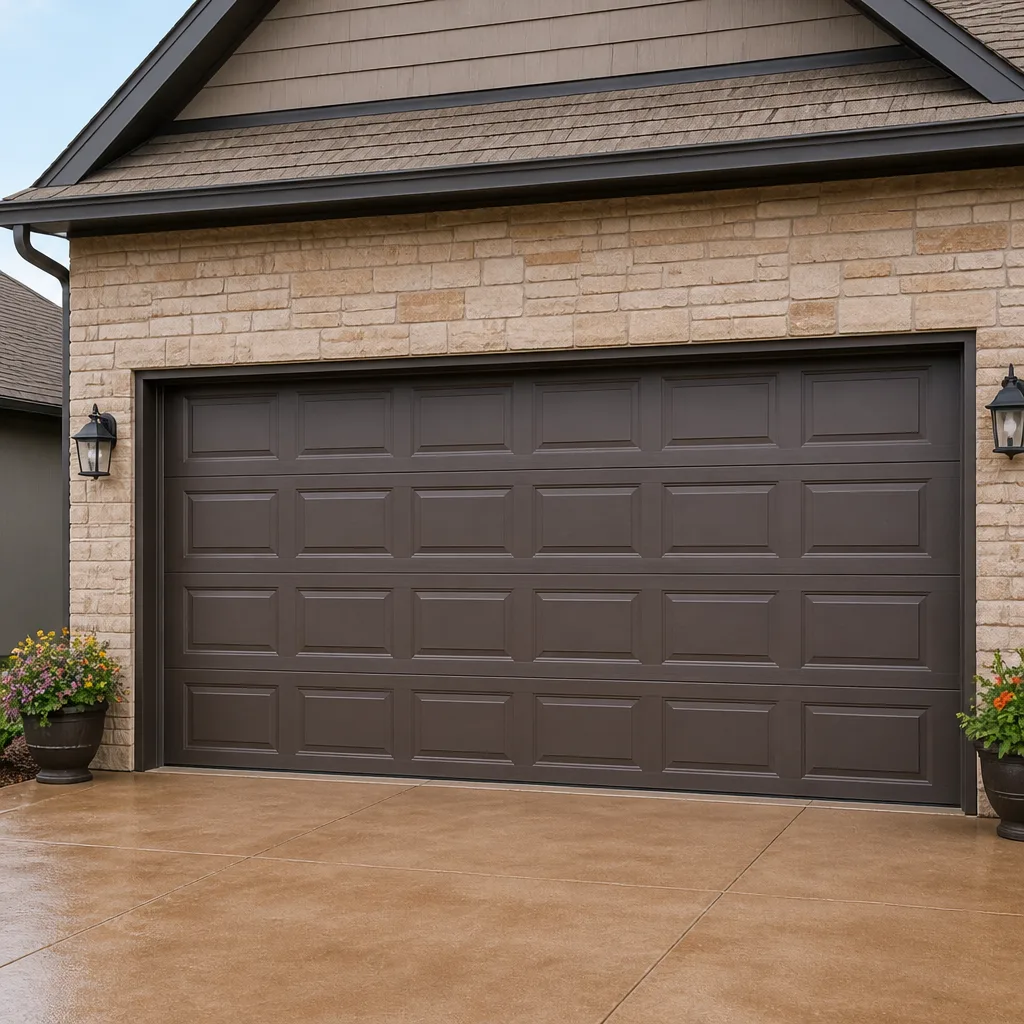 Raised-panel steel
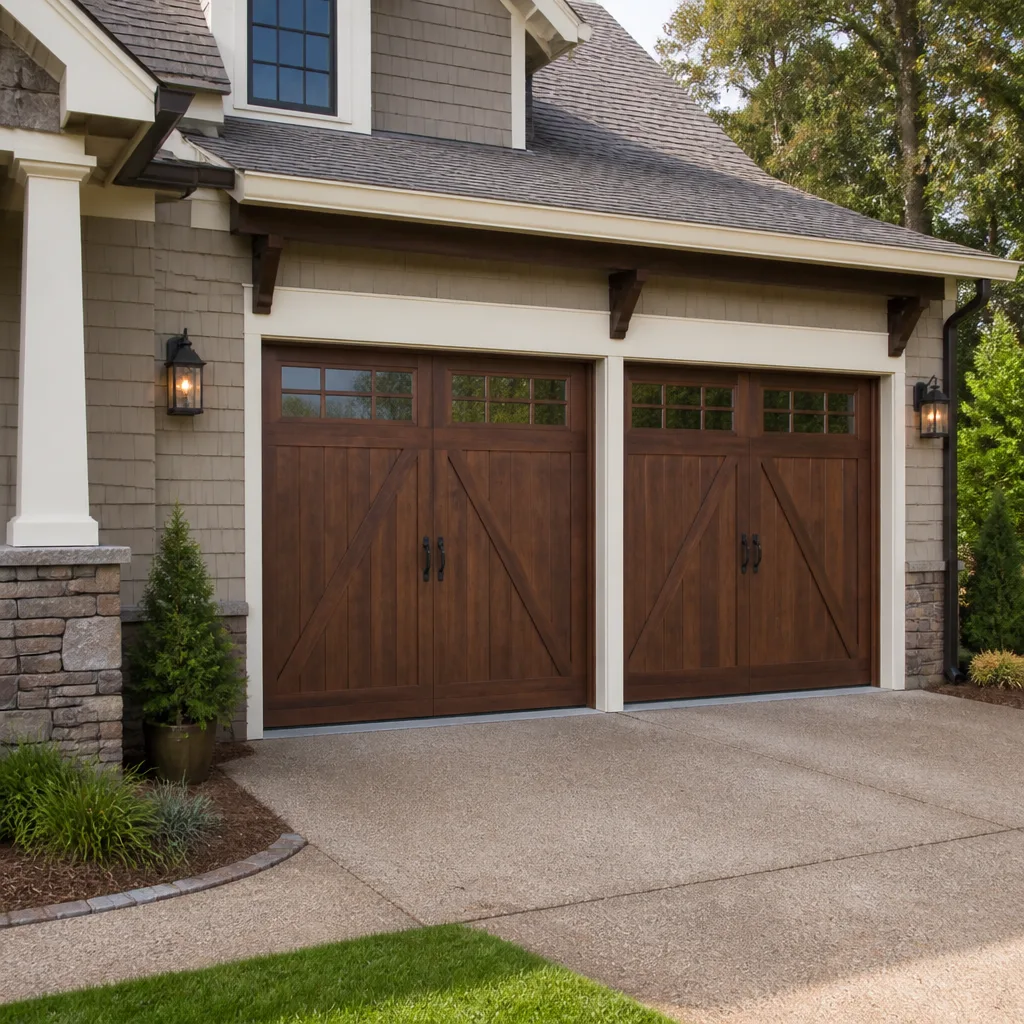 Carriage house
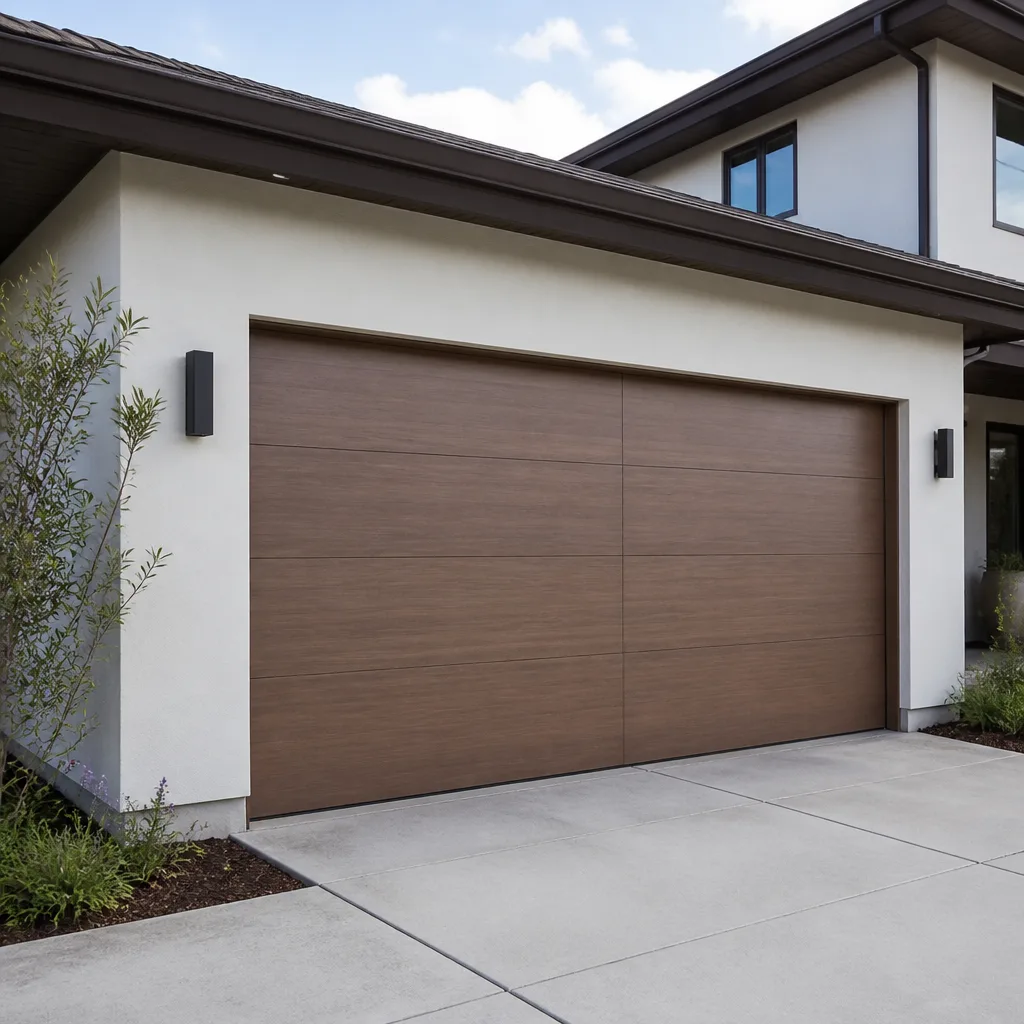 Modern flush
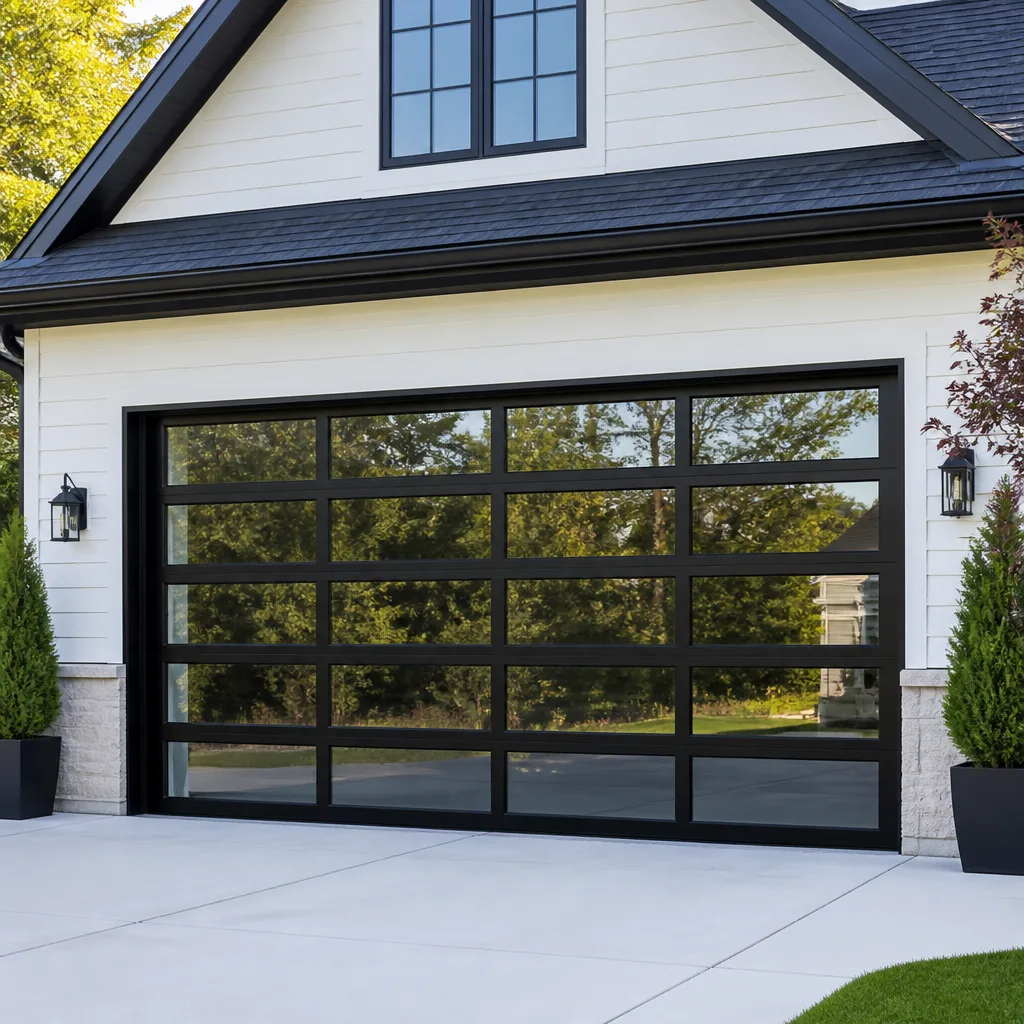 Full-view glass
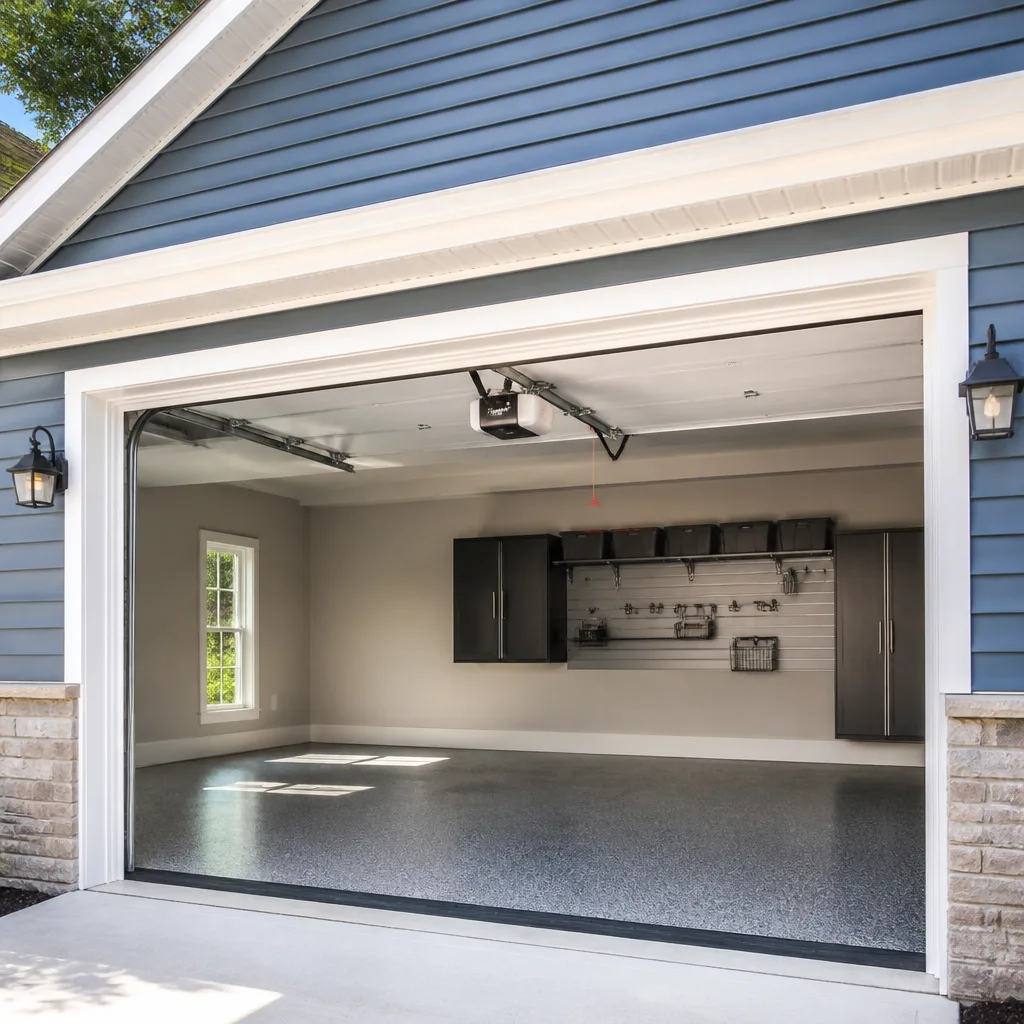 LiftMaster openers
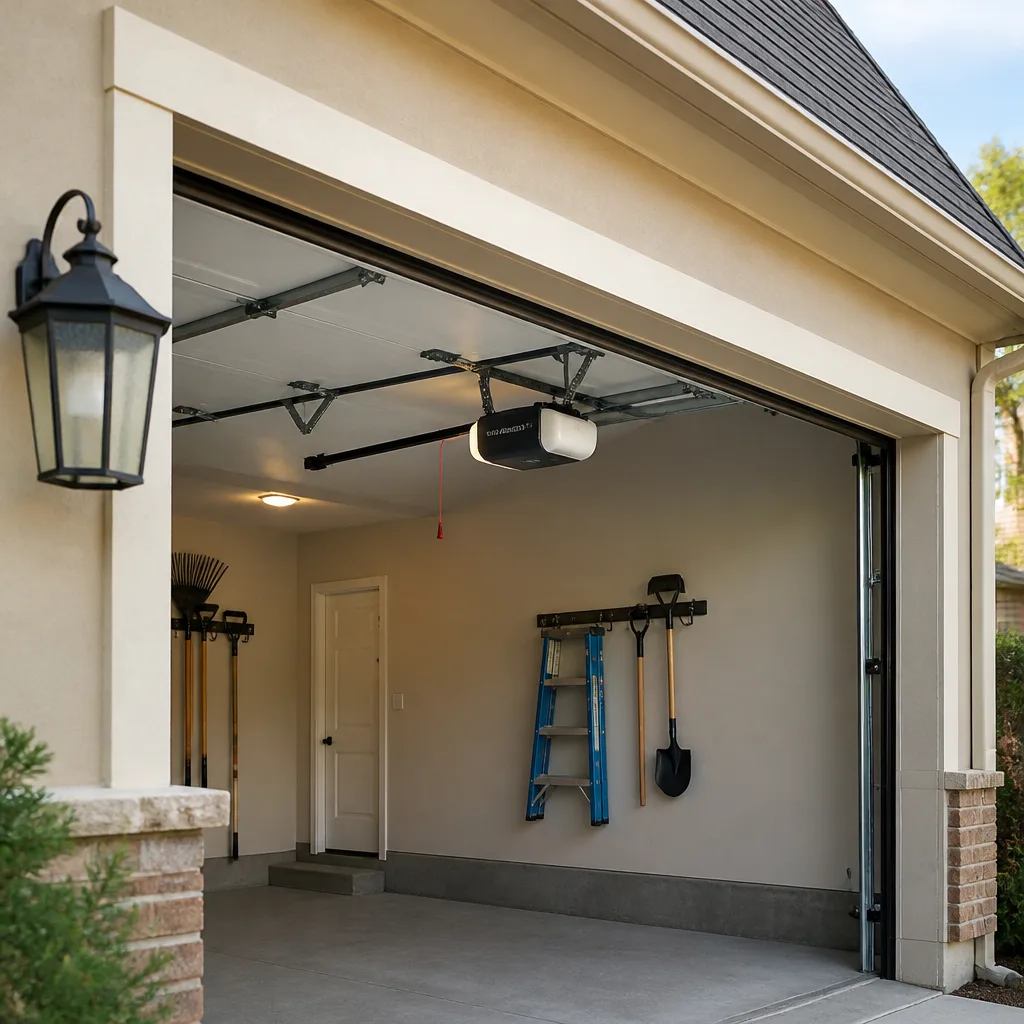 Chamberlain openers
Full 25-point door and opener safety check with every visit - springs, cables, rollers, tracks, and your LiftMaster or Chamberlain opener included
You get a price before we start. It does not change when the pro arrives.
Get your free estimateGarage Door Repair Warning Signs Every Homeowner Should Know
Your garage door is probably slower than it was two years ago. You didn’t notice because it happened at one second per month. That is how garage doors fail: not with a bang, but with a slow, nearly invisible drift away from the way they ran when they were new. In our experience working on doors across Winchester, the homeowners who avoid emergency calls are the ones who reset their baseline and pay attention to small changes. This guide shows you the mechanical signals a door sends weeks before it quits, how to test your door today, and which warning signs mean call now versus call this month.
Quick Answer
The most important garage door repair warning signs are a door that runs slower than it used to, grinding or popping sounds during travel, frayed cables, worn rollers, and a door that reverses or stops inconsistently. A door that “works fine most of the time” is often closer to failure than one that fails every time, because intermittent faults usually point to a spring or cable on its last legs. Any sign involving cables, springs, or a door that will not stay up should be handled by a trained technician, not a weekend project.
Styles & brands we work with
- Raised-panel steel
- Carriage house
- Modern flush
- Full-view glass
- LiftMaster openers
- Chamberlain openers
Table of Contents
- Run the Timed Baseline Test First
- What the Sounds Are Telling You
- The Visual Inspection Checklist
- Why “Works Fine Most of the Time” Is the Worst Sign
- Three Signs That Need Same-Week Service
- Three Signs That Give You a 30-Day Window
- Common Mistakes to Avoid
- When to Call a Professional
Run the Timed Baseline Test First
Before you can spot a problem, you need a number to compare against. Garage doors are rated to open and close within a certain window, and most residential doors should complete a full cycle in roughly 12 to 15 seconds. If yours takes noticeably longer, something has changed underneath: a weakening spring, a dragging roller, or a track that is out of alignment.
Here is how to run the test. Do this on a day when you have five quiet minutes and can watch the whole cycle.
- Close the door fully and unplug the opener, or pull the manual release if you prefer. You are testing the door’s balance, not the motor.
- Lift the door by hand to about waist height and let go. A properly balanced door should stay where you put it, or drift only slightly. If it slams down or feels very heavy, the springs are losing tension.
- Plug the opener back in and time one full open cycle from the moment it starts moving to the moment it stops. Write the number down.
- Repeat the timing once a month and note any change. A door that gains two or three seconds over a few months is telling you the spring is fatiguing.
In Winchester, we see this play out most often in the spring and early summer, when doors that sat through a dry winter start to show the cumulative wear. Dry air and temperature swings work on torsion springs, and the change shows up first as a slightly slower door, then as a door that will not lift at all. If your timing has slipped by more than two seconds since last year, it is worth having the springs checked before they fail completely.
Do not attempt to adjust or replace torsion springs yourself. They carry the full weight of the door under high tension, and a spring that lets go while you are working on it can cause serious injury. That is a job for a trained technician with the right tools.
What the Sounds Are Telling You
Garage doors make noise. That is normal. What matters is whether the noise has changed, and whether it stopped. Each sound tends to map to a specific component, and learning the difference helps you describe the problem accurately when you call.
- Grinding during travel. Usually a worn roller or a dry hinge. Metal on metal with no lubrication left. Often fixable on the first visit.
- Popping or snapping. A cable slipping off a drum or a spring starting to unwind. This one deserves a call, because a snapped cable can whip and cause damage or injury.
- Scraping along the track. The door is out of alignment or a roller has come loose. It will not fix itself, and the scraping wears the track down over time.
- A single loud bang, then silence. This is the classic sign of a torsion spring breaking. The door will feel very heavy and may not open at all. Stop using the opener and call for service.
- Rattling that gets worse. Loose hardware, often bolts that have worked themselves free over years of cycles.
The most misleading thing a door does is go quiet. If your door used to grind and now it doesn’t, that does not mean the problem solved itself. It usually means the worn part finally failed, and the door has stopped trying to travel through the obstruction. In Winchester, we have walked into plenty of garages where the homeowner said “it stopped making that noise last week” right before the door failed to open.
The Visual Inspection Checklist
You do not need to touch anything dangerous to spot most failing components. A ten-minute walk around the door with a flashlight will tell you a lot. Look for these indicators, and write down what you see.
- Cable fraying. Look at the cables running along each side. A healthy cable is smooth and evenly wound. Frayed strands, kinks, or rust spots mean it is time to replace them before they snap.
- Roller wear. Rollers should be round and turn freely. Flat spots, cracks, or a roller that no longer spins means it is dragging against the track.
- Track alignment. Stand at the door and look down each track. The gap between the roller and the track should be small and even. If you can see the roller jumping or the track bent, that is a problem.
- Loose hinges. Try each hinge by hand. If it wiggles, the bolt needs tightening or the hinge is worn.
- Weather seal. The rubber strip at the bottom should sit flat against the floor. A gap lets in the wind and the dust, and here in Winchester that dust gets into the tracks and accelerates wear.
- Spring condition. Look at the torsion spring above the door. Rust streaks, a visible gap in the coil, or a spring that looks stretched out of shape are all signs of a part near the end of its life.
Take a photo of anything that looks worn. When you call, a photo helps the technician bring the right part the first time. That is the difference between a one-visit repair and a two-visit repair, and it is why our technicians arrive with springs, cables, and openers already loaded.
Why “Works Fine Most of the Time” Is the Worst Sign
This is the counterintuitive part of the whole guide. A door that fails every single time is annoying, but it is predictable. A door that works nine times out of ten is the one that worries us most, and here is why: intermittent failure almost always points to a component that is on the edge, not one that has already gone.
A spring with a hairline crack will hold most of the time and let go when the temperature drops. A cable with one frayed strand will hold until the day the load shifts the wrong way. A safety sensor that is dirty or misaligned will work in daylight and fail in the evening when the light changes. Each of these is a coin flip, and the flip lands on the wrong side at the worst possible moment, usually when you are leaving for an appointment or coming home late.
In Winchester, we commonly see this with older doors that sit on the sunny side of the house. The heat expands the track slightly during the day and contracts it at night, and a door that is right at the tolerance edge will run fine at noon and bind at seven in the evening. The fix is usually a track alignment and a fresh set of rollers, but the point is that the intermittent behavior was a warning you could have acted on weeks earlier.
If your door ever fails to open or close, even once, treat it as a signal. Note the time of day, the weather, and whether the door made any sound. That record is worth more to a technician than a dozen guesses.
Three Signs That Need Same-Week Service
Some warning signs are safe to schedule. Some are not. These three warrant a call this week, not next month.
- A door that will not stay up when you lift it by hand. This means the springs have lost most of their tension and the door is being held by the opener alone. Continued use puts stress on the opener motor and the cables, and a full failure is likely soon.
- Visible cable fraying or a cable that has jumped the drum. A cable under load can snap without warning, and when it does it can damage the door, the track, and anything nearby. Stop using the door and call.
- A door that reverses randomly, or a safety sensor that will not stay aligned. This is a safety issue first and a repair second. A door that closes on a person or a pet is a hazard, and the sensor is easy to test and easy to fix once a technician is on site.
If you are in any of these situations, call (888) 326-0817. We answer with a live person around the clock, and we can talk you through whether to keep the door closed until a technician arrives. The price is quoted and agreed before any work starts, so there is no surprise on the bill.
Three Signs That Give You a 30-Day Window
Not every warning sign is urgent. These three are worth scheduling within the next month, and they let you pick a convenient day rather than an emergency one.
- A door that is consistently slower than it used to be. The timing test above will catch this. If the door still opens and closes reliably, you have time to book a tune-up and have the springs and rollers inspected.
- Grinding or squeaking that comes and goes. A dry roller or hinge can wait a few weeks. It will not fix itself, but it is very unlikely to fail catastrophically in that window.
- A worn weather seal or a door that lets in a draft. This is comfort and efficiency, not safety. Schedule it with your next tune-up and get both done in a single visit.
Planning ahead also gives you a chance to take advantage of a standing offer. Our $89 seasonal tune-up covers the inspection, lubrication, and adjustment that keeps a door running quiet, and the $50 off any repair over $250 applies to the work that comes out of that inspection. Seniors and veterans get a permanent 5% discount on top of that. A free second opinion on any written estimate is available if you have been quoted a repair elsewhere and want a square second look. If you want the full picture of what a repair visit involves, our Garage Door Repair in Winchester page covers the process from call to completion.
Common Mistakes to Avoid
- Ignoring a door that got quieter. A door that stops making a noise it used to make has not healed. It has usually stopped trying to move through a worn part. Treat silence after grinding as a warning, not a relief.
- Lubricating everything in sight. A little lubricant on the hinges and rollers is fine. Spraying the tracks or the springs attracts dust, and Winchester’s dry, dusty air turns that into grit that wears the door faster.
- Adjusting the springs yourself. This is the most common and most dangerous mistake we see. Torsion springs carry the weight of the door under high tension and can cause serious injury. Leave them to a trained technician.
- Assuming the opener is the problem. Most “my opener is broken” calls turn out to be a door or spring issue. The opener is doing its best to lift a door that is too heavy or out of balance.
- Waiting for a full failure to schedule service. A door that fails on a Friday night costs more than one that gets a tune-up on a Tuesday. The 30-day window is there for a reason.
- Hiring on price alone. The lowest bid often leaves out the parts or the labor, and the bill grows once the work begins. A written, upfront price from a company that will still be around when you call back in a year is a better deal.
- Skipping the second opinion. If a quote seems high, get a second look. We offer a free second opinion on any written estimate, and there is no pressure to use us once you have it.
When to Call a Professional
Call a professional for anything involving springs, cables, or the door’s balance. Those components carry the door’s full weight under tension, and the risk of injury is real. Call also for a door that reverses randomly, a sensor that will not stay aligned, or a track that has visibly bent. Those are safety issues, and they are worth handling this week rather than next month.
For the rest (timing drift, grinding, worn seals, loose hinges) a scheduled tune-up is the right move. Mainspring Garage Door Co. Winchester offers free estimates in Winchester, and our technicians arrive with the springs, cables, and openers needed to finish most jobs in a single visit. If you are considering a new door rather than a repair, our Garage Door Installation in Winchester page walks through the measure-and-quote process, and our Garage Door Opener in Winchester page covers opener service if the motor is the concern. Call (888) 326-0817 to start, or visit our Mainspring Garage Door Co. Winchester home page for the full range of services.
See the difference
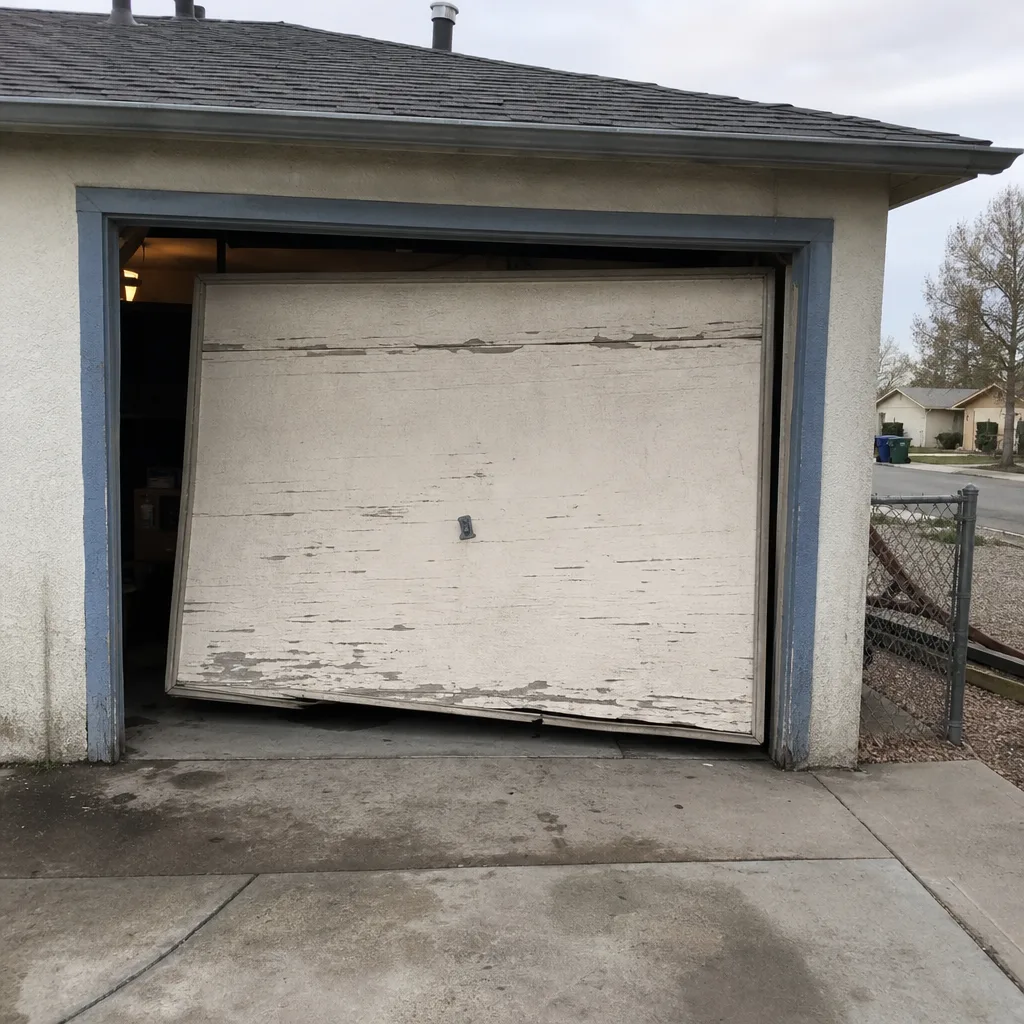 Before
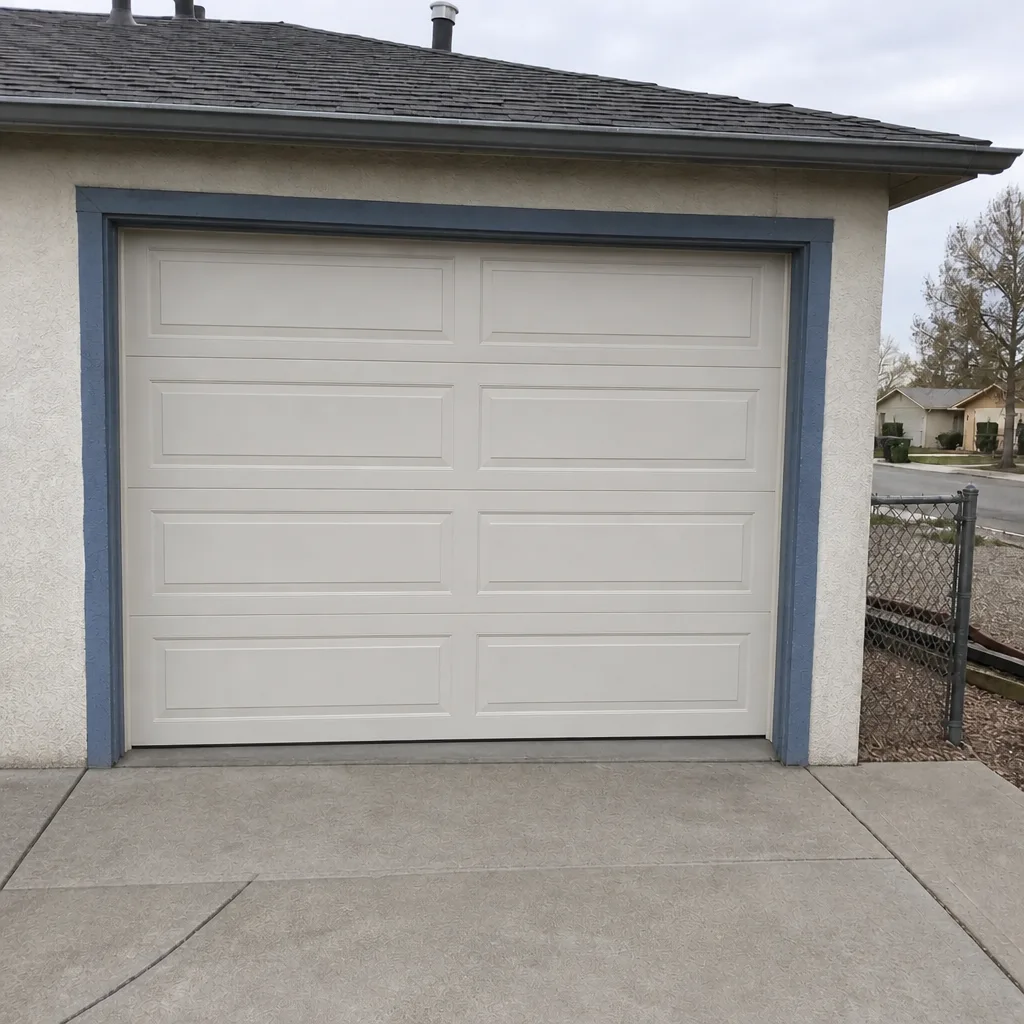 After
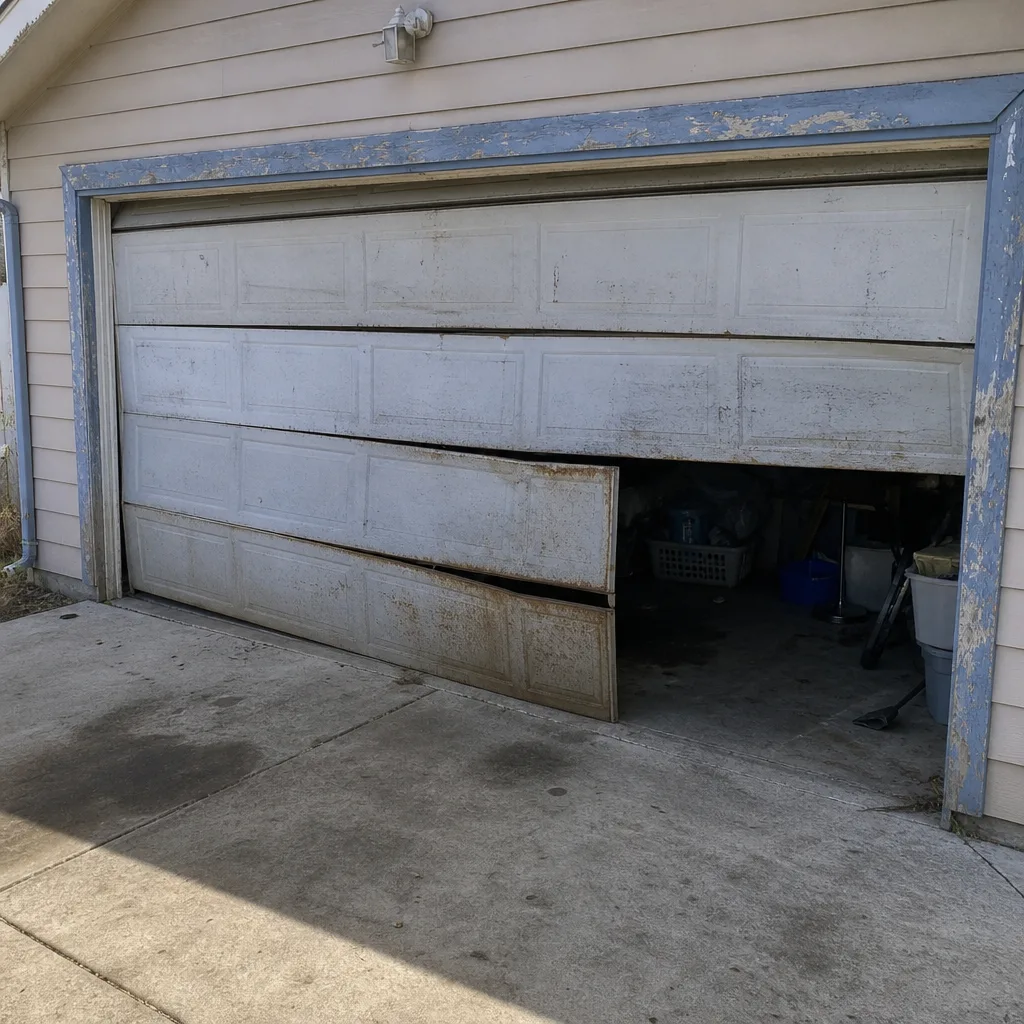 Before
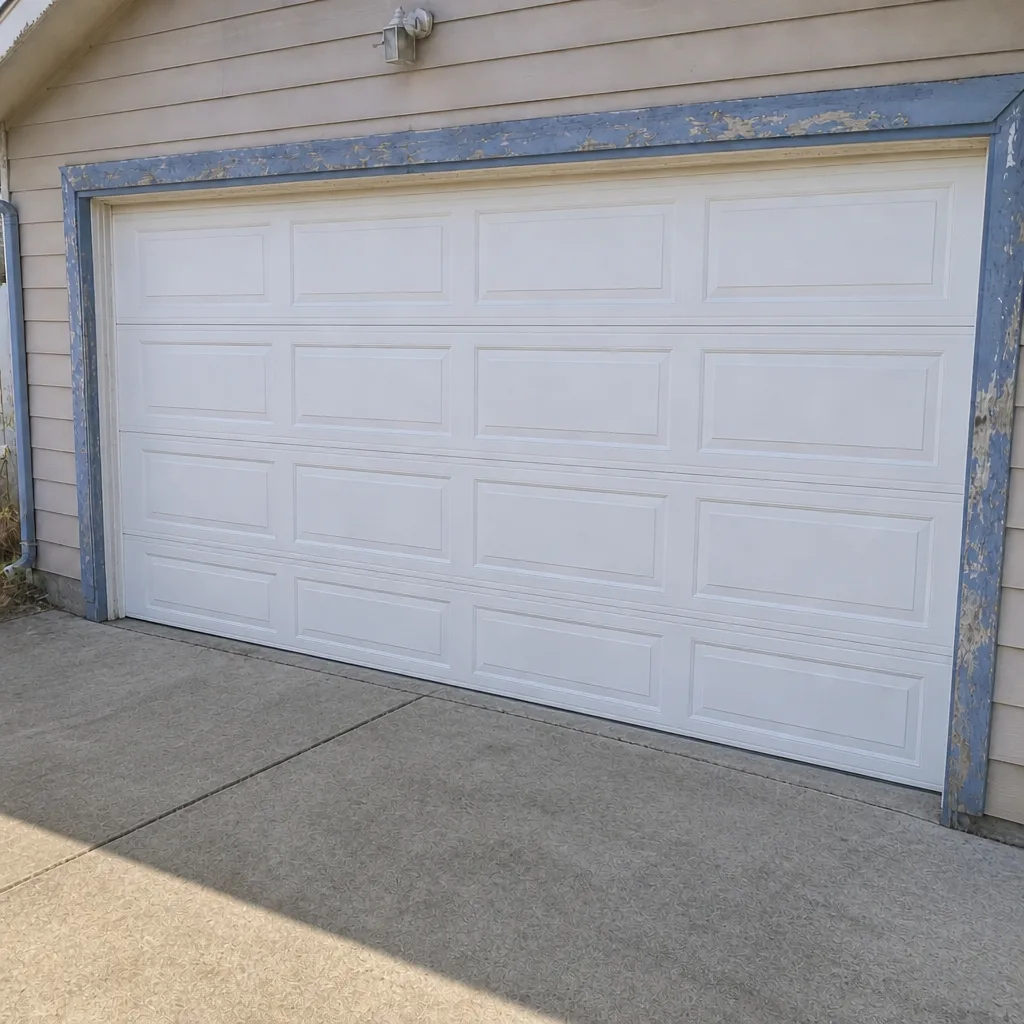 After
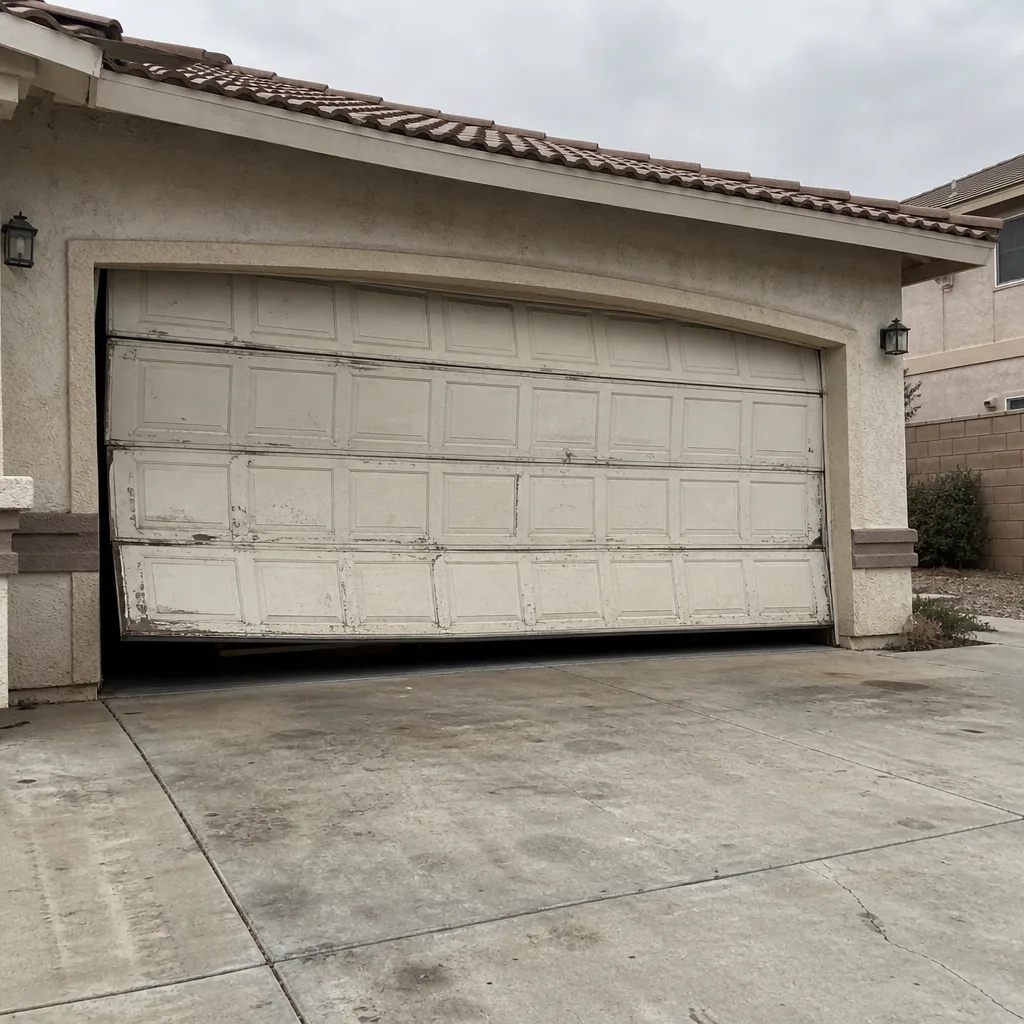 Before
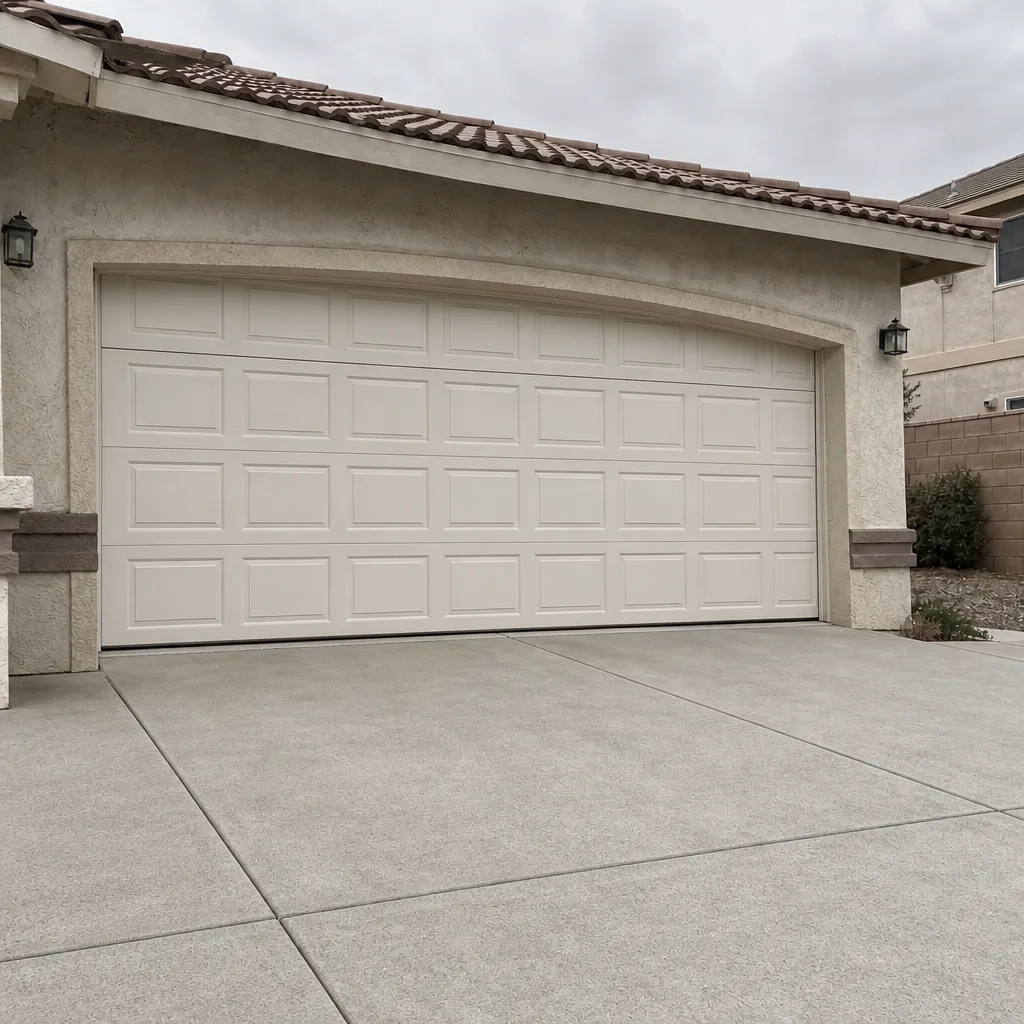 After
Frequently Asked Questions
A door that is noticeably slower to open and feels heavy when you lift it by hand is the earliest reliable sign of a failing spring, and a single loud bang followed by a door that will not lift is the sign it has already failed. In our experience, the timing drift shows up weeks before the failure. Call (888) 326-0817 for a spring inspection; estimates are free.
A door that will not stay up when you lift it by hand, visible cable fraying, and a door that reverses randomly or has a misaligned safety sensor all need same-week service. Each of these is a safety issue, not just a convenience one. Call (888) 326-0817 and we will talk you through what to do with the door in the meantime, at no charge.
For emergency situations like a snapped spring or a door stuck open, yes, we aim to respond same day, and our phones are answered by a live person around the clock. For routine tune-ups and planned repairs, we schedule within the next few days so you get a convenient window. Call (888) 326-0817 and we will tell you honestly what is available.
No. We quote a flat price before any work begins, and that is the price you pay. If the inspection turns up something the initial call did not uncover, we stop and tell you before doing anything, so you are never looking at an invoice bigger than the number you agreed to. Call (888) 326-0817 for a free estimate.
Yes. Our technicians are background-checked, uniformed, and trained as journeymen, and every job is covered by our 90-Day Done Right Promise in writing. If the work is not right, we come back at no charge, with no dispute process. Call (888) 326-0817 to schedule.
Once a year is the standard, ideally before the hot season, when dry air and temperature swings put the most stress on springs and tracks. Winchester’s dusty conditions also wear rollers and weather seals a little faster than milder climates, so an annual tune-up catches small issues before they become repairs. Call (888) 326-0817 to book the $89 seasonal tune-up.
The Bottom Line
Garage doors fail slowly, and the warning signs are mechanical rather than dramatic. A timed baseline test, a quick listen for changed sounds, and a ten-minute visual walk-around will catch most problems weeks before they become emergency calls. Treat an intermittent door as more concerning than one that fails every time, and treat any sign involving springs or cables with the respect it deserves. If your door is in the same-week list, call now. If it is in the 30-day window, schedule a tune-up and save yourself the surprise. Mainspring Garage Door Co. Winchester stands behind the work for 90 days in writing, quotes the flat price before the wrench comes out, and answers every call with a live person, day or night. Call (888) 326-0817 for a free estimate.
Written by the team at Mainspring Garage Door Co. Winchester.