
Last updated November 18, 2026
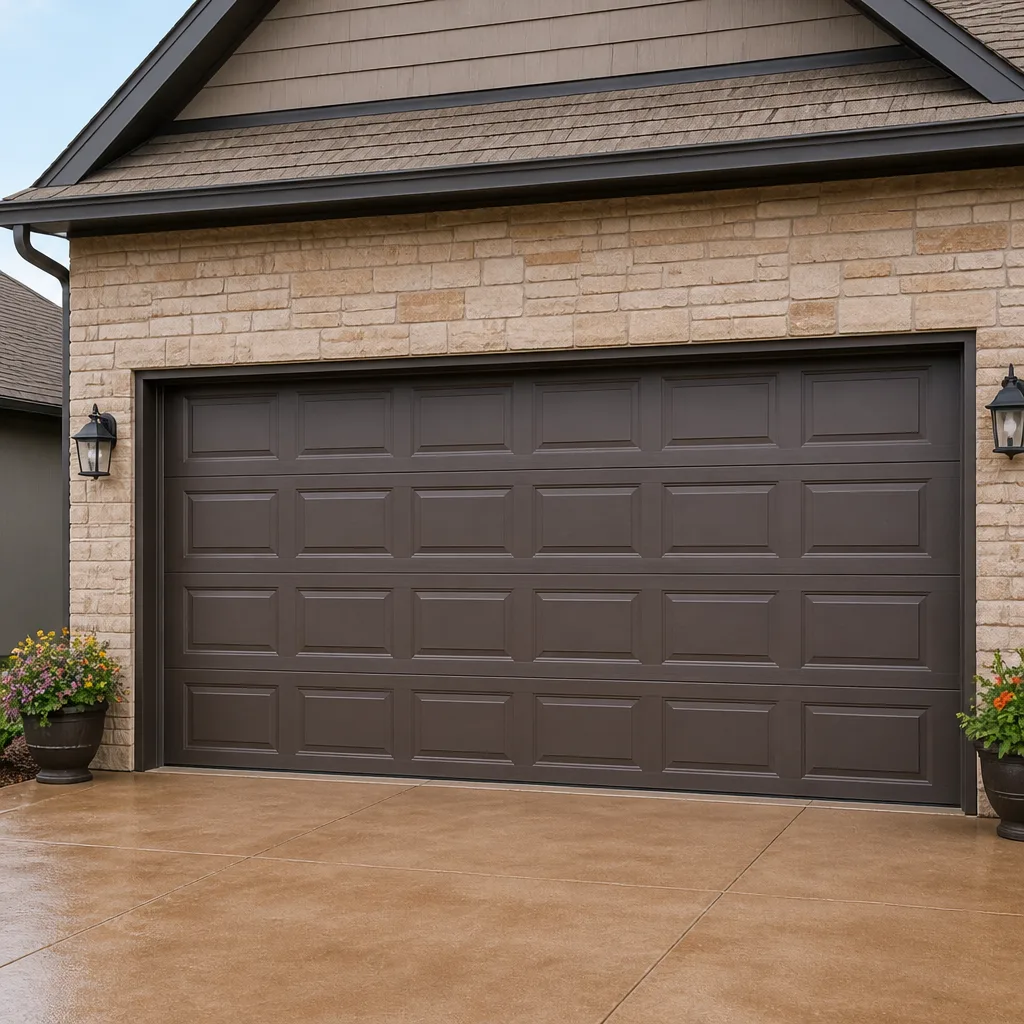 Raised-panel steel
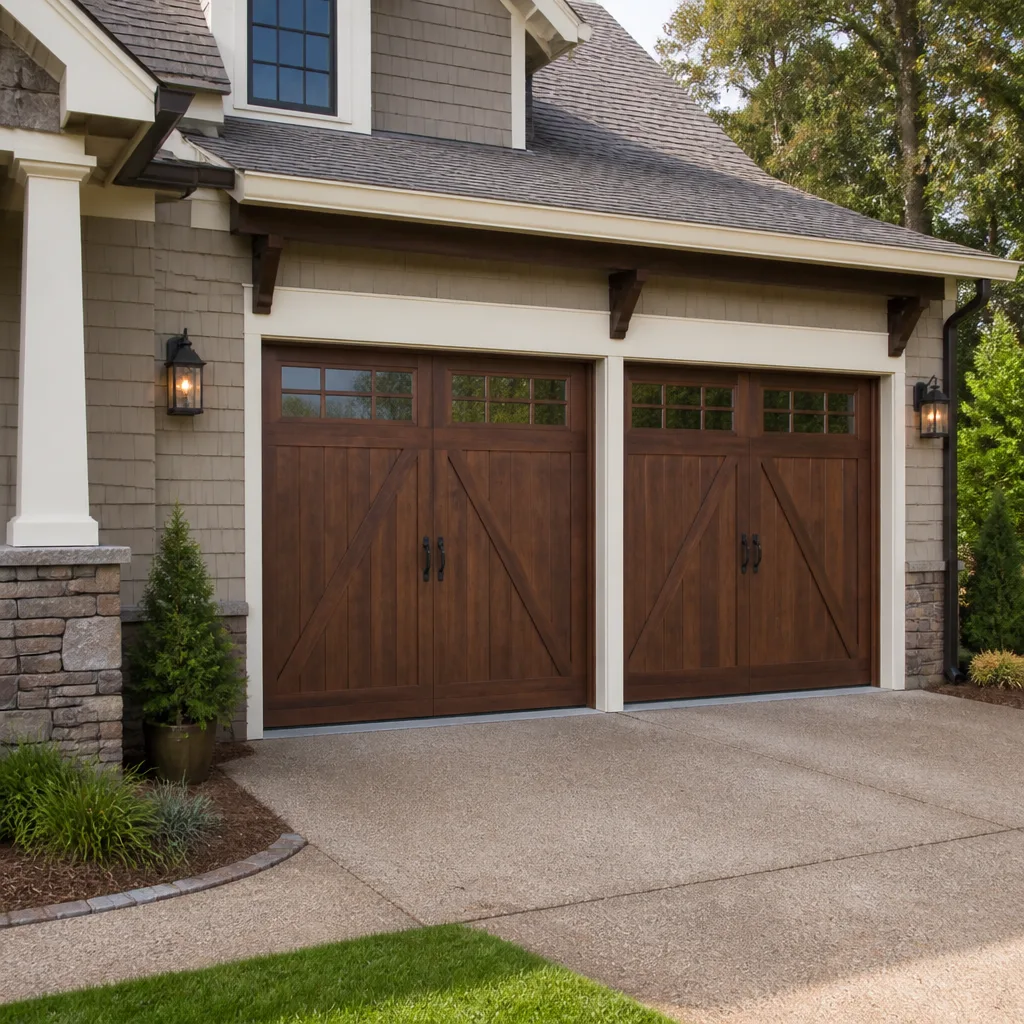 Carriage house
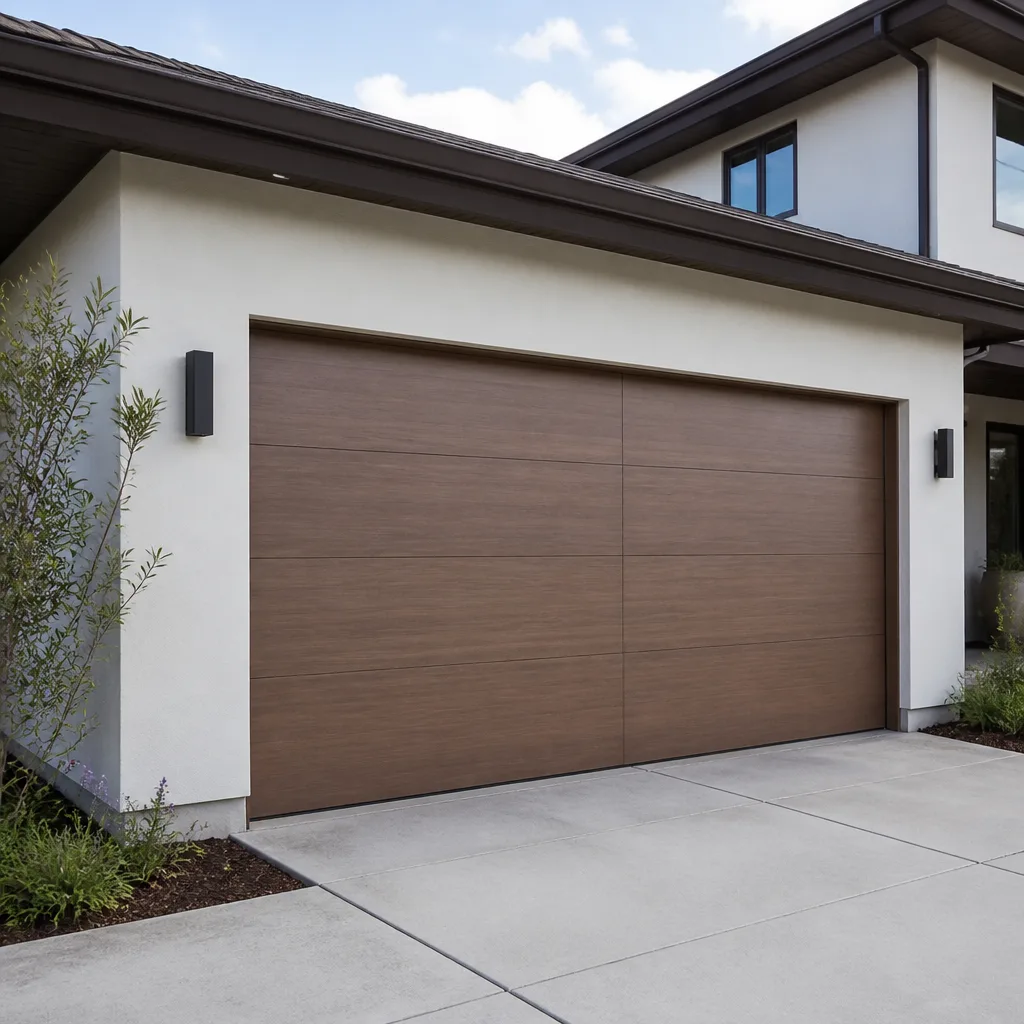 Modern flush
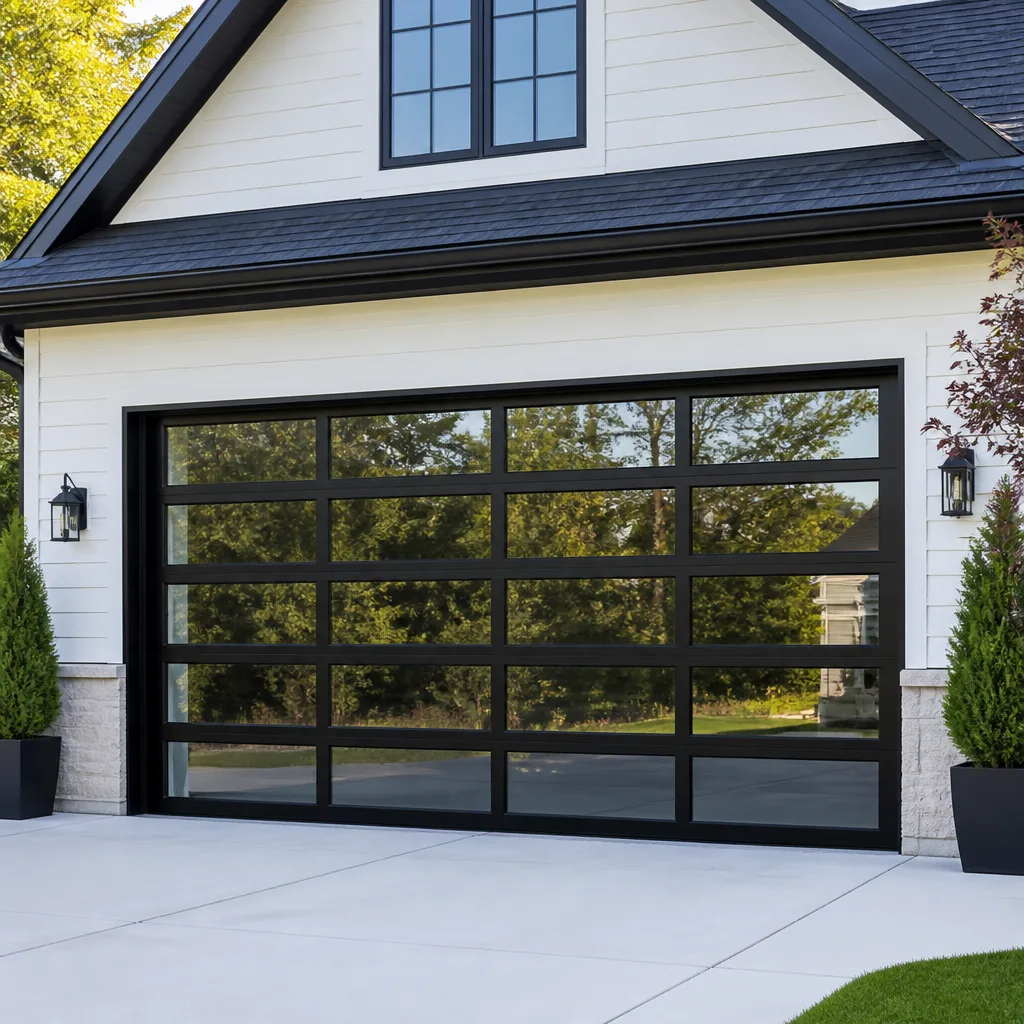 Full-view glass
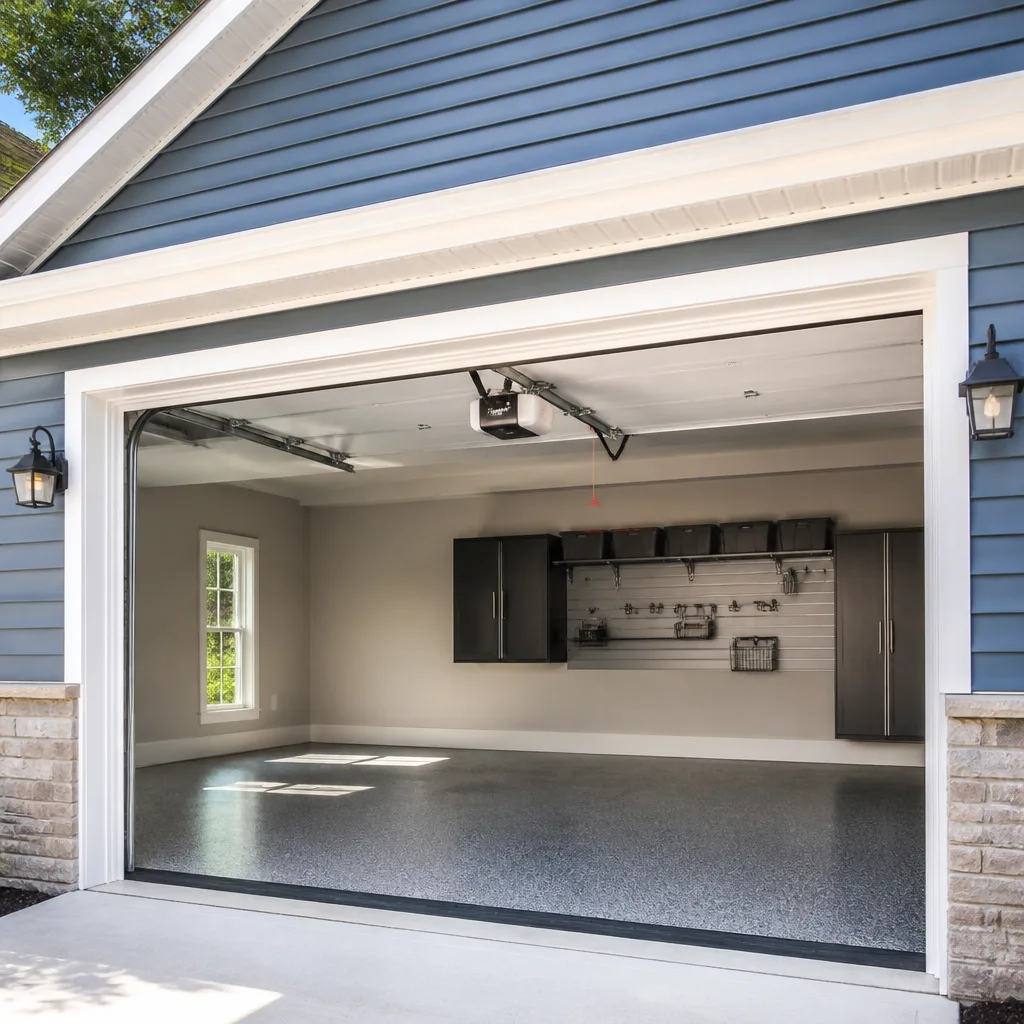 LiftMaster openers
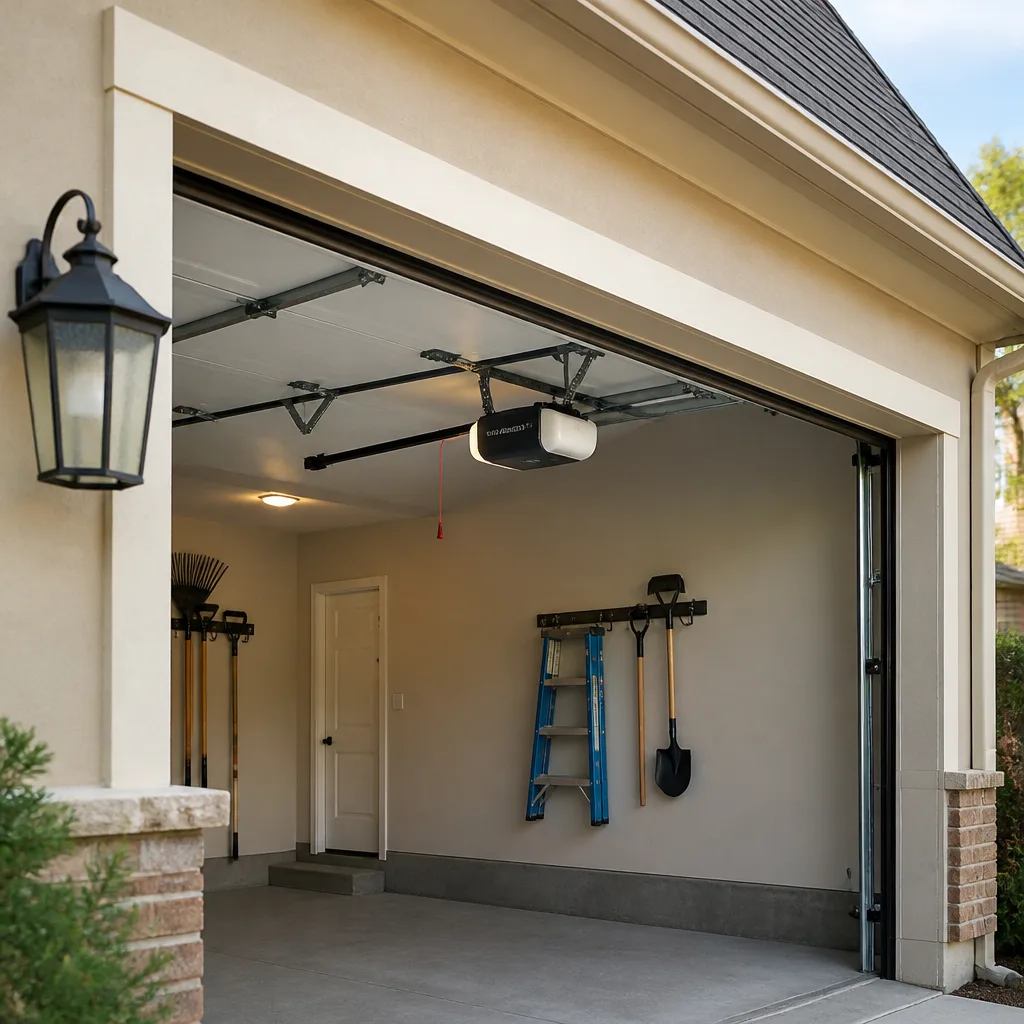 Chamberlain openers
Full 25-point door and opener safety check with every visit - springs, cables, rollers, tracks, and your LiftMaster or Chamberlain opener included
You get a price before we start. It does not change when the pro arrives.
Get your free estimateGarage Door Repair Troubleshooting: Common Problems and How to Fix Them
A door that reverses before it closes is not broken. It is working exactly as designed, and that is the first thing most homeowners get wrong. The safety reverse is doing its job; the real problem sits in one of four triggers people almost never check. Misdiagnosis is why the same door gets looked at three times before anyone actually fixes it. In this guide we walk through a component-by-component troubleshooting logic so you can map the symptom to the right subsystem – spring, cable, track, opener, sensor, or seal – before you touch anything, and hand a technician the facts instead of a guess. We’ve seen enough Winchester doors to know where the diagnosis usually goes sideways.
Quick Answer
Most garage door problems trace back to six subsystems: the torsion or extension spring, the lift cables, the track and rollers, the opener, the safety sensors, and the weather seal. The trick to garage door repair troubleshooting is matching the symptom to the subsystem before calling anyone. A door that reverses usually has a sensor or travel-limit problem, a door that won’t lift usually has a spring or cable failure, and a door that grinds usually has a track or roller issue. Diagnose the system, not the symptom, and you’ll get the right fix on the first visit.
Styles & brands we work with
- Raised-panel steel
- Carriage house
- Modern flush
- Full-view glass
- LiftMaster openers
- Chamberlain openers
Table of Contents
- Start Here: A Symptom-to-Subsystem Decision Tree
- Spring Failures: The Weight Side of the System
- Cable Failures: Drive-Side vs. Tension-Side
- Opener Logic Faults vs. Mechanical Binding
- Three Sensor Problems the Manual Doesn’t Mention
- Track, Roller, and Weather Seal Troubles
- How to Photograph and Document What You Find
- Common Mistakes to Avoid
- When to Call a Professional
- Frequently Asked Questions
Start Here: A Symptom-to-Subsystem Decision Tree
Before you climb a ladder or push a button, write down what the door actually did. The description is the diagnosis. Here’s the logic we use on every call, and it works just as well for a homeowner standing in their own driveway.
- Door won’t move at all, opener light flashes. Usually a sensor blockage or a safety reverse lock-out. Go to the sensor section. Don’t touch the springs.
- Opener runs but door doesn’t lift, or lifts a few inches and stops. Usually a spring or cable problem. That is a tension failure and it needs a trained eye.
- Door lifts unevenly, one side higher than the other. Track, roller, or cable. Rarely the opener.
- Door reverses halfway down, or goes back up. Sensor misalignment, travel-limit settings, or an obstruction the sensor can’t see.
- Door grinds, squeals, or shudders. Rollers, hinges, or a bent track. Lubrication and alignment, not replacement.
- Door closes but leaves a gap at the floor. Weather seal, bottom bracket, or a settled slab. This is the seal section.
If you can report which of those six it is, you’ve done half the diagnostic work. In Winchester, where the summer heat softens the rubber seal and the winter wind pushes grit under the bottom bracket, we see a lot of number six and a fair amount of number three. The dry desert air keeps wood tracks from warping the way they do in wetter climates, but it cracks the seals faster than most people expect.
Spring Failures: The Weight Side of the System
A garage door is a weighted pendulum, and the spring is what holds it up. When the spring snaps, the door suddenly weighs what it always weighed – 100 to 250 pounds on a typical single-car door – and the opener can’t lift it. That’s why the door “won’t open” is almost never an opener problem on a door older than about seven years.
There are two kinds of spring on residential doors in Winchester. Torsion springs run horizontally above the door on a steel shaft; extension springs run along the sides on a track. Both do the same job, and both fail the same way: the metal fatigues and lets go.
Signs a spring is about to fail:
- A visible gap in the coil or a spring that looks like two separate pieces.
- A loud bang from the garage, often described as a gunshot or a dropped weight.
- The door feels much heavier when you lift it by hand (with the opener disconnected – more on that below).
- The door goes up about six inches and stops hard.
Here we have to be blunt: a torsion spring under tension stores enough energy to break a wrist or worse. Do not unwind, adjust, or replace one yourself. There is no safe homeowner fix. What you can do is stop using the door, keep the car outside, and photograph the spring so a technician knows exactly which one to bring.
In our experience, most spring replacements are a one-visit job when the technician arrives with the right wire gauge already on the truck. Call Mainspring Garage Door Co. for garage door repair in Winchester if a spring has let go.
Cable Failures: Drive-Side vs. Tension-Side
From ten feet away, all cable failures look the same: a wire hanging loose, a door sitting crooked, a drum with slack. Up close, they are two different problems with two different fixes, and knowing which you have changes the estimate.
Drive-side failure happens at the drum or the opener rail. The cable has jumped the drum, frayed at the anchor point, or pulled free of the drum spool. The door usually sits slightly off-level but stays up. This is usually a cable-replacement job with no damage to anything else.
Tension-side failure happens at the bottom bracket, where the cable is under the most load. The cable has snapped near the bracket, the door drops on one side, and the spring is still fully wound. This is the more dangerous of the two because the remaining cable is holding all the tension. Stop using the door. A tension-side failure can also bend the bottom section, which takes the repair from a cable swap to a panel replacement.
What to check without touching anything:
- Look at the drum on each side. Is one side wrapped and the other side slack or empty?
- Look at the bottom bracket. Is the cable still seated, or has it pulled free?
- Look at the door panels. Is one side lower, or are there dents in the bottom section?
If any of those checks turn up a problem, leave the door closed and call. Cables and their brackets are one of the few garage door components where a homeowner should admire and not adjust. We regularly see a bent bottom panel in Winchester after a tension-side failure, and knowing that up front means the technician brings the right part on the first visit.
Opener Logic Faults vs. Mechanical Binding
Here is the single test that separates an opener problem from a door problem, and it takes two minutes and no tools.
Find the manual-release cord hanging from the carriage, pull it down with the door fully closed, and then lift the door by hand. The door should come up smoothly with about one hand’s pressure and stay up on its own at the halfway point. If it does, your door’s hardware is fine and the opener is the suspect. If it drags, grinds, or feels like lifting a car, the door is binding and the opener is just reporting the symptom.
That one test is why we ask homeowners to do it before we quote. It tells us whether the visit is a mechanical call or an electronics call, and it tells them whether they’re about to spend money on the wrong component.
If the door moves freely, the opener itself may have:
- A bad travel-limit setting (door stops early, or reverses at the same point every time).
- A failed safety-reverse sensor in the opener head.
- A worn drive gear, especially on older LiftMaster and Craftsman units.
- A logic-board fault (light flashes a code pattern; count the flashes).
- A dead backup battery on a newer unit that has one.
If the door drags, the opener isn’t the problem. That’s a mechanical call, and a replacement opener won’t fix it. For opener service in Winchester, our garage door opener service in Winchester page covers the units we’re most familiar with.
Three Sensor Problems the Manual Doesn’t Mention
Every opener manual tells you to check for an obstruction and confirm the sensors are facing each other. Good advice, and almost never the actual problem. Here are the three causes we find that the manual leaves out.
- The sun in the sensor’s eye. The receiving sensor is a photo-eye, and direct sun on a west-facing door in Winchester can flood it with infrared that reads as an obstruction. This happens most in the afternoon and often only on clear days. If your door only reverses in the afternoon, this is the first thing to check. A small shade or a repositioned bracket solves it.
- Voltage drop on a long sensor run. Most door sensors are wired back to the opener head, and a run over 30 feet can lose enough voltage that the receiver gets a weak signal. It shows up as random reversals, not consistent ones. It usually traces back to a bad splice or a wire nicked by a staple gun during remodeling.
- Spider webs and desert dust on the lens. Winchester’s dry air doesn’t stop the buildup – it accelerates it. Dust settles on the lens and doesn’t get washed away. A web across one lens is enough to trip the reverse. A soft cloth and a can of compressed air, once a season, prevents most of these calls.
The manual-check failure mode – misaligned brackets after a bump from the recycling bin – is real, but it comes in fourth. Check the sun, the splice, and the lens before you realign anything.
Track, Roller, and Weather Seal Troubles
Tracks are the rails the door rolls on, and they bend more easily than people assume. A single bump with a car bumper, a ladder, or a folded lawn chair can push a track out of alignment enough that the rollers bind. The fix is to check the tracks are plumb and parallel with a level, and if they aren’t, call a technician – spring-loaded track adjustment is not a homeowner job.
Rollers are the moving parts. Steel rollers are durable but noisy; nylon rollers run quieter and wear out sooner. When they wear, the door shudders or grinds. A roller replacement usually runs into the eye of a tune-up rather than a repair, and it’s the kind of thing our garage door installation in Winchester team sees constantly on older doors.
The weather seal is the rubber strip at the bottom. In Winchester, the summer heat and sun break the rubber down in two to three years – faster than in milder climates. A worn seal lets grit, wind, and water in, and it’s also the reason a door “leaves a gap” when it closes. Replacement is a small job; ignoring it usually ends in water damage to the slab or a mouse problem in the fall.
How to Photograph and Document What You Find
This is the step almost everyone skips, and it’s the one that gets you an accurate quote over the phone. A technician can often price a job from three good photos and a description – and you avoid being surprised by the bill.
- Photograph the whole door from the driveway, straight on. This tells the technician the door type, size, and age.
- Photograph each spring from below, with a flashlight. Close enough that the coil and drum are visible.
- Photograph the cable and bottom bracket on each side. If one is slack or frayed, make sure it’s in the frame.
- Photograph the opener head and the sensor eyes. Include the model label on the opener if you can read it – it saves a call.
- Write down the symptom in one sentence. “Door reverses when it comes down, starts at about 18 inches from floor, no obstruction visible.” That one sentence is worth more than ten photos.
Send those photos along with your call and you’ll get a real number instead of a “we’ll have to look at it.” Mainspring Garage Door Co. of Winchester offers a free second opinion on any written estimate, which is useful if you’ve already had a quote and it felt high.
See the difference
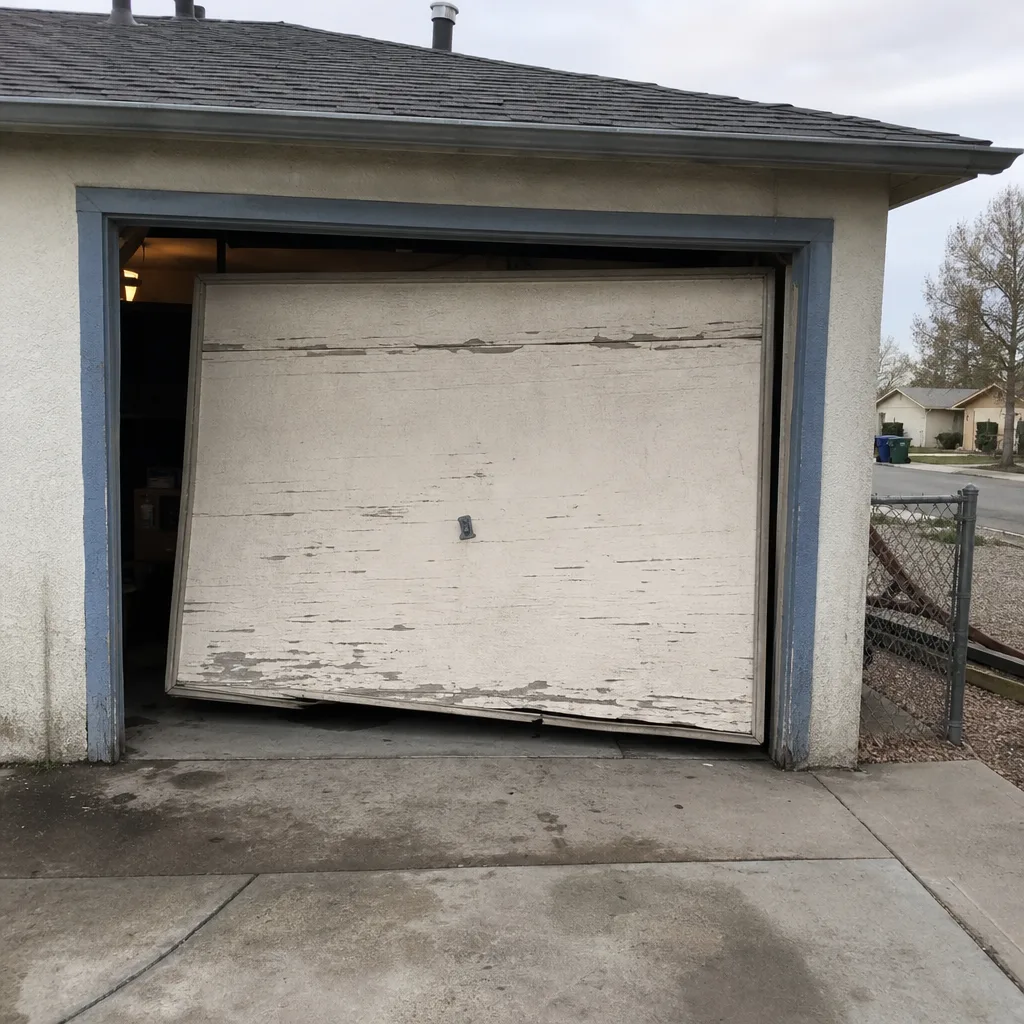 Before
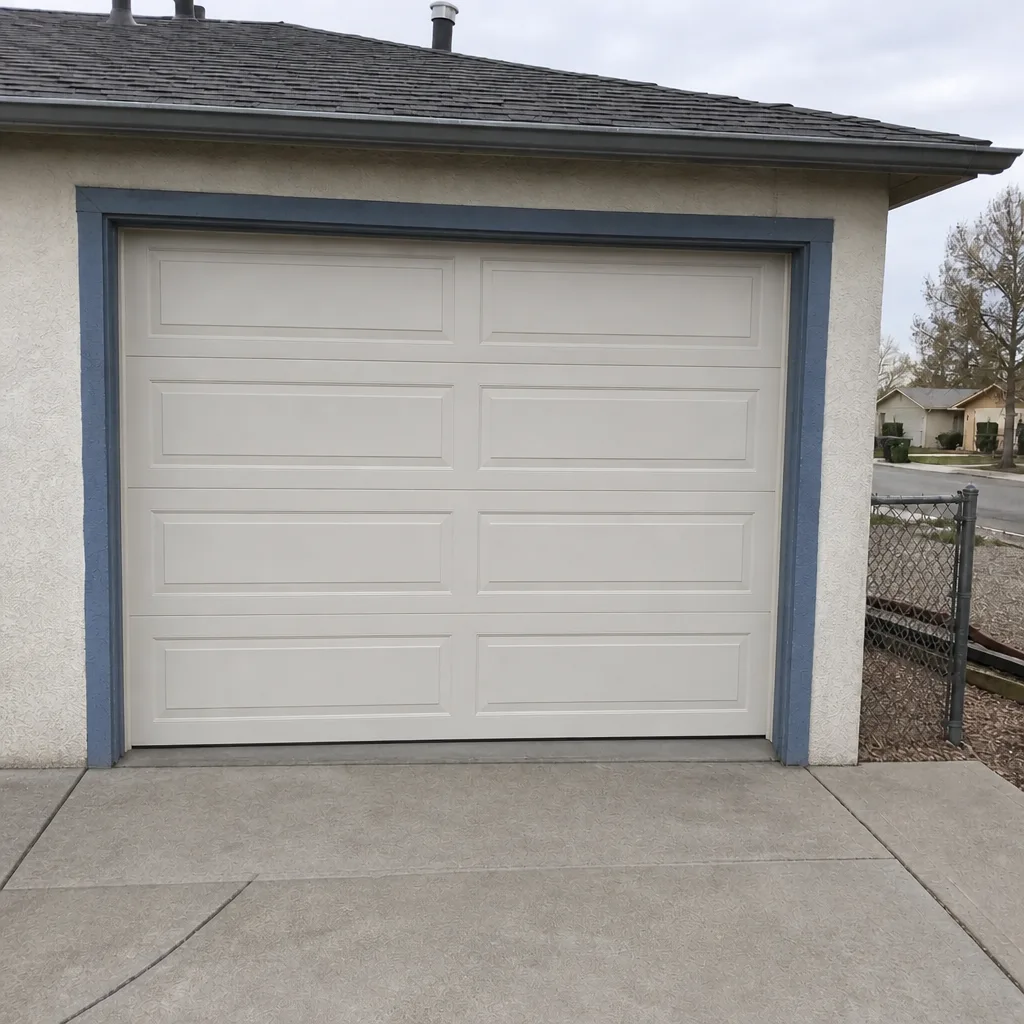 After
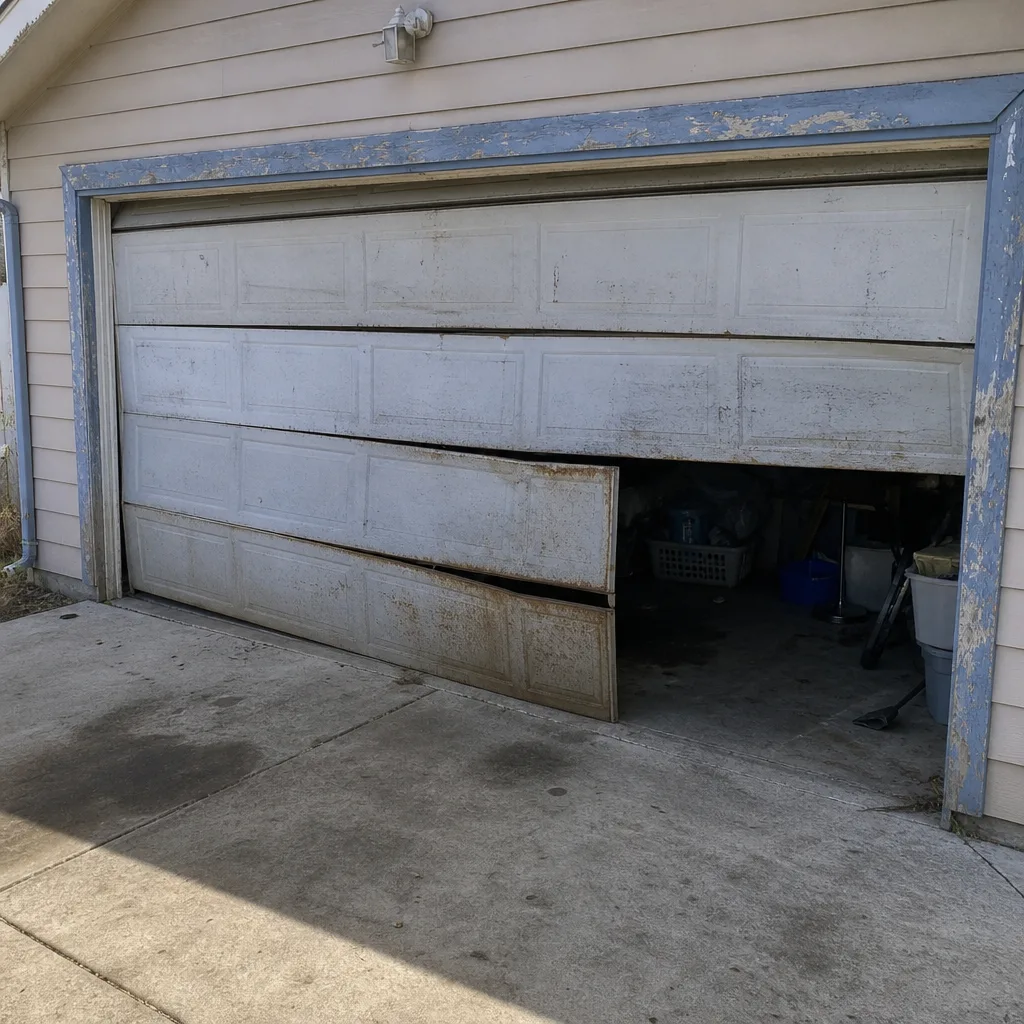 Before
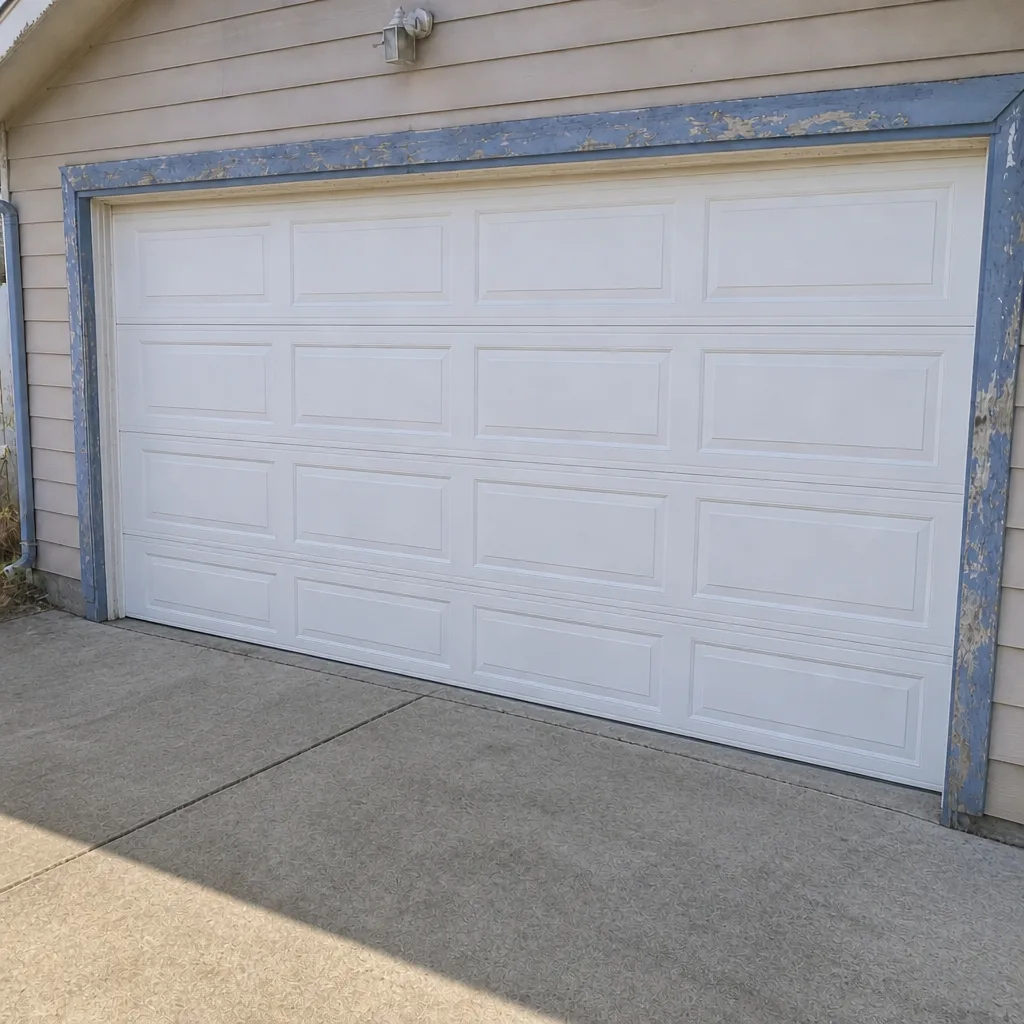 After
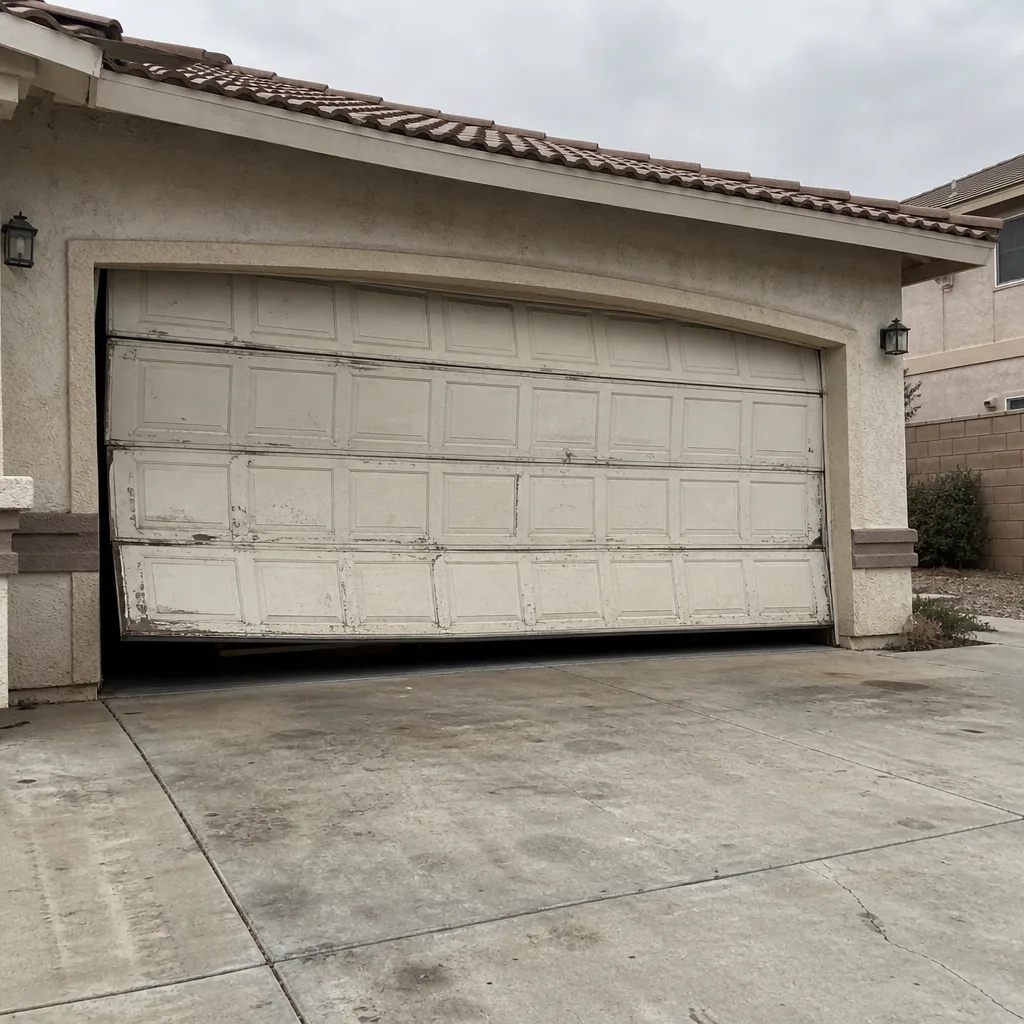 Before
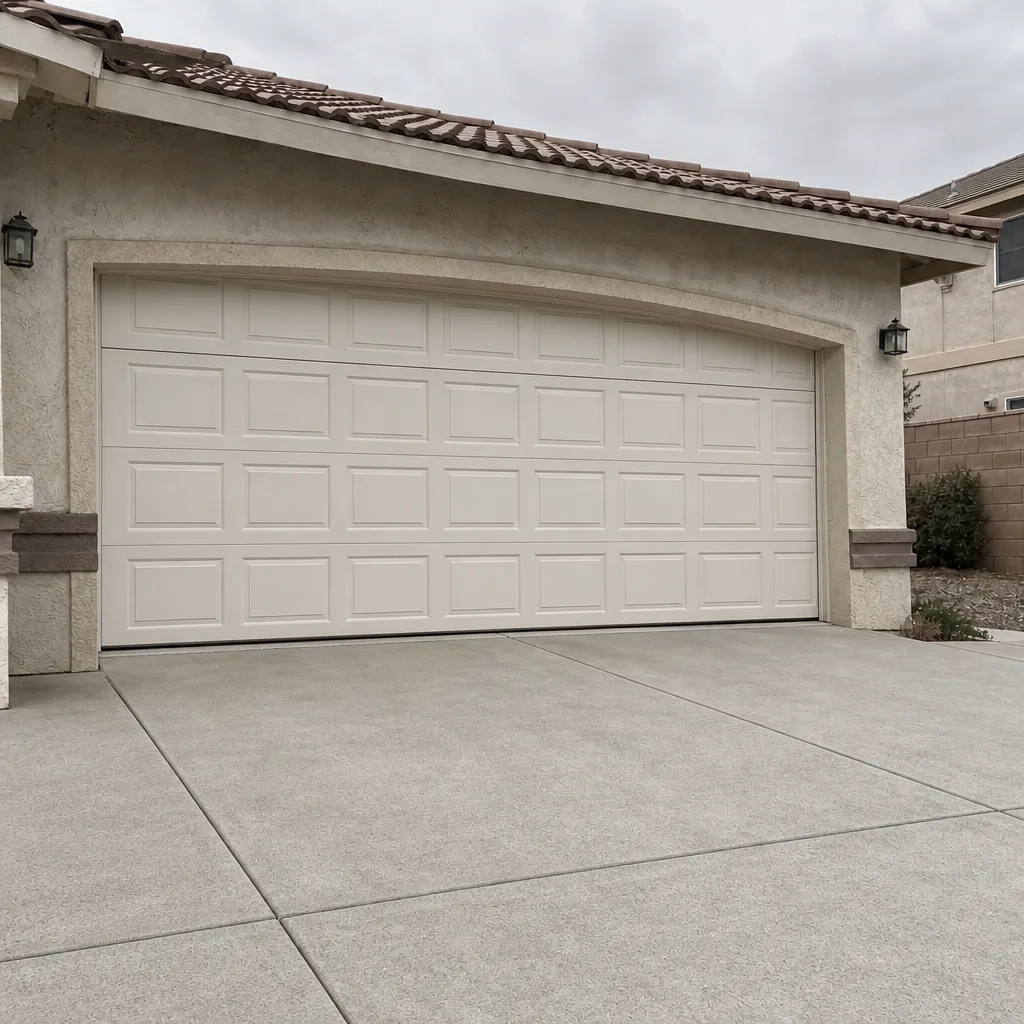 After
Common Mistakes to Avoid
- Assuming the opener is broken. Nine times out of ten the opener is reporting a mechanical problem – spring, track, or cable. Replacing the opener without fixing the underlying cause wastes money and usually ruins the new opener too.
- Greasing the tracks. Tracks should stay dry; the rollers and hinges get the lubricant, not the rails. Grease attracts the desert dust that grinds the rollers down, and we see this on roughly a third of pre-tune-up doors in Winchester.
- Trying to adjust a torsion spring yourself. This is the mistake that sends people to the hospital. There is no safe homeowner procedure for a spring under tension – leave it alone.
- Ignoring a small gap at the floor. A worn weather seal lets in the wind, the dust, and the occasional scorpion. The seal costs little to replace; the water damage under the slab costs a lot.
- Repeatedly resetting the opener after the door reverses. If the door reverses three times in a row, it’s telling you something specific is blocking the sensor, not that the reset button is faulty.
- Cutting a frayed cable loose. A partially severed cable is still under tension. If you cut it, the door can drop. Leave it and call.
- Waiting on a strange noise. A grinding door usually gets louder and more expensive. The earlier it’s looked at, the fewer parts the visit involves.
When to Call a Professional
Call a trained technician for anything involving springs, cables, or bottom brackets, and for any door that won’t lift, has dropped on one side, or has bent its tracks. Call the same day if a spring has snapped, a cable has failed at the bottom bracket, or the door has come off one of its tracks. Those aren’t tune-up items. They’re safety calls, and the safest move is to stop using the door until someone qualified has been out.
You can also call when a diagnosis is stuck. If you’ve checked the sensors, done the manual-disconnect test, and the door still does something you can’t explain, a phone conversation with a technician solves it faster than another hour in front of a video. Mainspring Garage Door Co. of Winchester offers free estimates in Winchester – call (888) 326-0817.
Frequently Asked Questions
It’s one of three things: an obstruction the safety sensor is reading, a sensor misaligned or hit by direct sun, or a travel-limit setting that needs adjustment. Check the sensor eyes for dust and webs first, then confirm they’re facing each other. If they’re clean and aligned and the door still reverses, the opener’s travel settings or the sensor wiring likely needs a technician’s eye. Call (888) 326-0817 for a free estimate.
Most spring replacements in Winchester run between $250 and $450 for a single torsion spring, including the part and labor. A pair of springs is often $400 to $650. Extension-spring replacement tends to run a little less. The exact price depends on the door’s weight and the spring’s wire gauge, and it’s quoted before any work starts. Call (888) 326-0817 for a free estimate on your door.
In most cases, yes. Doors that won’t open are usually spring or cable failures, and those are the jobs we prioritize. A technician arrives with springs, cables, and opener parts already on the truck, so most of these visits finish in one stop rather than two. Call (888) 326-0817 and we’ll tell you honestly what today looks like.
No. The flat price is quoted and agreed before any work begins, and it doesn’t change on the bill. If a technician finds something the photos didn’t show, you’ll hear about it before they touch a tool, not after. That’s the whole point of the upfront pricing. Call (888) 326-0817 for a free estimate.
Yes. All technicians are background-checked, uniformed, and insured, and each job is backed in writing by our 90-Day Done Right Promise. If something isn’t right after the visit, we come back at no charge – no paperwork, no arguing. Call (888) 326-0817 with any question before you book.
Yes, and usually in two places: the weather seal cracks faster here than in wetter climates (two to three years instead of five), and the dust that settles on the sensor lenses trips the safety reverse more often. An annual tune-up catches both. The spring’s metal fatigue is also slightly accelerated by the summer heat, so a door over seven years old is worth having looked at once a year. Call (888) 326-0817 to schedule a seasonal tune-up.
The Bottom Line
Most garage door calls don’t need a new opener. They need a proper diagnosis. Match the symptom to the subsystem – spring, cable, track, opener, sensor, seal – before you touch anything, and you’ll usually land on the right fix on the first visit. The manual-disconnect test separates mechanical from electronic. The three sensor causes – sun, splice, dust – explain most reversals. And a handful of photos plus one clear sentence gets you a real quote over the phone. For anything involving springs, cables, or a door that’s come off its track, call a professional. That’s not caution for its own sake; that’s the safe move. Visit the Mainspring Garage Door Co. Winchester home page to learn more about how we work.
If you’ve diagnosed your door and want a straight answer on the fix, call Mainspring Garage Door Co. of Winchester at (888) 326-0817 for a free estimate. A live person answers, the price is quoted before any work starts, and every job comes with the 90-Day Done Right Promise in writing.
Written by the team at Mainspring Garage Door Co. Winchester.