
Last updated November 18, 2026
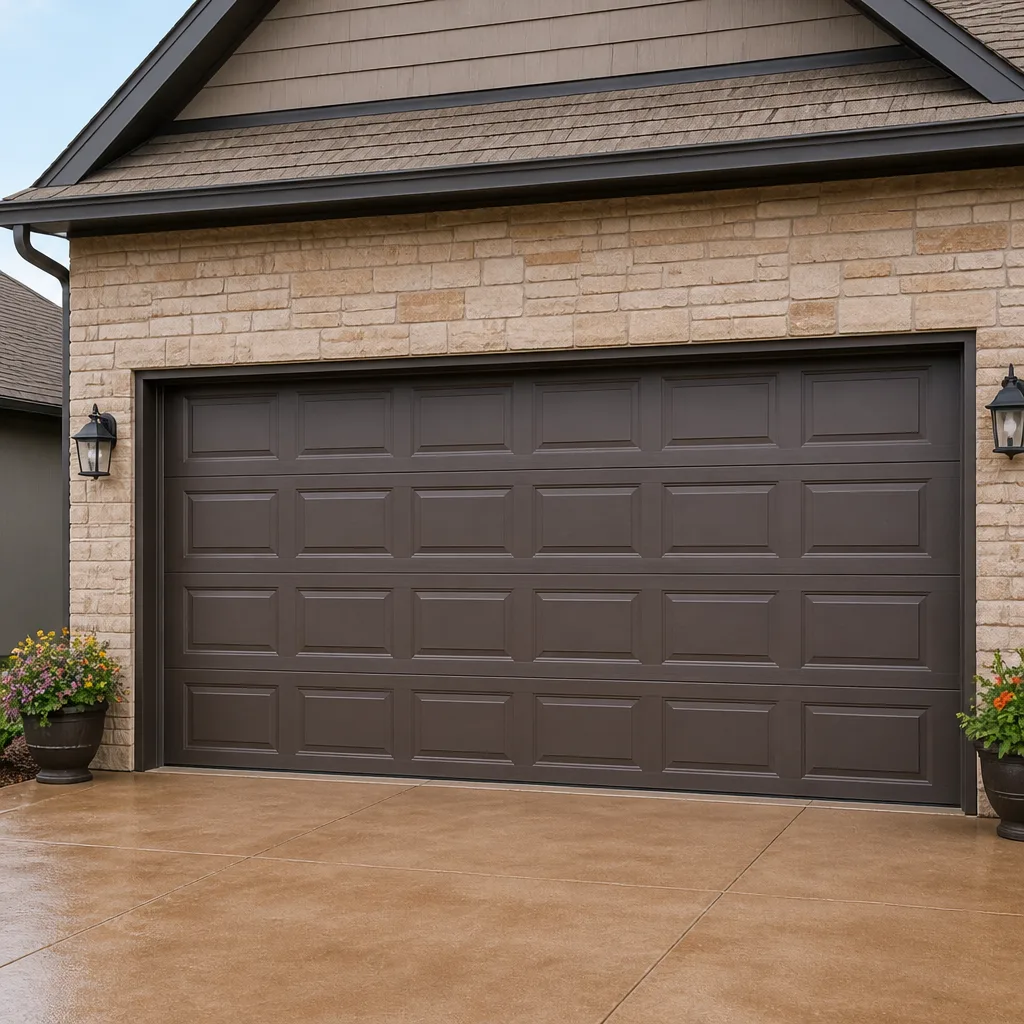 Raised-panel steel
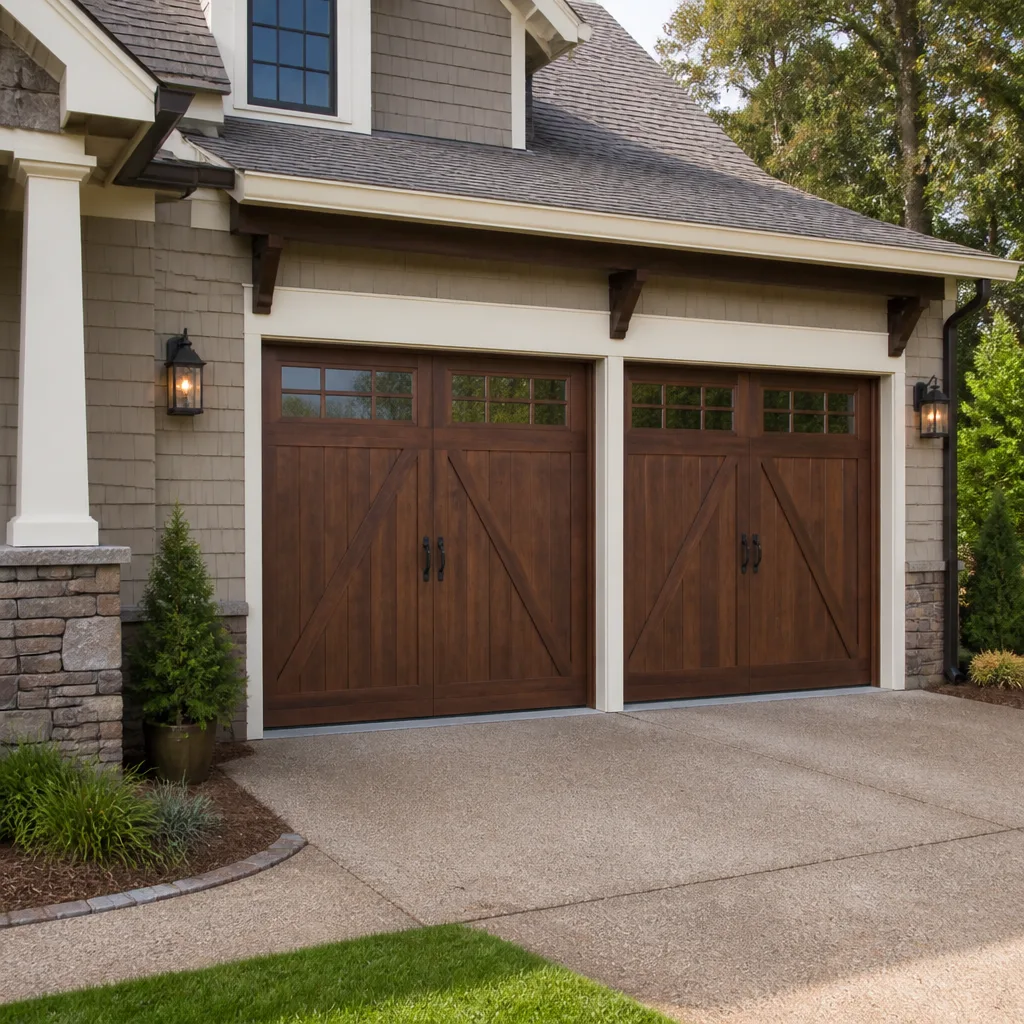 Carriage house
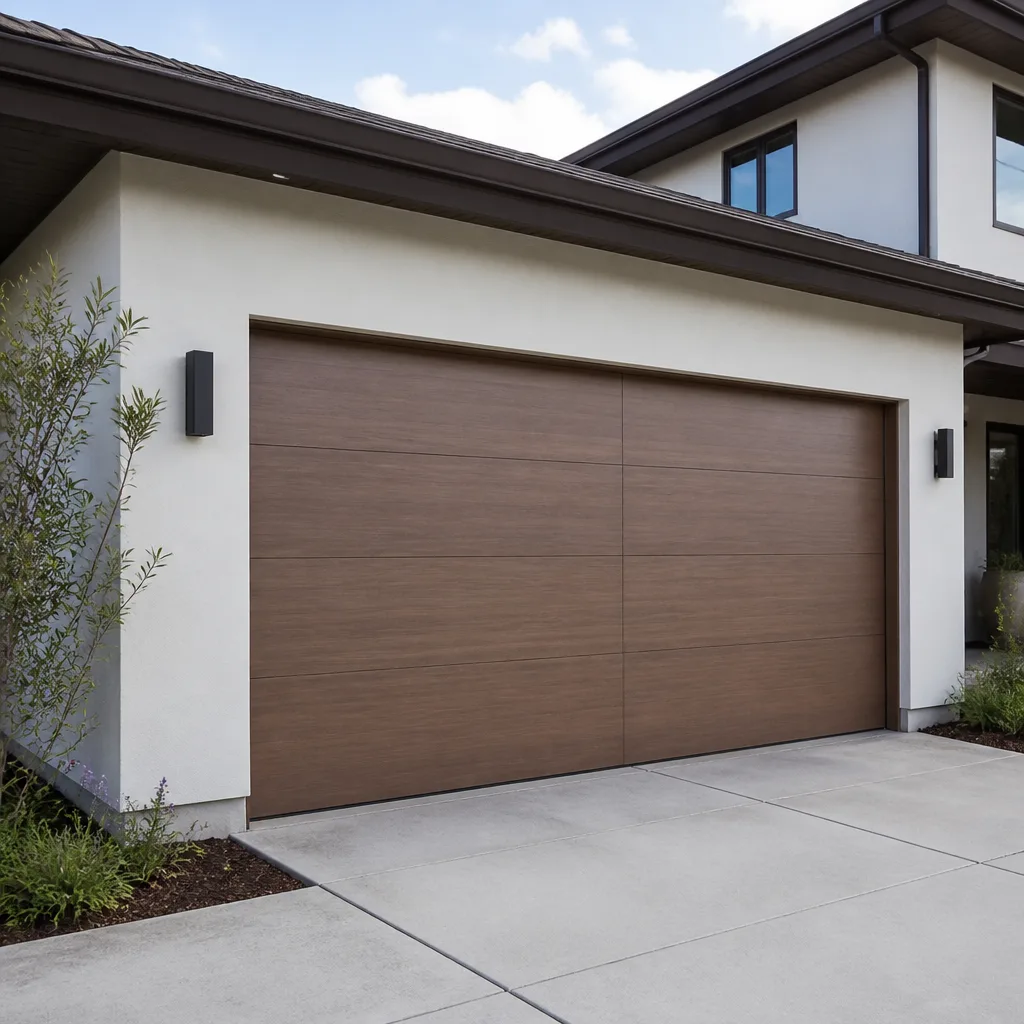 Modern flush
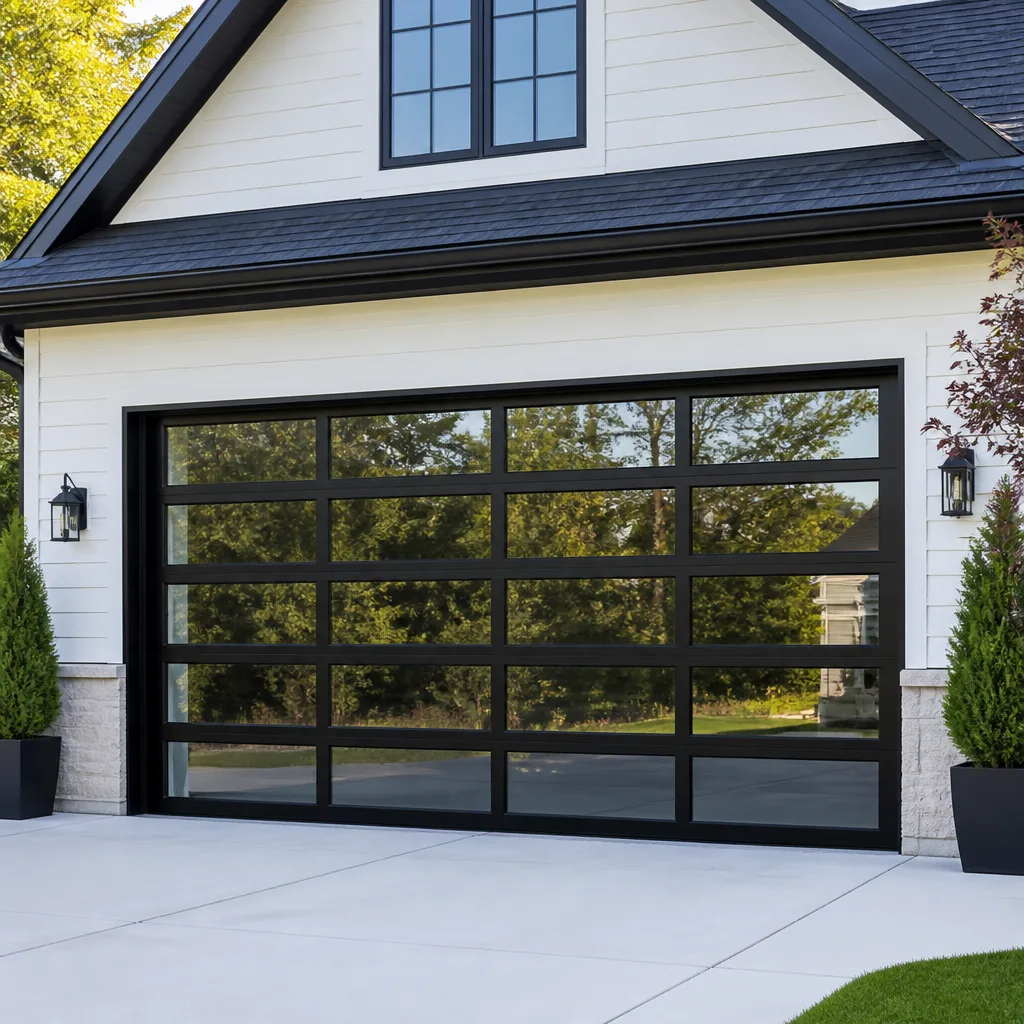 Full-view glass
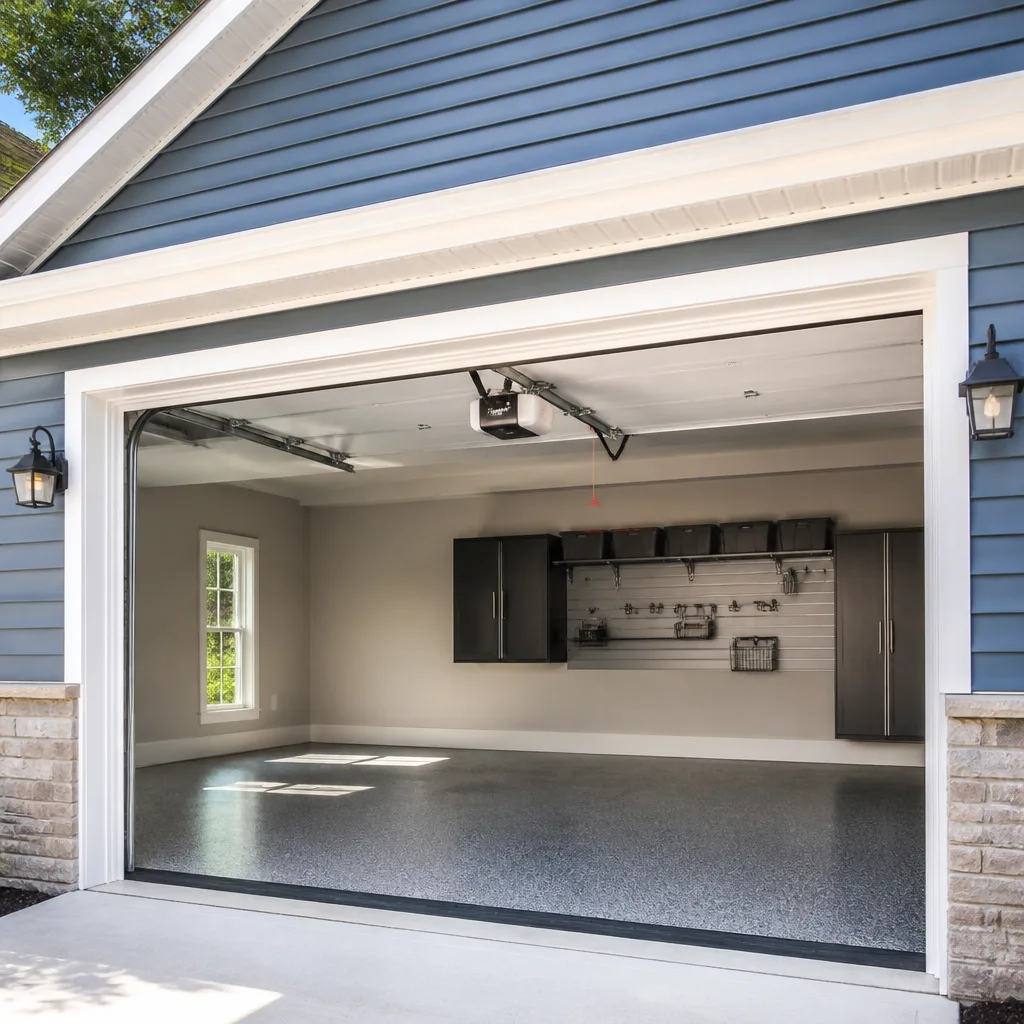 LiftMaster openers
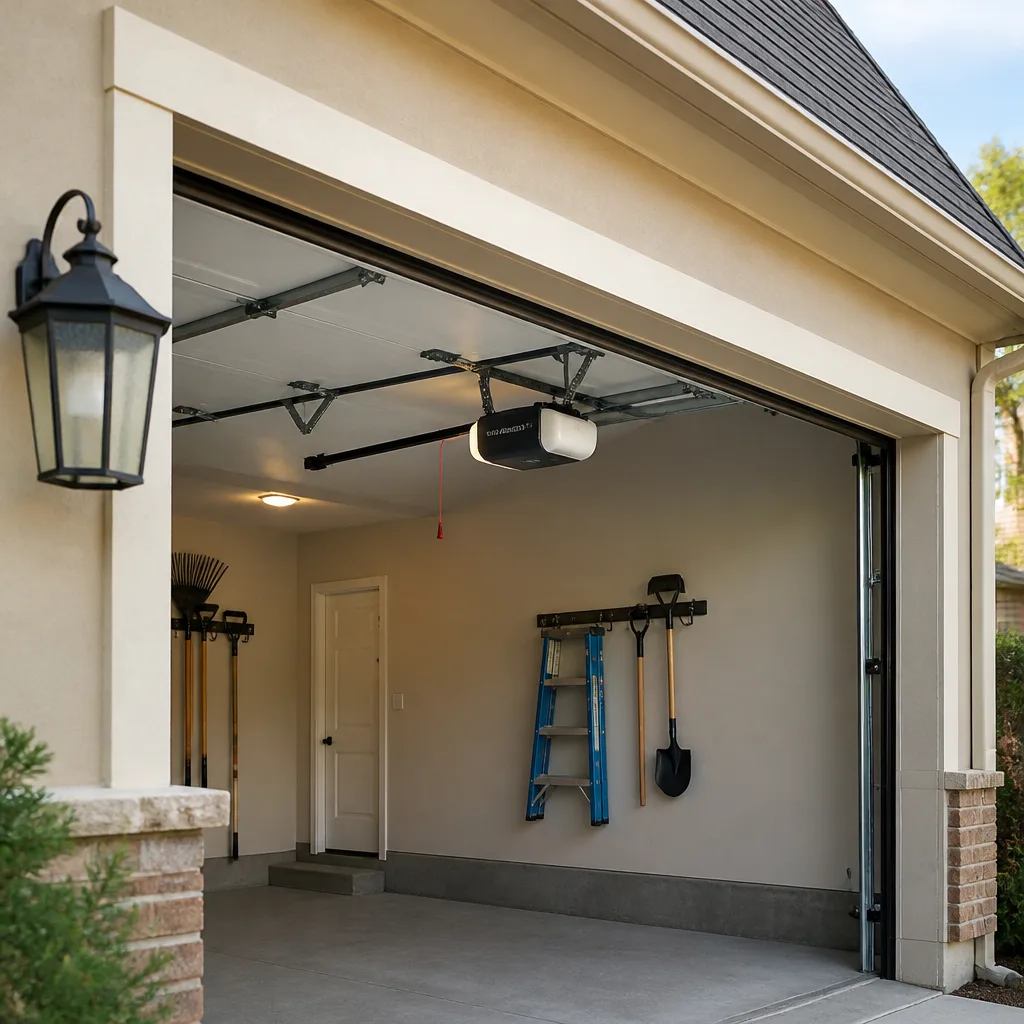 Chamberlain openers
Full 25-point door and opener safety check with every visit - springs, cables, rollers, tracks, and your LiftMaster or Chamberlain opener included
You get a price before we start. It does not change when the pro arrives.
Get your free estimateGarage Door Installation Troubleshooting: Common Problems and How to Fix Them
A new garage door that binds, rattles, or reverses unexpectedly is usually not defective. It’s the wrong door for the opening it was installed into, or the right door hung against a track set out of plumb. In our experience across Winchester, the failure shows up weeks after the installer leaves, and the cause was locked in before the first bolt was turned. This guide works backward from the symptoms you’re seeing now to the specification and setup decisions that produced them, so you can tell what’s a quick adjustment and what needs the installer back on site.
Quick Answer
Most post-installation garage door problems trace to one of four upstream causes: a door specified for the wrong opening size or weight, a track set out of plumb or out of square, a header bracket mounted in the wrong place, or an opener paired to a door it wasn’t rated for. Fixes range from a 15-minute homeowner adjustment to a warranty call. Bind and rattle usually mean track or bracket error, not a bad panel, and that’s the first thing to diagnose.
Styles & brands we work with
- Raised-panel steel
- Carriage house
- Modern flush
- Full-view glass
- LiftMaster openers
- Chamberlain openers
Table of Contents
- Why Does My New Door Bind or Rub?
- Opener-to-Door Mismatches That Cause Immediate Cycle Failures
- The Door Works but It’s Loud: What Was Skipped
- Weather Seal Gaps: Seal Problem or Track-Plumb Problem?
- Is the Opening Out of Square? How to Tell
- Escalation Checklist: Fix It Yourself or Call the Installer Back
- Why Winchester Installations Fail Differently
Why Does My New Door Bind or Rub?
Binding is the most common post-install complaint, and it almost never comes from a bad door. Follow the symptom to its source before you touch anything.
Start with the track. A track that’s off plumb by even a quarter inch over its run will pull the door against one side. Stand back and sight down each vertical track from the floor up. The gap between the track and the door edge should stay the same top to bottom. If it pinches near the top or opens up near the bottom, the track is out of plumb.
Then check the header bracket. This is the steel bracket bolted above the opening that holds the torsion bar or the opener rail. If it’s mounted off-center, the door binds on the side opposite the offset. If it’s mounted too low or too high, the door tilts as it travels. Header bracket placement errors are one of the most common things we find on a second-opinion call in Winchester, and they’re easy to spot: the door hangs level when closed but pulls to one side as it rises.
Finally, check the opening itself. An opening that’s out of square – one diagonal longer than the other by more than about half an inch – forces the installer to shim the track, and if the shim job is sloppy the door binds by design. Measure both diagonals from corner to corner inside the opening. They should match.
Binding symptom-to-cause cheat sheet
- Binds on one side only, worse near the top: vertical track out of plumb or header bracket off-center.
- Binds evenly on both sides, worse in cold weather: door specified too wide for the opening, or weatherstripping installed too tight.
- Binds only in the middle of travel: horizontal track sagging, or a roller out of its hinge.
- Binds and pops loudly: a hinge or roller issue, or a cable out of its drum. Stop operating the door and call.
Opener-to-Door Mismatches That Cause Immediate Cycle Failures
An opener that cycles the door partway and reverses, or that won’t close the door at all, is often matched wrong to the door rather than broken. Three mismatches cause almost every case.
- Horsepower too low for door weight. A single-car door or a lightweight aluminum door runs fine on a 1/2 HP opener. A double-car insulated steel door from Clopay or Amarr, especially one with glass, can be too much for it. The opener strains, the safety reverse trips, and the cycle fails a few inches up. The fix is a higher-rated unit, not a repair.
- Belt vs. chain drive chosen against the door’s behavior. Belt-drive openers from LiftMaster or Chamberlain run quieter, but on a heavy door with a slight bind, the belt is more likely to slip or trip the force limit than a chain drive would. If the door binds, the opener isn’t the root problem.
- Opener rail length wrong for the door travel. A rail cut too short limits travel so the door never fully reaches the closed position, and the opener reverses on the limit switch. A rail that’s too long leaves the carriage slamming into the stop.
Force limits and travel limits are set at installation, and they drift. If the door cycled fine for the first week and now reverses, suspect a limit setting that was never dialed in properly. Getting a Garage Door Opener in Winchester properly matched to the door’s weight and travel is the specification step that prevents all three, and it should happen before the opener is boxed, not after.
The Door Works but It’s Loud: What Was Skipped
A noisy new door is a door that works but was finished in a hurry. Every loud installation we’ve looked at in Winchester has at least one of these skipped steps behind it.
- Hinges and rollers not lubricated. Factory rollers ship dry. A new door should be greased at every hinge and roller before the installer packs up. If you can hear metal on metal, it wasn’t done.
- Nylon rollers swapped for steel to save a few dollars. Steel rollers are louder by nature. If you wanted a quiet door and got steel rollers, that’s a specification miss.
- Panels not tightened evenly. A hinge bolted snug on one side and loose on the other rattles as the door travels. The fix is a torque pass across every hinge, not a blanket tightening.
- No vibration isolators on the opener. An opener bolted straight to a ceiling joist transmits motor noise through the whole house. Rubber isolators cost very little and make a disproportionate difference.
- Torsion springs wound too tight. A door with overly tensioned springs slams the last few inches and drums the whole frame. This one needs a technician.
Safety caveat here: torsion springs and the cables they control are under enough tension to cause serious injury, and we do not recommend homeowners adjust them. If the door slams or the noise is coming from above the door rather than from the panels, keep the door closed and call a trained professional.
Weather Seal Gaps: Seal Problem or Track-Plumb Problem?
A gap at the bottom or sides of a new door looks like a seal problem. Often it isn’t.
The bottom seal. A gap under the bottom weatherstripping that’s even all the way across is a seal issue. The bottom retainer may be mounted too high, or the seal was cut short. That’s a quick fix.
A gap that’s wider on one side than the other. That’s a track-plumb or header bracket problem showing up at floor level. If the vertical tracks aren’t plumb, the door sits cocked in the opening even when it looks closed, and one corner of the seal lifts off the floor. The same is usually true of side gaps that widen as you go up.
Side seals that don’t sit flush. The vertical weatherstripping is held by a retainer nailed to the jamb. If the jamb is out of plumb, the retainer follows it and the seal gaps. Fixing the track without fixing the jamb won’t close the gap.
Before you blame the seal, sight the vertical track the way we described above. If the track is plumb and the gap still runs even, the seal is the problem. If the track is off, the seal was never going to fit.
Is the Opening Out of Square? How to Tell
An out-of-square opening is the specification error that causes the most downstream problems and is discovered the least often. Here’s how to check, using a tape and no tools.
- Measure the opening’s width at the top left corner and again at the bottom left corner. They should match within a quarter inch.
- Measure the diagonal from the top left corner to the bottom right corner. Write the number down.
- Measure the diagonal from the top right corner to the bottom left corner. Compare to the first diagonal.
- A difference of more than about half an inch means the opening is out of square. The installer will have had to shim to correct, and a rushed shim job is a binding door waiting to happen.
If the opening is out of square, that’s not a door defect and it isn’t a warranty item against the door manufacturer. It’s a framing issue, and the right solution is to square the opening before a new door is ordered, or to specify the door with the track tolerance in mind. Discovering that a door was ordered for a square opening and installed into an out-of-square one is exactly the kind of problem that turns a two-week install into a five-week project. It’s also why a proper measure up front matters more than anything in this guide.
Escalation Checklist: Fix It Yourself or Call the Installer Back
Not every post-install problem needs a return visit, and knowing which is which saves time and arguments. Use this checklist to sort it out.
| Problem | Likely cause | Self-correct or warranty call |
|---|---|---|
| Bottom seal gap even across the door | Seal too high or cut short | Self-correct or quick re-visit |
| Bottom seal gap wider on one side | Track out of plumb | Warranty call |
| Door binds on one side near the top | Header bracket off-center or track out of plumb | Warranty call |
| Door rattles | Loose hinges, dry rollers | Self-correct (lubricate, snug bolts) |
| Opener reverses partway up | Force limit or travel limit not set correctly, or opener undersized | Warranty call |
| Door slams the last few inches | Torsion springs wound too tight | Warranty call – do not touch |
| Loud metal-on-metal from above the door | Springs or bearings | Warranty call – do not touch |
| Door sits cocked in the opening | Openings out of square, shimming wrong | Warranty call |
If you’re within the installer’s warranty window, put the call in writing with the symptoms, not the diagnosis. Say what the door does, when it started, and what the door weight and opener model are. The installer can decide the rest. When you’re getting a Garage Door Installation in Winchester measured, the specification conversation should cover door weight, opener rating, and opening squareness before anything is ordered. That’s where the problems we see in Winchester start.
Why Winchester Installations Fail Differently
Winchester sits at the edge of the Mojave, and that changes which installation problems show up first. Summer temperatures regularly run over 100 degrees. Doors that were fine in April start binding and popping in July, and homeowners blame the installation. Often the culprit is thermal expansion: steel panels grow slightly and the track set has to allow for it. A track bolted rigid with no expansion tolerance will bind in summer and be fine again in November.
Dry air matters too. Weatherstripping and seals dry and crack in the heat, and a door that sealed well at install can start showing gaps at the bottom and sides within a year. We’re not naming that as a defect; it’s the climate doing its work, and it means seal inspection belongs on a seasonal to-do list here.
Wind is the third variable. The eastern edge of the valley catches gusts that a lightweight door will slap against, and the fix is often a heavier door or a reinforced hinge set rather than anything an installer did wrong. If your door is in the path of afternoon wind and rattles when it’s closed, look at the door weight specification first and the hinges second. Getting this sorted at measure time is why we put a lot of weight on the measure before the order – it’s the cheapest place to prevent a problem that turns up six months later.
One more Winchester note: much of the housing stock here is newer than the door hardware in it. A door that was installed in a home built fifteen years ago may have an opener from a different era, and the pairing matters. A Genie unit from an earlier install won’t always play nice with a newer door’s weight distribution. If you’re replacing the door and keeping the opener, have the rating checked against the new door’s weight before the panels arrive.
Common Mistakes to Avoid
- Ordering the door before measuring the opening. The most expensive mistake. Measure width, height, and both diagonals before the order is placed. In Winchester’s newer subdivisions, openings are usually square; in older homes, do not assume they are.
- Keeping an old opener with a new heavier door. A perfectly good LiftMaster opener can still be undersized for a new insulated steel door. If you’re replacing the door, check the opener rating at the same time. Pairing wrong is a cycle-failure waiting to happen.
- Judging a door by the first two weeks. A door that’s quiet in April and noisy in July may be a thermal-expansion issue, not a bad install. Give it a full seasonal cycle before you lodge a warranty complaint, and note when the problem started.
- Letting the installer skip the lubrication pass. Ask, in plain terms, whether every hinge and roller got greased before the crew left. If the answer is vague, do it yourself with a lithium grease. This single step prevents most rattle complaints.
- Sealing a gap before checking track plumb. A bottom seal that’s wider on one side is a track problem, and replacing the seal won’t fix it. Sight the vertical track first.
- Assuming a bind means a defective door. Almost always it means track or header bracket placement. That’s a re-visit, not a new door.
- Adjusting the torsion springs yourself. High-tension springs and cables can cause serious injury. Lubricate, snug hinges, and clean, and leave the springs to a trained technician without exception.
See the difference
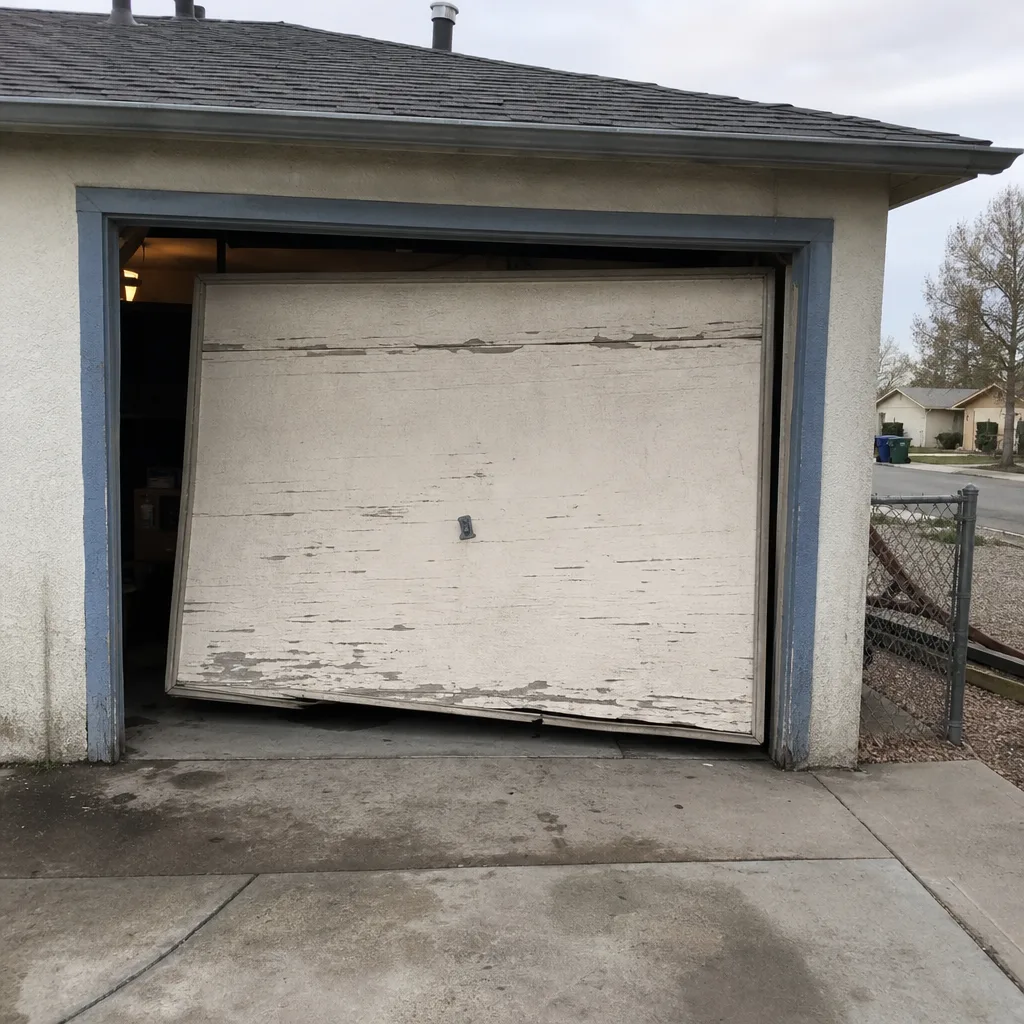 Before
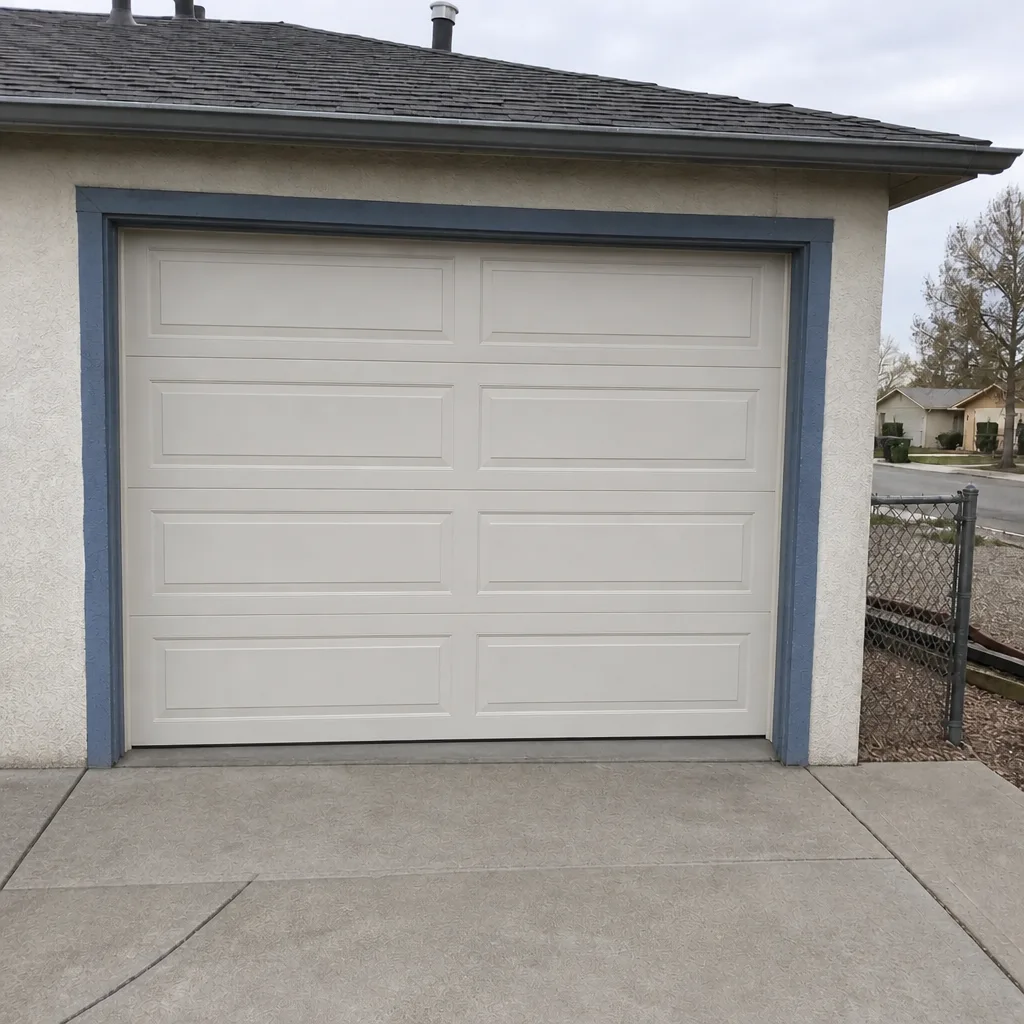 After
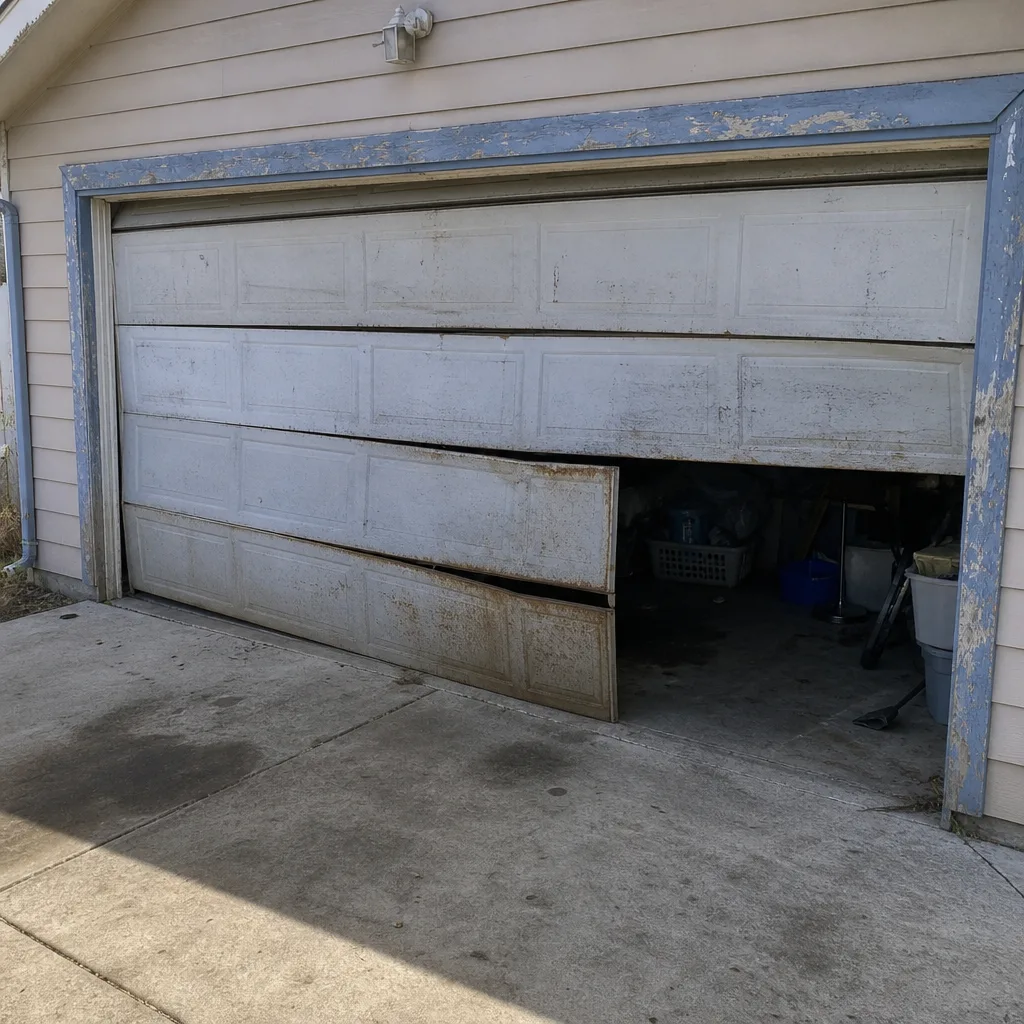 Before
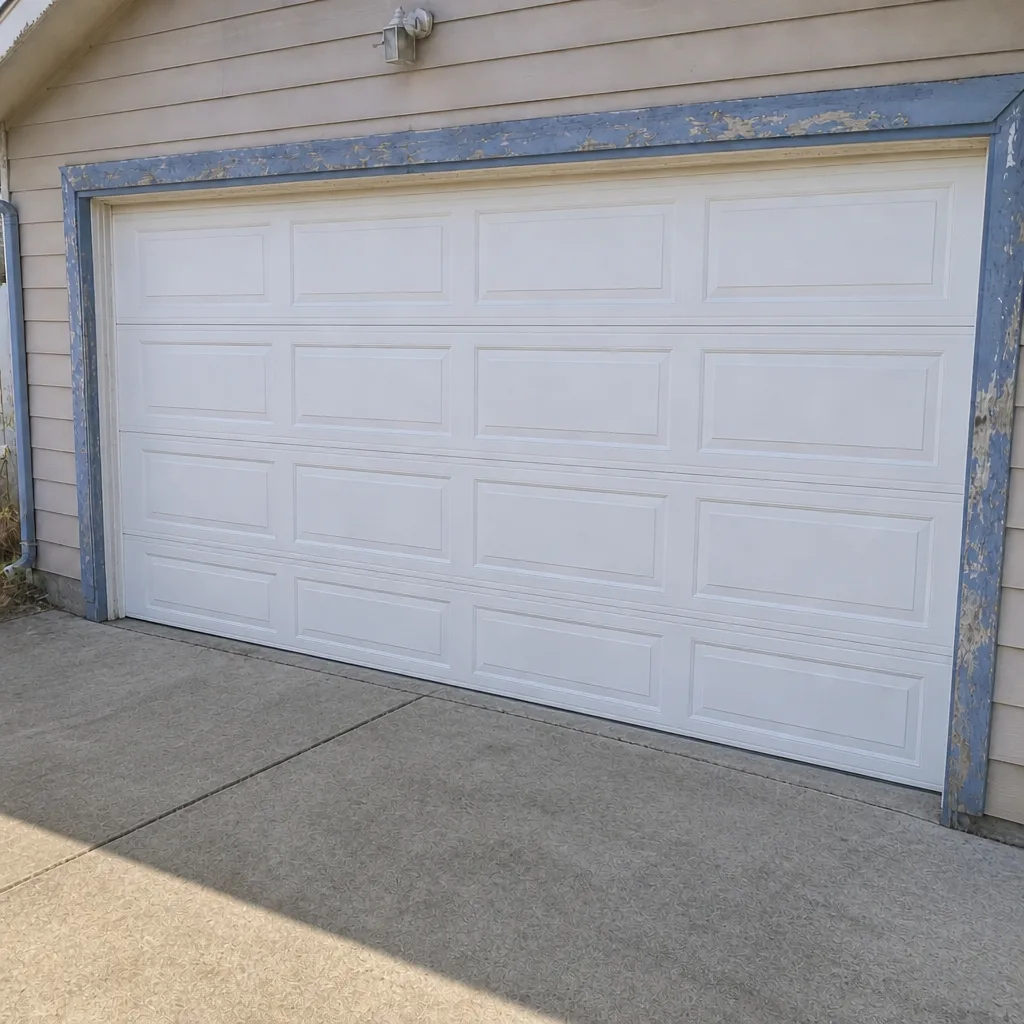 After
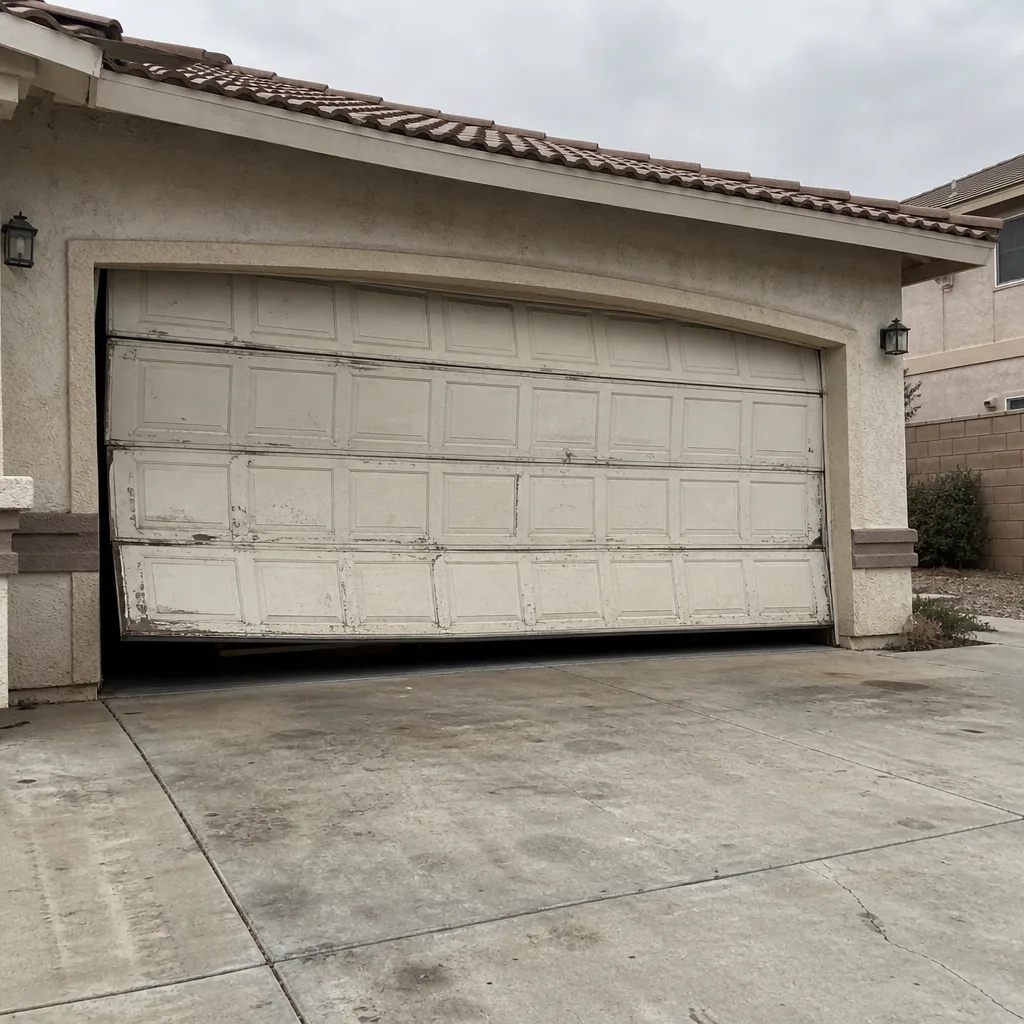 Before
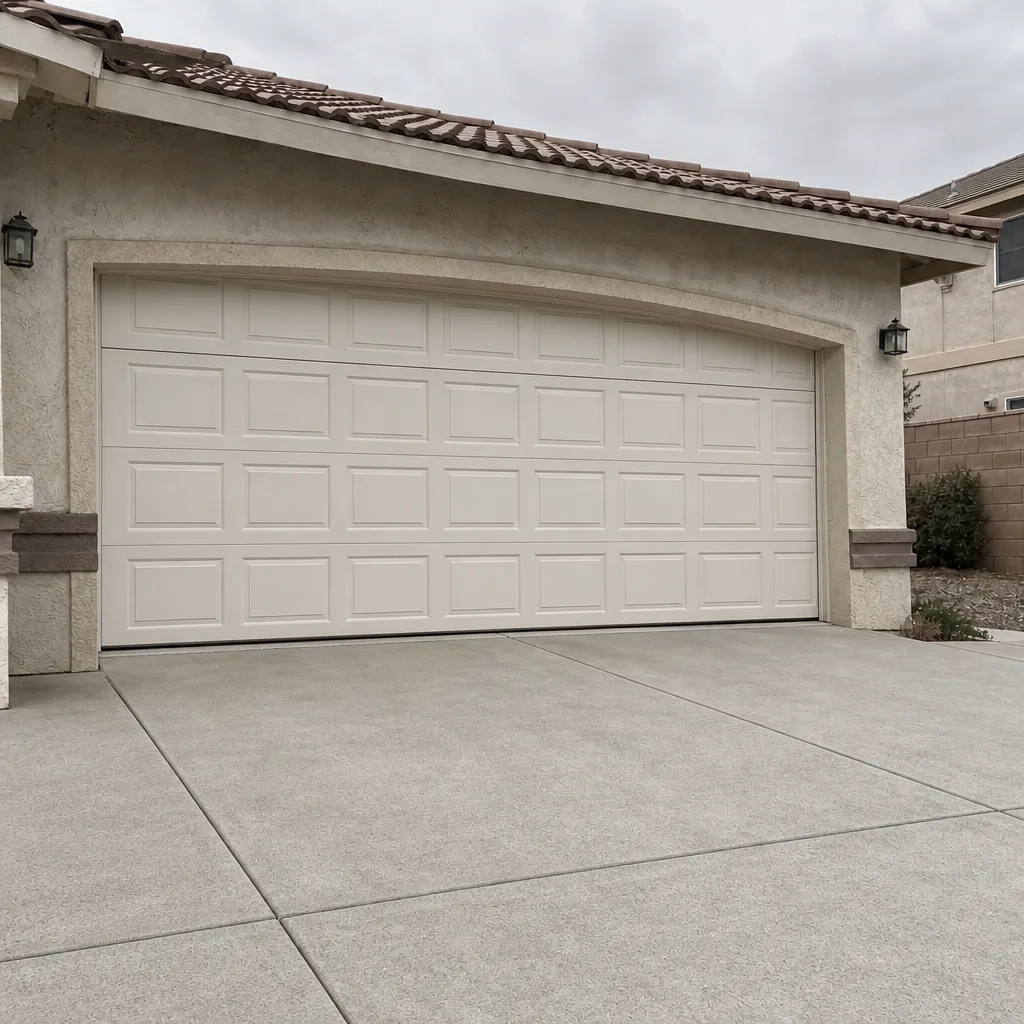 After
When to Call a Professional
Lubrication, snugging a loose hinge, and sighting the track are things you can do. Springs, cables, header brackets, and opener limit settings are not. If the door slams, pops, hangs cocked, or the opener reverses partway up, keep the door closed and call. Those symptoms point at spring tension, cable position, track alignment, or limit settings, and none of them should be handled by a homeowner. The same is true of the seal gaps that look like a track problem – fixing the track is a technician’s job with the right alignment tools.
If you’ve just had a door installed and the installer isn’t returning calls, a second opinion tells you whether the problem is the install or the specification, and that framing helps you know what to ask for. Mainspring Garage Door Co. Winchester offers free estimates and a free second opinion on any written estimate in Winchester. Call (888) 326-0817. Every completed job is backed by our 90-Day Done Right Promise in writing, and with up to 10 years of experience on our technicians, we’ve seen every one of these failure modes before.
Frequently Asked Questions
Almost always because the vertical track is out of plumb or the header bracket is mounted off-center. A door that binds on one side and looks fine when closed is showing a track-geometry problem, not a defective panel. If the binding started in the first few weeks, call the installer back under warranty. Call (888) 326-0817 for a free second opinion if you’re unsure whether the problem is the install or the door.
Most often the force limit or travel limit was not set correctly at installation, or the opener is undersized for the door’s weight. A 1/2 HP opener on a heavy double-car insulated steel door is a common pairing error in Winchester, and the fix is a higher-rated unit from a factory-familiar brand like LiftMaster or Chamberlain. Call (888) 326-0817 and we’ll help you sort out which it is.
No. A new door should run quiet. If it rattles or sounds like metal on metal, either the hinges and rollers weren’t greased before the crew left, or the springs are over-wound. Lubrication you can do yourself; spring tension you should not touch. If the noise comes from above the door rather than the panels, call (888) 326-0817.
You can replace the bottom seal, but only if the gap is even across the door. If the gap is wider on one side, the track is out of plumb and the seal was never going to fit. In that case you need a technician. In Winchester the dry heat also dries seals faster than in wetter climates, so seal inspection should happen every spring. Call (888) 326-0817 if the gap is uneven.
Measure both diagonals from corner to corner inside the opening. If they differ by more than about half an inch, the opening is out of square and you need to account for it before the door is ordered. This is the single most useful measurement to take in Winchester before an install. It’s also the first thing a good measure-up will check. Call (888) 326-0817 to schedule a free measure.
Yes. Every completed installation is covered by our 90-Day Done Right Promise: if the work isn’t right, we return at no charge, in writing, with no dispute. That covers the installations we perform and the post-install problems this guide describes. Call (888) 326-0817 to get your problem on the calendar.
The Bottom Line
Almost every post-install garage door problem in Winchester traces back to a decision made before the first bolt: door size and weight for the opening, opener rating for the door, track and header bracket placement, and whether the opening was square to begin with. Diagnose the symptom first – bind, rattle, seal gap, cycle failure – then trace it to the upstream cause. Lubricate and snug what you can. Leave springs, cables, header brackets, and limit settings to a trained technician. And if the installer won’t come back, a free second opinion protects you from paying twice.
Mainspring Garage Door Co. is a Winchester trade shop, and we answer the phone around the clock because garage door problems don’t keep business hours. Call (888) 326-0817 for a free estimate – the flat price is stated before any work starts, and we stand behind it. Most jobs get finished in a single visit because the right parts come on the truck. You’ll get the same answer for a broken spring on a Tuesday night as you will for a new door quote on a Saturday morning. Visit our Mainspring Garage Door Co. Winchester home for the full picture, or jump straight to Garage Door Repair in Winchester if something needs fixing today.
Written by the team at Mainspring Garage Door Co. Winchester.