
Last updated November 18, 2026
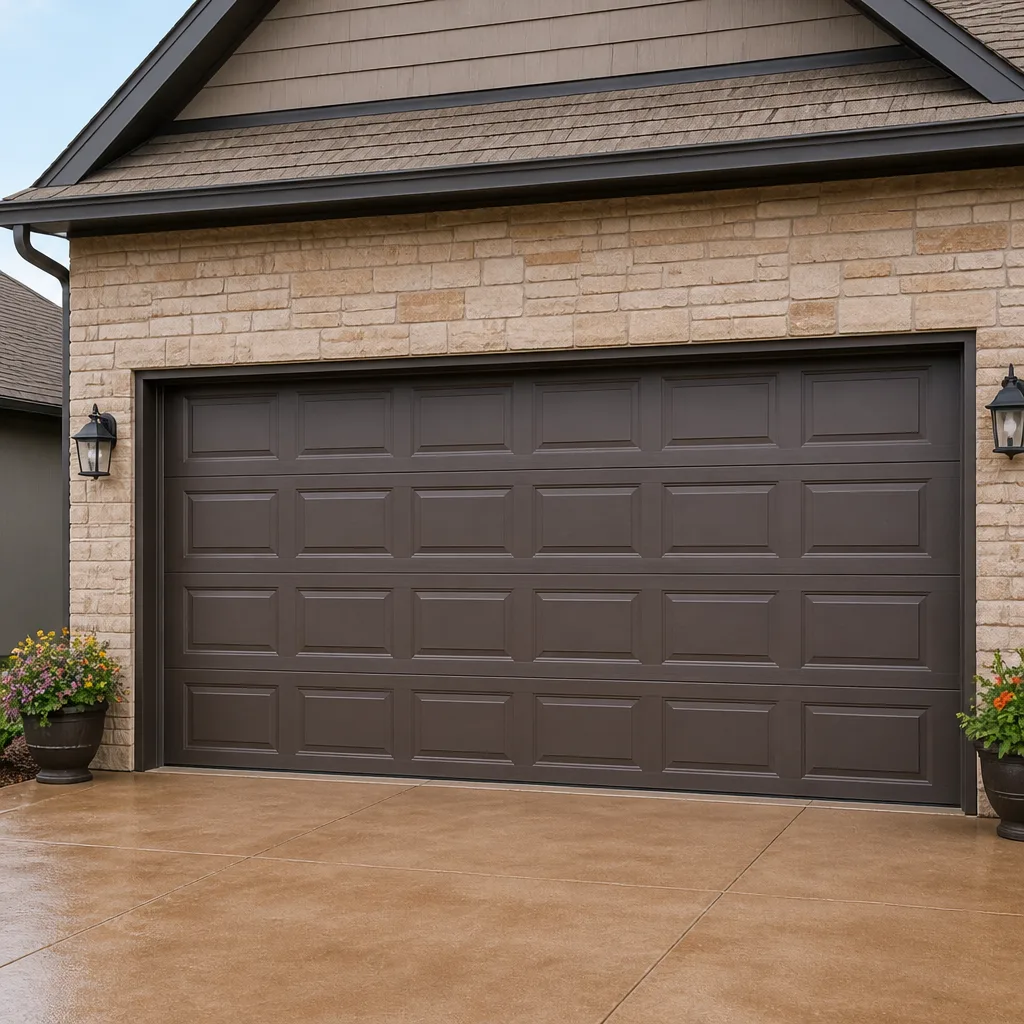 Raised-panel steel
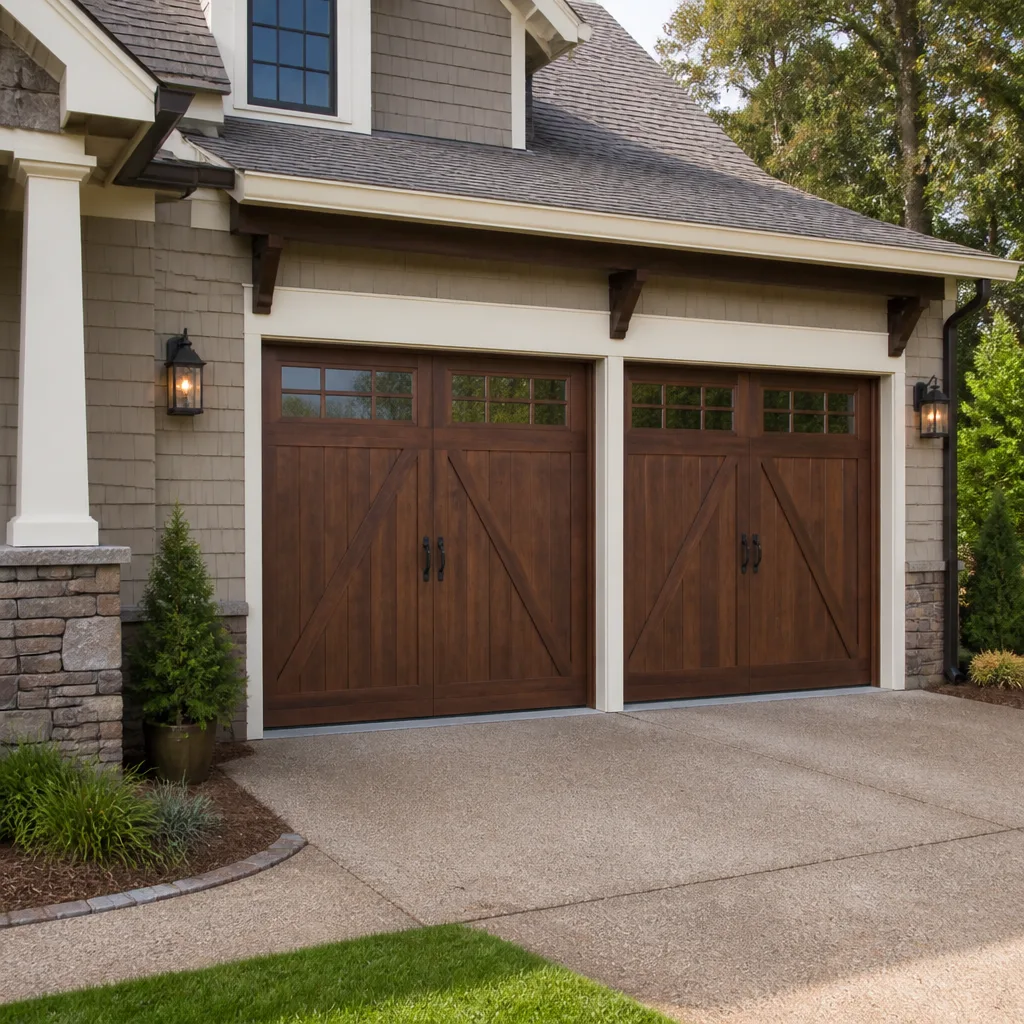 Carriage house
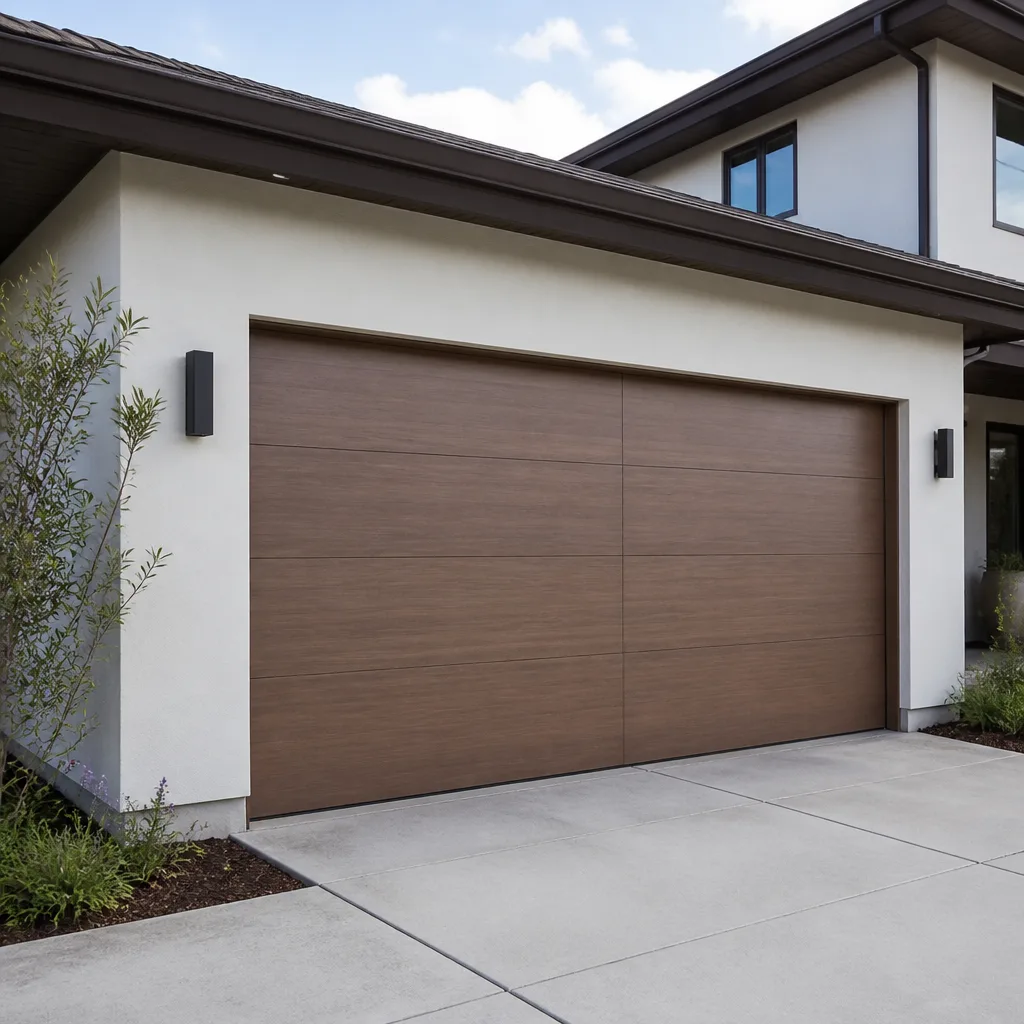 Modern flush
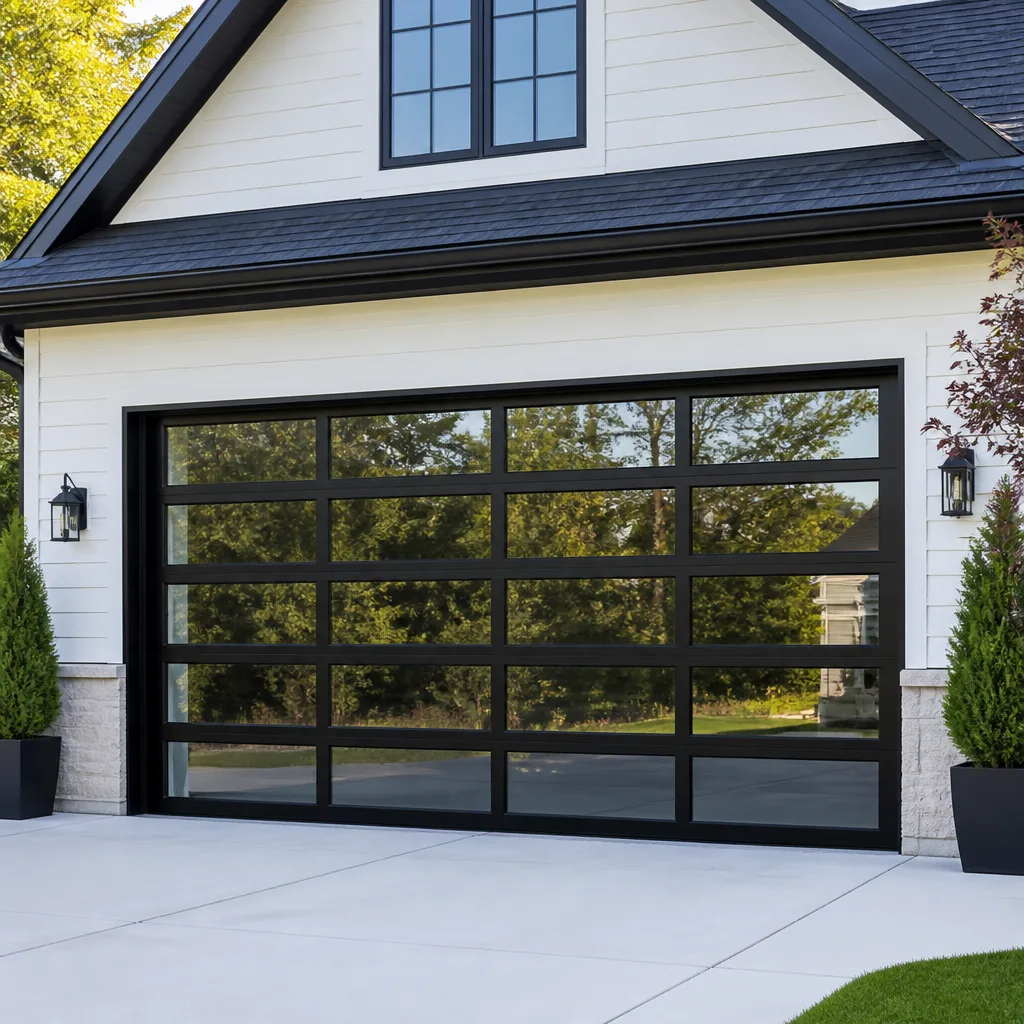 Full-view glass
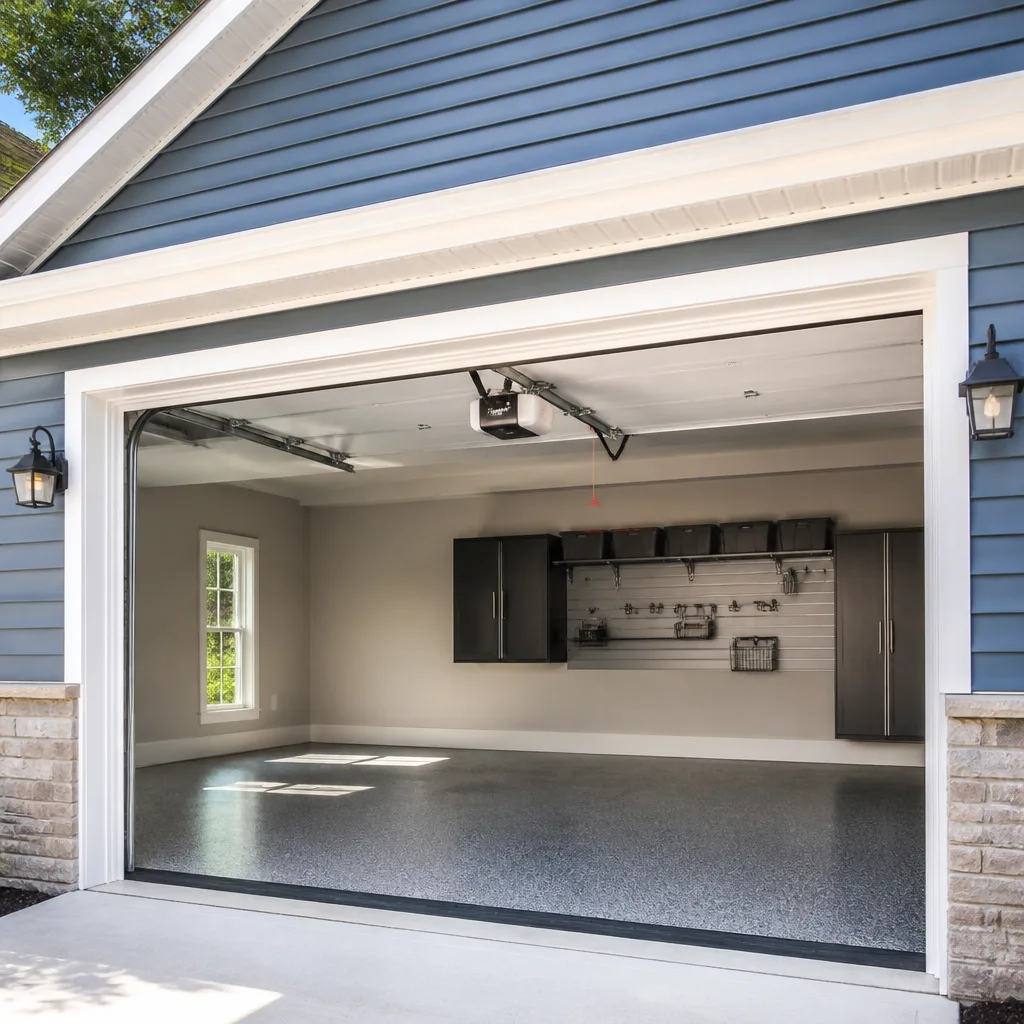 LiftMaster openers
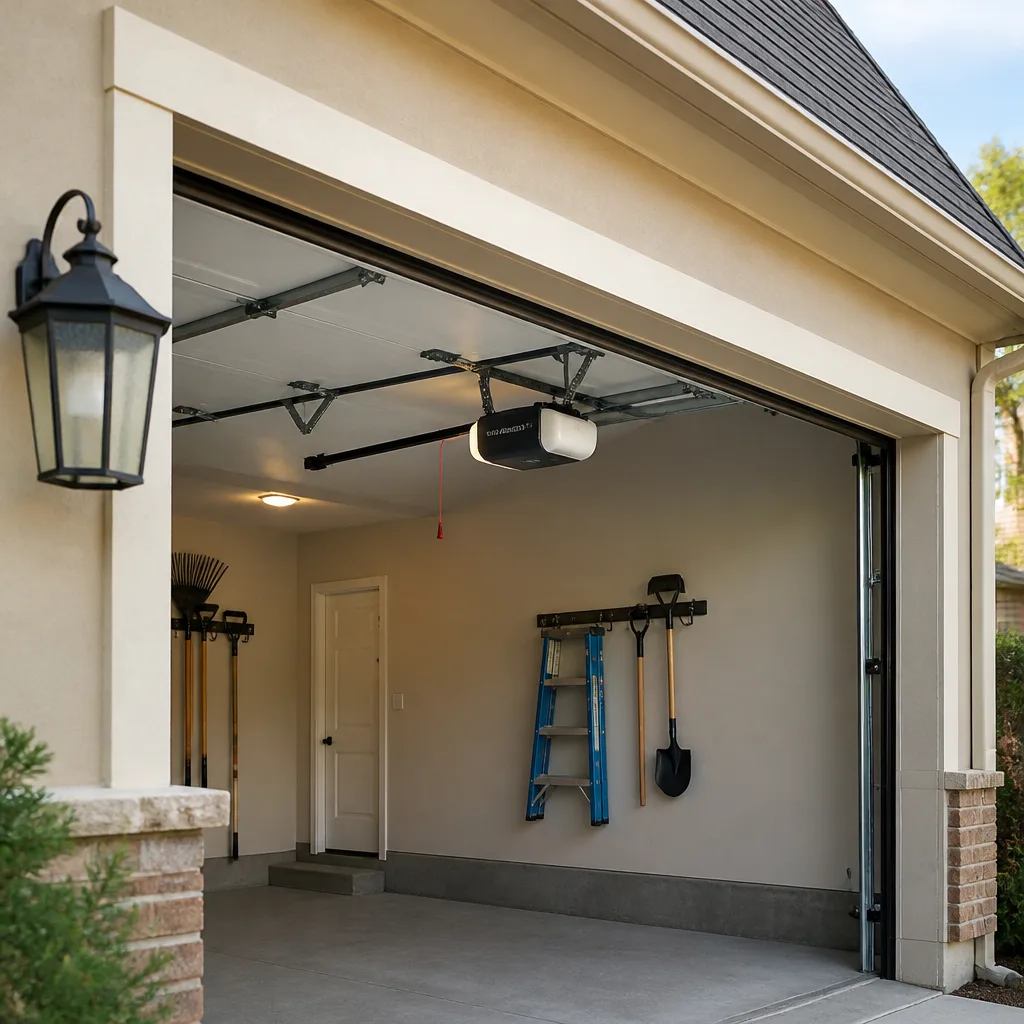 Chamberlain openers
Full 25-point door and opener safety check with every visit - springs, cables, rollers, tracks, and your LiftMaster or Chamberlain opener included
You get a price before we start. It does not change when the pro arrives.
Get your free estimateDIY vs Professional Garage Door Installation: What’s Safe to Do Yourself
An improperly installed garage door is the most common cause of residential torsion spring failure in the first year of service. Not worn metal. Not a factory defect. A winding error made at hour one, by someone who didn’t know the spring needed a specific tension. That single fact cuts through most of the do-it-yourself conversation online, because most tutorials leave the winding step at “carefully.” This guide maps where the real risks live in Winchester: the structural work a confident homeowner can actually handle, the mechanical work that belongs to a trained hand, the Nevada permitting reality, and the true cost of both paths. By the end you’ll have enough information to make the call.
Quick Answer
Hanging panels and assembling tracks are safe tasks for a capable homeowner. Torsion spring winding, cable tensioning, and final safety calibration are not, because they involve stored energy that can cause serious injury and require tools and a torque specification most DIY guides never mention. Professional installation in Winchester typically runs $900 to $2,200 for a standard single door, and that price usually covers permits, disposal of the old door, and a written warranty.
Styles & brands we work with
- Raised-panel steel
- Carriage house
- Modern flush
- Full-view glass
- LiftMaster openers
- Chamberlain openers
Table of Contents
- What “DIY Garage Door Installation” Actually Requires
- Nevada Permits: When a DIY Install Needs an Inspection
- The Tasks You Can Handle vs. the Tasks You Cannot
- Cost Reality Check: Professional vs. True DIY Cost
- How to Hire Correctly If You Go Professional
- Common Mistakes to Avoid
- When to Call a Professional
- Frequently Asked Questions
What “DIY Garage Door Installation” Actually Requires
Most online tutorials present garage door installation as a weekend project. That framing hides three requirements that almost no video mentions. The first is specialized winding bars: proper 1/2-inch steel rods sized to the torsion cone, not a screwdriver and not a piece of rebar. The second is a torque specification. Springs are wound to a specific number of turns based on door height and weight, and “until it feels right” is how first-year spring failures happen. The third is a second person, at minimum, to support a door section during panel hanging and track alignment.
Here’s the short list of what a full install actually involves:
- Removing the old door and disposing of it (roughly 100 to 200 pounds of steel and wood).
- Assessing the header and jamb for structural soundness, and framing in where it’s weak.
- Setting vertical and horizontal track, and shimming the track plumb.
- Hanging door sections and aligning hinges and rollers.
- Installing the torsion spring assembly on the shaft, or extension springs if applicable.
- Winding the spring to the manufacturer’s specified tension.
- Tensioning and securing the lift cables.
- Mounting the opener and setting the travel limits and safety reverse.
- Balancing the door and testing the safety reverse under a 2×4.
Any one of those steps done wrong will show up later. In Winchester, where summer garage temperatures routinely push past 110°F, a spring wound to the wrong tension doesn’t fail quietly. It fails loudly, usually a few weeks after installation when the temperature swing adds the last ounce of stress. We’ve seen that pattern in Sun City and in the neighborhoods off Sahara multiple times. Read the manufacturer’s spec sheet (Clopay and Amarr both publish full torque tables), and if the number isn’t on the sheet, call the manufacturer before you touch a winding bar.
Nevada Permits: When a DIY Install Needs an Inspection
In Nevada, replacing a garage door is often treated as a like-for-like swap that does not require a building permit. Installing a new garage door in a newly framed opening, changing door size, or altering the header on a load-bearing wall almost always does. Clark County and the City of Winchester enforce those rules through the same building department review that handles any structural change, and skipping it exposes you to two specific problems.
- Failed inspection at resale. When a Winchester home sells, an inspector who spots a non-permitted structural change will flag it. The buyer’s lender can require the work be brought up to code before closing, which means paying for the install twice.
- Insurance complication. A damaged door or a collapsed header caused by unpermitted work gives the carrier grounds to deny the claim, and the language in most homeowners policies is not subtle about it.
If your job is a straight replacement in an existing opening, you may not need a permit. Confirm with the Winchester building department before you start. If your job involves framing changes, header cutting, or a door size change, get the permit. It costs a fraction of the door, it protects you at resale, and it forces a second set of eyes on the structural work. That’s a square deal, even if it adds a week to the project. Our garage door installation in Winchester covers the permit process for our jobs, and we’re happy to answer questions about what your specific project will need.
The Tasks You Can Handle vs. the Tasks You Cannot
The clearest way to think about this is by energy. Anything involving stored mechanical energy in a garage door assembly (springs, cables, the torsion shaft) carries real injury risk. Anything that’s mostly alignment and leverage (tracks, panels, hinges) is achievable by a careful homeowner with good tools and a helper.
Safe for a Confident DIYer
- Removing the old door and its hardware, with the spring released by a professional first if the door is still under tension.
- Assembling and hanging door panels with a second person, following the manufacturer’s instructions.
- Installing vertical and horizontal track, and shimming it plumb with the door frame.
- Mounting and aligning hinges and rollers.
- Installing a new opener on a door that’s already professionally balanced, including setting travel limits and testing the safety reverse.
Belongs to a Trained Hand
- Torsion spring winding. The spring carries the entire door weight, often 150 to 300 pounds. A winding bar slipping out of the cone can break a wrist or worse. This is not a task to learn online.
- Cable tensioning. A stretched cable under tension can snap and cause serious lacerations. Replace cables as a pair, always, and only with correct-gauge cable.
- Final balance and safety calibration. A door that’s out of balance by 10 pounds is a door that will wear out the opener prematurely and fail the safety reverse test at the worst moment.
If you’re replacing a door in a Winchester home built in the 1980s or 1990s, the existing springs are likely near end of life anyway. Let a pro handle the removal-and-spring step in one visit and take the panel work yourself if you want the weekend project. That’s a reasonable split almost no tutorial suggests. Our team handles the mechanical portion of jobs in Winchester on its own when a homeowner wants to do the visible work, and that arrangement works well.
Cost Reality Check: Professional vs. True DIY Cost
The DIY case usually rests on a $600 door from a big-box store versus a $1,500 professional install. That comparison leaves out half the true cost. Add tool rental, disposal, a second person’s time, and the price of a mistake, and the gap narrows considerably. Here’s the honest number side.
Professional Installation in Winchester
| Item | Typical Range |
|---|---|
| Standard single-car door, installed | $900 – $1,500 |
| Standard double-car door, installed | $1,300 – $2,200 |
| Insulated door (Clopay, Amarr), installed | $1,600 – $2,800 |
| New opener (LiftMaster, Chamberlain, Genie), installed | $350 – $700 |
| Permit, when required | $75 – $250 |
| Old-door disposal | $50 – $150 |
True DIY Cost
| Item | Typical Range |
|---|---|
| Door itself (single-car, non-insulated) | $500 – $900 |
| Winding bars and specialty tools | $40 – $100 |
| Tool rental (ladder, impact driver, drill) | $60 – $150 |
| Old-door haul to the transfer station | $50 – $120 |
| Helper’s time (one to two days) | vary |
| Permit, when required | $75 – $250 |
| Re-do cost if spring fails or door binds | $180 – $420 |
In our experience, a homeowner doing the work themselves on a standard single-car door in Winchester saves $400 to $600 versus professional install, before counting the value of their own time or the risk of a spring failure. If the job goes well, DIY is a legitimate financial win. If it doesn’t, the re-do erases the savings and adds it. Either way, get the price quoted and agreed before work begins, whether you’re buying a door from a store or hiring a shop. No surprises on the bill is a two-way street.
How to Hire Correctly If You Go Professional
Most homeowners who go professional do it because they want to never think about the door again. That’s the right reason. The wrong reason is choosing the shop with the lowest bid, because the low bid is where shortcuts hide. Here’s how to separate a prepared shop from one that wings it.
- Verify the license. Nevada requires garage door installers to be licensed contractors. Ask for the license number and check it on the Nevada State Contractors Board website. Any shop that hesitates is not the shop.
- Ask for the written warranty terms, in writing. Labor warranty matters more than manufacturer warranty. A manufacturer covers parts; the shop is the one who shows up if the door doesn’t work. Get the labor term in writing before the job.
- Ask who winds the spring. A prepared shop answers this promptly and tells you a trained technician does the winding, not a helper. A shop that hedges is a risk.
- Ask about disposal. Removal of the old door is not free and not always included. Confirm it’s either in the price or quoted separately.
- Ask what happens if the door isn’t right. The best answer is a written return policy. Ours is the 90-Day Done Right Promise: if it’s not right, we come back, no arguing, in writing on every job.
- Ask about permits. A prepared shop knows the Winchester rules and will tell you up front whether your job needs a permit.
We’ve seen a handful of jobs in Winchester where the original installer never pulled a permit on a header change, and the cleanup afterward was far more expensive than the original install would have been. Those conversations are uncomfortable and they’re avoidable. For openers specifically, our garage door opener in Winchester page walks through the brand and lift-capacity questions that come up most often.
Common Mistakes to Avoid
- Winding the spring without a torque spec. Every manufacturer publishes the number of turns required for a given door height and weight. Skip it and the spring fails early, often in Winchester’s first summer heat wave.
- Replacing one cable, not both. Cables stretch and wear at the same rate. Replacing one leaves the other ready to fail within months, and the failure costs more the second time.
- Installing a door on an unsound header. In Winchester’s older neighborhoods, a header that’s been in place since the 1980s may have developed rot or sag that only shows up under door load. Inspect it before you hang anything.
- Skipping the safety reverse test. The 2×4 test takes thirty seconds and it’s the single most important check on the finished door. A door that closes on a toy or a pet is a hazard, and it’s a liability you don’t want.
- Mounting an opener before the door is balanced. A door that isn’t finished balancing will throw off the opener’s travel limits and strain the motor within weeks.
- Assuming the old door’s door-stop sizing still works. A new door can be a quarter-inch different in thickness, and the existing stop won’t seal correctly. Fit the new door, then trim the stop.
- Pulling the permit yourself without understanding the inspection checklist. If your install needs an inspection in Winchester, ask the building department for the checklist before you start, not the day before the inspector arrives.
When to Call a Professional
Call a professional if any of these apply: the spring is broken or the door is out of balance; the cable shows fraying or is under any question; your header or framing needs work; the job involves changing door size or track configuration; or the door is being installed in a home you plan to sell within a few years. All of those push past DIY and into the category where the risk of a mistake is greater than the savings. If the door and opening are already in good condition, if the spring is professionally wound, and if you have a helper and a full weekend, the panel and track work is within reach for many homeowners.
Mainspring Garage Door Co. Winchester offers free estimates in Winchester. Call (888) 326-0817 and we’ll tell you plainly which parts of the install need a trained hand and which you can take on yourself, with the price quoted before any work begins. If you’re weighing repair against replacement, our garage door repair in Winchester page walks through that decision door by door.
Frequently Asked Questions
Yes, in many cases. Nevada does not prohibit homeowners from installing their own garage door, and a straight like-for-like replacement in an existing opening often doesn’t require a permit. Jobs that change door size, alter the header, or modify framing require a permit and inspection through the Winchester building department. Confirm with the building department before you start.
Professional installation in Winchester typically runs $900 to $1,500 for a single-car door and $1,300 to $2,200 for a double-car door, with insulated doors from brands like Clopay or Amarr running higher. The price is usually quoted and agreed before any work begins, and disposal of the old door may or may not be included, so ask. Call (888) 326-0817 for a free estimate on your specific door.
No. Torsion springs carry the entire weight of the door, often 150 to 300 pounds, and a winding bar that slips out of the cone can cause severe injury. Spring winding is a trained-professional task, and it’s the single biggest reason we recommend splitting a DIY install (panels and tracks) from the mechanical work (springs and cables).
The buying inspector can flag the unpermitted work and the lender may require it be corrected before closing. That usually means paying for the work twice and losing negotiation leverage on price. Permits cost $75 to $250 on a typical install, which is a small insurance policy against that outcome.
It shouldn’t. A prepared shop quotes from an on-site measurement and a full inspection of the existing opening, header, and track, and then holds the price. If something is genuinely out of scope (rot in the header, framing that needs repair), a square shop tells you before starting and gets approval, not after. Call (888) 326-0817 to schedule a free measurement.
Nevada requires garage door contractors to be licensed, and you should verify the license on the Nevada State Contractors Board website before hiring. Ask for proof of insurance and check the written labor warranty as well. A prepared shop provides all three without hesitation.
Often yes, but the opener needs to match the new door’s weight and lift capacity. A door that’s heavier than the opener was sized for will strain the motor and shorten its life. If you’re replacing the door, have the opener checked by a technician who can confirm it has enough lift for the new door, and replace the opener if it’s near end of life.
The Bottom Line
A garage door install is more achievable than it looks on paper and more consequential when done wrong than most homeowners expect. The structural and alignment work is a fair project for a careful homeowner with a helper and a weekend. The spring and cable work belongs to a trained hand, no exceptions. In Winchester, confirm permit requirements before you start, price the job against the true DIY cost including tools and disposal, and if you go professional, verify the license and get the warranty in writing. That’s the square deal either way.
If you want a professional eye on your specific door, call Mainspring Garage Door Co. Winchester at (888) 326-0817 for a free estimate. We’ll tell you plainly what needs a trained hand and what doesn’t, quote the price before any work begins, and back the job with our 90-Day Done Right Promise. A live person answers every call, so you’ll reach us whenever you need us. Start with our Mainspring Garage Door Co. Winchester home page for the full scope of what we do.
Written by the team at Mainspring Garage Door Co. Winchester.
See the difference
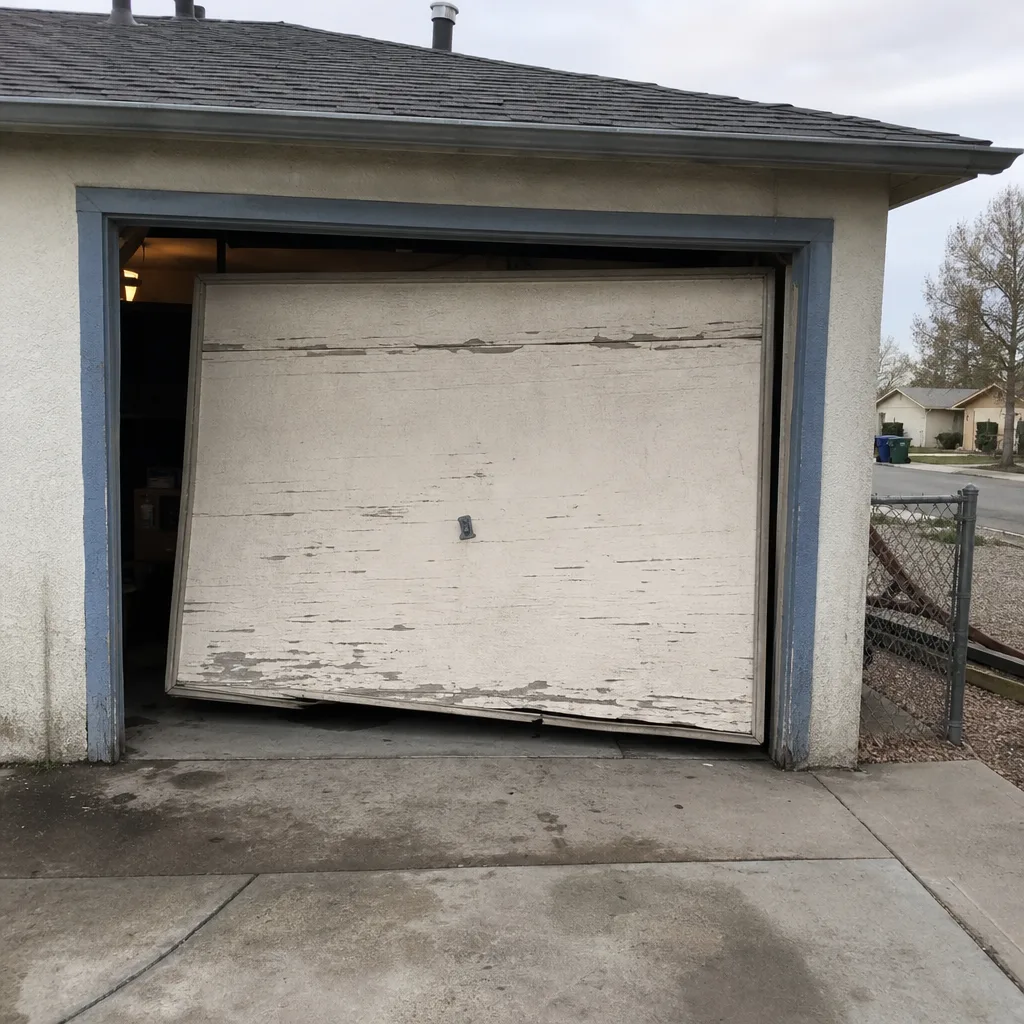 Before
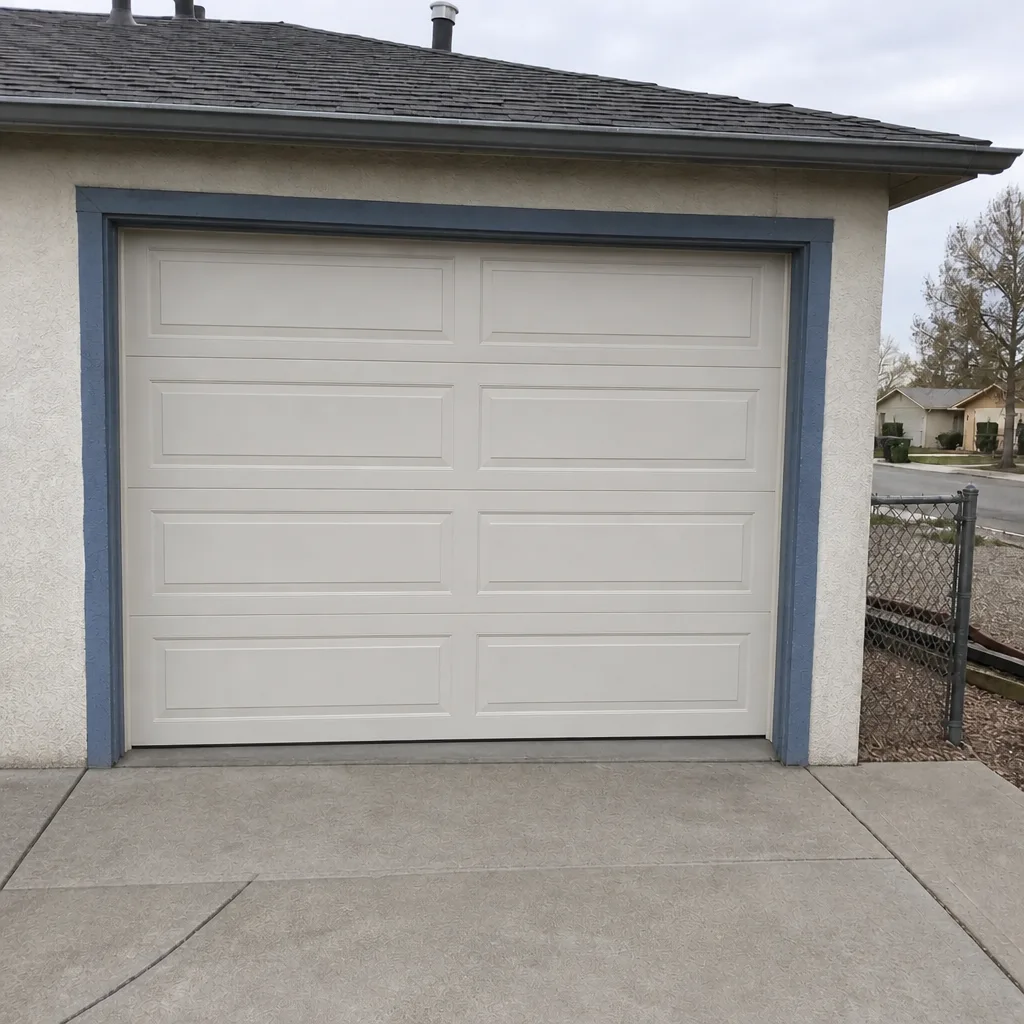 After
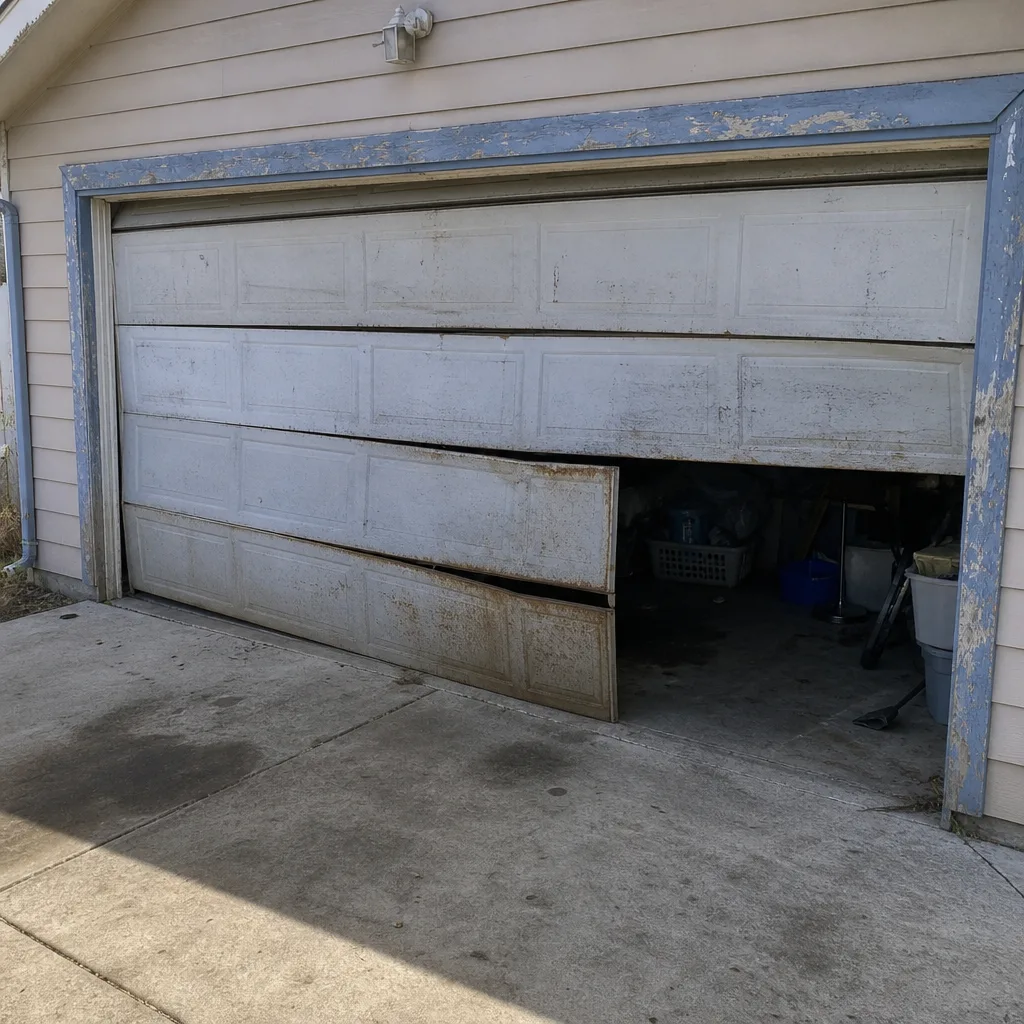 Before
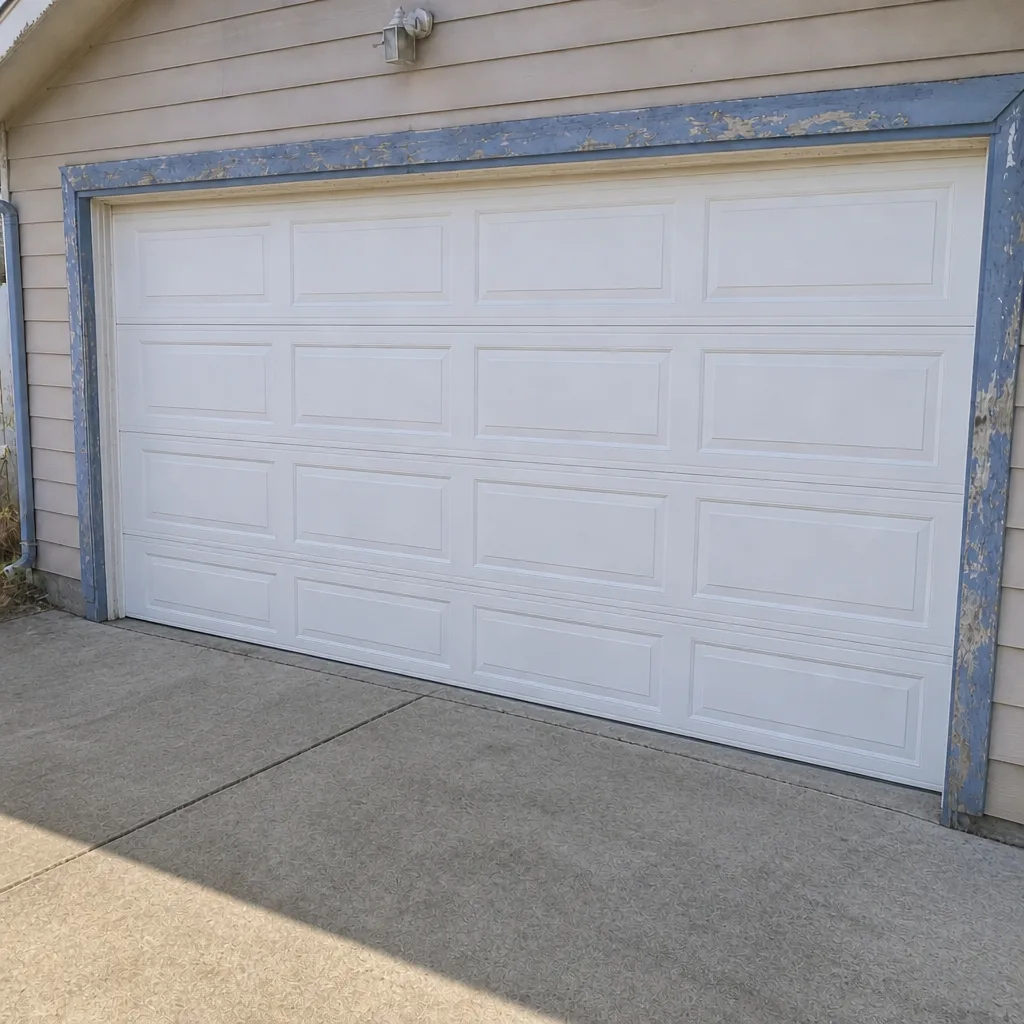 After
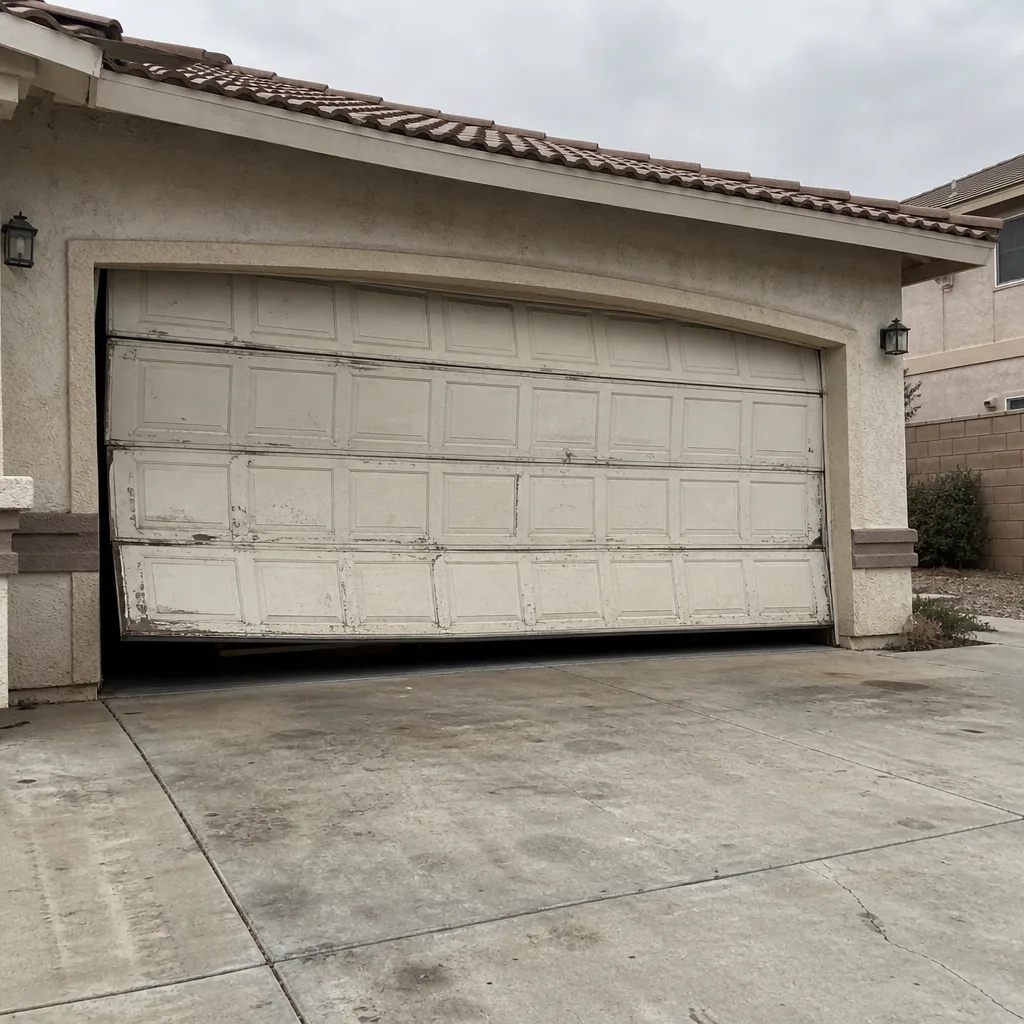 Before
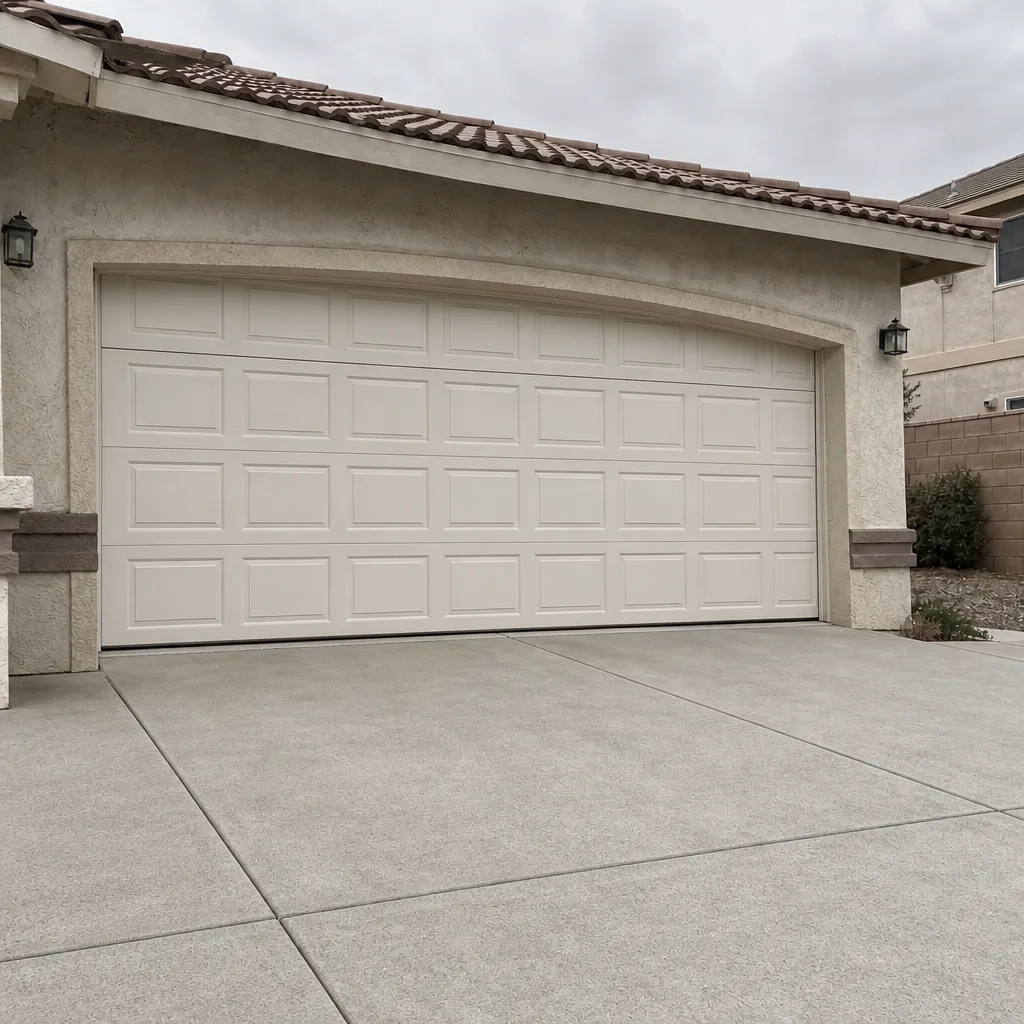 After