
Last updated November 18, 2026
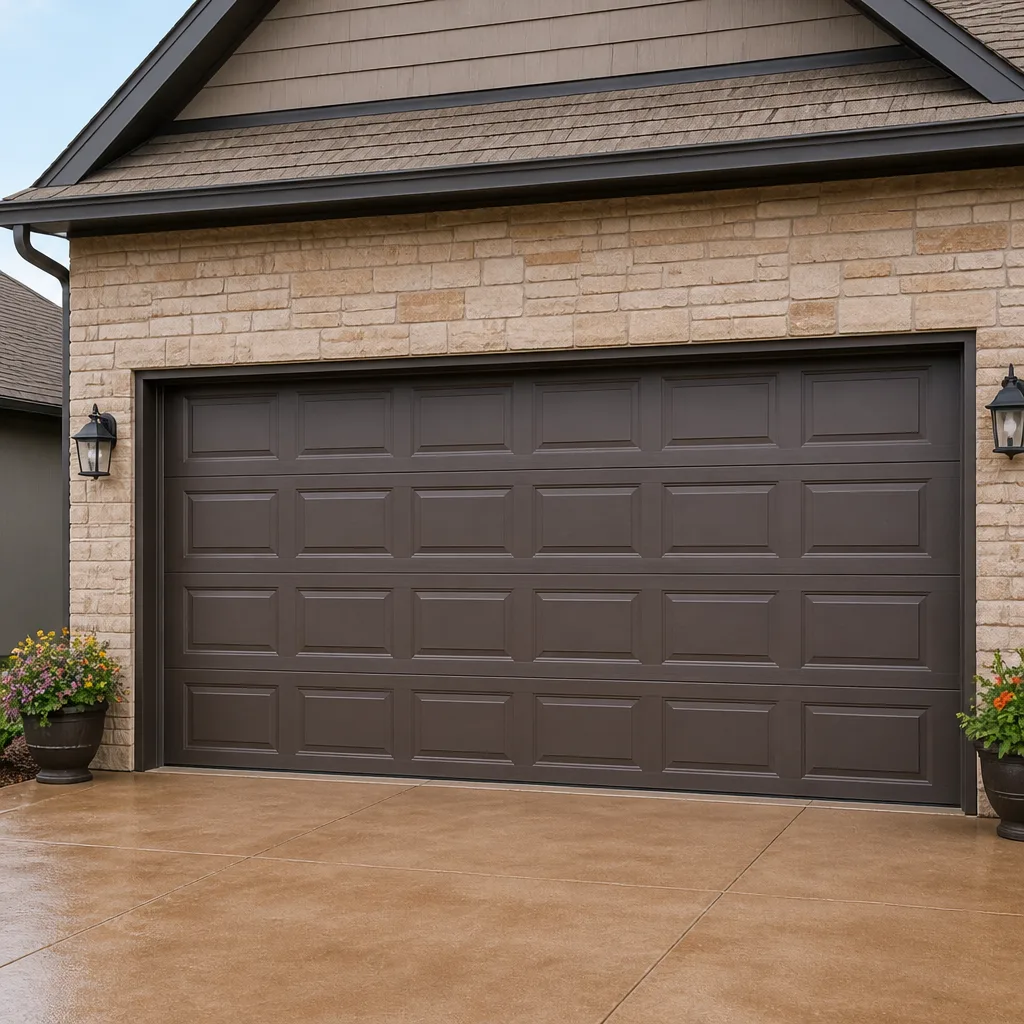 Raised-panel steel
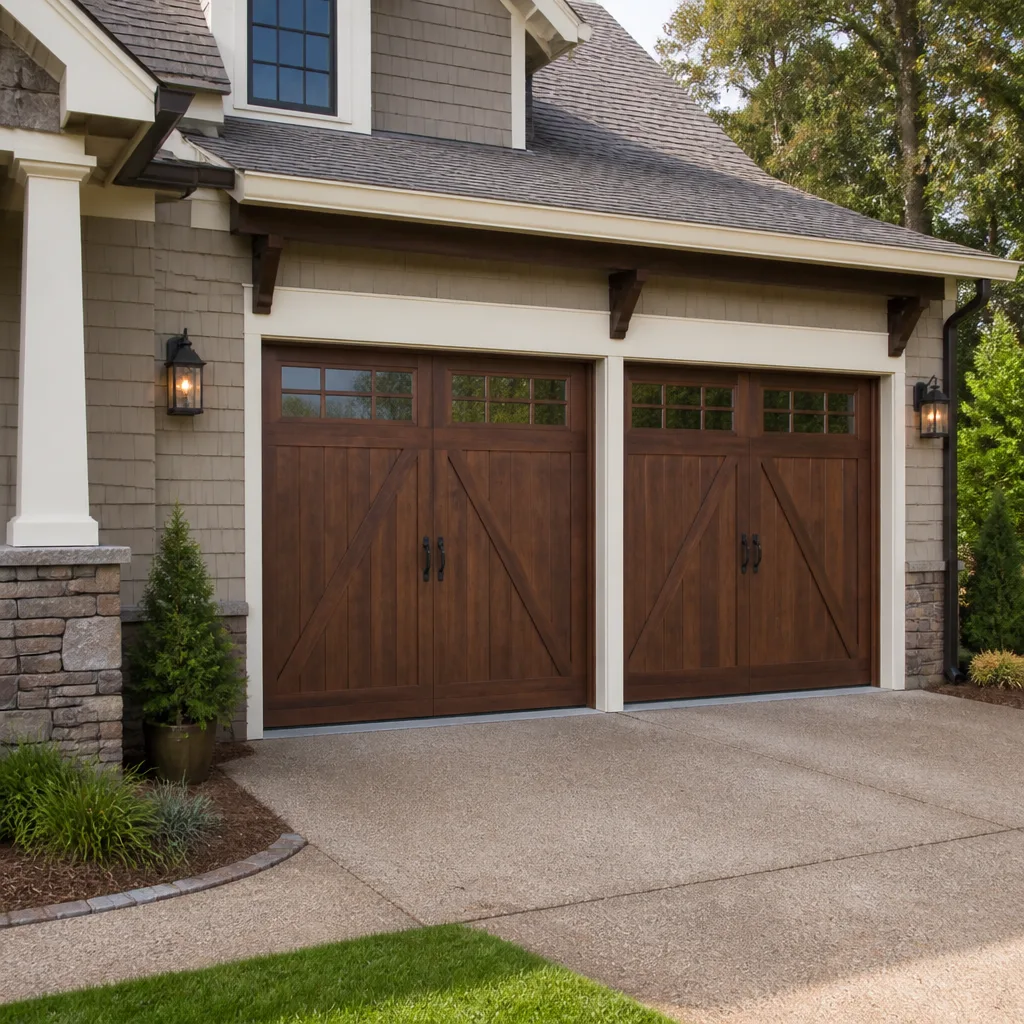 Carriage house
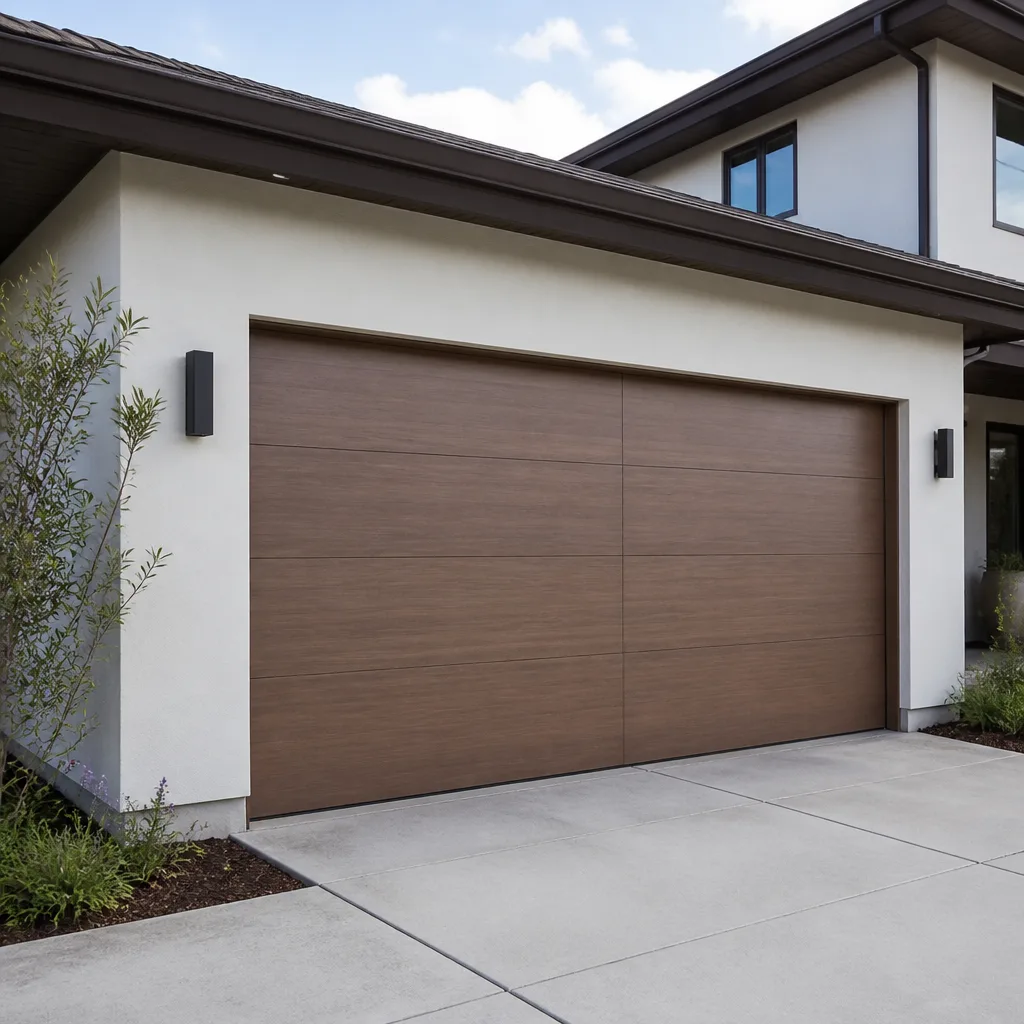 Modern flush
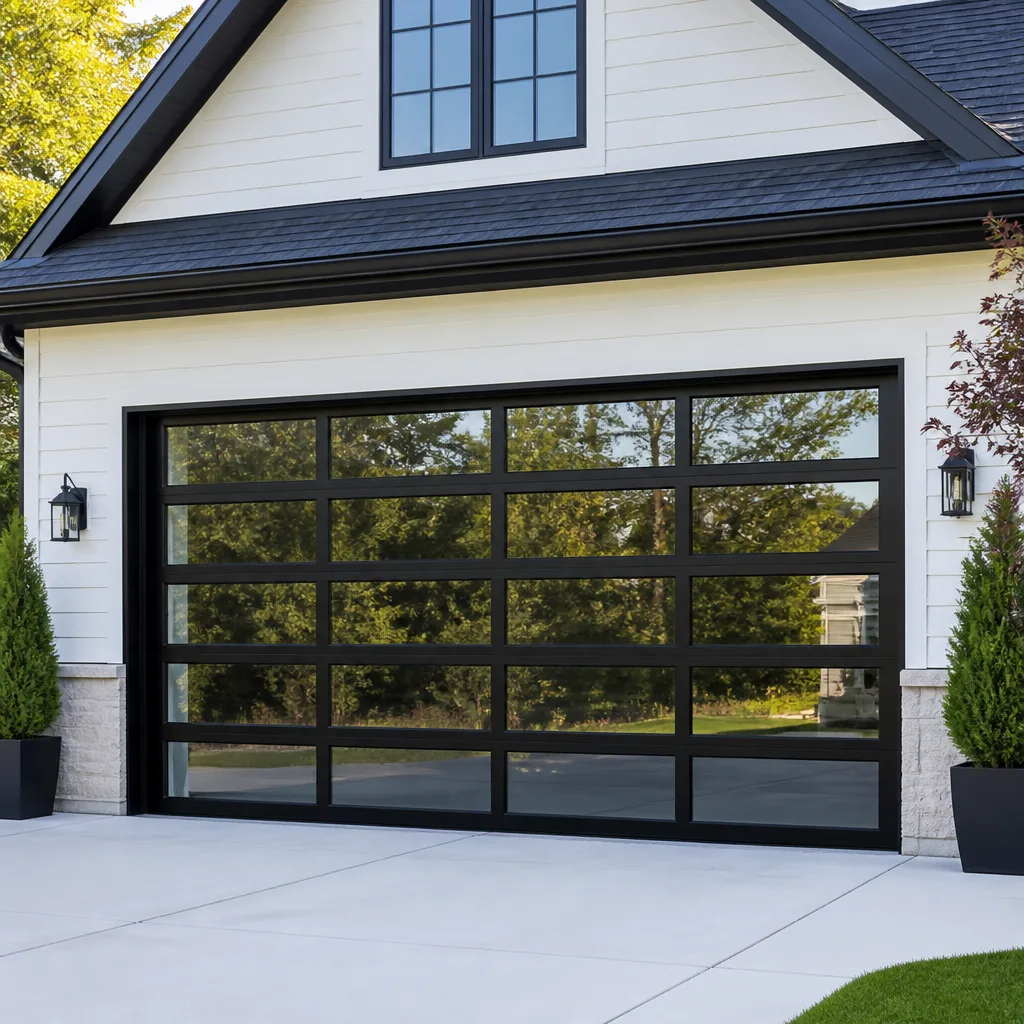 Full-view glass
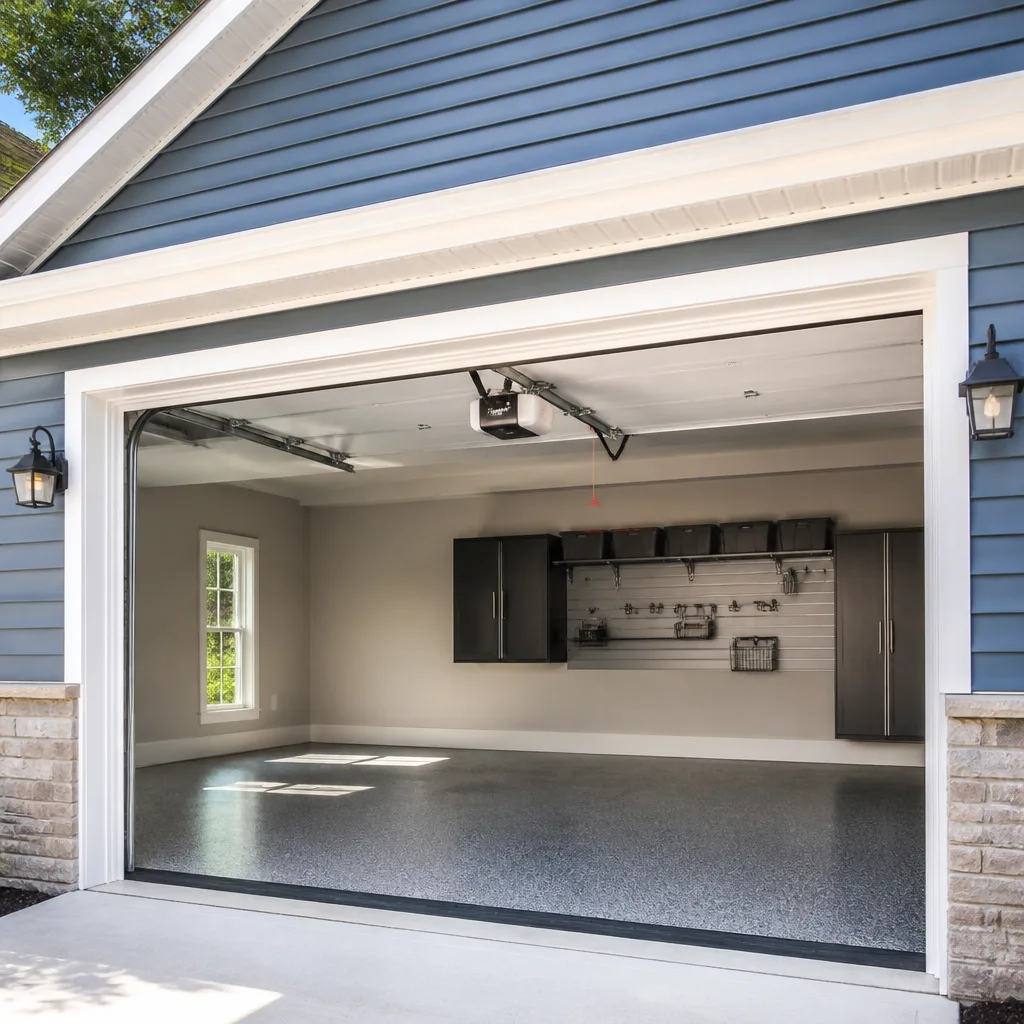 LiftMaster openers
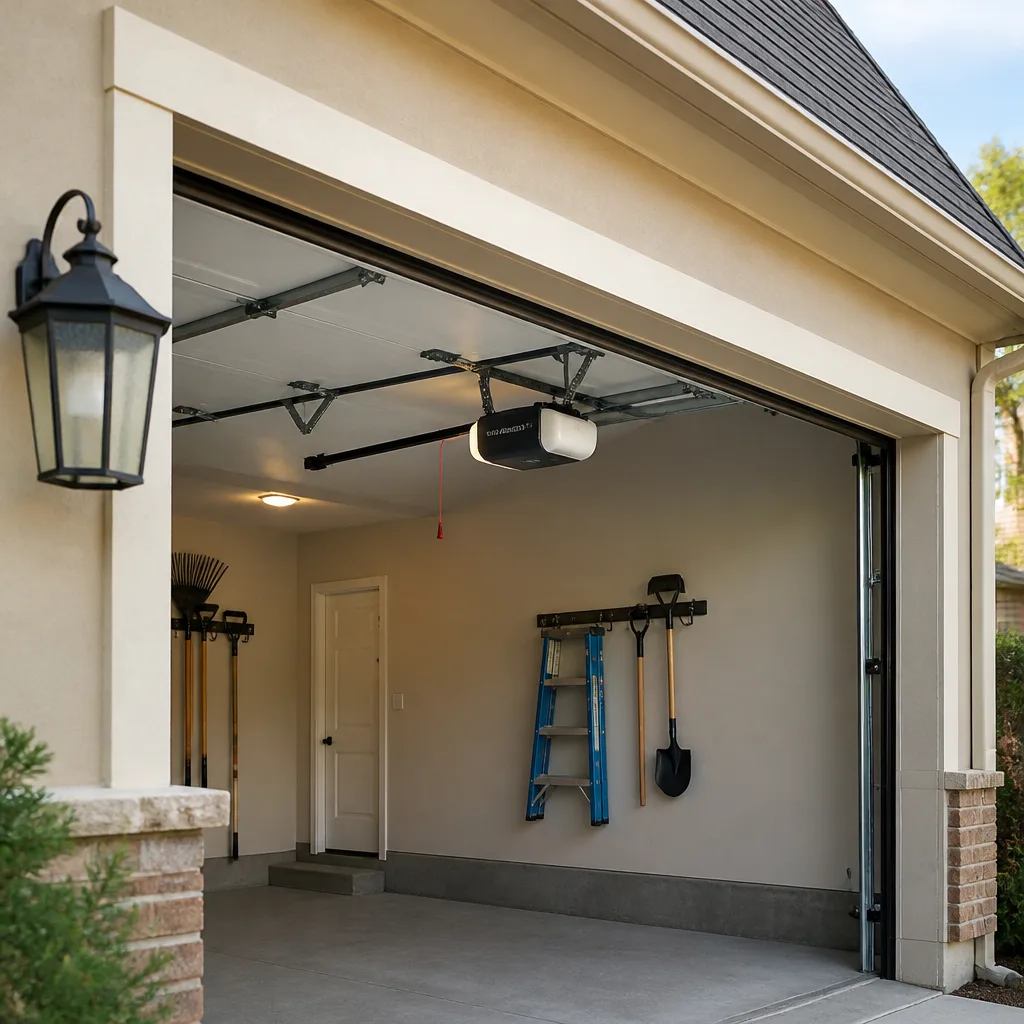 Chamberlain openers
Full 25-point door and opener safety check with every visit - springs, cables, rollers, tracks, and your LiftMaster or Chamberlain opener included
You get a price before we start. It does not change when the pro arrives.
Get your free estimateGarage Door Opener Maintenance Schedule: What to Do and When
The drive chain or belt on most openers needs lubrication every six months. Fewer than one in ten homeowners have ever done it. That single omission accounts for the majority of premature drive failures we see on service calls around Winchester. Your opener doesn’t wear out evenly. It wears out in a specific order, and the parts that quit first are the ones nobody touches because no one handed you a calendar. This guide is that calendar. You’ll get a month-by-month task list, the right lubricant for each drive type, a five-minute force and travel test with clear pass or fail criteria, and the age milestones where you should start budgeting for a replacement.
Quick Answer
Lubricate the drive chain or belt every six months, test the safety reverse and force limits once a month, and clean and inspect the photo-eye sensors monthly. Schedule a full professional tune-up once a year, usually in spring or fall. Replace the opener somewhere between twelve and fifteen years, and start checking the trolley carriage and drive gear at the five-year mark before small wear turns into a mid-travel jam.
Styles & brands we work with
- Raised-panel steel
- Carriage house
- Modern flush
- Full-view glass
- LiftMaster openers
- Chamberlain openers
Table of Contents
- Why Openers Wear Out Unevenly
- The Right Lubricant for Each Drive Type
- The Month-by-Month Schedule
- The Five-Minute Force and Travel Test
- Inspecting the Trolley Carriage Before It Fails
- Age Milestones: Five, Ten, and Fifteen Years
- Winchester Conditions That Speed Up Wear
- Common Mistakes to Avoid
Why Openers Wear Out Unevenly
An opener is a small motor doing a big job. It lifts a door that can weigh anywhere from 130 to over 300 pounds, and it does that thousands of times a year. The motor itself usually outlasts everything bolted to it. What fails first is the cheap, serviceable stuff: the drive gear, the trolley carriage, the chain or belt tension, the rollers, and the sensors.
Here’s the pattern we see again and again on Winchester calls. A homeowner replaces the whole opener at year twelve when the real problem was a $12 drive gear or a sticky trolley. The motor was fine. Nobody had ever looked underneath the plastic housing to see the grease had dried to chalk.
Two forces drive the uneven wear:
- Friction from dry moving parts. Chains, belts, screw drives, hinges, and rollers all need lubrication on a schedule. Skip it and the motor works harder, runs hotter, and drags the whole assembly toward failure.
- Load from a door that’s out of balance. If the springs aren’t carrying their share, the opener absorbs weight it was never designed to lift. A door that needs a shoulder to lift by hand is a door that’s quietly killing your opener.
That second point matters more than most people realize. The opener is not supposed to lift the door. The torsion or extension springs do that. The opener just guides the door along the track. When the springs weaken, the opener takes the load, and its lifespan drops fast. If you’re in an older Winchester neighborhood where the same springs have been on the door since the house was built, this is the first thing to check.
The takeaway: treat the opener as a system, not a box. The motor rarely needs your attention. Everything around it does.
The Right Lubricant for Each Drive Type
Put away the WD-40. It is not on this list for any component, and using it is one of the most common reasons a drive fails early. Standard WD-40 is a solvent and water displacer, not a lubricant. It strips the factory grease, evaporates, and leaves metal running dry against metal. On a chain drive it attracts grit that grinds the links. On a screw drive it washes out the lithium grease the screw needs. It does more harm than good, and we see the results on Winchester doors every week.
The right product depends on the drive type. Here’s the breakdown:
- Chain drive: Use a chain and cable lubricant or a white lithium grease spray. Apply a light coat along the length of the chain, then run the door up and down once to spread it. Wipe off the excess so it doesn’t fling onto the door panels or the ceiling.
- Belt drive: Belts need almost nothing. A light silicone spray on the belt surface and the pulley is enough. Do not use grease on a belt; it collects dust and causes slipping.
- Screw drive: Use the lithium grease the manufacturer recommends, applied to the screw shaft. Screw drives are the most sensitive to the wrong product. Dry running a screw drive is a fast way to strip the threads.
A few general rules apply across all three:
- Never mix lubricant types. Clean off old residue first.
- Avoid heavy automotive grease. It’s too thick for opener components and holds grit.
- Lubricate the rollers, hinges, and springs lightly at the same time, but use the right product for each. Springs and hinges take a silicone or lithium spray, never a dry solvent.
If you’re unsure which drive you have, look at the rail above the door. A metal chain is a chain drive, a ribbed belt is a belt drive, and a threaded steel rod is a screw drive. Most of the Craftsmans and LiftMasters we work on in Winchester are chain or belt; the screw units are a little older and a little fussier.
The Month-by-Month Schedule
“Seasonal maintenance” is too vague to act on. Here is a literal calendar you can follow, split into what you do monthly and what you do twice a year or annually. If you’d rather hand it off, a garage door opener service in Winchester covers the whole routine in a single visit.
Every Month
- Run the safety reverse test. Place a 2×4 flat on the floor under the door. Close the door with the remote. The door should reverse on contact with the board. If it doesn’t, stop and fix it before using the door again.
- Test the photo-eye sensors. Wipe the lenses clean, then wave an object through the beam while the door is closing. The door should reverse. If the light on either sensor flickers or stays off, adjust the alignment.
- Listen. Stand in the garage and run the door once. Any new grinding, squealing, or thumping is information. Write it down and check it against the rest of this guide.
Every Six Months (March and September)
- Lubricate the drive using the product for your drive type, as above.
- Lube the rollers, hinges, and torsion springs with a light silicone or lithium spray.
- Check chain or belt tension. A chain should have about a half-inch of slack at the midpoint. A belt should be firm, not guitar-string tight. Adjust the turnbuckle if needed.
- Check the balance of the door. Disconnect the opener (pull the release cord), lift the door halfway by hand, and let go. A balanced door stays put. One that falls or rises on its own is out of balance and needs a spring adjustment.
Once a Year
- Run the full force and travel limit test (procedure below).
- Inspect the trolley carriage and drive gear for wear.
- Tighten all track and bracket bolts. Vibration loosens them; a loose track causes the door to bind.
- Clean the photo-eye lenses and the opener housing.
- Schedule a professional tune-up if you haven’t had one. Our $89 Seasonal Tune-Up covers the whole checklist.
Do the two big maintenance passes in spring and fall. That timing also catches the temperature swings that cause the most trouble in Winchester, which we get into below.
The Five-Minute Force and Travel Test
This is the test that tells you whether the opener is working harder than it should. You can run it in five minutes with nothing but your eyes and one hand on the door. It also happens to be the safety test that catches a failing opener before it hurts someone or crushes the door.
Most openers have two adjustment dials or screws on the back or side of the motor housing: one for force (how hard the opener pushes before giving up) and one for travel limit (where the door stops at the top and bottom). The exact location varies by brand and model, so check your manual for a Clopay, Amarr, Chamberlain, or whichever unit you have. If you’ve lost the manual, the brand and model number are usually printed on the back panel.
Force Test
- Stand clear of the door path and close the door with the remote.
- As the door descends, place one hand flat under the bottom edge and press up gently against it.
- The door should reverse within a second of feeling resistance. If it keeps pushing through your hand, the force is set too high.
- Now lower the force setting one increment at a time and re-test. Stop when the door reverses easily on light pressure.
Pass: the door reverses smoothly against light hand pressure. Fail: it forces through, stalls without reversing, or reverses on its own at the top. A failing force setting is a safety problem, not a convenience one. Fix it or call before you use the door again.
Travel Limit Test
- Open the door fully. It should stop with the bottom panel roughly level with the header, not slam into the stop bolt.
- Close the door fully. It should seal against the floor without compressing too hard or stopping short.
- If the door overshoots, adjust the limit screw in small increments and re-test.
Pass: the door stops cleanly at both ends and the trolley doesn’t hit the rail bolt. Fail: it overshoots, reverses at the top, or stops short of the floor. Travel limit errors usually point to a worn trolley or a misaligned track, not the limit screw itself.
Do this test monthly. It’s five minutes and it catches the exact failures that cause doors to come off track. If the door is out of balance and the force is cranked up to compensate, you have a spring problem, not an opener problem, and that’s a call-a-professional situation.
Inspecting the Trolley Carriage Before It Fails
The trolley carriage is the little metal or plastic piece that rides along the rail and connects the door arm to the drive. It’s the part most homeowners never look at until the door jams halfway up and the opener grinds. By then you’re standing in the dark in your driveway in Winchester at seven in the morning, and you’re calling us for an emergency visit.
You can spot a failing trolley before it quits. The signs:
- A rattle or knock as the door moves up and down. That’s the carriage bouncing on the rail because its inner bushing has worn.
- The door hesitates or shudders near the top or bottom of travel. A worn trolley doesn’t track smoothly.
- Visible play when you grab the trolley and wiggle it side to side. It should move maybe a sixteenth of an inch; more than that is wear.
- A jam at a consistent point. If the door always sticks at the same spot on the rail, the trolley or the track is the culprit.
The fix is usually a new carriage, which is inexpensive compared to an opener. The mistake is ignoring the warning signs until the carriage separates from the arm and the door drops. That’s the failure that bends panels and breaks cost you a door replacement instead of a $30 part.
While you’re up there, look at the drive gear. On chain openers in particular, the white nylon gear inside the housing wears down over time. If you see shavings or a smooth worn tooth pattern, that’s the start of a gear failure. It’s a repair we handle on the same visit in Winchester because we carry the gear on the truck.
Age Milestones: Five, Ten, and Fifteen Years
An opener’s maintenance priorities shift as it ages. A five-year-old unit just needs lubrication and a good balance test. A twelve-year-old unit needs a replacement plan. Here’s how to think about it.
At Five Years
- Replace the trolley carriage if you see any play or rattling.
- Check the drive gear for wear. On chain drives this is the most common failure point.
- Fresh lubrication on the whole system and a full balance test.
- Inspect the safety sensors. By five years, the brackets have usually taken a few bumps, and alignment drifts.
At Ten Years
- Expect the safety reverse to need re-calibration more often. The internal logic board can drift.
- Check for a worn capacitor if the motor starts with a hum and struggles before the door moves. That’s a sign the motor’s starting circuit is aging.
- Inspect the rollers and hinges closely. Dry or flat-spotted rollers add load the opener has to fight.
- Start pricing a replacement. Don’t replace one the moment it turns ten; replace it when it starts misbehaving more than it performs.
At Twelve to Fifteen Years
- Budget for a full opener replacement. Motors die, logic boards fail, and the repair cost on a fifteen-year-old unit usually exceeds the value of what’s left of it.
- Consider a new unit with modern safety features and quieter operation. A new garage door opener in Winchester runs quieter and uses less electricity.
- If the door itself is also fifteen years old, look at the whole assembly. A new opener on a worn door is a false economy. That’s when a garage door installation in Winchester makes sense to plan together.
The wisest move at the twelve-year mark is to get a written estimate on replacement before you need it. Then you’re not paying emergency pricing when the thing finally dies on a Saturday morning. We give a flat price upfront on replacement and free second opinions on any written estimate, so you can compare without pressure.
Winchester Conditions That Speed Up Wear
Where you live affects how fast your opener wears. In Winchester, we see a few specific patterns.
Summers swing from cool desert nights to triple-digit afternoons, and that wide daily spread works on metal. Springs, track brackets, and the drive rail expand and contract every day. Lubricant that would stay put in a mild climate dries out faster here. That’s part of why we push the six-month lube schedule rather than the annual one some manuals suggest.
Dust is the other factor. In neighborhoods around Whitney Ranch and Anthem, the combination of wind-blown grit and dry air means an unlubricated chain or screw drive collects abrasive dust instead of shedding it. Grease that’s too heavy becomes a dust magnet. This is why we recommend a light coating, wiped clean, over a heavy coat.
If your garage faces west or south, you get many more hours of direct afternoon sun on the door and the rail. Heat-cycled grease breaks down quicker. Give those doors a half-year lube pass in addition to the spring and fall full check.
And if your home is in one of Winchester’s older established neighborhoods, the opener may be older than the schedule assumes. Start at the twelve-year milestone rather than the five. Look at what you’ve got before you plan maintenance.
Common Mistakes to Avoid
- Using WD-40 on the drive. It’s the most common mistake we see. It’s a solvent, not a lubricant, and it strips factory grease. Use lithium or a chain lubricant instead.
- Cranking up the force to compensate for a heavy door. If the door needs more force to move, it’s out of balance, not under-powered. Raising the force to hide a spring problem burns out the opener and defeats the safety reverse.
- Ignoring the once-a-month safety reverse. A door that won’t reverse on contact is a crushing hazard. Test it every month, not once a year.
- Greasing a belt drive. Belts don’t need grease. Grease on a belt attracts dust, slips, and shortens belt life. Use silicone only.
- Skipping the balance test. A door that won’t stay put when lifted halfway is out of balance. An unbalanced door wears out openers and springs faster than anything else.
- Adjusting the travel limit screws to fix a jam. If the door jams mid-travel, a worn trolley or misaligned track is the cause. Turning the limit screws just hides the symptom and can cause the door to overshoot.
- Waiting until the opener dies to think about replacement. A twelve-year-old opener that’s failing two or three times a year is telling you something. Plan the replacement on your schedule instead of paying emergency rates on a Saturday morning in Winchester.
See the difference
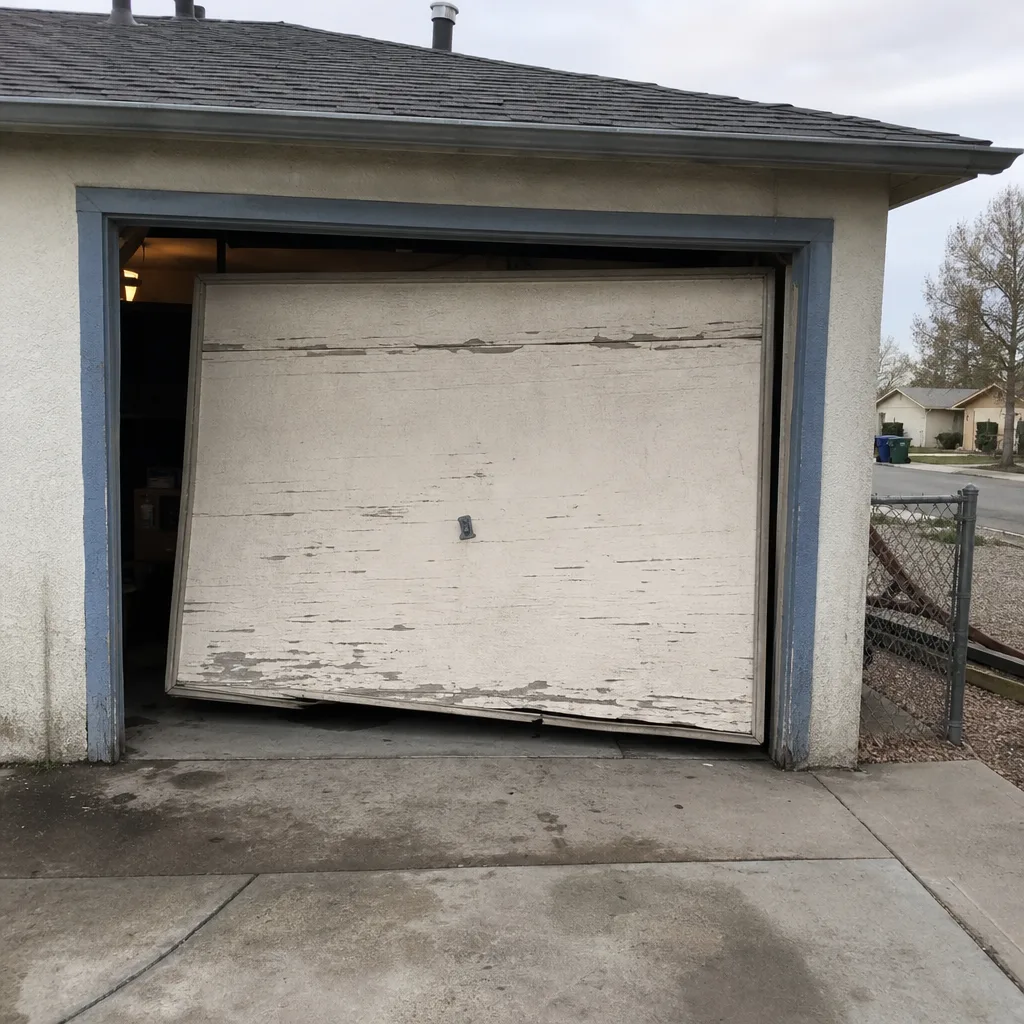 Before
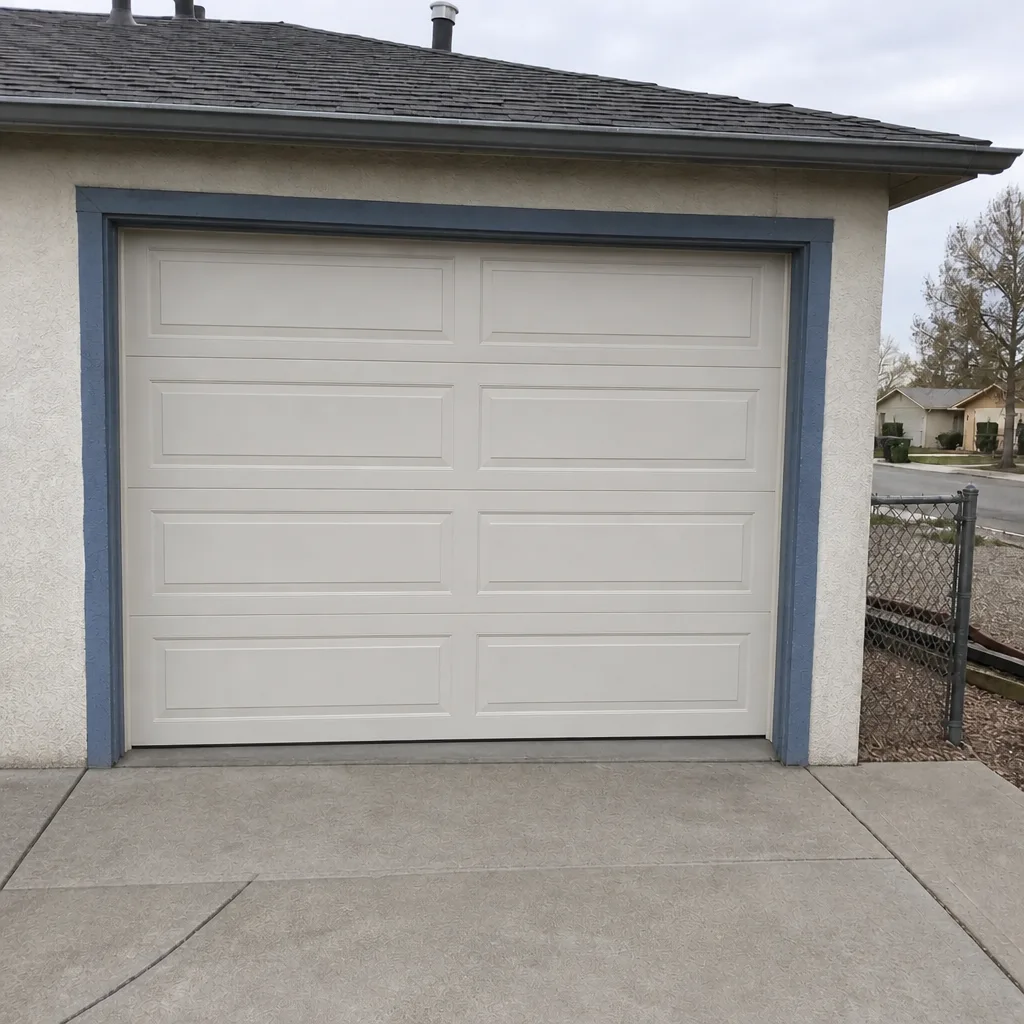 After
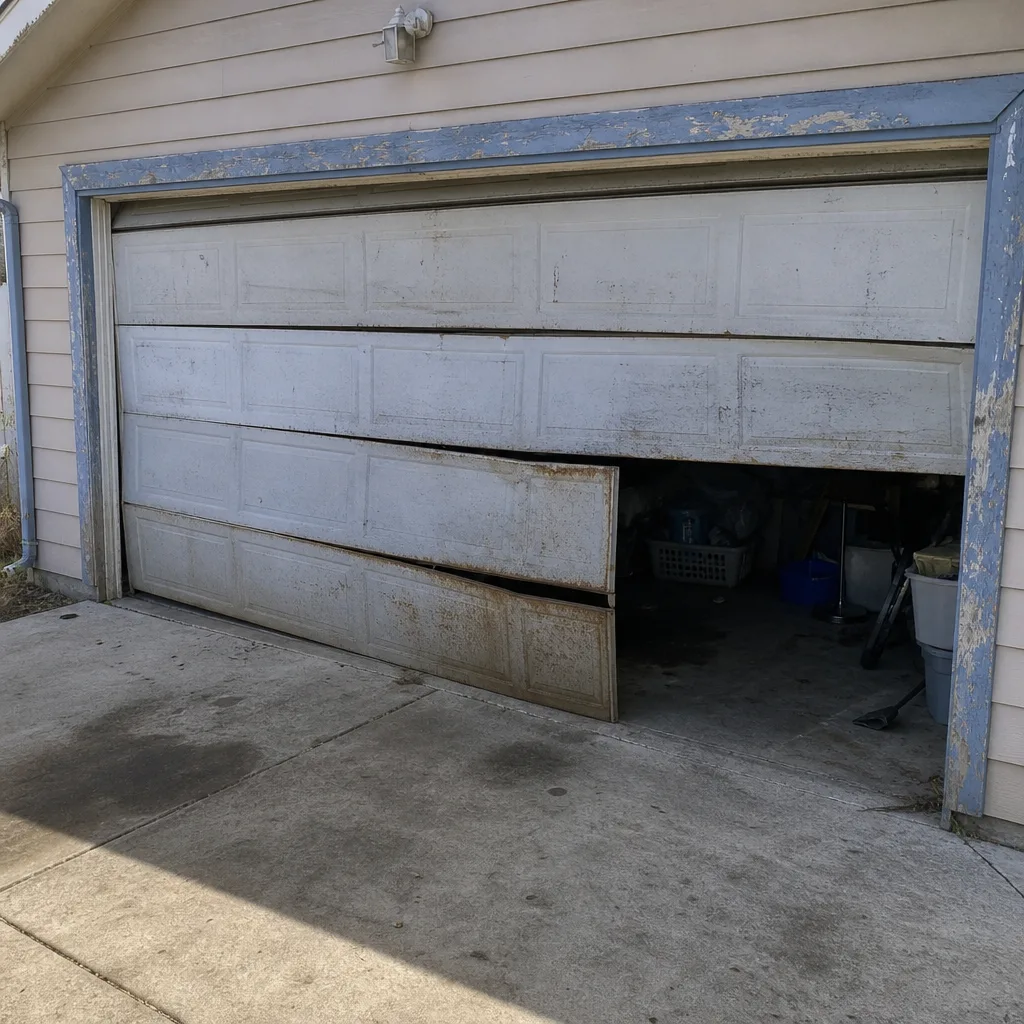 Before
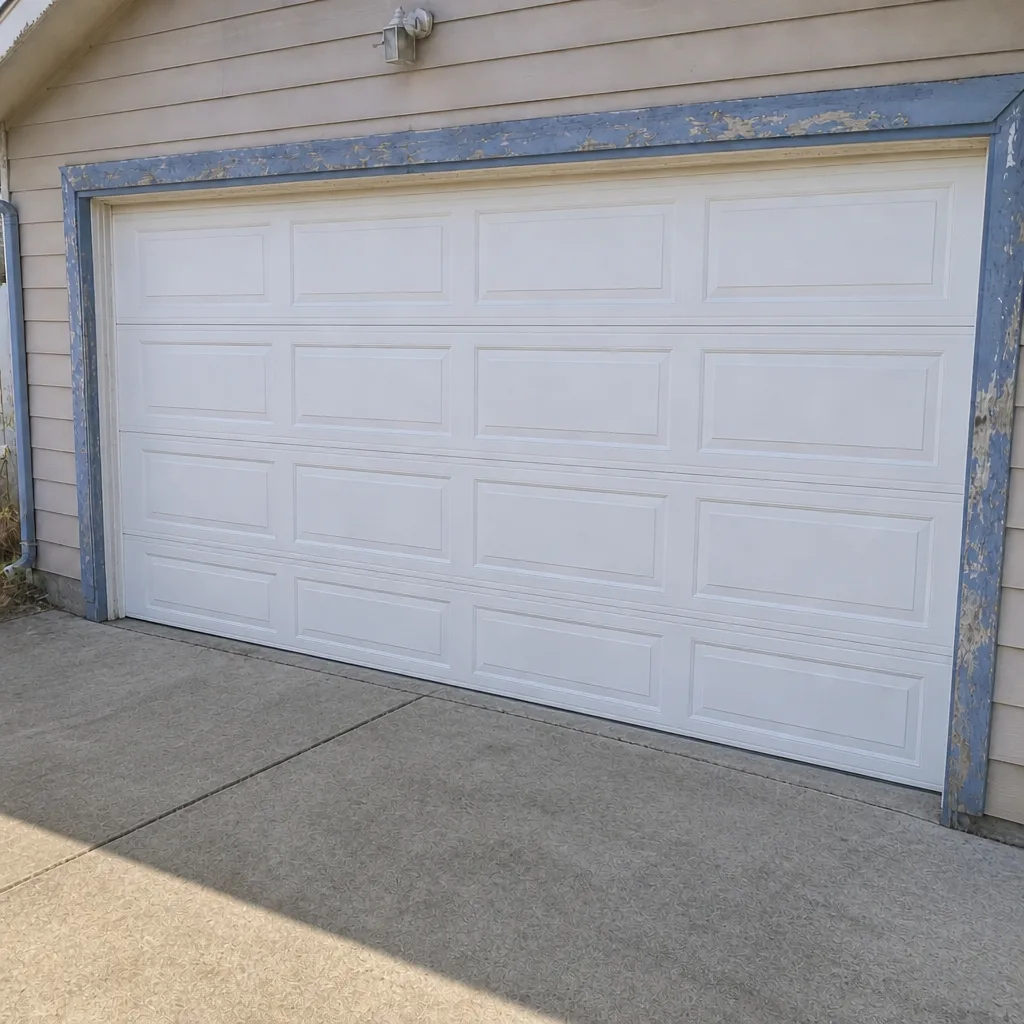 After
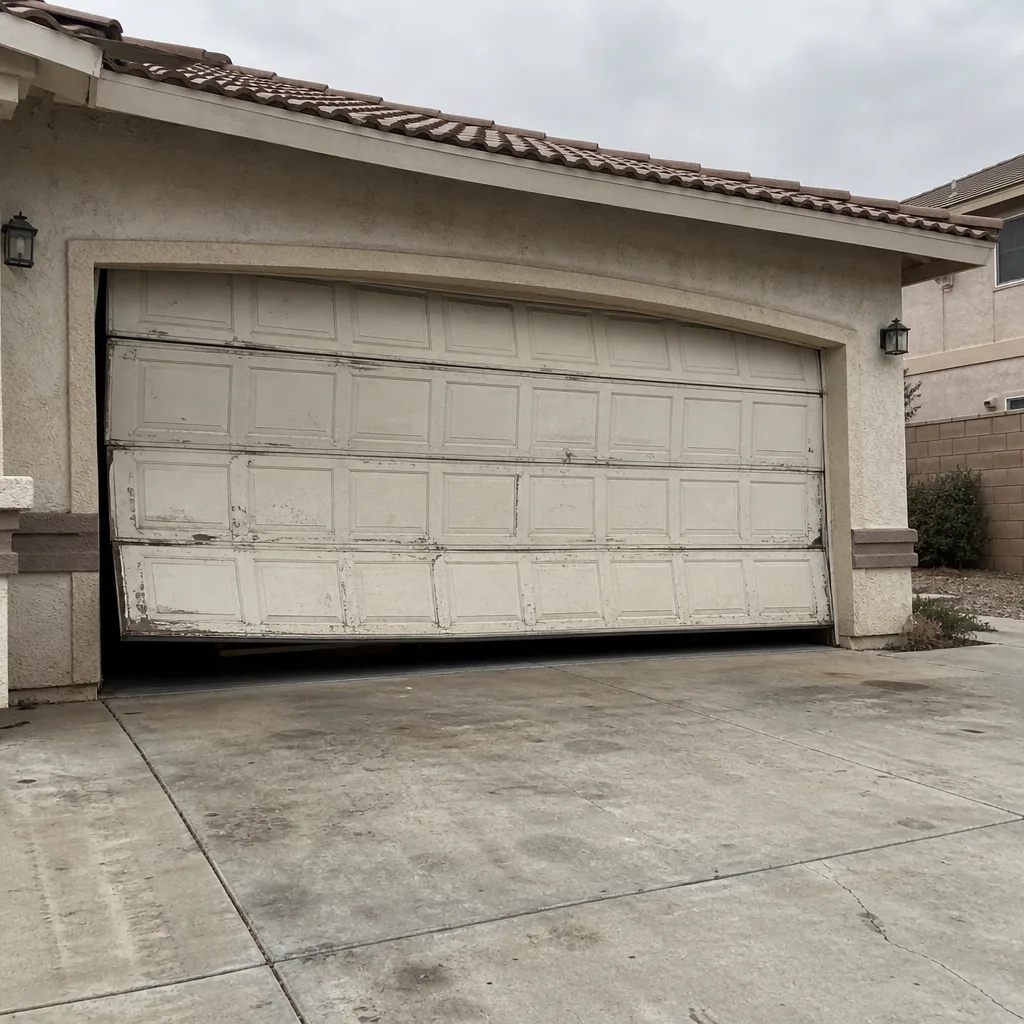 Before
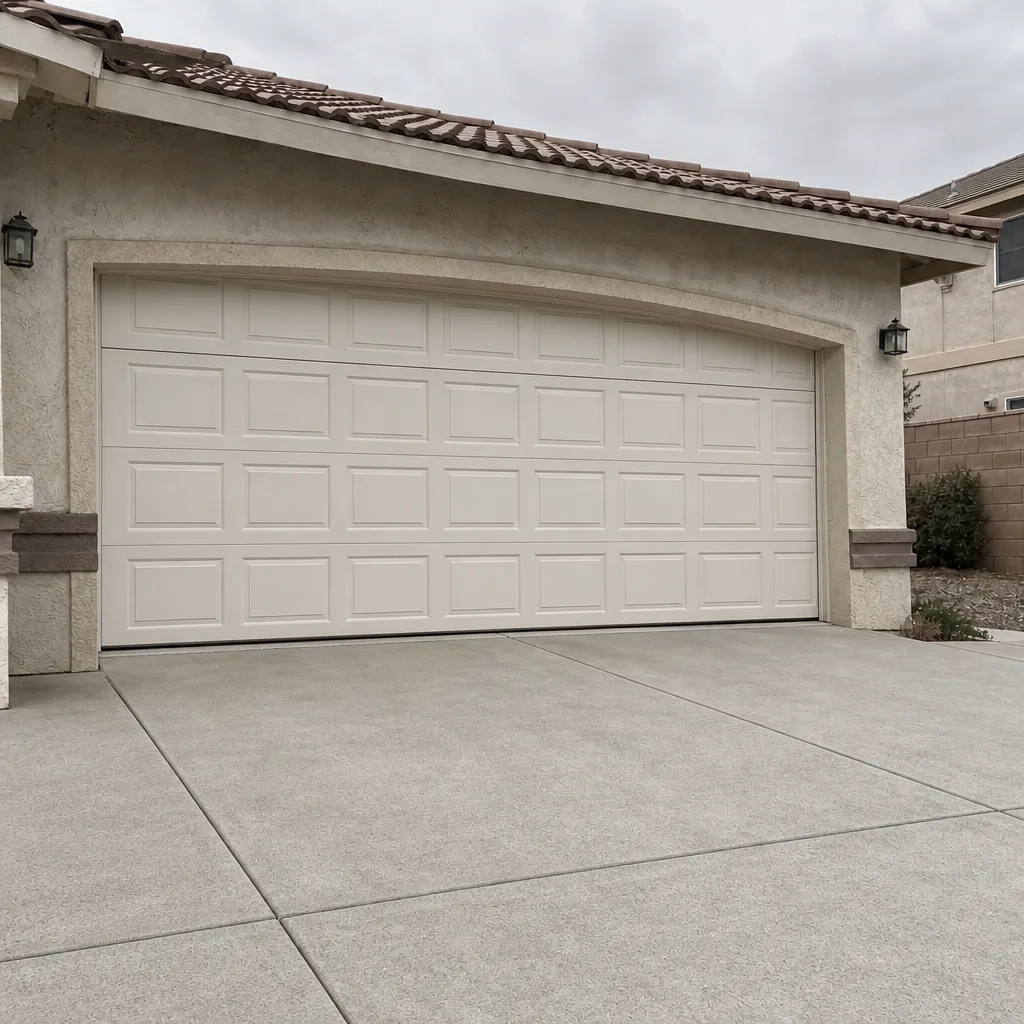 After
When to Call a Professional
Most of this guide you can do yourself with a can of lubricant and a hand on the door. Some of it you shouldn’t touch. Call a professional if you see any of these:
- A door that won’t stay put when you lift it halfway. That’s a spring problem, and springs are under extreme tension.
- A door that’s visibly off track or hanging crooked.
- The safety reverse fails and re-testing doesn’t fix it.
- You smell burning, hear a persistent grinding, or the motor hums without moving the door.
- A trolley carriage that has separated or a drive gear that’s stripped.
- An opener twelve years or older that’s failing regularly.
Torsion and extension springs, cables, and the opener’s internal drive assembly are the parts that hurt people when they fail. Don’t run a spring adjustment or a drive gear replacement by trial and error. The garage door repair team in Winchester carries the parts to fix it on a single visit.
Mainspring Garage Door Co. Winchester offers free estimates in Winchester. Call (888) 326-0817 and a real person will pick up, day or night. Our technicians have up to 10 years of experience, and every job is covered by our 90-Day Done Right Promise: if it isn’t right, we come back at no charge, in writing.
Frequently Asked Questions
Every six months for a chain or screw drive, and once a year for a belt drive. In Winchester, we recommend the twice-yearly pass because the wide temperature swings dry out lubricant faster than in a milder climate. Use a chain and cable lubricant or white lithium grease, never WD-40.
A chain and cable lubricant or a white lithium grease spray, applied lightly along the chain and wiped clean. Belt drives take a light silicone spray only. Screw drives need the manufacturer’s lithium grease. WD-40 is not appropriate for any of them because it strips rather than protects.
If the opener is twelve to fifteen years old and failing more than once or twice a year, replacement usually costs less than the repairs over the next two years. If the drive gear, trolley carriage, or safety sensors are the only problem and the motor runs smoothly, repair is the right call. A written estimate tells you which side of that line you’re on.
Most often it’s the photo-eye sensors being knocked out of alignment or the force limit set too low. In Winchester, dust on the lenses and daily heat cycling that shifts the brackets are common culprits. Wipe the lenses and re-align the sensors first. If the door still reverses with the path clear, the force limit needs adjustment or the logic board is failing.
Yes, the monthly safety reverse test and the five-minute force and travel limit test are both safe to run with your hand on the door. The adjustment screws are on the motor housing and described in your manual. What you should not do yourself is adjust a torsion spring, replace a cable, or pull apart the internal drive assembly. Those need a trained technician.
A full lube of the drive, rollers, hinges, and springs; a force and travel limit calibration; tightening of all track and bracket bolts; a balance test; and a check of the safety sensors. Our $89 Seasonal Tune-Up covers this at a flat price, quoted before we start. We’re factory-familiar with LiftMaster, Chamberlain, Genie, Clopay, Amarr, Wayne Dalton, and Raynor.
The Bottom Line
Your garage door opener doesn’t wear out all at once. It wears out in a specific order, and the parts that quit first are the ones a calendar would have caught. Lubricate the drive every six months with the right product. Test the safety reverse monthly. Run the force and travel test once a month. Inspect the trolley carriage at five years, and start budgeting for replacement between twelve and fifteen. Do that, and you’ll get every year of life the opener has to give. Skip it, and you’ll pay for a replacement years early. If you’d rather hand off the whole routine, our Mainspring Garage Door Co. Winchester home page tells you how to reach us. Call (888) 326-0817 for a free estimate, and a live person will answer, day or night. Every completed job is covered by our 90-Day Done Right Promise, in writing.
Written by the team at Mainspring Garage Door Co. Winchester.