
Last updated November 18, 2026
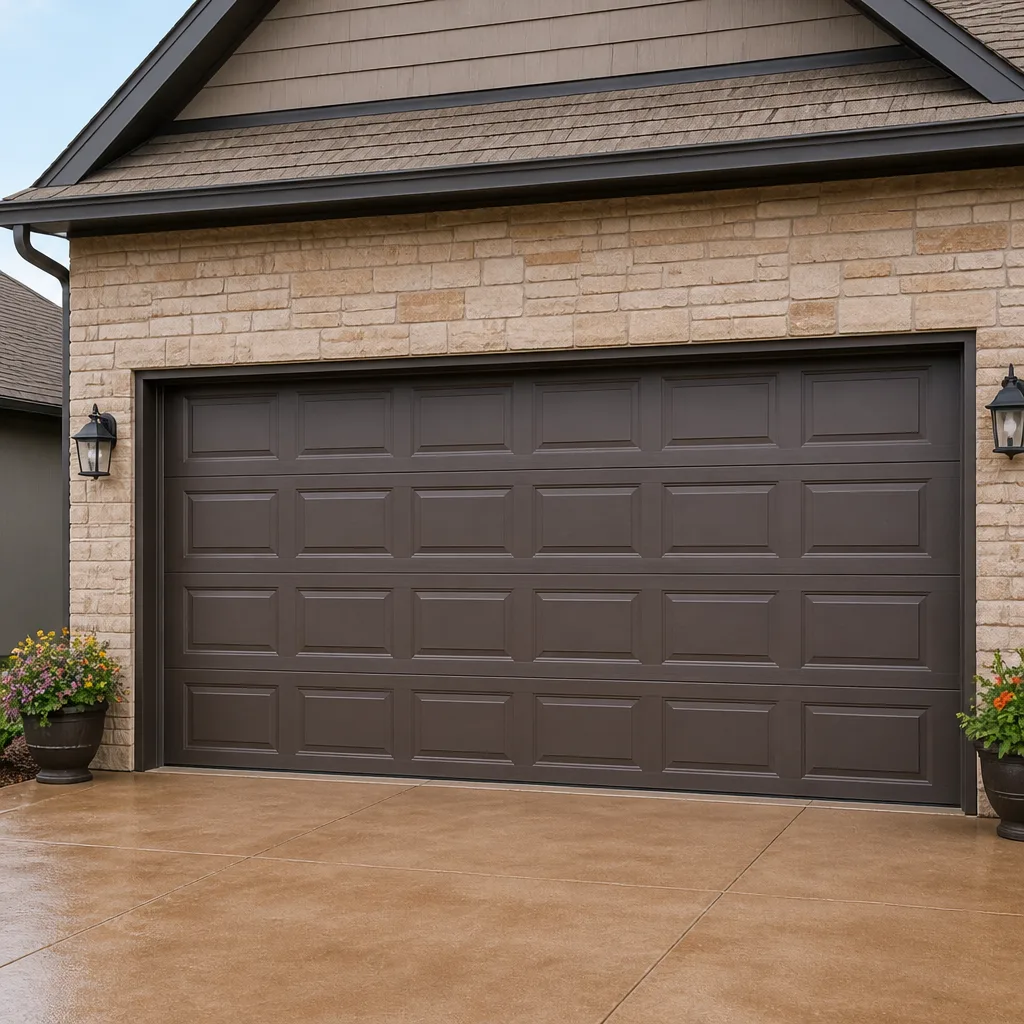 Raised-panel steel
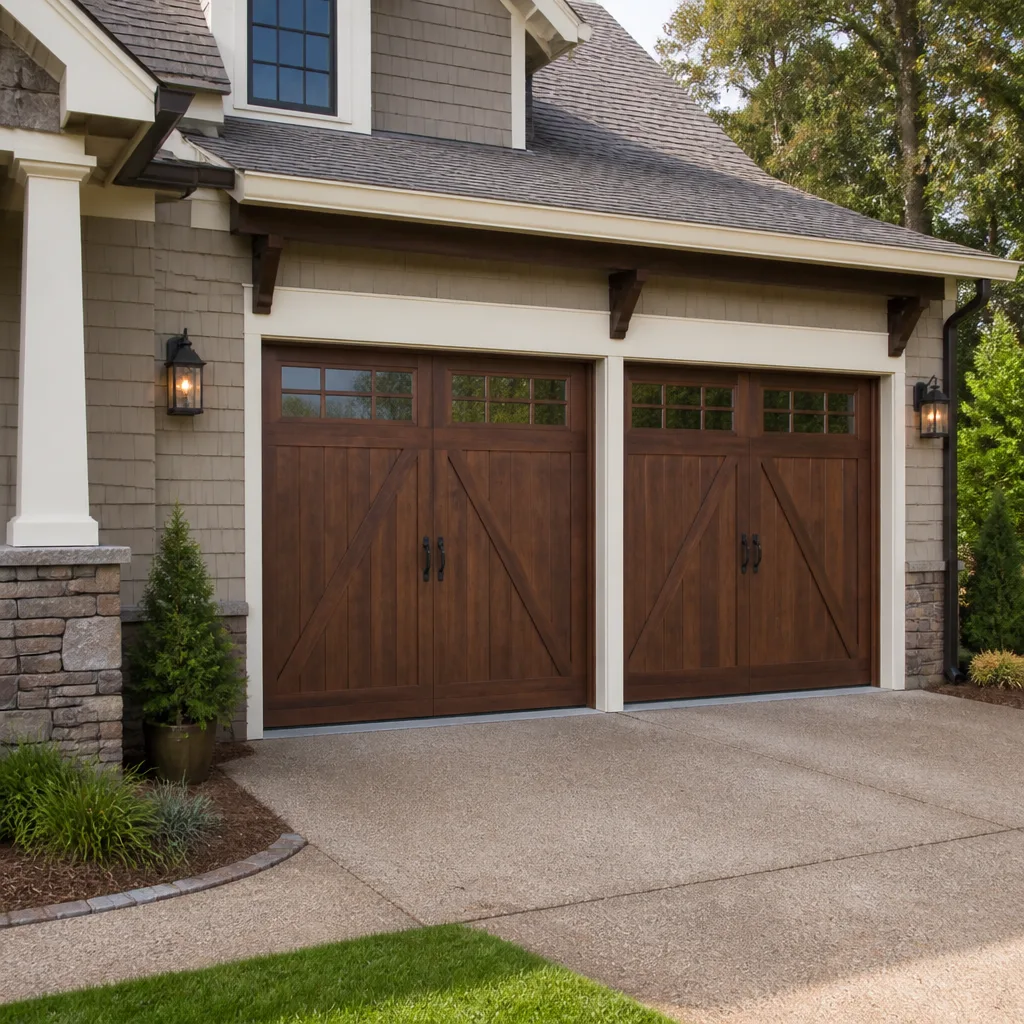 Carriage house
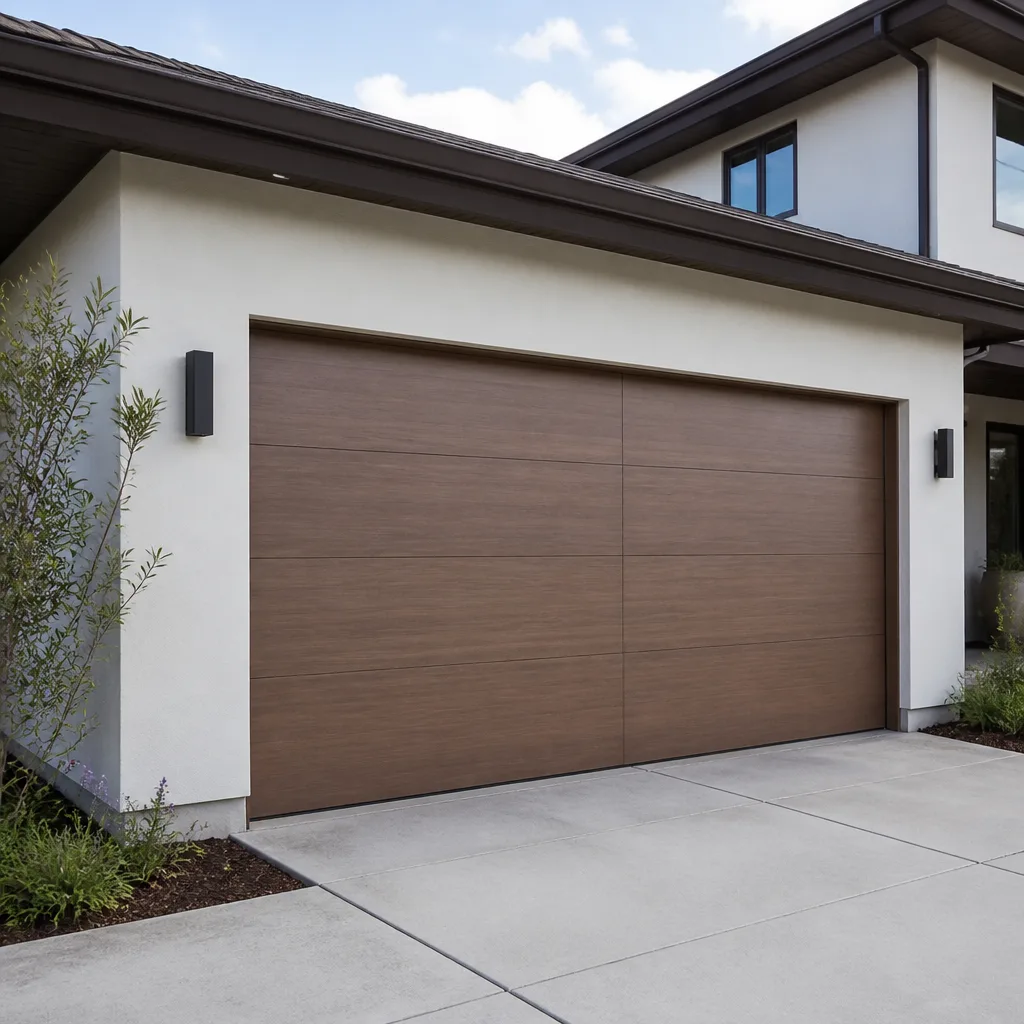 Modern flush
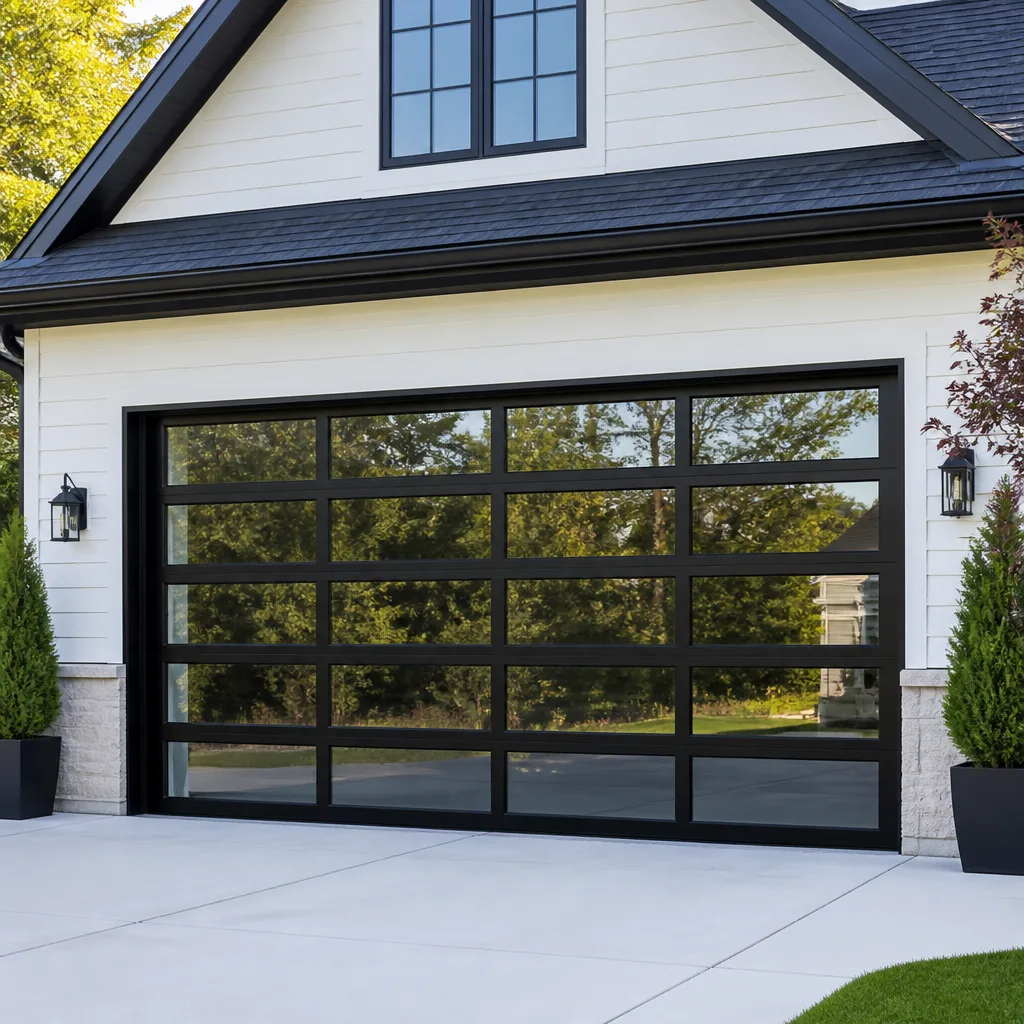 Full-view glass
 LiftMaster openers
 Chamberlain openers
Full 25-point door and opener safety check with every visit - springs, cables, rollers, tracks, and your LiftMaster or Chamberlain opener included
You get a price before we start. It does not change when the pro arrives.
Get your free estimateGarage Door Parts Troubleshooting: Common Problems and How to Fix Them
When a garage door starts acting up, most homeowners assume the tracks are bent. In our experience across Winchester, that’s rarely the case. A door that drifts unevenly side to side almost always has a roller problem, not a track problem, and replacing tracks that were fine all along is one of the most common ways people waste money on this repair. The good news is that nearly every garage door failure announces itself through one of four symptoms: noise, uneven or rough movement, visible damage, or a door that won’t move at all. This guide works backwards from each symptom to the specific part responsible, so you can identify what’s actually wrong before anyone touches the door. You’ll learn the safe visual inspection sequence, how to tell worn rollers from a lubrication problem, and when a small failure is quietly wrecking the parts around it.
Quick Answer
Garage door parts troubleshooting starts with matching the symptom to the component: grinding or squealing points to rollers and hinges, uneven side-to-side movement points to worn rollers or a failing cable, a door that opens partway and stops points to a broken spring, and a door that won’t move at all points to a snapped cable, a dead opener, or a power fault. Homeowners can safely inspect rollers, hinges, tracks, weather seal, and the opener from the floor. Springs and cables carry dangerous tension and should only ever be assessed visually from a safe distance and repaired by a trained technician. Our technicians have up to 10 years of experience diagnosing exactly these failures, and the price is always agreed before any work begins.
Styles & brands we work with
- Raised-panel steel
- Carriage house
- Modern flush
- Full-view glass
- LiftMaster openers
- Chamberlain openers
Table of Contents
- The Visual Inspection Sequence: What to Look At First
- Noise Problems: Grinding, Squealing, and Banging
- Movement Problems: Uneven, Slow, or Stuttering Doors
- Appearance Problems: Cracks, Gaps, and Sagging Panels
- Total Failure: When the Door Won’t Move at All
- Inspecting Springs and Cables Safely From the Floor
- Rollers and Hinges: Replace or Lubricate?
- How One Worn Part Quietly Wears Out the Rest
The Visual Inspection Sequence: What to Look At First
Chasing the wrong component wastes time and money, so order matters. Before you touch anything, watch the door run through one full open-and-close cycle from the floor of the garage. Stand back, stay clear of the moving door, and listen for where the noise originates and watch how the door tracks from left to right. If the door has a broken spring or a loose cable, do not run it again. Once you have observed the cycle, work through this order:
- Rollers first. Look at the small wheels that ride in the track. A cracked wheel, a flat spot, or a roller that wobbles in its bracket is a common culprit.
- Hinges second. Check the metal joints connecting door panels. Look for wear, bends, or loose screws on the hinges you can reach from the floor.
- Tracks third. Examine the tracks for bends, dents, or gaps between the track and the door. A door that moves unevenly often looks like a track problem but traces back to a roller.
- Weather seal and bottom edge. A torn bottom seal lets in moisture and dust, which matters more than usual in Winchester’s dry, windy stretches.
- Opener and hardware near the ceiling. Look at the belt or chain, the trolley, and the safety sensors near the floor.
- Springs and cables, from a safe distance only. Look, don’t touch. A stretched cable hanging slack or a spring with a visible gap in the coil is a call-us-now situation.
This sequence moves from the least dangerous, most accessible parts to the most dangerous. By the time you reach the springs, you should already have a strong idea of whether the problem is a simple wear item or something that needs a trained eye. If you’re not sure where to start, our team handles garage door repair in Winchester every day and can walk you through the diagnosis over the phone.
Noise Problems: Grinding, Squealing, and Banging
Noise is the most useful symptom a garage door gives you, because the pitch and timing tell you where the wear is. A high-pitched squeal during travel almost always comes from a dry roller or hinge. A grinding sound suggests a roller seizing or a metal-on-metal contact in the track. A loud bang, followed by the door no longer lifting, is the signature of a snapped torsion spring. Here’s how to sort them:
- Squealing during movement: Dry rollers or hinges. Lubrication with a proper garage door lubricant (not WD-40) may resolve it if the parts are otherwise sound.
- Grinding, especially in one spot along the track: A seized or flat-spotted roller dragging through the curve of the track. Replacement is usually the fix.
- Rattling or banging as the door moves: Loose hinge screws, worn hinge leaves, or a loose track fastener.
- A single sharp bang and the door stops lifting: A broken torsion or extension spring. This is dangerous. Stop using the door and call for repair.
- Groaning from the ceiling unit: A dry opener chain or a failing opener gear, common on Craftsman and Chamberlain units once the drive wears.
Winchester’s dry air and wide temperature swings from summer heat to cool desert nights loosen fasteners faster than in humid climates, so a rattle that seems minor in June can turn into a hinge failure by fall. If you’ve lubricated and tightened what you can reach and the noise persists, the rollers are usually the next thing to check.
Movement Problems: Uneven, Slow, or Stuttering Doors
This is where that opening insight earns its keep. A door that rises with one side lagging behind the other looks, at first glance, like a bent track. More often it’s a worn or seized roller on the lagging side, or a cable that’s beginning to bind. Here’s how to tell the difference before you buy a single part:
- Run the door and watch the gap between the door panel and the track on both sides. If one side pulls away unevenly, note which side lags.
- Inspect the rollers on the lagging side for flat spots, cracks, or wobble in the bracket.
- Look at the track for visible dents or bends. A bent track usually shows a clear dent or kink, not a gradual drift.
- Watch the cable on that side. A cable running loosely or riding off its drum signals a tension problem, and that is a stop-and-call situation, not a DIY fix.
Slow or stuttering movement has a different set of suspects: a failing opener motor, a worn drive belt or chain, or binding rollers. Wayne Dalton and Amarr doors built with plastic rollers are especially prone to the flat-spot stutter after a few years of daily use. If the door hesitates at the same point every cycle, the roller at that height is usually the one to replace.
Persistent uneven movement wears the opener motor as it fights the drag. If the door is older and the opener keeps tripping, our garage door opener service in Winchester can confirm whether the opener is the cause or the victim of a door that’s out of balance.
Appearance Problems: Cracks, Gaps, and Sagging Panels
Visual damage is easy to spot but easy to misdiagnose. A crack in a steel panel or a sagging top section rarely means the door is due for replacement. More often, it points to a hinge that has pulled loose, a bent panel from a low-speed bump, or a top section that’s lost its structural support at the strut. Here’s what to check:
- Gaps at the top or sides of the door: A worn top seal, a bent hinge, or a track that’s been knocked out of alignment.
- Cracks in a panel: Impact or fatigue. In steel doors, a hairline crack near a hinge is usually a stress point and warrants a closer look.
- Sagging sections: Often a missing or loose strut on a wide single door. Larger doors rely on that reinforcement to hold their shape.
- Rust along the bottom edge: Less common in Winchester’s dry climate than in wetter regions, but still possible after sprinkler splash and winter rain.
Appearance problems matter because a gap or a sag allows wind, dust, and pests in, and those small issues accelerate wear on the seal and the bottom roller. The garage door installation in Winchester team sees plenty of doors that only needed a panel, a strut, or a hinge replaced. Replacement is the exception, not the default.
Total Failure: When the Door Won’t Move at All
A door that won’t move needs a methodical check, because the cause could be mechanical, electrical, or a safety feature doing its job. Work through this list before calling:
- Check the opener’s wall button. If the wall button works but the remote doesn’t, the issue is the remote or its battery, not the door.
- Check the power source. A tripped breaker or unplugged opener is the simplest fix. Look for a red indicator light on the motor housing.
- Check the safety sensors near the floor. If the sensor light is off or blinking, the door won’t close for safety. Clear dust, spiderwebs, or an object from the beam path.
- Look at the springs and cables from a safe distance. A visible gap in a torsion spring or a slack cable hanging off its drum means the door is unsupported. Do not operate it.
- Check the manual release. If the door has been disconnected from the opener and won’t lift by hand, the problem is in the door’s mechanical parts, not the opener.
If the door still won’t move and you’ve ruled out power, remote, and sensors, the cause is usually a broken spring or a snapped cable, and that repair should not be attempted without training. In Winchester, we get calls after heat spells when a tired spring finally gives out. The Mainspring Garage Door Co. Winchester home answers those calls with live people, day or night.
Inspecting Springs and Cables Safely From the Floor
Springs and cables carry the full weight of the door, and they can cause serious injury in an instant. Here’s the line: look, don’t touch. We want every homeowner to understand what they’re seeing without ever putting a hand or a tool on a live spring or a stretched cable. Here is what you can safely assess from the floor:
- Look for a visible gap in the torsion spring mounted above the door. A clean break in the coil is a clear sign the spring has failed.
- Look at the cables along each side. A cable that has come off its drum and hangs slack is unsafe. A cable that’s frayed but still seated is worn and due for replacement.
- Look at the extension springs if your door has them. They run along the horizontal tracks. A spring stretched out of shape or missing its safety cable is a red flag.
- Listen after a cycle. An unusual twang or a door that jumps slightly as it settles hints at a spring issue.
Do not use a ladder to reach a torsion tube, do not spray lubricant on a spring to “quiet it,” and never try to wind or unwind a torsion spring yourself. That work needs the right winding bars and a trained hand. When a spring or cable is suspect, stop running the door and call a professional. We’d rather answer a nervous call in Winchester than see someone hurt.
Rollers and Hinges: Replace or Lubricate?
Rollers and hinges are the parts most often replaced when lubrication would have done, and sometimes the reverse. The criteria are simple:
- Lubricate: A roller that turns freely, has no flat spot, and isn’t cracked. A hinge that’s worn but straight and firmly attached.
- Replace: A roller with a visible flat spot, a crack, or wobble in its bracket. A hinge that’s bent, missing a screw hole, or has a worn pin that won’t hold.
- Replace both: When one roller on a door has failed, the rest are usually the same age and quality. Replacing the set often beats chasing failures one by one.
Hinges at the top and bottom of the door take the most load and wear fastest. On many doors, the bottom roller bracket and the bottom hinges are the first to show play. If you’re seeing rust streaks or metal shavings near a hinge, that’s wear you can measure, not just noise. In our experience, Raynor and Genie doors with plastic rollers are the ones where lubricate-versus-replace usually lands on replace. Our technicians carry springs, cables, and the common roller and hinge sizes, so the bulk of these jobs finish in a single visit, with the price stated before any work begins and every job covered by the 90-Day Done Right Promise in writing.
How One Worn Part Quietly Wears Out the Rest
Fixing just the part that broke sometimes misses the root cause, because garage door parts work as a system. When one component wears, it accelerates wear on the others, often invisibly. Here’s how that chain usually runs:
- A worn roller adds drag, and drag makes the opener work harder. The motor runs hotter, the gear wears faster, and an opener that had years left gets replaced early.
- A failing hinge lets the door twist slightly on each cycle. That twist stresses the cable on that side, then the roller bracket, then the panel seams.
- A stretched spring forces the opener to lift more of the door’s weight. The opener was never meant to lift the door alone, so its motor and trolley take the strain.
- A bent track drags against a healthy roller until the roller fails. Replace the roller and the track keeps eating the new one.
- A torn bottom seal lets dirt and grit up into the bottom roller path, which wears the bottom rollers faster than the rest of the door.
The practical rule: when you find a worn part, look at what it touches. If a roller is shot, check its hinge and the cable on that side. If a spring has failed, check the door’s balance before running it with a new one. This is why our diagnostics cover the whole door, not just the part that failed. Replacing the broken piece is good; fixing the cause is what keeps the door quiet and the bill small.
Common Mistakes to Avoid
- Assuming a bent track when the real problem is a roller. Uneven side-to-side movement is usually roller wear. Replacing the track first is a common and costly mistake.
- Lubricating with the wrong product. WD-40 and general-purpose oils collect dust and attract grit. Use a garage-door-specific lubricant on rollers and hinges.
- Handling a torsion spring without training. A wound spring stores enormous force. This is the single most dangerous DIY mistake on this list, and it can be fatal.
- Replacing one worn roller and leaving the rest. If one has failed, the others are the same age. You’ll be back under the door in weeks.
- Ignoring a small gap or torn seal. In Winchester, dust and wind push through gaps that seem minor and wear the bottom rollers and seal faster.
- Running the door after a broken spring. An opener lifting a door with no spring support will overheat and fail, adding an opener repair to the spring bill.
- Buying parts by guess. A roller that doesn’t match the track profile can wear or bind. Bring the old part or the door brand if you’re shopping it yourself.
See the difference
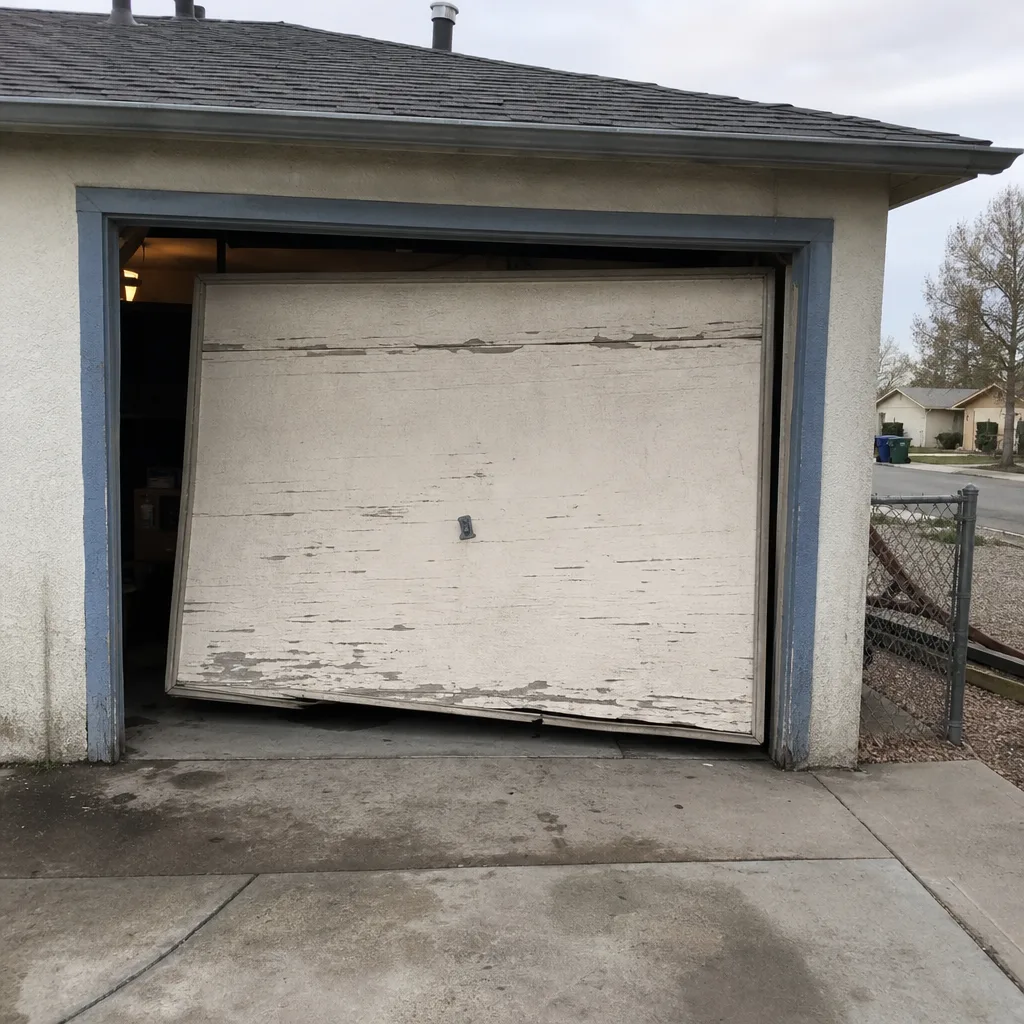 Before
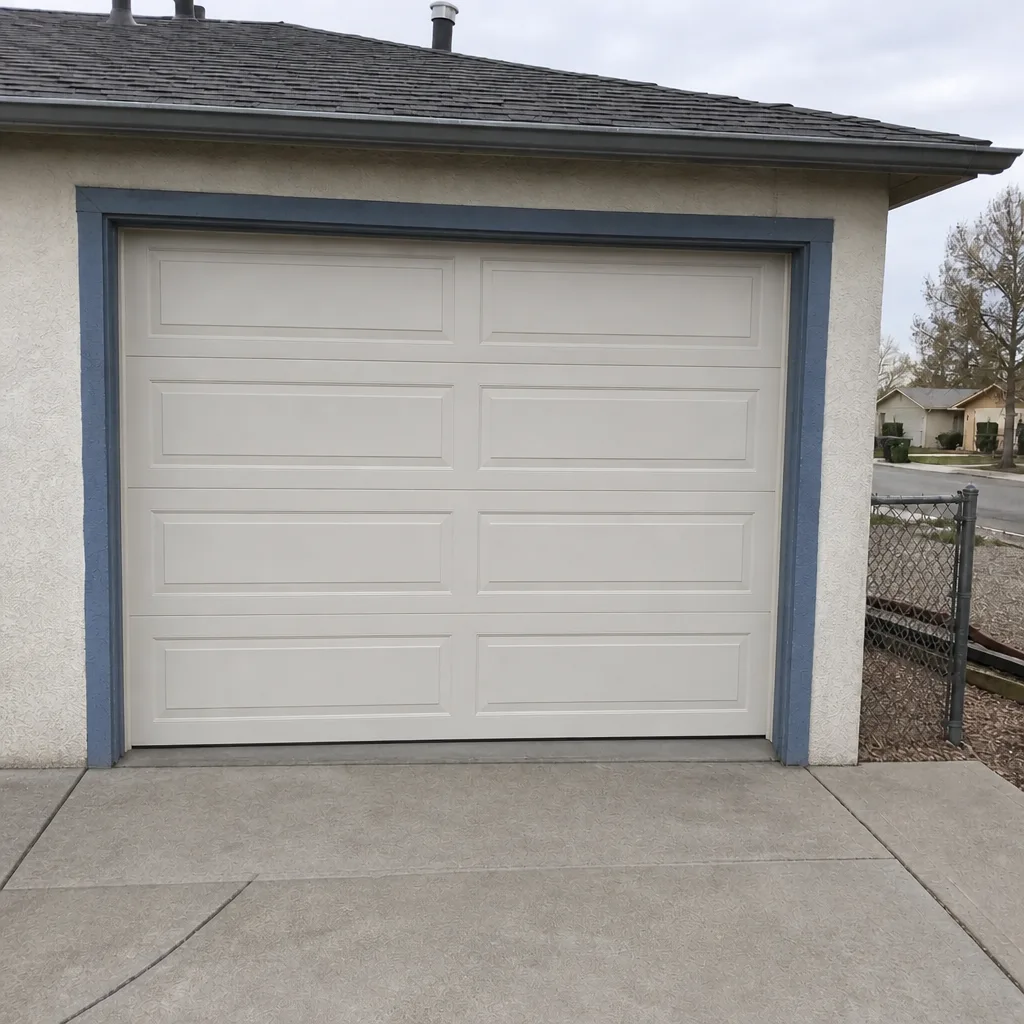 After
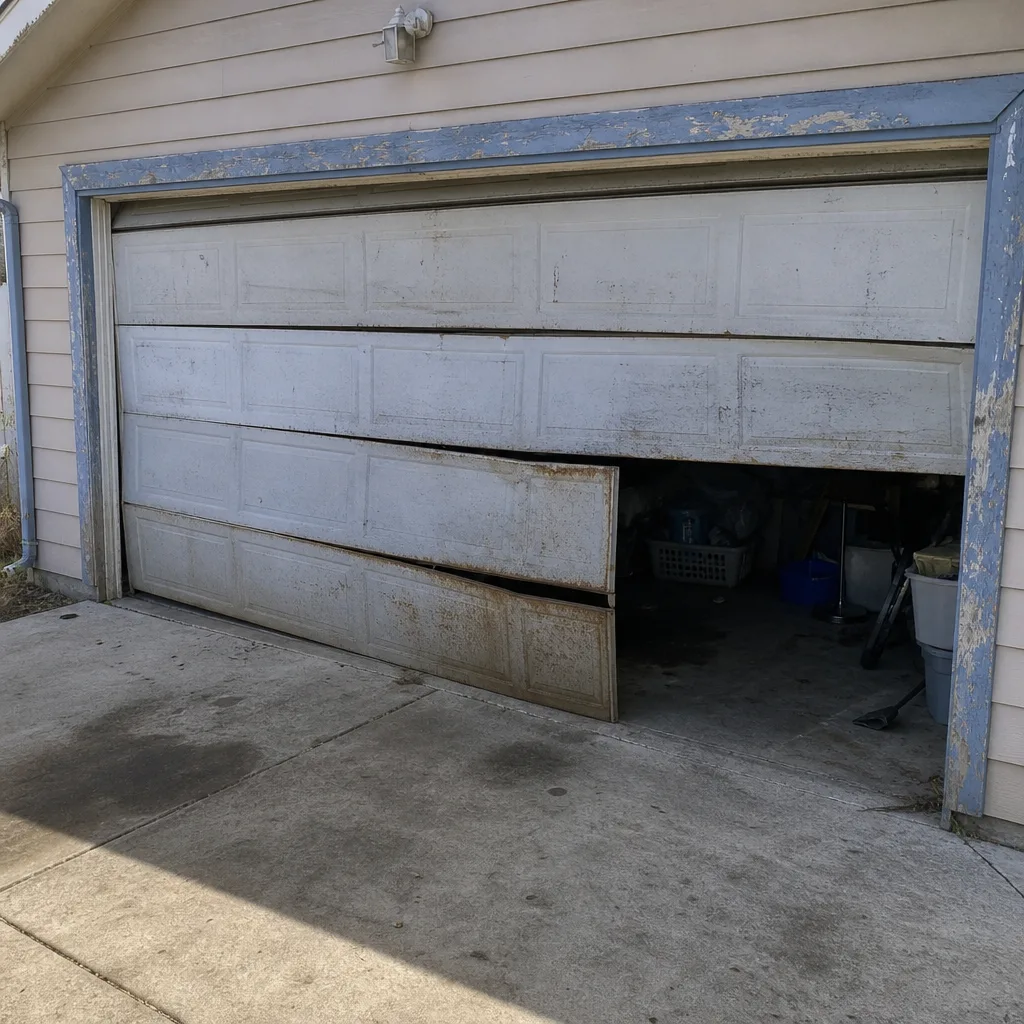 Before
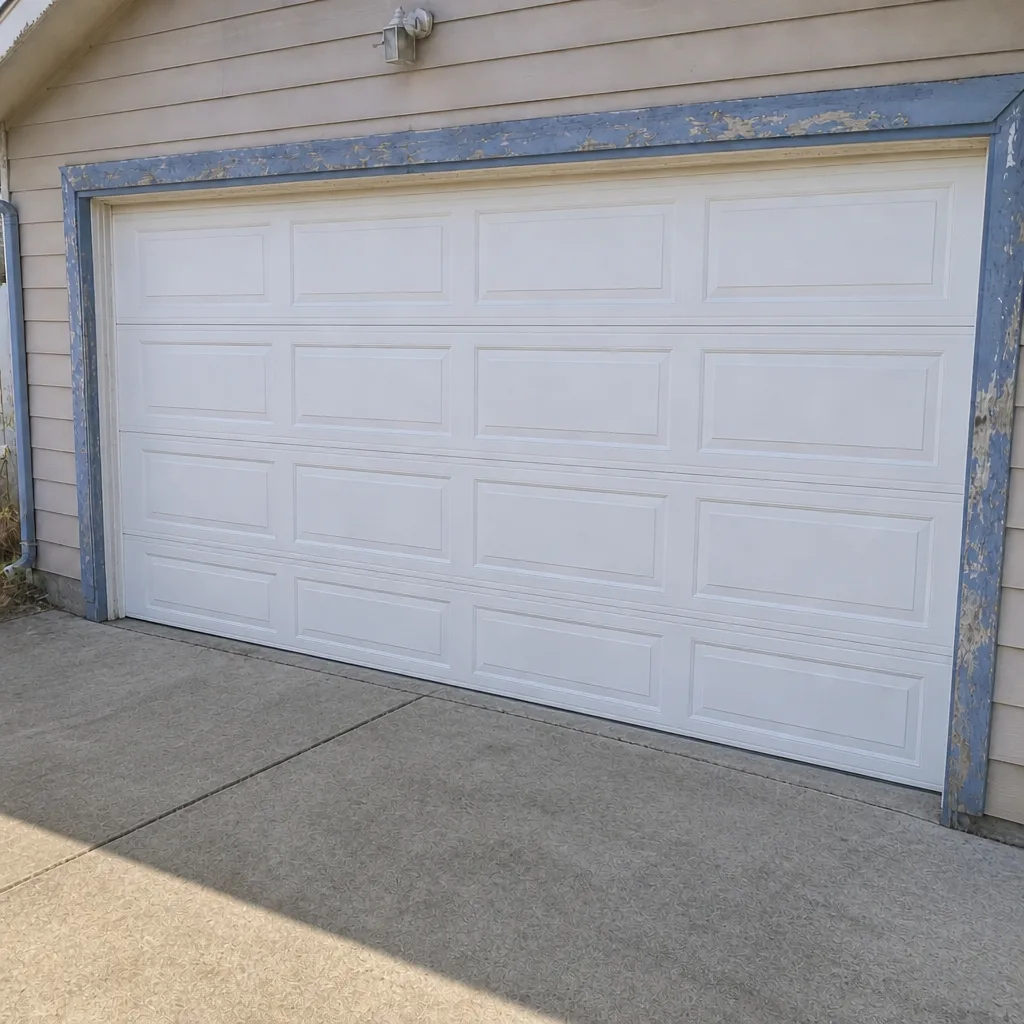 After
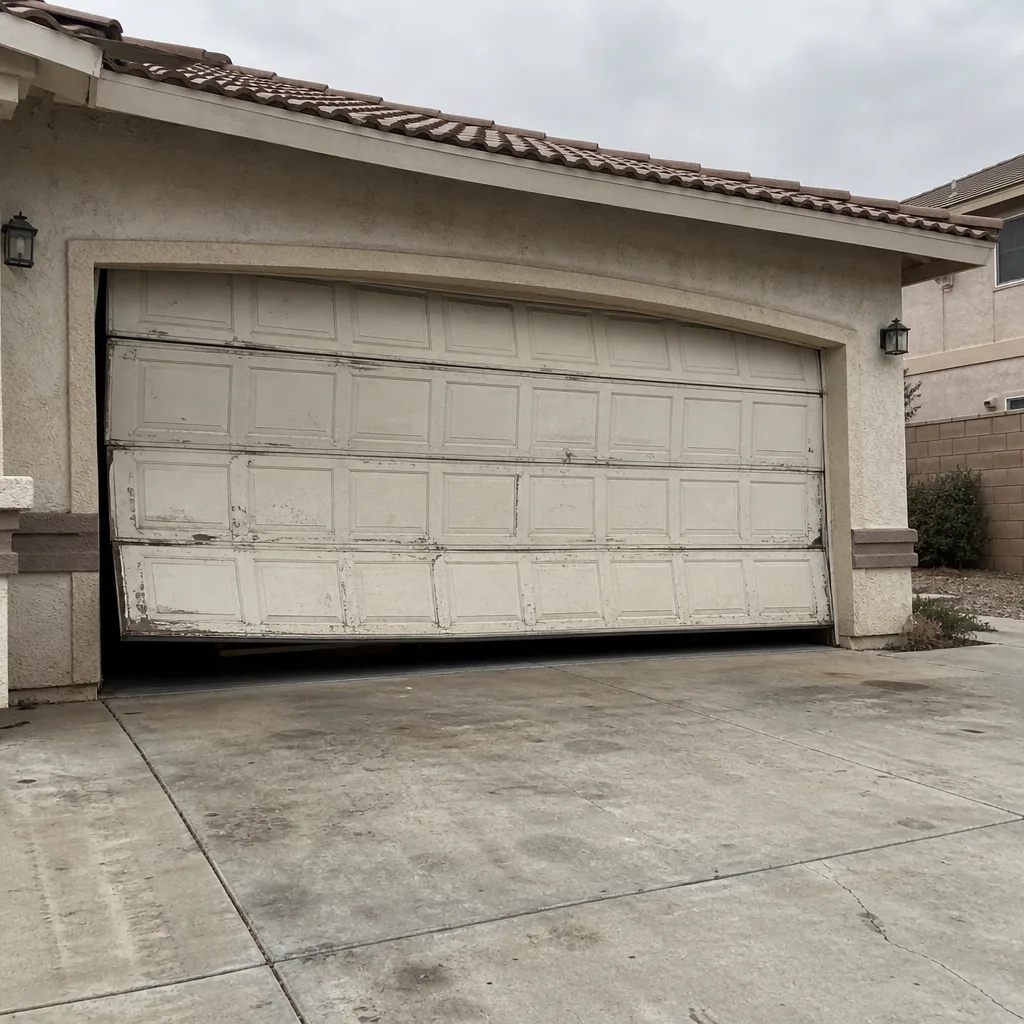 Before
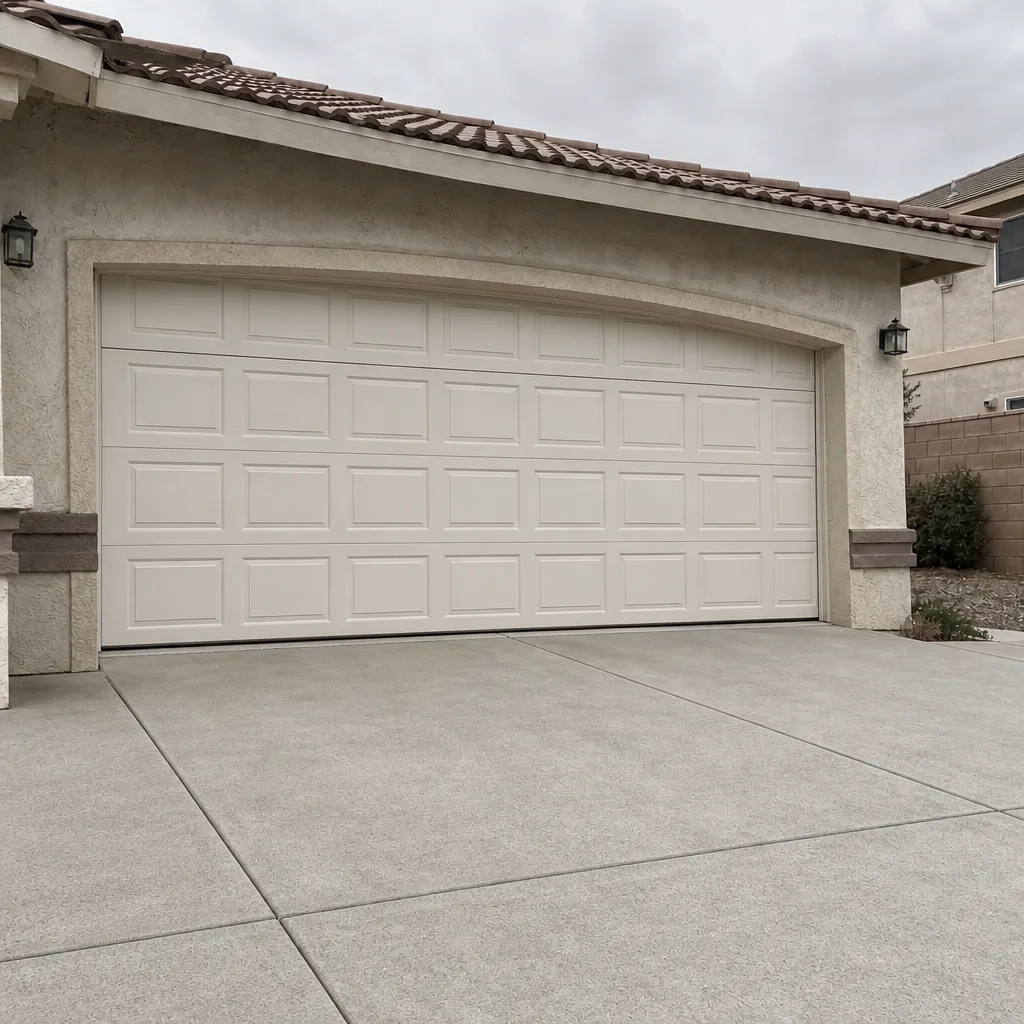 After
When to Call a Professional
Call a professional the moment a spring or cable is suspect, the door won’t move, or the movement is uneven enough to worry you. Those are repairs that need training and the right tools, and the risk of injury isn’t worth trying to save a few dollars. Also call if you’ve lubricated and tightened what you can reach and the symptom persists, if the door feels heavy when you lift it by hand, or if you’re on the fence about whether a part is worn. A trained eye settles it quickly. Mainspring Garage Door Co. Winchester offers free estimates in Winchester, with the price agreed before any work begins, and our technicians carry the common parts so most repairs finish in one visit. Call (888) 326-0817 and a live person will pick up, day or night.
Frequently Asked Questions
Start by identifying the pitch and timing of the noise: a high squeal during travel points to dry rollers or hinges, a grinding sound points to a seized roller, and a loud bang followed by a dead door points to a broken spring. Lubricate the rollers and hinges you can safely reach first, then inspect for flat spots or cracks. If noise continues after lubrication, the rollers are the next thing to check. Call (888) 326-0817 for an exact diagnosis, and estimates are free.
Yes, visually, from the floor, and that’s the limit. Look for a visible gap in a torsion spring, a cable off its drum, or a stretched extension spring, but never touch a wound spring or a live cable. Winding or unwinding a torsion spring needs special tools and training, and a mistake can cause severe injury. If you see a broken spring or slack cable, stop running the door and call us.
Replace a roller if it has a visible flat spot, a crack, or wobble in its bracket, or if it doesn’t turn freely by hand. Lubricate if it turns smoothly with no flat spot and the noise is just dry metal. If one roller has failed, the rest are the same age, so replacing the set is often the square deal. Call (888) 326-0817 for a free second opinion on any written estimate.
Uneven side-to-side movement is most often caused by a worn or seized roller on the lagging side, not a bent track. A cable beginning to bind or lose tension can also cause it. Check the rollers on the lagging side first, then look at the cable; a loose or off-drum cable is a stop-and-call situation. Our technicians service every major brand, including LiftMaster, Wayne Dalton, and Amarr, and we state the price before any work starts.
A seasonal tune-up covers lubrication, roller and hinge inspection, balance adjustment, track alignment, and safety sensor testing. It matters in Winchester because the dry air and wide temperature swings loosen fasteners and dry out lubricant faster than in humid climates, and it catches wear before it becomes a repair. The $89 Seasonal Tune-Up is one of our standing offers, along with $50 Off Any Repair Over $250 and a permanent 5% discount for seniors and veterans.
If the wall button works but the remote doesn’t, the problem is the remote. If the door won’t lift by hand after you pull the manual release, the problem is in the door’s mechanical parts, not the opener. If the door moves freely by hand but the opener struggles, the opener is likely the cause. Call (888) 326-0817 and we’ll help you sort it out over the phone, with a live person answering every call.
The Bottom Line
Most garage door problems can be diagnosed by matching the symptom to the part: noise to rollers and hinges, uneven movement to a worn roller or a binding cable, visible damage to hinges and struts, and total failure to springs, cables, or the opener. Inspect in the order that keeps you safe, from rollers and hinges up to a visual-only look at the springs and cables. Fix the cause, not just the broken part, and stop running the door the moment a spring or cable is suspect. Done right, most of these repairs finish in a single visit, and you’ll know the price before anyone starts.
Call (888) 326-0817 for a free estimate from Mainspring Garage Door Co. Winchester. A live person answers every call, we state the price before any work begins, and every job is covered by our 90-Day Done Right Promise. We service every major brand, from LiftMaster and Chamberlain to Clopay, Wayne Dalton, and Raynor, with background-checked technicians on every job.
Written by the team at Mainspring Garage Door Co. Winchester.