
Last updated November 18, 2026
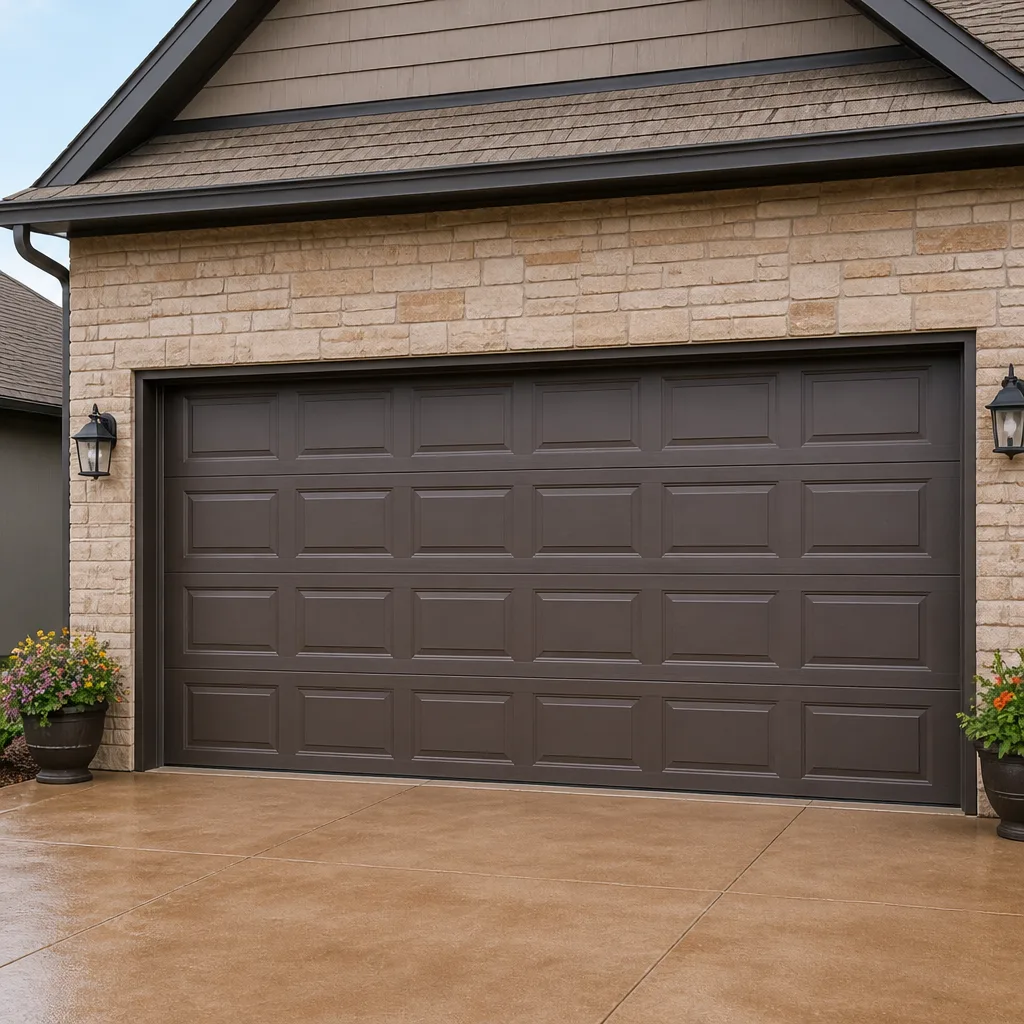 Raised-panel steel
 Carriage house
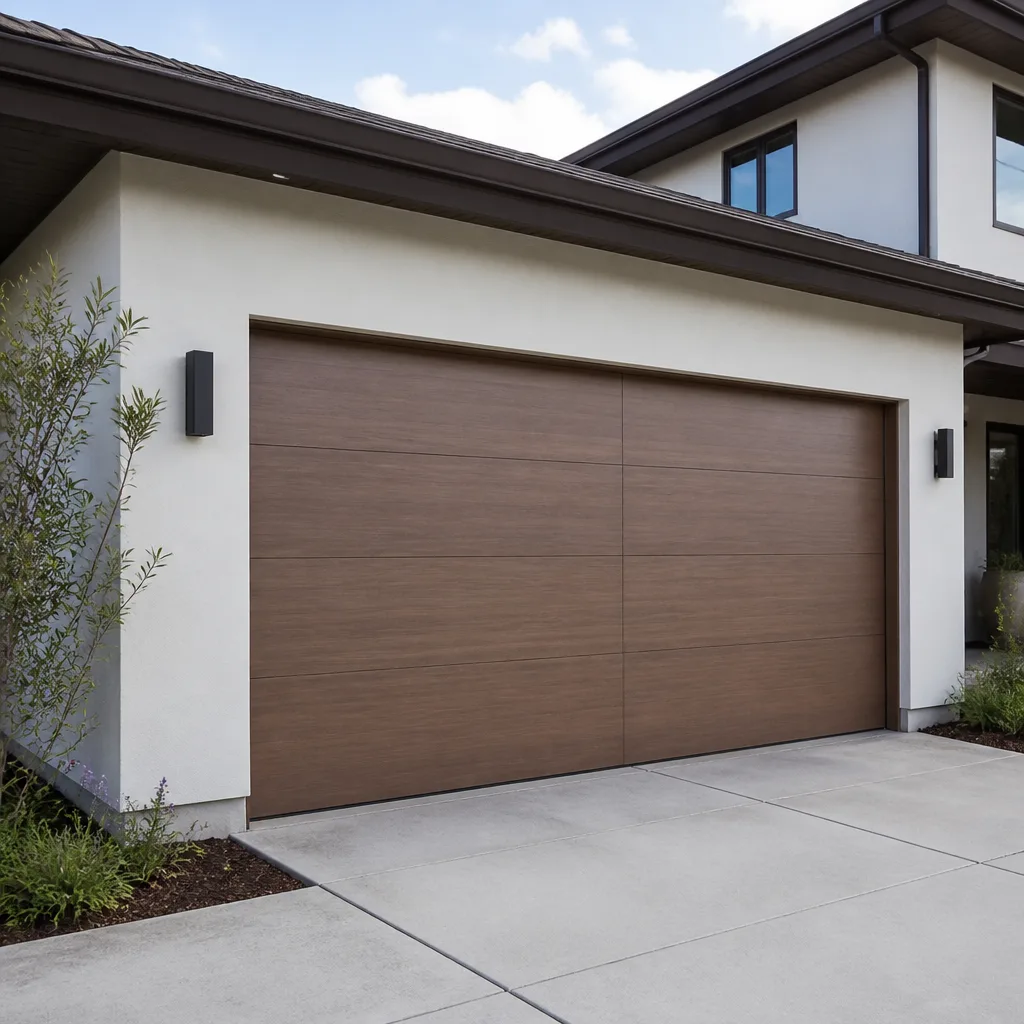 Modern flush
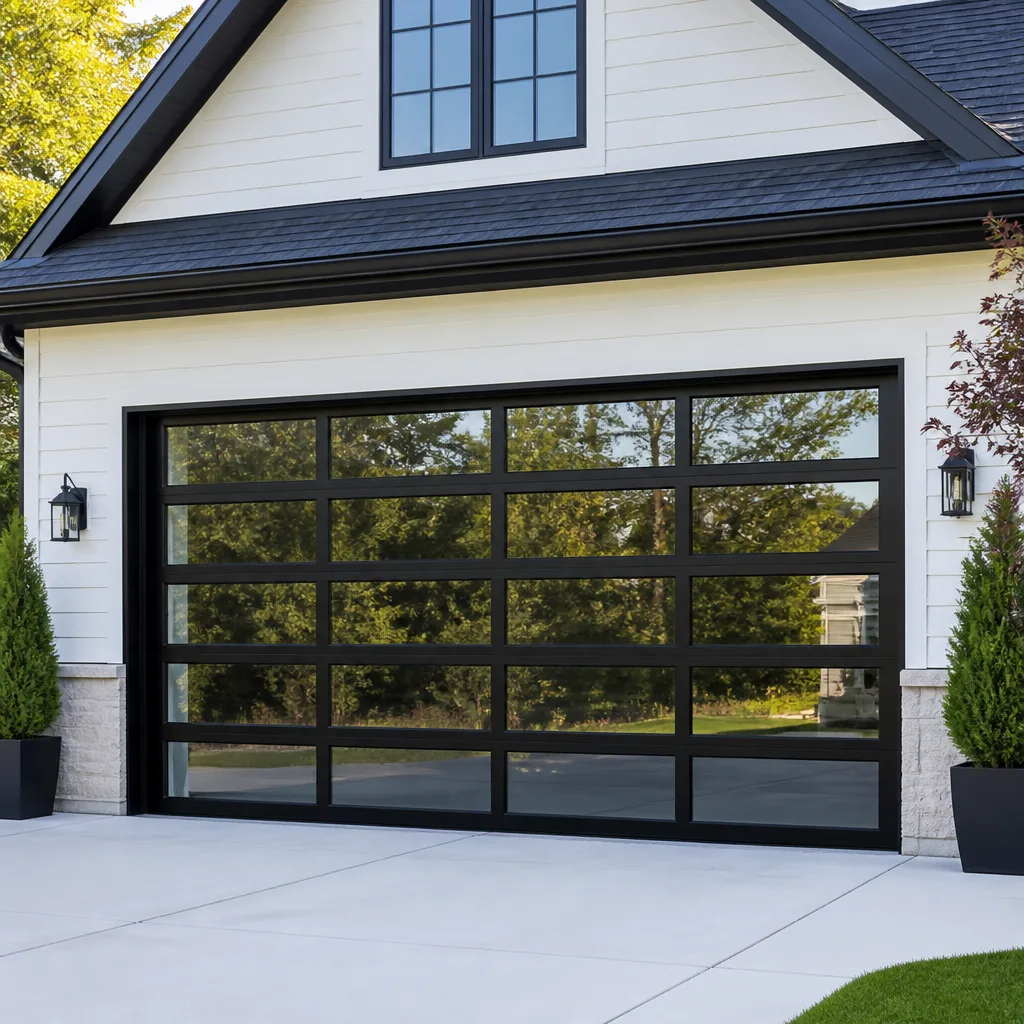 Full-view glass
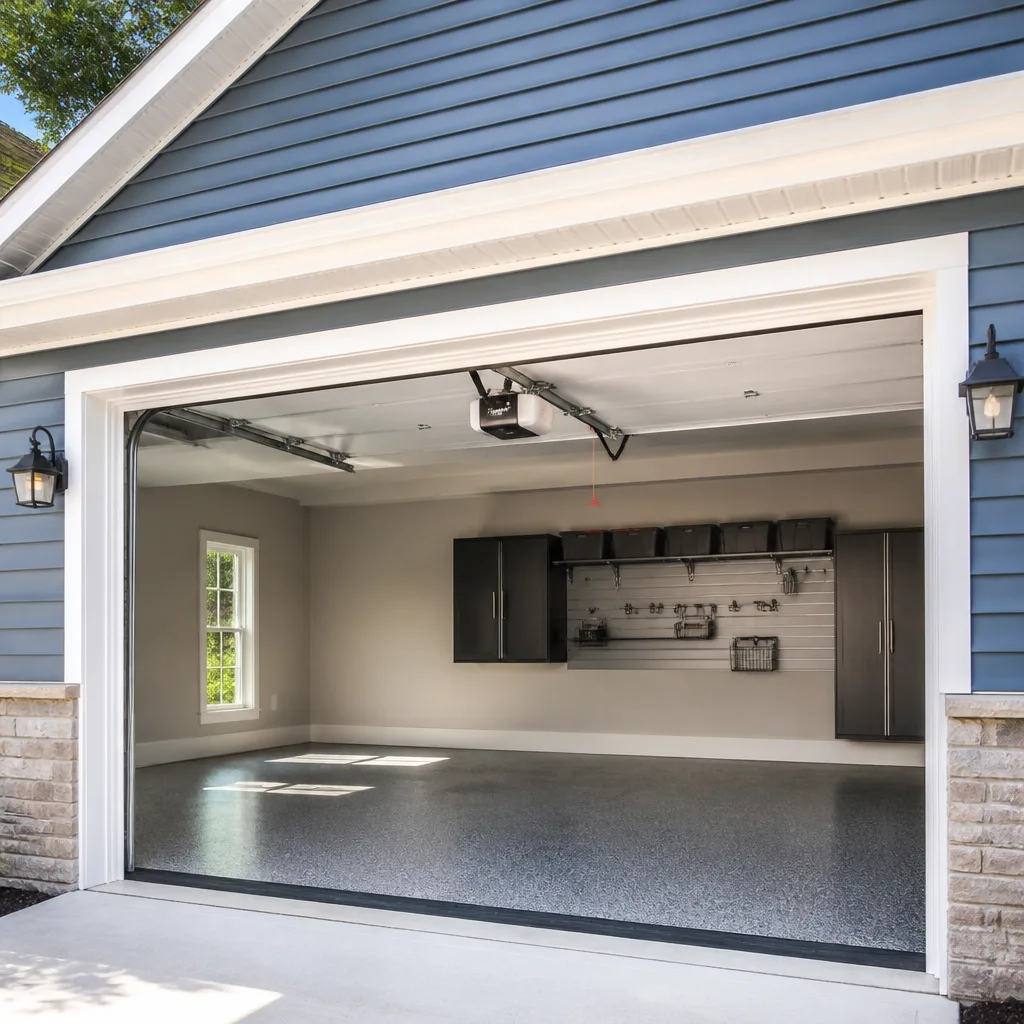 LiftMaster openers
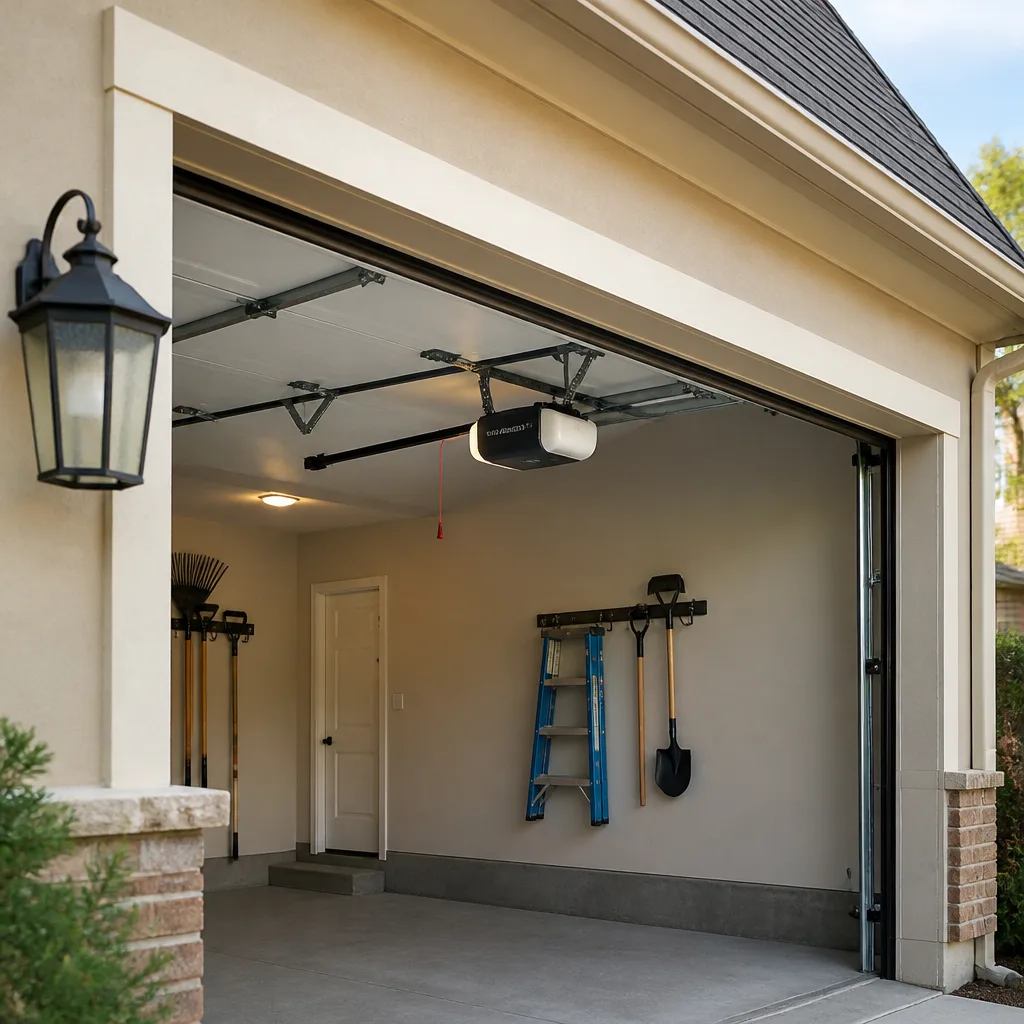 Chamberlain openers
Full 25-point door and opener safety check with every visit - springs, cables, rollers, tracks, and your LiftMaster or Chamberlain opener included
You get a price before we start. It does not change when the pro arrives.
Get your free estimateGarage Door Repair Maintenance Checklist for Winchester Homeowners
The number-one cause of avoidable garage door failures isn’t a broken spring or a dead opener. It’s lubrication applied to the wrong parts in the wrong order, which turns a five-minute task into a $300 service call. We’ve seen it more times than we can count in Winchester: a homeowner with good intentions, a can of the wrong spray, and a door that starts binding within a month. This checklist is sequenced the way a working technician actually moves through an inspection, so nothing gets missed and nothing gets checked twice. You’ll learn what to oil, what to leave alone, how to test your springs safely, and which items to hand off.
Quick Answer
A proper garage door maintenance checklist for Winchester homeowners covers four zones in sequence: lubrication first (hinges, rollers, and the torsion spring only, never the tracks or the opener rail), then a two-minute spring balance test, then a visual inspection of cables, drums, and bottom seals, and finally a safety check of the photo-eye sensors. Most of this is homeowner-safe. Springs, cables, and drums are not. Do the safe parts twice a year, and call a professional for anything involving tension.
Styles & brands we work with
- Raised-panel steel
- Carriage house
- Modern flush
- Full-view glass
- LiftMaster openers
- Chamberlain openers
Table of Contents
- The Lubrication Sequence That Actually Works
- How to Test Spring Balance in Under Two Minutes
- Winchester-Specific Checks: Dust, UV, and Ground Settlement
- The Walk-Around Visual Inspection
- Photo-Eye and Safety Reverse Testing
- Frequency Table Tied to Winchester Seasons
- The Honest Go/No-Go Line
- Common Mistakes to Avoid
The Lubrication Sequence That Actually Works
Lubrication comes first because everything else you check feels different on a door that moves freely. Order matters. A technician working a door in a Winchester neighborhood like Sun City Aliante or Bridle Path starts at the hinges, moves to the rollers, and finishes at the torsion spring. Tracks and the opener rail get wiped down, not sprayed.
Here’s the sequence, and why each step is where it is:
- Hinges first. One small drop of white lithium grease or a garage-door-specific lubricant at each hinge pivot. Not the hinge plate, the pivot pin. This is where most of the noise lives.
- Rollers second. Nylon rollers need almost nothing; a light film is enough. Steel rollers need a drop at the bearing. Skip the roller surface entirely, because lubricant attracts the alkaline dust that blows through Winchester in spring.
- Torsion spring last. A light coat along the coils, applied with the door closed and the spring under tension, only at the surface. This slows corrosion and quiets the twist. Nothing else on the spring assembly gets touched.
Now the parts that never get lubricant. The tracks stay dry. The opener rail stays dry. The photo-eye lenses stay dry and clean. And the two products that cause the most damage when swapped are silicone spray and WD-40. Silicone is a dry lubricant and belongs only on weather seals and the bottom seal, never on metal-to-metal contact. Standard WD-40 is a solvent and water displacer, not a lubricant, and it will wash out the factory grease inside your rollers and hinges and leave them worse than before. Use it to loosen a rusted bolt, not to maintain a door.
One full pass takes about five minutes on a single door. We recommend it as the first step of any tune-up, which is why our Garage Door Repair in Winchester visits start here before touching anything else.
How to Test Spring Balance in Under Two Minutes
Spring balance is the single most predictive check you can run, because a spring that’s losing tension gives you weeks of warning before it fails. The test doesn’t require tools, and it doesn’t require touching the spring.
- Close the door. Pull the opener release cord so the door is on manual operation.
- Lift the door by hand about halfway up and stop. Let go slowly.
- Watch what happens. A door in balance holds its position. A door that drifts down has lost spring tension. A door that drifts up is over-tensioned.
- Repeat at the quarter-open and three-quarter-open positions. Balance should be consistent across the range.
A failing result looks unremarkable at first: a door that sags a few inches before settling, or one that needs a nudge to close fully. That drift is the spring telling you it’s tired. In Winchester, where summer heat accelerates the fatigue cycle on torsion springs, this two-minute test run monthly catches most failures before they turn into a snapped spring at 7 a.m. on a Saturday.
Do not adjust spring tension yourself. The torsion spring carries the full weight of the door, and a slip on the winding bars can break a wrist or worse. If the balance test fails, stop testing and call a professional. That’s not a liability disclaimer; it’s the honest line every good technician holds.
Winchester-Specific Checks: Dust, UV, and Ground Settlement
Every climate stresses a garage door in its own way, and Winchester’s combination of desert dust, intense UV, and expansive clay soils creates three checks that generic national checklists skip entirely.
Alkaline dust in the tracks
The fine alkaline dust that blows through the valley in spring doesn’t just make the door look dirty; it collects in the track channels and grinds against the rollers. Wipe the tracks with a dry or very lightly dampened rag every two to three months during dust season. Never spray lubricant into the track to “rinse” the dust out; that turns the dust into a paste. The same buildup shows up on doors in older sections of Winchester near the wash, where the wind carries more grit.
UV-cracked bottom seals
Winchester’s sun is hard on rubber. The bottom seal on your door takes direct UV for years, and it will dry, crack, and eventually break away in pieces. Run a hand along the bottom seal every season and feel for hard spots or splits. A cracked seal lets dust, water, and small pests into the garage, and it also lets the door metal contact the floor, which accelerates corrosion. Replacement seals are inexpensive, and swapping one is a homeowner-safe job.
Photo-eye drift from ground settlement
The expansive clay soils common in Winchester move with every wet and dry cycle. That movement shifts the small concrete pads under the photo-eye sensors, and the sensors drift out of alignment by a fraction of an inch. The door still works, which is the danger: it will close on a child or a pet because the sensor no longer sees the obstruction. Check alignment every two months by looking for the LED on each sensor; solid on both sides means aligned, blinking means the eyes disagree.
Any door we service in Winchester gets these three checks by default, because they’re the ones that fail quiet.
The Walk-Around Visual Inspection
With the door closed, walk a slow perimeter and look at everything that isn’t moving. This part takes two minutes and catches most of what’s about to break.
- Cables. Look for fraying, kinks, or rust at the drums. A single broken strand means the cable is on its way out. Cables are under extreme tension and are not a homeowner job.
- Drum condition. Small grooves or rust on the cable drums are early warning signs.
- Spring appearance. A light sheen of engine oil or a small oil stain on the springs is a fail indicator. Springs that are oiling are losing their internal integrity and will break.
- Panel and hardware condition. Bent hinges, missing screws, warped panels, and rust along the bottom edge of the door. Clopay and Amarr steel doors handle Winchester sun well but the bottom edges take the worst of it.
- Weather seal around the frame. Look for gaps at the sides and top where the seal has pulled free.
For a door with cable or panel damage visible, this is the point to stop and get a technician on the call. That’s the same inspection our Garage Door Installation in Winchester team runs on new installs, and it’s the same one on a half-century-old Wayne Dalton that’s never been serviced.
Photo-Eye and Safety Reverse Testing
The two safety systems on your door exist to stop it from crushing something, and both need testing more often than homeowners test them. Doing this properly once a month takes about ninety seconds.
- Photo-eye test. With the door fully open, wave a broom handle or your leg between the two sensors. The door should stop and reverse. If it doesn’t, the eyes are misaligned or a lens is dirty.
- Lens cleaning. Wipe both lenses with a dry cloth. Desert dust on a lens is the most common cause of a sensor that’s technically working but only failing to see obstacles.
- Force-reverse test. Lay a 2-by-4 flat on the floor under the open door. Press the wall button. The door should stop at the block and reverse within a couple of seconds. If it crushes the block, the opener needs adjustment.
If the reverse test fails, don’t keep testing. Call a technician. A door that crushes a 2-by-4 will crush a person, and the adjustment on a Genie or Chamberlain opener is not a homeowner-safe fix. Opener settings need a proper force calibration, and that’s a job for the same visit as a full tune-up. Our Garage Door Opener in Winchester team handles this check on every service call because it’s the item most likely to be silently failing.
Frequency Table Tied to Winchester Seasons
Calendar quarters are the wrong interval for a garage door in the desert. Winchester’s seasons drive the timing, and a checklist that respects heat, monsoon, and dust cycles catches more failures than one that fires off in January and April. Here’s the cadence we work to.
- Early spring (March, dust season begins): Full lubrication pass, track wipe-down, photo-eye alignment and cleaning.
- Pre-summer (May, heat rising): Spring balance test, spring surface inspection for oiling or cracks, visual walk-around. Heat fatigue is the dominant failure mode from here through September.
- Monsoon (July-August): Bottom seal inspection for UV cracking, weather seal check around the frame, track wipe-down after any dust storm. Moisture intrusion is the biggest risk in these months.
- Fall (October-November): Full lubrication pass, hinge and roller check, force-reverse safety test.
- Winter (December-February): Quarterly visual inspection and photo-eye test. Winchester winters are mild, so this is the quiet season for the door.
A seasonal tune-up, which we offer year-round at $89, follows this exact sequence and includes everything on it. Homeowners who run the version above between tune-ups almost never face an emergency call.
The Honest Go/No-Go Line
Half this checklist is homeowner-safe and the other half will put you in the emergency room if you attempt it. Here’s the line, stated plainly.
Safe for a homeowner
- Lubricating hinges, rollers, and the spring surface
- Wiping down the tracks
- Cleaning the photo-eye lenses
- Aligning the photo-eye sensors on their brackets
- Running the spring balance test
- Replacing the bottom seal
- Replacing the opener remote batteries
Hand off to a trained professional
- Any adjustment to the torsion spring (the spring carries the full weight of the door; a failure can break bones)
- Cable replacement or tensioning (cables are under extreme tension and break without warning)
- Drum replacement
- Opener force or limit adjustments
- Rewinding or replacing a torsion spring
- Any work where the door is off the tracks or the panels are separated
Every one of those “hand off” items gets done on our truck with the right parts, usually in a single visit, because our technicians arrive prepared. We’d rather you call once than get hurt trying to save a few dollars on a spring.
Common Mistakes to Avoid
- Spraying WD-40 into the tracks. It cleans out the factory grease on your rollers and leaves the track slick with a solvent film that attracts Winchester dust. Use it for a stuck bolt, never for maintenance.
- Oil on the spring instead of on the hinges. We’ve seen doors where the homeowner coated the entire spring assembly but skipped the hinges, and the door still screamed every time it opened. Oil the pivots and rollers; the spring needs only a light surface coat.
- Ignoring the balance test because the door still opens. A door that sags quietly is a door whose spring is already failing. That failed spring is exactly what causes a Saturday emergency here in Winchester.
- Forgetting the bottom seal. UV-cracked seals are invisible from standing height and obvious from a knee. Kneel and check every season.
- Assuming the photo-eyes are fine because the door closes. The most dangerous sensor failure is the one that lets the door close on an obstacle. Test monthly, don’t assume.
- Adjusting opener force to fix a binding door. Increasing the force setting masks the real problem (usually a binding track or a tired spring) and works fine until it doesn’t. Fix the binding; don’t overpower it.
- Skipping tune-ups because “nothing’s broken.” The whole point of a tune-up is finding the thing that’s three weeks from breaking, on a scheduled visit, not on an emergency call.
If any of these mistakes describe the door at your home, our Mainspring Garage Door Co. Winchester home page has a fuller picture of how we handle repairs and tune-ups.
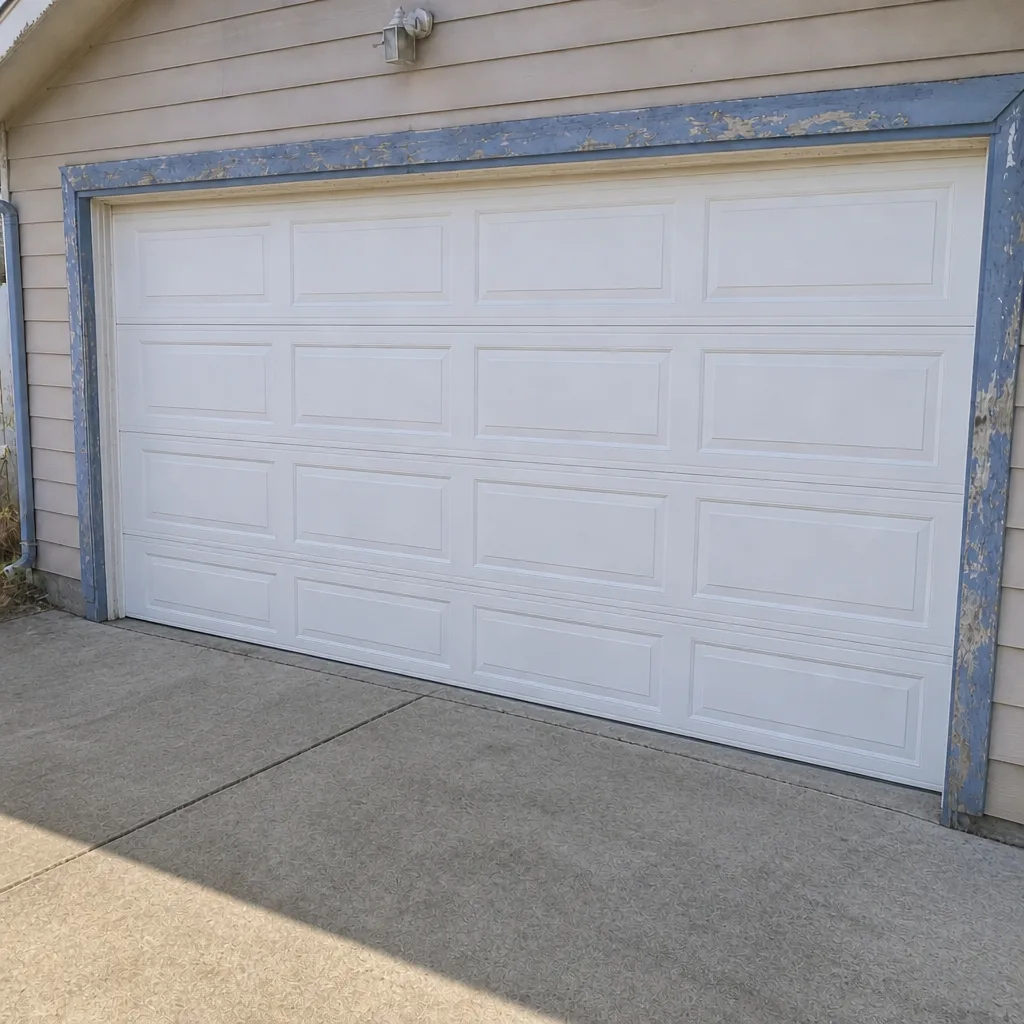
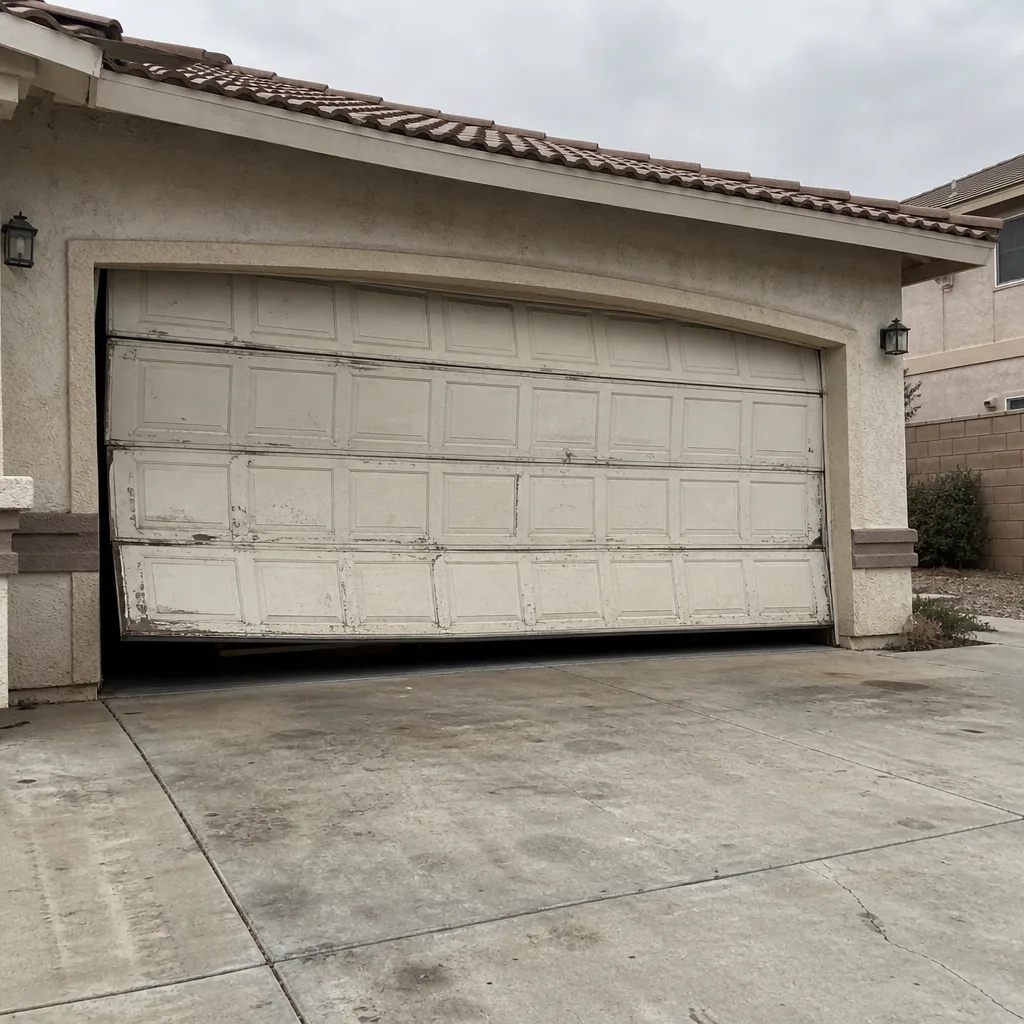
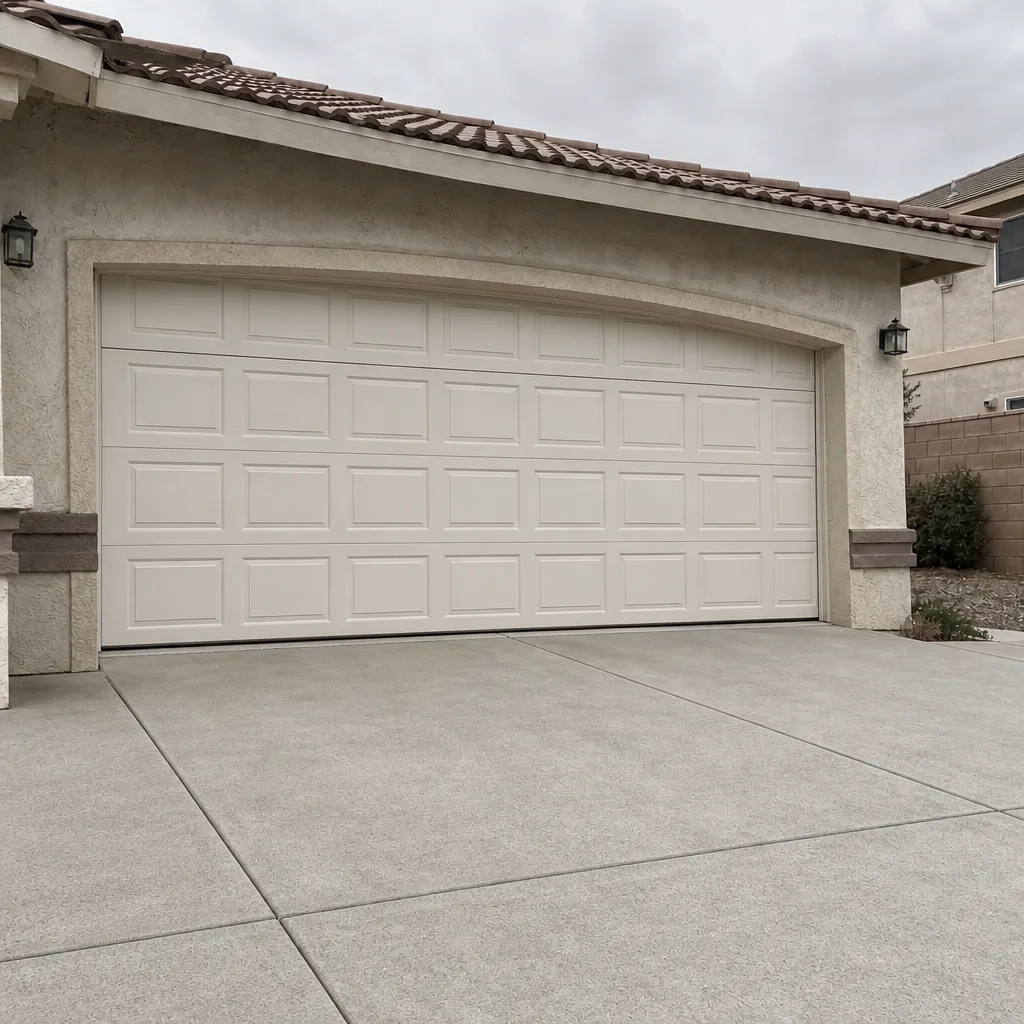
See the difference
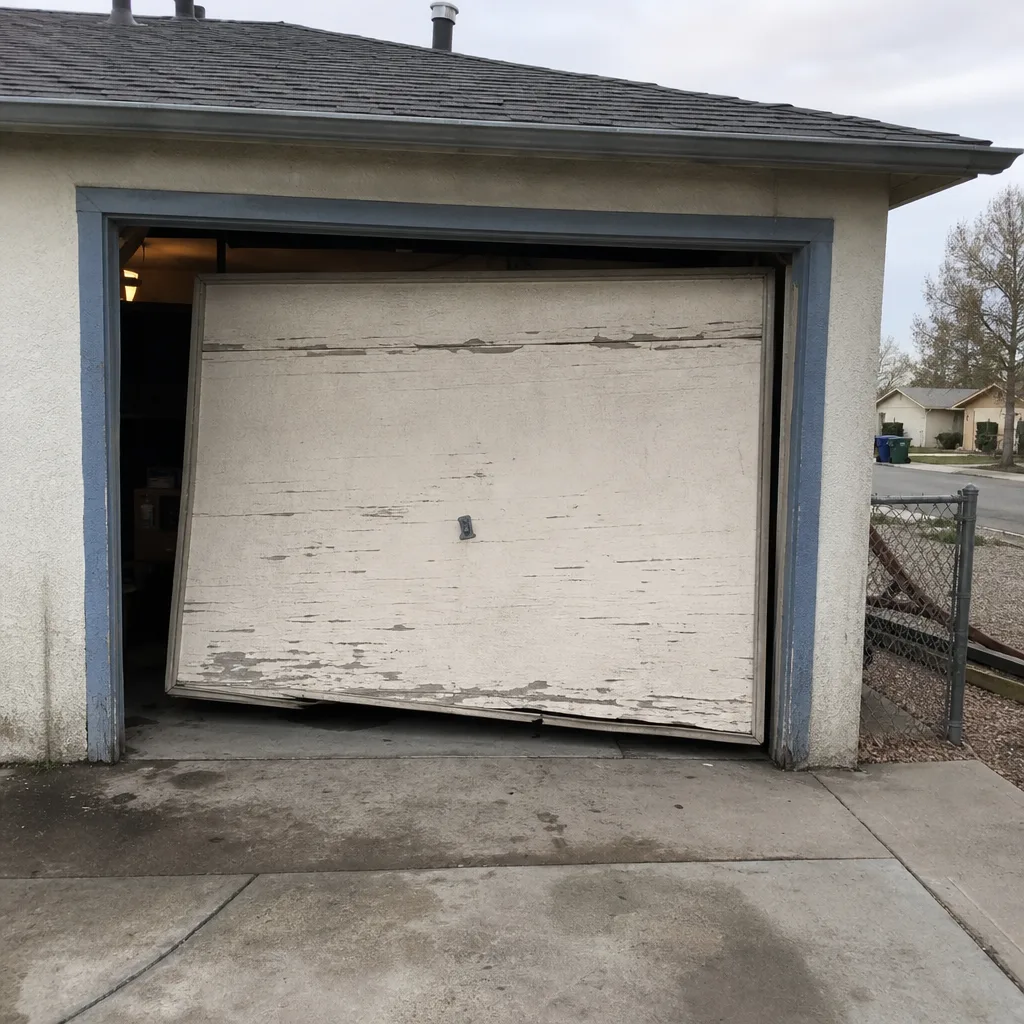 Before
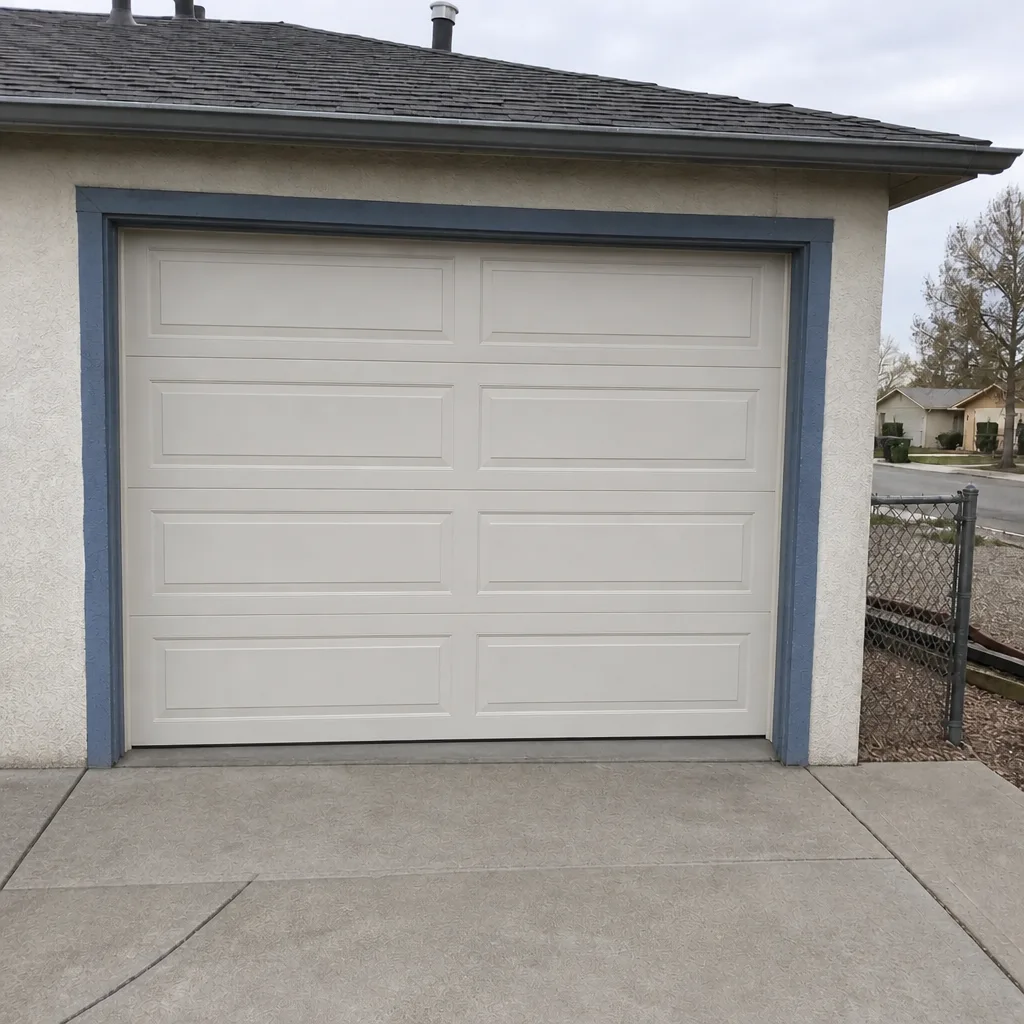 After
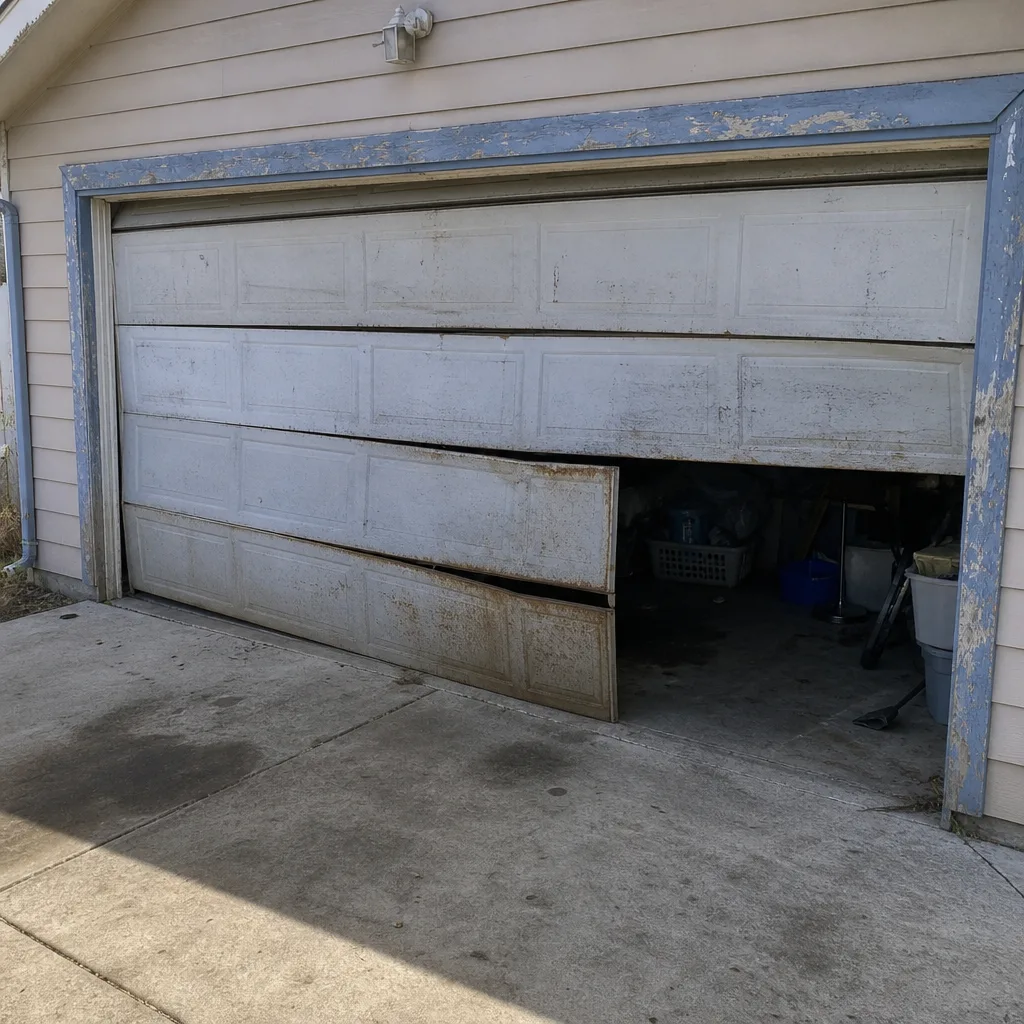 Before
 After
 Before
 After
When to Call a Professional
Call a professional for your garage door when any of these is true: the spring balance test fails, a cable shows any fraying, the door reverses slowly or crushes a 2-by-4 on the force test, the door is visibly crooked in the frame, or you hear a loud snap from the garage. Each of those is a genuine safety issue, not a nuisance, and none of them improve with wait-and-see.
We also recommend calling if the door has never had a professional inspection and it’s more than ten years old. Older doors in Winchester regularly carry failing springs that haven’t yet given way, and catching them on a scheduled visit is far cheaper than a weekend emergency. Mainspring Garage Door Co. Winchester offers free estimates in Winchester, our technicians are licensed and insured, and we’ll quote the price before any work starts. Call (888) 326-0817 and we’ll get you on the schedule.
Frequently Asked Questions
A seasonal tune-up in Winchester is $89 with our current offer, which covers the full lubrication sequence, track cleaning, photo-eye cleaning and alignment, and a safety-reverse test. If the inspection turns up a repair, we quote the flat price before any work begins, so you approve it in writing first. Your estimate is free, and the price we quote is the price you’ll see on the bill.
Twice a year for most Winchester homes, plus a light touch-up after any major dust storm. Once in early spring before the dust season peaks, and once in the fall. If your door is heavy or the house has a lot of daily traffic, monthly lubrication of the hinges and rollers keeps it quiet and lengthens the life of the moving parts.
No. Torsion springs carry the full weight of the door and are wound to hundreds of pounds of tension; a slip on the winding bars can break a wrist or worse. This is the item on our checklist that should always go to a trained professional. Call us and we’ll handle it on the same visit if the parts are on the truck, which they usually are.
It’s almost always the safety reverse force setting, and Winchester heat makes it more common. Metal tracks expand slightly in July and August, the door binds a fraction more, and the opener reads that resistance as an obstacle and reverses. A technician can adjust the force and determine whether a binding track or a tired spring is the underlying cause. Don’t raise the force setting without diagnosing what’s binding.
Yes. Mainspring technicians are background-checked, uniformed, and trained as journeymen under our K.E.Y.S. values code, and our technicians have up to 10 years of experience. Every completed job is covered by our 90-Day Done Right Promise in writing. Call (888) 326-0817 for a free estimate and we’ll be there when we say.
No. We state the flat price before any work begins, and that’s the price you approve. Some shops factor in a “surprise” line item after the fact; we don’t. If a repair turns out to need something not on the original quote, we tell you before touching the door, and you decide whether to proceed.
The Bottom Line
A garage door held together by the correct maintenance sequence lasts decades; one held together by guesswork lasts until the next dust storm. Run the lubrication pass in the right order, test the spring balance monthly, keep the photo-eyes clean and aligned, and hand off anything under tension to a professional. That combination, done against Winchester’s seasons rather than a generic calendar, prevents almost every emergency call we get. If you’d rather not think about it at all, an annual tune-up at $89 catches what the do-it-yourself checklist misses. Either way, do it twice a year and your door will outlast the opener.
Call Mainspring Garage Door Co. Winchester at (888) 326-0817 for a free estimate. Our phones are answered by a live person around the clock, and we quote the price before any work begins.
Written by the team at Mainspring Garage Door Co. Winchester.