
Last updated November 18, 2026
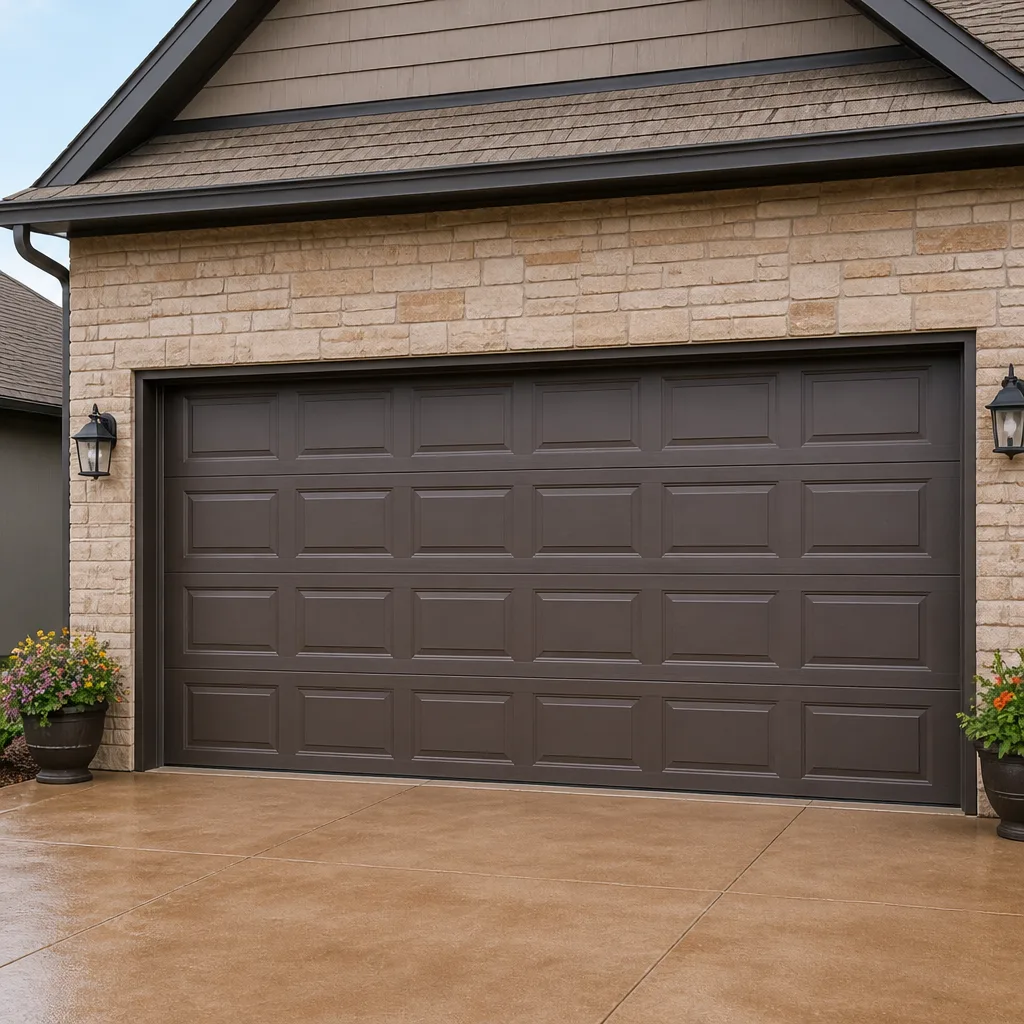 Raised-panel steel
 Carriage house
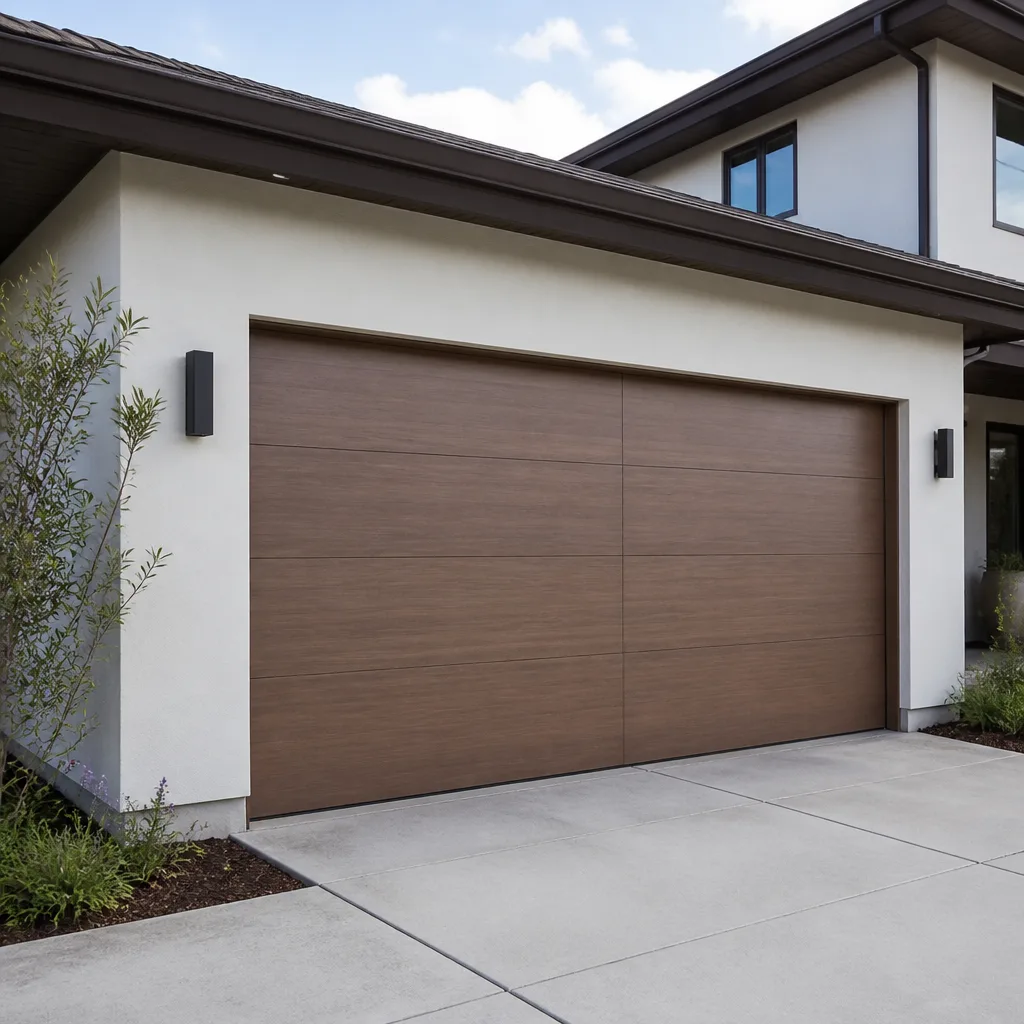 Modern flush
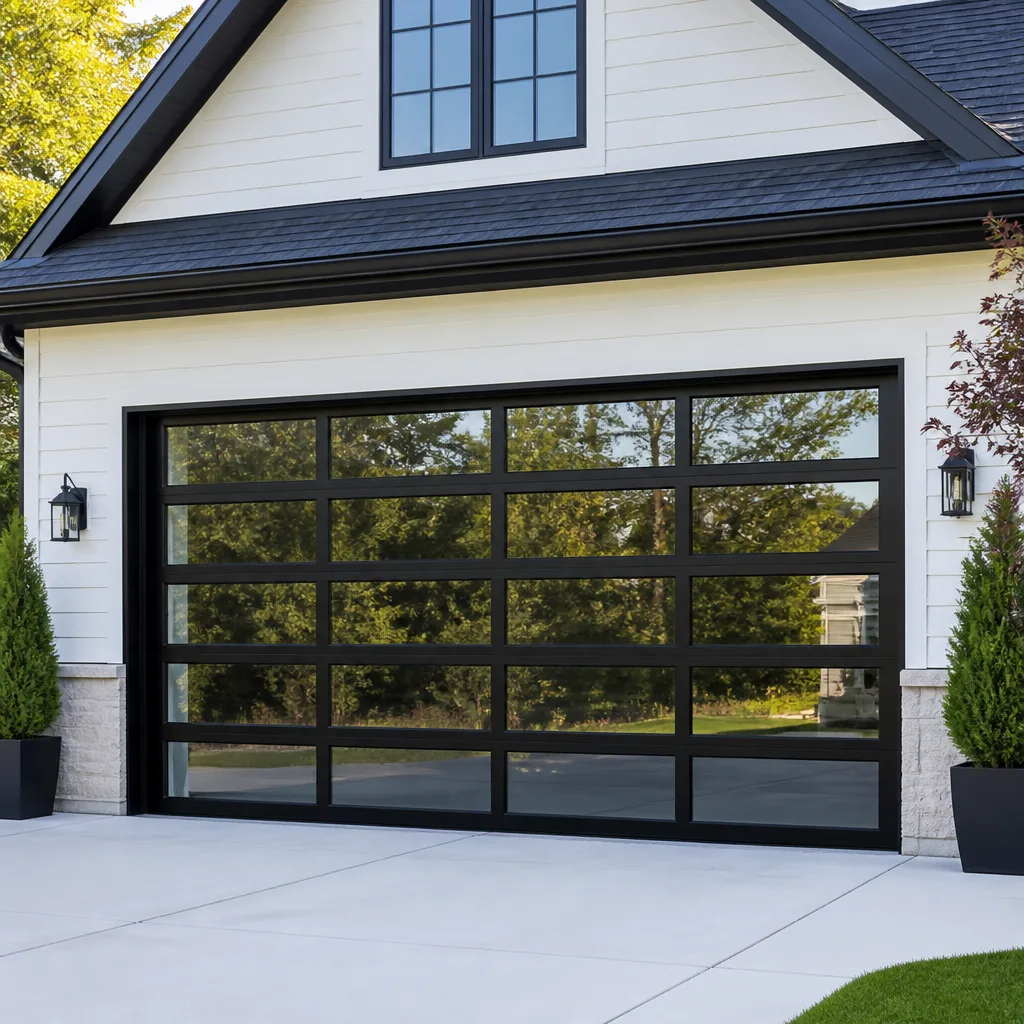 Full-view glass
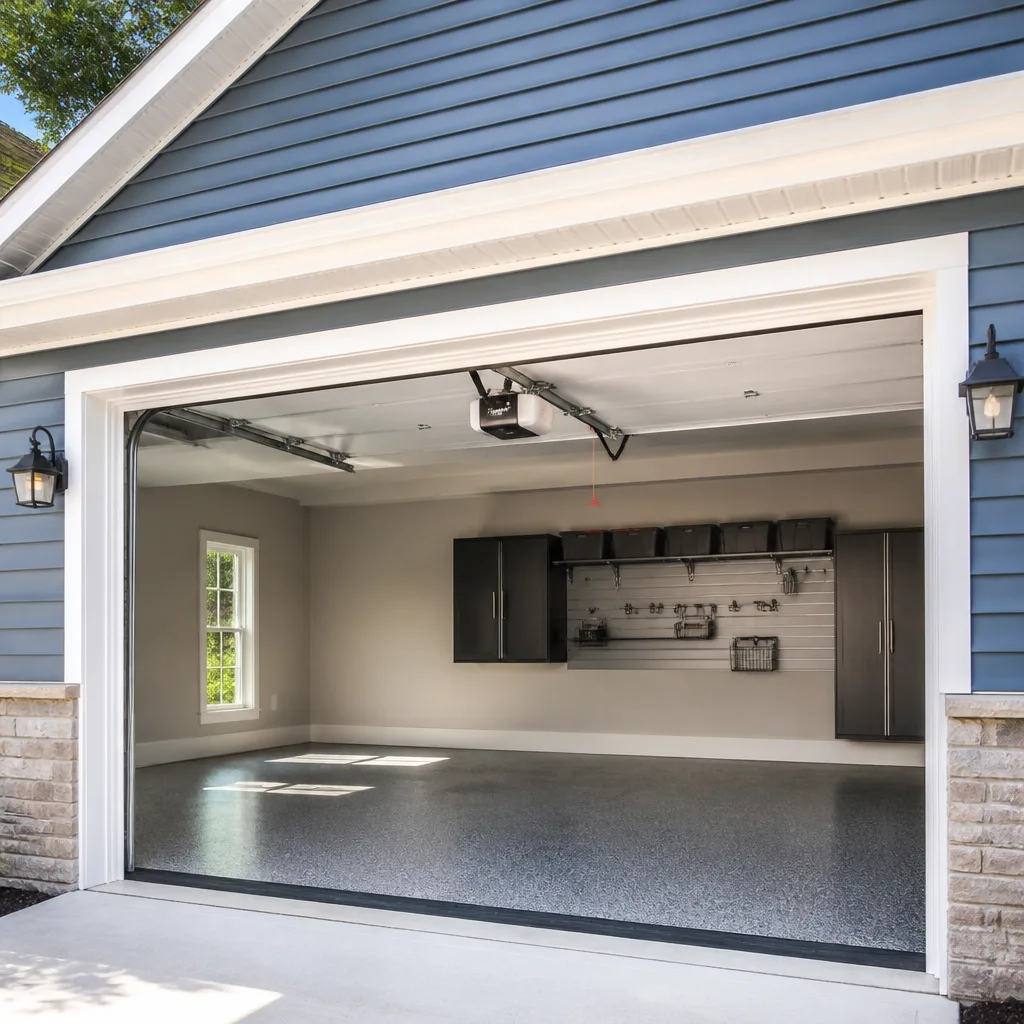 LiftMaster openers
 Chamberlain openers
Full 25-point door and opener safety check with every visit - springs, cables, rollers, tracks, and your LiftMaster or Chamberlain opener included
You get a price before we start. It does not change when the pro arrives.
Get your free estimateGarage Door Parts Warning Signs Every Homeowner Should Know
A door that takes two seconds longer to open than it did six months ago is not “getting old.” It is a spring losing tension and telling you exactly what it needs. Most garage door failures we see in Winchester were announced for weeks – through sound, through movement, through wear you can spot from the driveway without touching anything. The problem is that homeowners have been trained to ignore those signals until the door stops dead. This guide translates the noises, the travel arc, and the visible wear into plain language, so you can log what your door is telling you and turn a $150 service call into a prevented $900 replacement.
Quick Answer
The main warning signs of failing garage door parts are: a door that opens slower than it used to, grinding or popping sounds during travel, a door that reverses before it reaches the floor, visible cable fraying or spring gaps, and rollers that wobble or squeal. Any one of these usually points to a specific part – spring, cable, roller, or opener – and catching it early keeps a small repair from turning into a full replacement. If you notice two or more at once, stop operating the door and have it looked at.
Styles & brands we work with
- Raised-panel steel
- Carriage house
- Modern flush
- Full-view glass
- LiftMaster openers
- Chamberlain openers
Table of Contents
- The Sound-to-Cause Translation Guide
- The Movement Test: Reading Your Door’s Travel Arc
- Visual Wear Indicators You Can See From the Ground
- Why a Door That Reverses Is a Tension Warning
- Springs and Cables: The Parts That Carry the Weight
- How to Log and Timestamp What You’re Seeing
- What Winchester Homeowners Deal With
- What Happens If You Wait
The Sound-to-Cause Translation Guide
Your door is a mechanical system, and every sound it makes comes from a specific place. Here is what each one usually means.
- Grinding: Metal-on-metal contact, most often a dry or worn torsion spring, a bent track, or a roller that has seized and is dragging instead of rolling. Grinding that gets louder as the door rises points to the track or roller.
- Squealing: Usually the rollers or the hinges, not the spring. A high-pitched squeal during travel is often a dry bearing or nylon roller that has worn through to the metal core.
- Popping: A loud pop, especially when the door is about halfway up, is a strong signal of a spring that has lost tension or is about to break. It can also be a cable jumping its drum. Both are reasons to stop using the door.
- Thumping or banging: Loose hinges, a worn opener rail, or a door that is out of balance and slamming into its travel limits. Thumping often pairs with a door that moves unevenly.
- A single loud bang from the garage: This is the sound of a torsion spring breaking. It does not mean the door is safe to use – a door with a broken spring should not be operated by the opener at all.
Sound is the earliest and cheapest signal you get. If a door in Winchester suddenly gets noisier after years of running quiet, that change is the message.
The Movement Test: Reading Your Door’s Travel Arc
Stand back and watch the whole door travel, from closed to open and back. You are looking for smoothness, evenness, and speed. A door in good shape moves at the same pace it always has, straight and level.
- Watch the first six inches. If the door hesitates or shudders at the start, the spring or opener is straining to lift weight it should lift easily.
- Watch the middle of the travel. A door that tilts or rises unevenly on one side points to a cable that has gone slack or a roller that has jumped the track.
- Watch the close. A door that speeds up on the way down has lost the spring tension that should cushion it. That is a spring warning, not a speed setting.
- Time it. A typical residential door opens in about 10 to 15 seconds. If yours now takes noticeably longer than it did last year, write the time down. That is a tension signal, not age.
We have seen doors on the west side of Winchester running a full three seconds slower than they did a season earlier, and the owner assumed the opener was tired. It was the spring. The opener was working harder to compensate, and it would have been the next part to fail.
Visual Wear Indicators You Can See From the Ground
You do not need to climb a ladder to spot trouble. Several of the most important parts are visible from safe, ground-level observation. We do not recommend reaching up to touch or test springs and cables yourself – those parts are under high tension and can cause serious injury. Observation is enough.
- Cables: Look at both sides of the door. A cable should be neat and straight on its drum. Fraying, a strand poking out, or a cable hanging loose is a stop-and-call sign. A slack or off-drum cable can snap and whip.
- Springs: On a torsion spring above the door, look for a visible gap of an inch or more in the coil. A gap means the spring has broken. On extension springs at the sides, look for stretched coils or a spring that no longer sits evenly.
- Rollers: Wobble, flat spots, or a roller that sits crooked in the track all mean replacement is coming.
- Hinges and brackets: Rust, cracks, or a hinge pulling away from the panel are visible from the ground and are a reliability problem.
- Weather seal: A cracked or sagging bottom seal lets dust and heat into a Winchester garage and is one of the cheapest parts to replace before it lets water in.
If you want to see what the full inspection looks like, our Garage Door Repair in Winchester page covers the checks we run on every visit.
Why a Door That Reverses Is a Tension Warning
This is the signal most homeowners misread. A door that goes down, touches something, and reverses is often blamed on the safety sensors. But if the sensors are clean, aligned, and the indicator light is steady, the door is often reversing because it is binding or out of balance – a tension problem, not a sensor problem.
Here is how to tell them apart. If the door reverses at the same spot every time, before it gets near the floor, suspect a tension or track issue. If it reverses randomly at different heights, suspect the sensors or the opener’s force setting. If the door reverses only when the sun is directly on the sensors, that is a sensor alignment issue, which happens in Winchester garages with west-facing doors.
The reversal itself is a safety feature doing its job. Do not disable it. Instead, treat it as the door telling you it is meeting resistance it should not be meeting, and get it looked at. A safety reversal that gets ignored is how a small spring imbalance turns into a bent panel.
Springs and Cables: The Parts That Carry the Weight
Mainspring takes its name from the spring that carries the door’s entire weight, because that part does more work than any other. A torsion spring above the door does the lifting and lets the opener do almost nothing. When it weakens, every other part picks up the slack, and they wear out faster.
Springs and cables are also the parts you should never adjust yourself. They are under high tension, and a spring or cable that lets go can cause serious injury. We say this plainly because it matters: if you suspect a spring or cable problem, stop using the door and have a trained technician handle it. Our team has up to 10 years of experience on these parts, and we still treat every spring job with the same caution.
On the opener side, the warning signs are different: a motor that strains, a chain or belt that sags, or a door that opens a few inches and stops. Our Garage Door Opener in Winchester page walks through what each of those means for LiftMaster and Chamberlain units, which are the two we see most often in this area.
How to Log and Timestamp What You’re Seeing
A technician can fix a door much faster when you hand over a short log. Instead of guessing, we can go straight to the part. Keep a note on your phone or a pad in the garage and write down the following.
- The date and time of each new sound or movement change.
- Where in the travel it happens – start, middle, or close.
- Which side of the door it comes from.
- How long the door takes to open, timed once a week.
- What you changed – new opener remote, new weather, a power bump.
That log turns a diagnosis into a ten-minute confirmation instead of trial and error. It also tells us whether the problem is new or has been building for months, which is exactly the difference between a cheap repair and a replacement. Logging is the single best thing you can do between now and your next service call.
What Winchester Homeowners Deal With
Winchester’s climate is hard on garage door parts in specific ways. The dry heat and summer temperature swings expand and contract metal, which works springs, hinges, and cables loose over time. Dust is a constant, and it works its way into rollers and tracks, which is why grinding and squealing show up more often here than in milder climates. Doors that face west catch the afternoon sun, and that heat cycling is harder on springs than a shaded door.
We also see a lot of doors that have been on the same house for twenty years or more, often a Craftsman or Raynor system still running its original spring. Those doors don’t fail because of one bad event. They fail because a series of small warnings went unread. When we look at a door like that in Winchester, the goal is to catch the wear before the part lets go. If you’re planning a replacement rather than a repair, our Garage Door Installation in Winchester page explains the measure-and-order process, plus the local code considerations for a new door.
What Happens If You Wait
A worn part rarely fails alone. A weakening spring forces the opener to work harder, which wears the opener gear and the motor. A fraying cable can come off the drum and bend a panel. A worn roller can jump the track and bind the whole door. Each small part that fails on its own is a modest repair; several failing together is a replacement.
The math is simple. Catching a worn roller or a slack cable early is a small, quick job. Catching the aftermath of a broken spring – a bent door, a stripped opener gear, a car under the door when it drops – is a much bigger bill. The warning signs in this guide are how you stay on the right side of that line. If you’d like a second opinion on what you’re hearing, we offer a free second opinion on any written estimate. Just tell us what the door is doing, and we’ll start from your log.
Common Mistakes to Avoid
- Ignoring a slowing door. A door that takes two seconds longer than it did last year is not aging gracefully – it is a spring losing tension. Waiting lets the opener pick up the load and wear out too.
- Blaming the sensors for every reversal. In a Winchester garage, a door that reverses before it reaches the floor is usually a tension or track issue, not a dirty sensor. Check the reversal pattern before you touch the sensors.
- Spraying lubricant on everything. Lubricant on the tracks can collect dust and gum up rollers. Wipe and lubricate the right parts only, and never grease the tracks themselves.
- Trying to adjust a spring or cable yourself. These parts are under high tension and can cause serious injury. Leave them to a trained technician – this is the one mistake we see homeowners regret most.
- Not writing down the symptoms. Memory fades fast. Without a log, the technician has to guess and test when they could have fixed it on the first visit.
- Assuming a new opener is the fix. A new opener on a door with a worn spring still has to lift the same weight. Fix the door before you replace the motor.
- Waiting for a full failure before calling. A door that stops dead in a Winchester summer is often a part that was complaining for weeks. Early repair is the cheaper path every time.
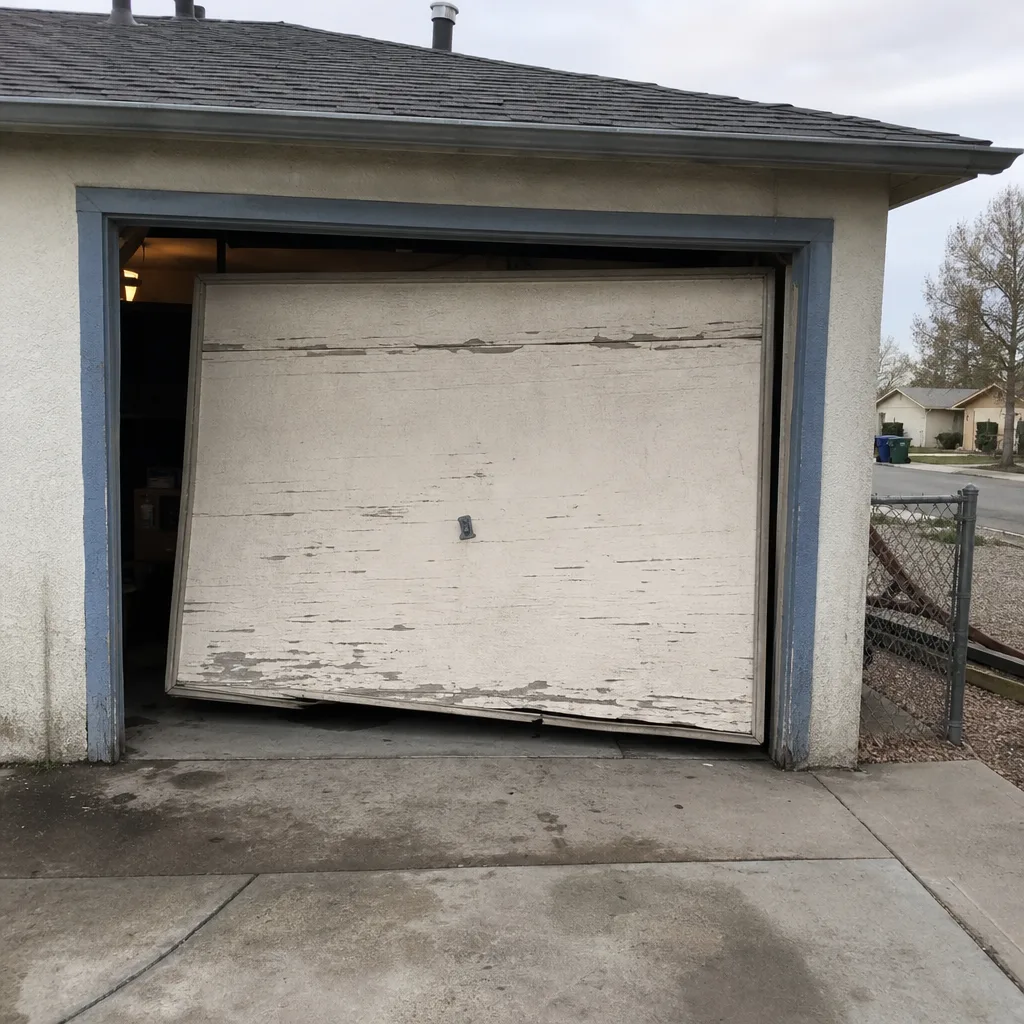
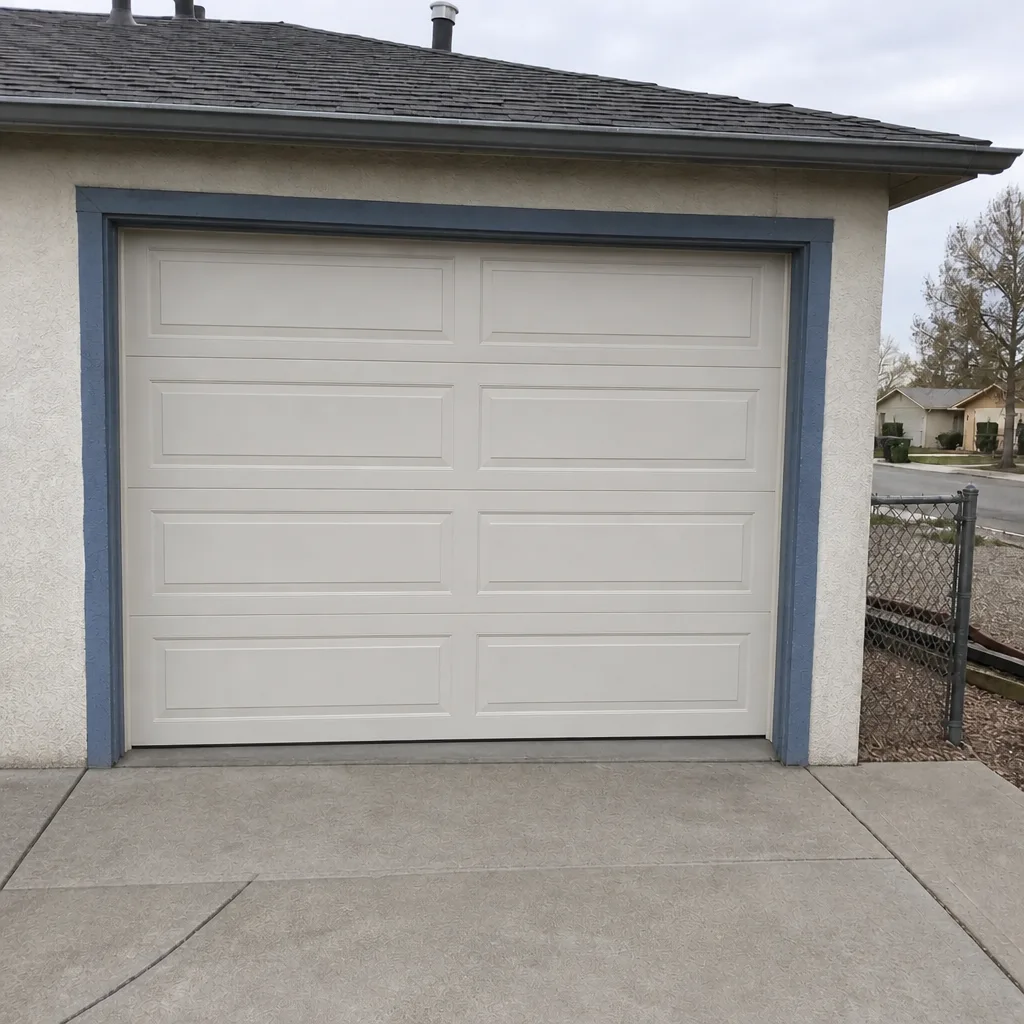
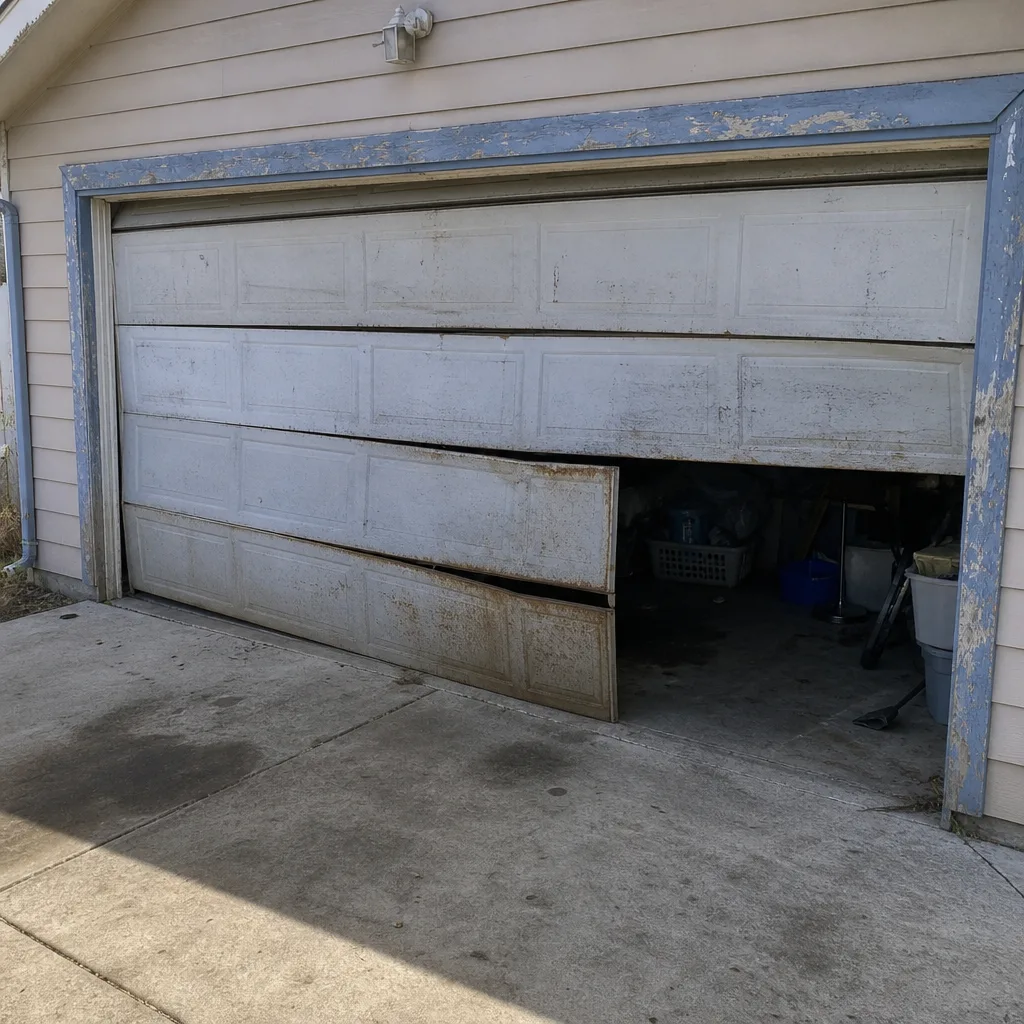
See the difference
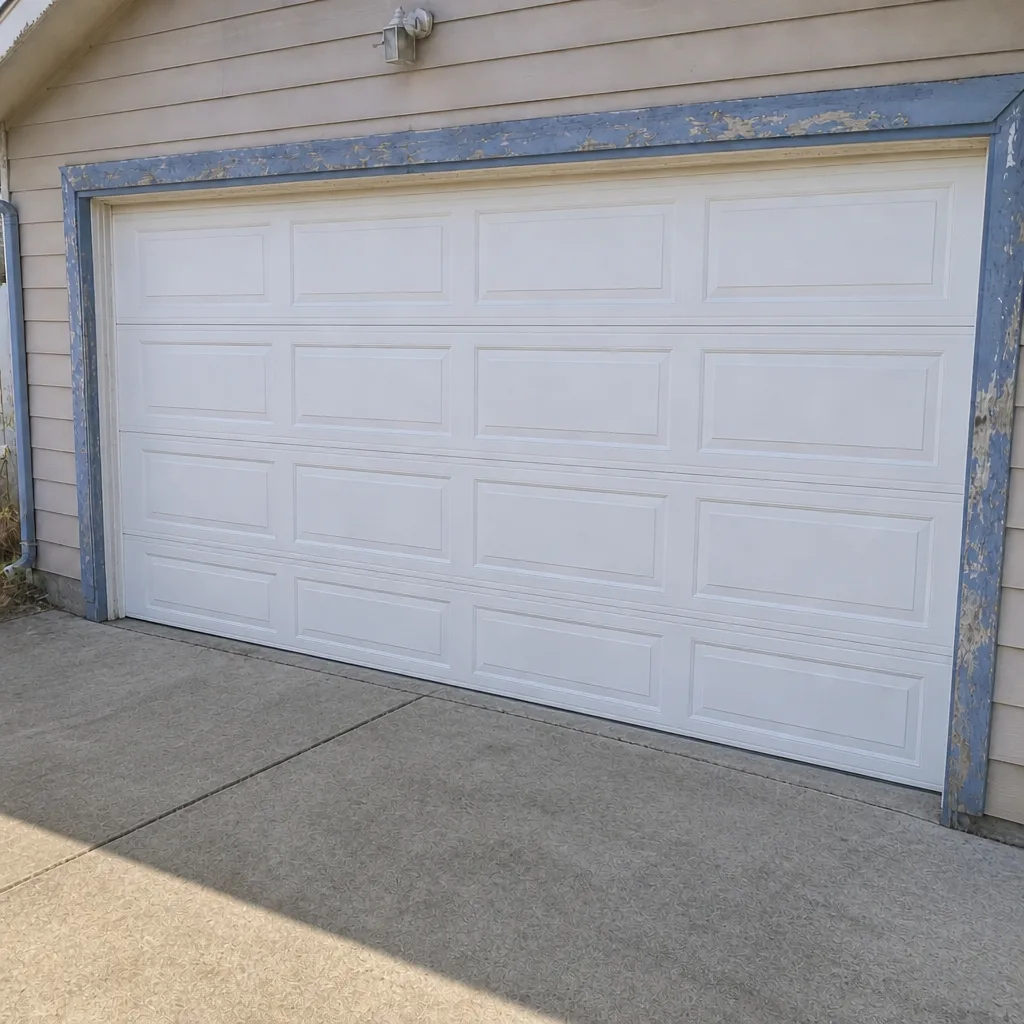
 Before
 After
 Before
 After
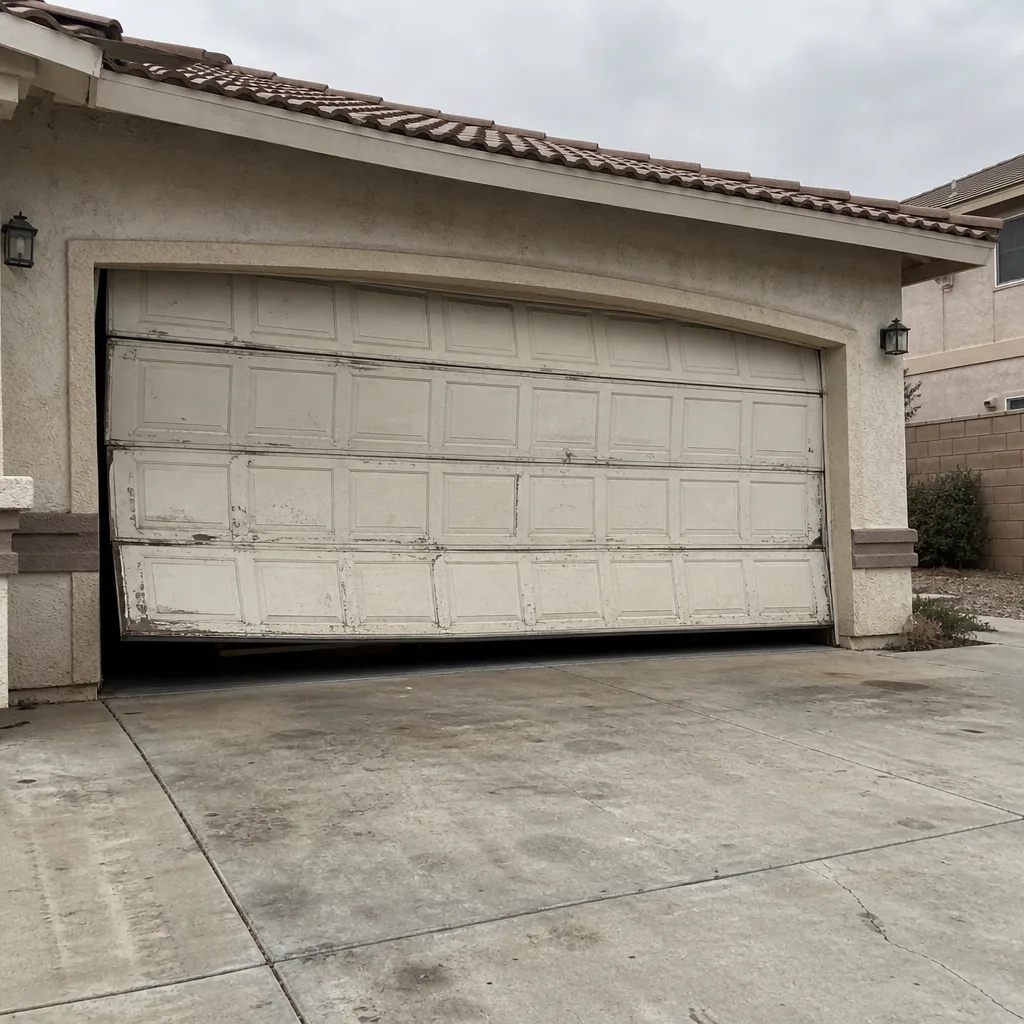 Before
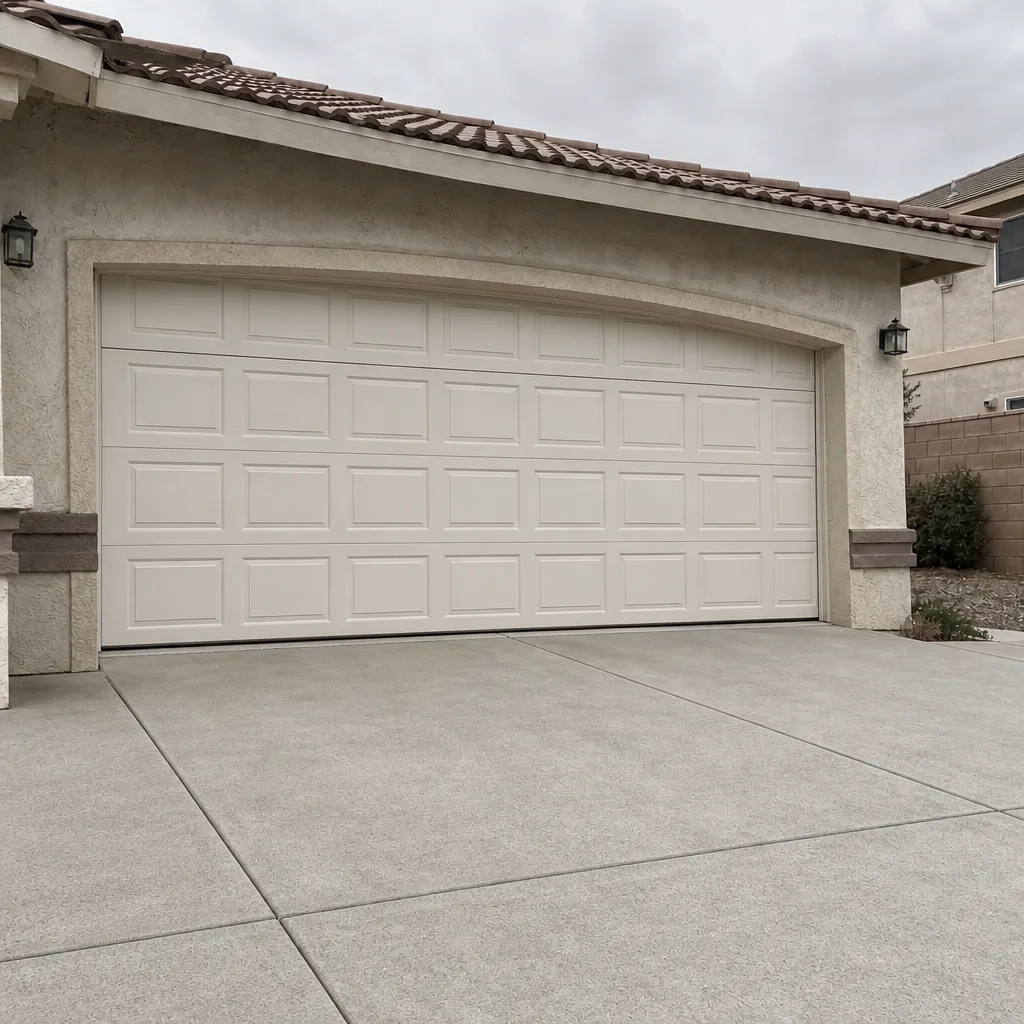 After
When to Call a Professional
Call a professional if you see a gap in a torsion spring, a frayed or loose cable, a door that reverses repeatedly, a door that tilts or binds, or a single loud bang from the garage. Any of those means the door has a part that should not be operated by anyone but a trained technician. We also recommend a call if the door is simply slower or noisier than it used to be and you cannot pinpoint why. That is the point where a short visit saves the most money. Mainspring Garage Door Co. Winchester offers free estimates in Winchester – call (888) 326-0817, and a live person will answer, day or night. We quote the price before any work begins, and every completed job is covered by our 90-Day Done Right Promise.
Frequently Asked Questions
A door that opens more slowly than it used to is the earliest reliable sign, followed by a loud popping sound or a visible gap in the spring coil. If the door gets sluggish before it gets noisy, have it checked. Call (888) 326-0817 for an exact quote – estimates are free.
If the door moves unevenly, reverses early, or feels heavy when you lift it by hand (with the opener disengaged), it is usually the spring. If the door moves smoothly but the motor strains, stops mid-travel, or the opener lights flash, it is usually the opener. Either way, a short visit tells you which – call us for a free estimate.
Yes, for the rollers and hinges, using a proper lubricant and skipping the tracks. If the squeal returns quickly or is paired with grinding, the part is worn and needs replacement. Call (888) 326-0817 to have it checked rather than guessing.
Yes. Our technicians are background-checked, uniformed, and trained as journeymen under our K.E.Y.S. values code, and they carry up to 10 years of experience on these parts. Every job is covered by the 90-Day Done Right Promise in writing – call us to book a visit.
No. We state the flat price before any work begins, and that is the price on the bill. If we find something extra, we explain it and quote it before we touch it. Call (888) 326-0817 for a free estimate.
Dry heat and temperature swings work springs and cables loose and dry out rollers, so the door needs more effort as the season wears on. A door that only misbehaves in the heat is telling you the parts are wearing. Call (888) 326-0817 and we’ll take a look before it fails.
The Bottom Line
Your garage door tells you what it needs weeks before it fails, through its sounds, its speed, and the wear you can see from the ground. A two-second slowdown, a new grinding noise, a reversal that happens before the door reaches the floor – each one points to a specific part and a fix that is far cheaper than waiting. Log what you see, never touch a spring or cable yourself, and call when the signs stack up. You can always reach our team at Mainspring Garage Door Co. Winchester home or call (888) 326-0817 for a free estimate. We’ll be there when we say, quote the price upfront, and stand behind the work.
Written by the team at Mainspring Garage Door Co. Winchester.